Italian cheese
Italy has more than five hundred traditional cheeses and fifty-three protected ones. The number is not romance: before roads and refrigeration, milk was turned into cheese wherever it was milked.
The geography explains the catalogue. Hard, long-aged cheeses come from the plains, where fodder was plentiful and the problem was keeping the surplus: Parmigiano, Grana, Provolone. Blues come from damp valleys where the mould did half the work. Pasta filata cheeses (mozzarella, caciocavallo, scamorza) come from places where milk arrived warm and had to be worked the same day.
The animal matters as much as the method. Cow's milk across the Po valley, water buffalo in Campania where the land is wet, sheep down the Apennine spine and on the islands, where whoever had no plain had pasture. Pecorino Romano and Parmigiano are not two ages of the same craft: they are two animals, two climates and two economies.
One thing vegetarians usually find out too late: almost every Italian PDO cheese specifies animal rennet in its rulebook. It is not the producer's choice, it is written into the regulation. Each of our pages says so, and names the microbial-rennet alternatives where they exist.
Italian cheese: what it tastes of, what it replaces, how to say it
Abroad these cheeses lose the things that explain them: the rind is cut away, the wheel markings with it, and the shelf alongside offers Italian-style hard cheese at a third of the price.
One rule fixes most of the names. Every letter is sounded, ch is a hard k, gh a hard g, gn the ny of canyon, and doubled consonants are held: gnocchi is NYOK-kee.
The rest is knowing the four families, what a rind actually proves, why almost none of this is vegetarian, and what honestly substitutes what.
Three numbers explain most of what you are paying for: the temperature the curd was cooked to, the water left in the paste, and the months in a cellar. The first tells you whether it will splinter or fold, the second how long it survives your fridge, the third what it costs.
Names are a legal question, and the answer changes with your passport. Inside the EU the Italian name is locked to the Italian product. In the US parmesan, romano and asiago are generic terms describing a style rather than an origin, though Pecorino Romano and Parmigiano Reggiano are both registered US certification marks, and the federal standard at 21 CFR 133.183 allows Pecorino as a prefix on romano. Canada is narrower: under CETA, in force since 21 September 2017, asiago, feta, fontina, gorgonzola and munster need a qualifier (kind, type, style, imitation) unless the seller was already using the name commercially before 18 October 2013, and only parmesan stays freely generic. Australia is still open as of 2026, but the EU-Australia trade agreement concluded on 24 March 2026 and not yet in force will protect 56 dairy names, 53 of them cheeses: parmesan stays free, romano does not. Everything below assumes a counter that cannot show you the whole wheel.
The four families, and what each does in the mouth
Hard cooked cheeses come from curd cut to rice-grain size and heated to about 55 °C, which drives out the whey. You know the family by how it breaks: it does not slice, it splinters.
Pasta filata means spun paste: curd acidified to around pH 5, then stretched in near-boiling water until the casein realigns into parallel fibres. That is why mozzarella peels in sheets and aged caciocavallo has a vertical grain.
In blues the mould is an ingredient: Penicillium roqueforti in the milk, curd left unpressed, the wheel pierced so oxygen can reach it. Fresh cheeses skip ageing altogether, and ricotta is not cheese at all but reheated whey.
The numbers behind that. Milk sets between 32 and 38 °C, and the first real decision is how small the curd is cut, because a smaller grain exposes more surface and sheds more whey: rice grains for the cooked hard pastes, maize grains for semi-cooked wheels like Fontina and Asiago, which stop between 44 and 48 °C, walnut-sized lumps for gorgonzola, which is never cooked at all.
Cooking above 48 °C contracts the casein network and squeezes out the water still held between the strands, and it leaves only the thermophilic bacteria of the natural whey starter alive to break down the proteins for the next two or three years. What separates the families in the end is water, though the cut-offs are one convention among several: over 45 per cent is soft and everyone agrees on that, while the hard/semi-hard line is drawn at 40 per cent by some and at 35-36 by much of the literature, and mozzarella sits near 60. Spinning is the one step about calcium rather than water, since at around pH 5 the paracaseinate loses enough calcium to turn plastic, and in water at 80 to 90 °C the curd pulls like a skein.
That water figure predicts what you will meet abroad. A hard paste under 40 per cent survives a flight, a fortnight in your fridge and a grater; a fresh cheese at 60 per cent is a different food by the time it clears customs, which is why the mozzarella sold as a vacuum block was engineered to melt rather than to be eaten cold.
What the marks on a rind actually prove
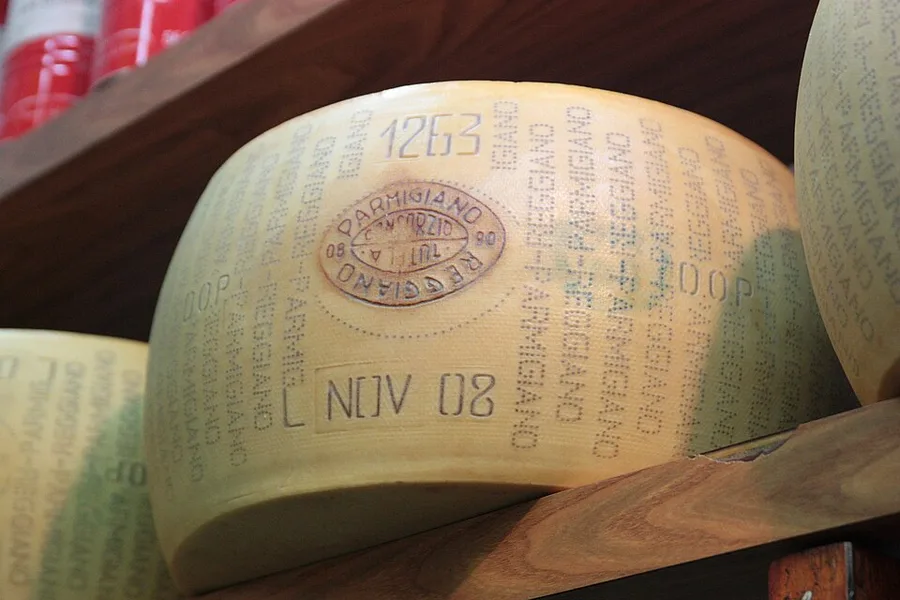
Parmigiano Reggiano carries a casein plate with a unique code, plus dotted lettering, the dairy's registration number and the month and year pressed into the heel. That number names who made it, not who packed it.
The fire brand is added at twelve months, and only after the Consortium's expert tappers work the rind and listen for cracks inside, though the certification that clears a wheel for branding is issued by the control body, OCQPR. Wheels that fail are stripped of their marks and sold nameless.
So aged 24 months printed on a shrink-wrapped wedge proves nothing. The oval IT-number-CE stamp is not a quality mark either: it is the EU identification mark under Regulation 853/2004, and on a wedge it often names the cutting plant. CE is on its way out, replaced by UE under delegated Regulation (EU) 2024/1141, with CE stamps allowed until 31 December 2028.
What the inspector actually does explains the mark. The examination runs in three stages. First a visual inspection of the outside of the wheel, then the tapping: a battitore runs a small hammer over the heel and the flat faces and listens, because a full even note means solid paste, a dull thud means a void or a split layer, and a boom means fermentation gas. Only where the hammer leaves doubt comes the third stage, a screw needle for the smell or a plug probe to pull a core. Wheels with minor faults become mezzano and are given parallel grooves cut right round the heel, so the downgrade travels with the cheese for life.
Minimum ages are written into the specifications and are the floor below which the name cannot be used: twelve months for Parmigiano Reggiano, nine for Grana Padano, five for table Pecorino Romano and eight for the grating grade, three for Fontina (whose PDO mark is applied from eighty days), seventy days for Bitto, sixty for Castelmagno, fifty for gorgonzola dolce and eighty for piccante, thirty-five days for Taleggio.
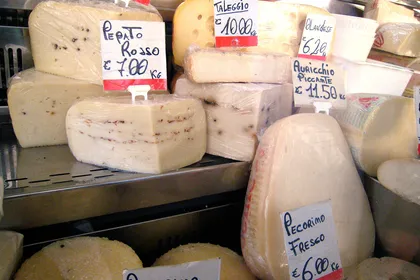
On an imported wedge most of this is gone. The rind is usually trimmed and the dotted heel lettering goes with it, so ask for a piece cut with the rind still attached, or buy from a counter that keeps the heel in view. The oval stamp on the back of the pack names the plant that cut and wrapped that lot, which abroad is frequently a warehouse in your own country rather than a dairy in Emilia.
Rennet, and why almost none of this is vegetarian
Animal rennet comes from the fourth stomach of unweaned ruminants, and nearly every Italian PDO names it: calf rennet for Parmigiano Reggiano and Grana Padano, lamb rennet paste for Pecorino Romano.
That paste also carries lipases, which split milk fat and give Pecorino Romano and piccante provolone their bite. Change the rennet and you change the taste, not just the label.
The two non-animal routes are not the same thing. Fungal microbial coagulants (Rhizomucor miehei, R. pusillus, Cryphonectria parasitica) are native proteases that cut casein less selectively and leave bitter peptides over long ageing, so they belong on young cheeses. Fermentation-produced chymosin has the identical sequence and the same specificity as the calf enzyme, and does not turn bitter at any age. In the UK the block sold as Italian hard cheese is made this way; it could not carry the protected name whatever rennet it used, because it is made outside the delimited area. Rennet with no qualifier means animal.
Species and form both matter. Liquid calf rennet is almost pure chymosin: it cuts casein at a single site, which is why a wheel can run thirty-six months without turning bitter. Rennet paste is a different object: the whole abomasum of a lamb or kid, dried and ground with the curdled milk still inside it. Fiore Sardo specifies lamb; Provolone Valpadana uses calf for dolce and kid or lamb for piccante.
Thistle rennet is the interesting alternative rather than a compromise. Cynara cardunculus carries cardosins, which attack casein far more aggressively than animal rennet, and the result at two months is a paste you eat with a spoon and a clean bitter finish. It is written into Portuguese specifications (Serra da Estrela, Azeitão, Serpa) and survives in a few Sardinian sheep's cheeses. Two Italian PDOs allow it too, and for a vegetarian those two names are the answer. Pecorino delle Balze Volterrane, in Tuscany, requires vegetable rennet from wild thistle exclusively, and is the only Italian PDO made entirely without animal rennet. Asiago has explicitly permitted non-animal rennet, thistle included, since its specification was amended on 8 October 2020, which also dropped lysozyme.
Labelling is where your own country decides for you. In the UK cheese is routinely marked suitable for vegetarians, and the supermarket blocks sold as Italian hard cheese are made exactly that way; the protected name is closed to them regardless, since they are produced outside the delimited zone. EU rules never require the species behind the word rennet, so an Italian pack that says only caglio is animal. What is left for vegetarians abroad: the two PDOs above, acid-set dairy such as mascarpone, non-PDO cheeses that make the claim, and those style blocks.
Keeping it alive once you get it home
Cling film is the fastest way to ruin cheese: sealed in plastic it sits in its own moisture, turns slick and tastes of the wrapper within days. Use two-ply cheese paper, or greaseproof paper in a loosely closed box.
Store it in the crisper drawer, the most humid and least cold part of the fridge, not the shelf above it, which is the coldest spot in the appliance.
Take it out forty to sixty minutes before eating: below 13-15 °C the fat is set and the aromas never lift. Parmigiano rind is food, so scrape it and drop it in soup, but wax, plastic and natamycin-treated rinds are not, and the label must say so.
Most Italian cheese abroad arrives vacuum-sealed, which changes the first ten minutes. Cut the bag open, wipe the surface and give it half an hour: the flat, faintly sulphurous smell off a freshly opened vacuum pack is trapped gas from weeks without air, and it blows off. Then wrap it properly and change the sheet every time you cut, because the used one has already taken up fat and moisture and is where mould starts.
In a static fridge the shelf directly above the drawers runs 0 to 3 °C, the middle shelves 4 to 6, the top 6 to 8, and the door 8 to 12 with a swing at every opening. A frost-free fridge holds one temperature throughout but dries hard, so the paper matters twice as much.
Freezing is defensible for a short list: hard paste in 200 g pieces, Parmigiano rinds, and low-moisture spun curd headed for an oven. Fresh, soft and blue cheeses do not survive it, because at -18 °C the crystals tear the protein network and the thawed paste weeps whey and goes grainy. Freezing does not age anything either: what goes in at twenty-four months comes out at twenty-four months. The plastic coatings on industrial provola and the coloured waxes never go into a pot.
Building a board, and the one real wine rule
Three or five cheeses, not nine: 80-100 g a head as a course, 40-50 g with drinks, chosen for contrast (one fresh, one aged hard, one blue, perhaps a washed rind).
Go mildest to strongest and reset with bread and water, not wine. Cut so every portion has both the centre and the part near the rind, and never slice Parmigiano: lever it into shards.
The rule that holds is that fat and salt fight tannin, so a young tannic red on a blue turns metallic. Two approaches survive: contrast, a sweet wine against a piccante gorgonzola, and regional concordance. Otherwise take sparkling.
Intensity is made by three things at once: the milk, which climbs from cow to goat to sheep, the months, and the kind of rind. An order that nearly always works is a fresh cheese, a young cow's-milk wheel, a sheep's cheese of a few months, a washed rind, and the blue last, because nothing tastes of much after it.
Three mechanisms do all the work. Tannins precipitate the proteins in your saliva and read as astringency; the fat and protein in cheese buffer some of that, but where heavy salt is added on top the sensation turns metallic. Residual sugar does the opposite and lowers perceived salt and bitterness, which is why a sweet wine holds up against a piccante gorgonzola where a young tannic red collapses. Acidity and carbon dioxide dissolve the fat coating and reset the palate, which is the whole reason dry Lambrusco sits beside Parmigiano.
Blues are the extreme case: their heat comes mostly from the short-chain free fatty acids the mould's lipases release (butyric, caproic, caprylic), while the methyl ketones carry the aroma, and that heat adds to the salt instead of cancelling it, so they want sweetness or no wine at all. Sauternes, a late-harvest Riesling or a tawny port all work where a Cabernet will not. If Italian bottles are hard to find the mechanism still travels: any dry sparkling wine handles a mixed board, an off-dry Riesling handles almost everything, and a Belgian dubbel does the job of a washed-rind wine.
How to choose
- 1Look for the Italian name and the EU protected-origin symbol: Italian-style, Romano-style and in the style of are all legal ways of saying this is not that cheese.
- 2Buy cut from a wheel where you can, because the heel markings and the age of the cut face are the only claims you can verify yourself.
- 3Skip pre-grated hard cheese: it carries anti-caking cellulose, loses its aroma within days of grating, and never melts the way a block does.
- 4Make 24-month Parmigiano the default; 12-month is for eating in chunks with fruit, 36-month and over is for shaving over a finished dish.
- 5For mozzarella, burrata and ricotta ask the production date rather than the use-by: three days in transit makes it a different food.
- 6If you need vegetarian, look for microbial or vegetarian rennet on the label, and read rennet with no qualifier as animal.
What almost everyone gets wrong
Parmesan and Parmigiano Reggiano are the same thing.
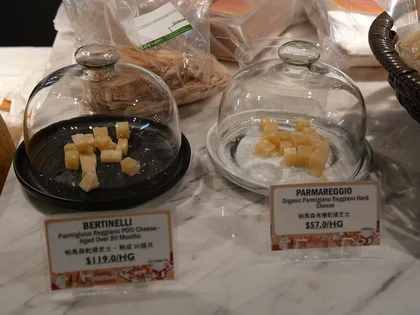
Same word, two legal systems. In the EU parmesan is protected as an evocation of the PDO and can only mean Parmigiano Reggiano. In the US it is a generic FDA standard: ten months curing, under 32 per cent moisture.
The older the cheese, the better it is.
Older means more concentrated, not better. A 24-month Parmigiano is the balanced one; at 40 months it is crumbly and spiced and buries a delicate dish. Age is a style, not a ranking.
The rind is packaging and always goes in the bin.
Natural rinds on hard cheeses are just the driest cheese: a scraped Parmigiano rind gives body to soup and freezes indefinitely. Wax, plastic, sorbates and natamycin (E235) mean discard, and all must be declared: E235 is routine on Asiago, Montasio and Piave.
Blue veining means the gorgonzola has gone off.
The veins are Penicillium roqueforti, added on purpose and fed with oxygen through needle holes. Spoilage looks different: pink or black fuzz on the cut face, an ammonia sting, a paste turning brown.
Wrapping cheese tightly in cling film keeps it fresh.
It suffocates it. Trapped moisture makes the surface slimy and the flavour flat within days. Use cheese paper, or greaseproof paper in a loosely closed box, and change the sheet every time.
Where to start
The pages worth opening first.
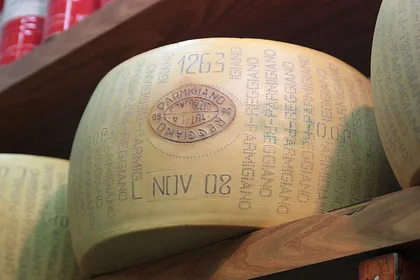 DOPParmigiano ReggianoThe reference point, and the one wheel you can verify by reading the rind. Start at 24 months.
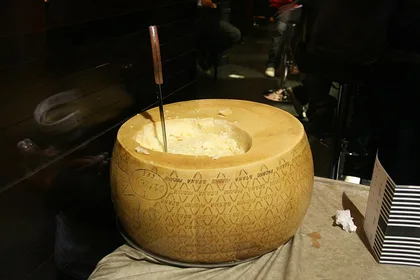 DOPGrana PadanoThe honest substitute when Parmigiano is out of budget: milder, younger, cheaper to cook with.
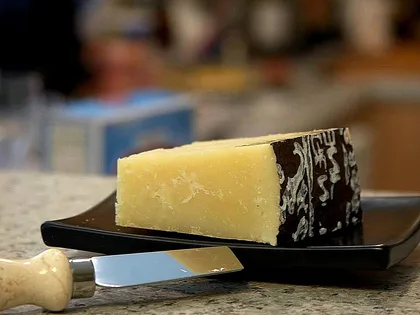 DOPPecorino RomanoIts opposite, not its alternative: sheep's milk, lamb rennet, dry-salted. Salt the dish last.
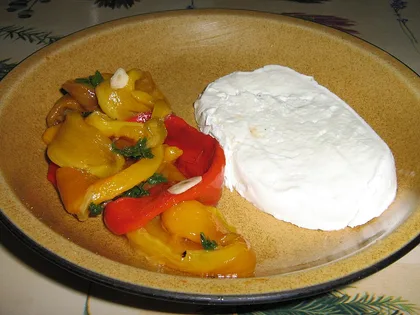 DOPBuffalo MozzarellaBuffalo milk, sold in its own liquid, judged in hours. Not the block sold for pizza.
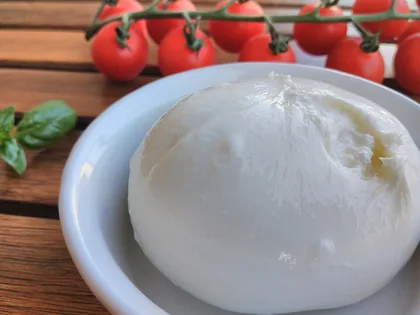 IGPBurrataA pasta filata shell filled with cream and curd, protected as Burrata di Andria IGP.
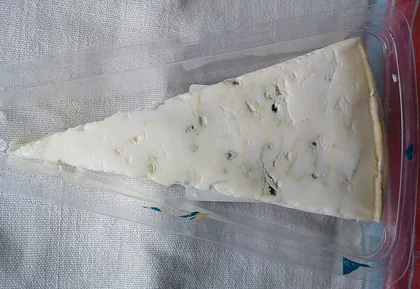 DOPGorgonzolaThe cheapest lesson in blues: taste dolce and piccante side by side, thirty days apart.
 DOPTaleggioThe washed-rind entry point, milder than its smell, ripening from the rind inward.
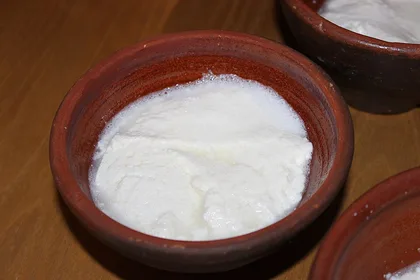 Read the pageRicottaSheep's-milk if you can, and drain it: drier and sweeter than the tub sold abroad.
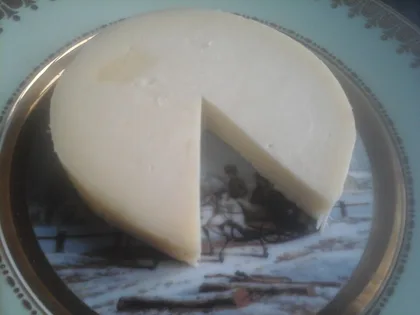 DOPProvoloneStretched curd taken to age. Dolce uses calf rennet, piccante kid or lamb paste.
Frequently asked
How do I actually pronounce these?
Parmigiano Reggiano is par-mee-JAH-no red-JAH-no, pecorino is peck-oh-REE-no, gorgonzola gor-gon-DZOH-la, mozzarella mot-tsa-REL-la, caciocavallo ka-cho-ka-VAL-lo. Stress usually falls on the second-to-last syllable.
What can I use instead of Parmigiano Reggiano?
Grana Padano first: same family, milder, cheaper, and it behaves the same in cooking. A domestic parmesan aged about a year works for melting. Pecorino Romano is not a substitute: it is sheep's milk and far saltier.
Which Italian cheeses can vegetarians eat?
Two PDOs: Pecorino delle Balze Volterrane, made only with wild thistle rennet, and Asiago, which has allowed non-animal rennet since October 2020. Almost every other specification mandates animal rennet, leaving mascarpone and other acid-set dairy, non-PDO cheeses labelled microbial or vegetarian rennet, and the UK blocks sold as Italian hard cheese.
What are the white crystals in aged Parmigiano?
Tyrosine, an amino acid that precipitates as proteins break down over long ageing. They are evidence of real age, not salt: salt in cheese is dissolved and invisible. A young cheese sold as aged has none of them.
Why does my mozzarella taste of nothing?
Either it is too cold (below about 13 °C the fat is set and the aromas do not lift) or it is the firm low-moisture type engineered to melt on pizza, which was never meant to be eaten raw with tomatoes and oil.
Can I bring cheese home from Italy?
Hard cheeses vacuum-sealed in checked luggage travel fine. Anything kept in brine counts as a liquid at security. Dairy import rules differ by destination and change, so check your own customs authority before buying a wheel.
Sources
Where to check what you just read.
- 1
Whether a name on the label is actually a registered PDO/PGI/TSG, and the exact spelling it was registered under: the test for anything sold as Italian-style.
- 2
What each of the three marks actually promises: PDO requires every stage in the region, PGI only one, TSG nothing geographical at all.
- 3
The framework now in force after Regulation 1151/2012 was repealed: what protection a registered name carries inside the EU.
- 4
What the oval stamp proves: Annex II, Section I ties it to the establishment that handled or packed the lot, not to age, quality or origin of the milk.
- 5
Why a US label can read Pecorino Romano without any Italian connection: the federal standard permits the prefix and allows cow, sheep or goat milk.
- 6
The 21 September 2017 provisional entry into force and the GI protections that decide which cheese names need a qualifier in Canada.
- 7Consortium · interested partyConsorzio Parmigiano Reggiano — product specification
The deposited specification itself, the rules a domestic parmesan is not held to: twelve-month minimum, no silage in the feed, calf rennet named by species.
Every cheese page
43IGPBurrataIt began as a way of using offcuts: leftover shreds of pasta filata, drowned in cream and sealed…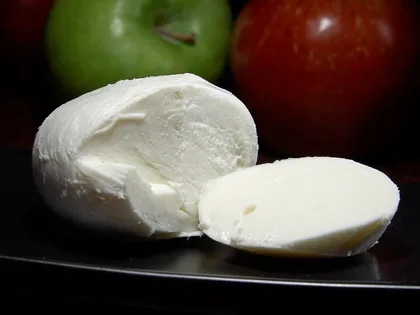 CampaniaMozzarellaThe name is a verb before it is a cheese: mozzare means to lop off, which is what the cheesemaker…
 DOPAsiagoOne name covers two cheeses nobody would mistake for each other at the counter.DOPGorgonzolaThe green veining is the product, not a flaw anyone tolerates: it grows from a mould added to the…DOPGrana PadanoNine months is the floor the specification sets before a wheel may carry the name.DOPParmigiano ReggianoThree ingredients and no additives of any kind are permitted: raw cow's milk, salt and calf rennet…DOPPecorino RomanoPecorino Romano DOP is a hard, dry-salted sheep's milk cheese aged at least five months, made in…LazioRicottaRicotta is not a cheese. It is a dairy product made from whey, the liquid left over after cheese…DOPProvoloneProvolone is a stretched-curd cow's milk cheese from northern Italy, rope-tied and hung to age in…
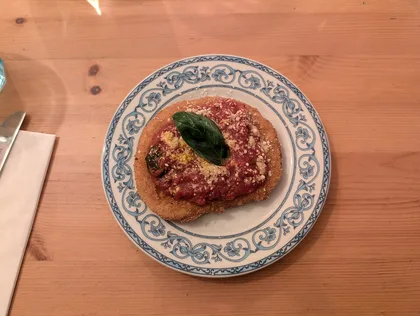 AbruzzoScamorzaScamorza is cow's-milk pasta filata that has been tied off into a pear shape and hung to dry for…
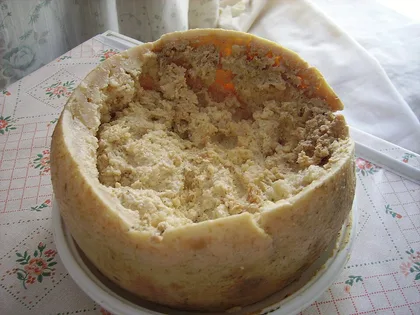 SardiniaCasu MarzuCasu marzu is a Sardinian sheep's cheese whose ripening is carried on by the larvae of the cheese…DOPTaleggioTaleggio DOP is a square, washed-rind cow's milk cheese from the Bergamo Alps, aged at least 35…
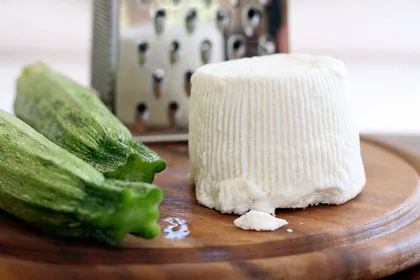 SicilyRicotta SalataRicotta salata is sheep's milk ricotta that has been salted, pressed and aged for at least three…
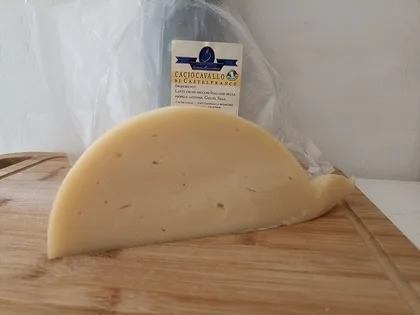 DOPCaciocavalloCaciocavallo is a stretched-curd cow's milk cheese from southern Italy, aged in a distinctive gourd…
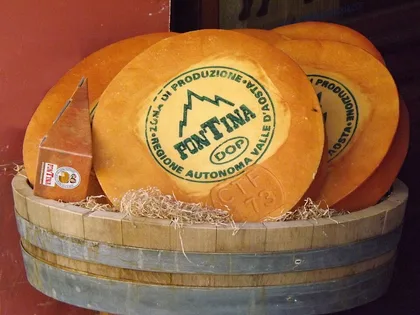 DOPFontinaFontina is the DOP mountain cheese of Italy's Aosta Valley: raw whole milk from a single milking…DOPBuffalo MozzarellaMozzarella di Bufala Campana DOP is made from the whole raw milk of Italian Mediterranean water…
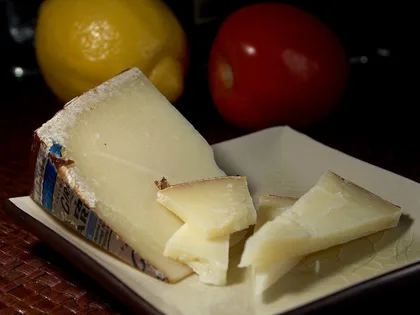 DOPPecorino SardoPecorino Sardo DOP is Sardinia's table cheese: whole sheep's milk, calf rennet, two official types.
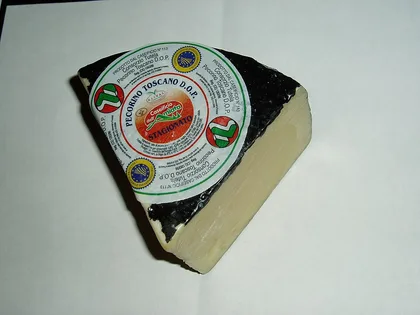 DOPPecorino ToscanoPecorino Toscano DOP is the mild one. Whole sheep's milk, calf rennet, a brief salting: soft-paste…
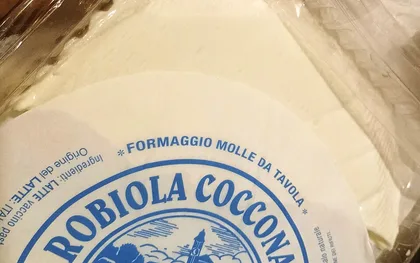 PiedmontRobiolaRobiola is a family of soft young cheeses from north-west Italy rather than a single cheese.
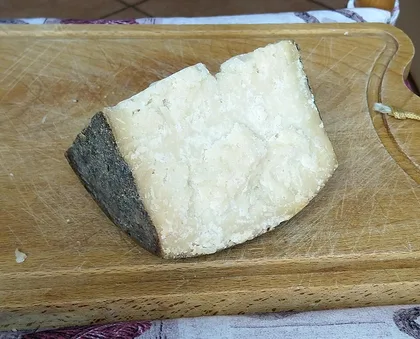 DOPFiore SardoFiore Sardo DOP is the shepherd's pecorino of Sardinia: raw sheep's milk, lamb rennet paste, an…
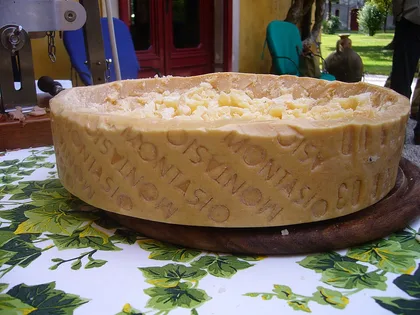 DOPMontasioMontasio DOP is Friuli's cheese: cow's milk, semi-cooked curd, wheels of 6 to 8 kilos and an ageing…
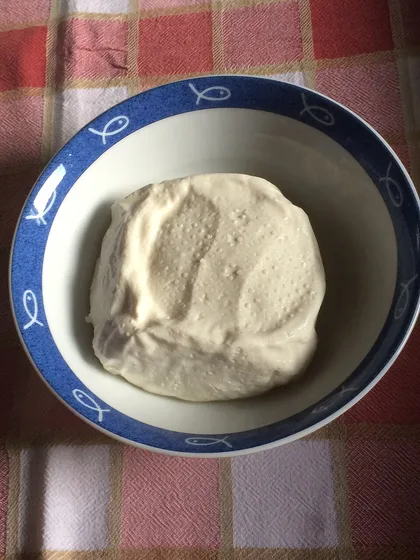 DOPSquacquerone di RomagnaSquacquerone di Romagna DOP is a fresh cow's milk cheese so soft it cannot hold a shape: it takes…
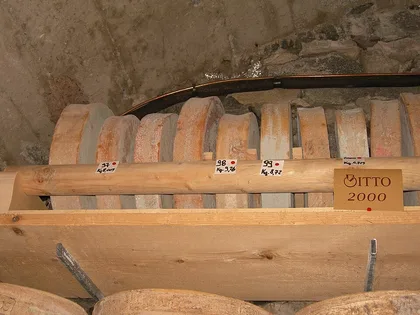 DOPBittoBitto DOP can only be made between 1 June and 30 September, on high summer pasture, in a…BasilicataCaciocavallo PodolicoCaciocavallo Podolico is made from the milk of semi-wild Podolica cattle, a rustic grey breed that…
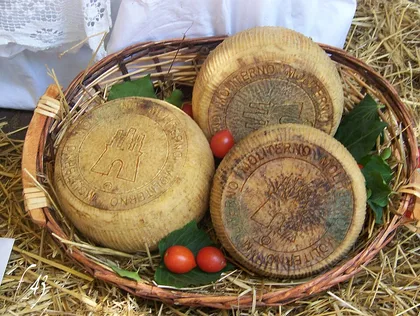 DOPCanestrato PuglieseCanestrato Pugliese DOP is a hard sheep's milk cheese from the Tavoliere plain of northern Puglia…
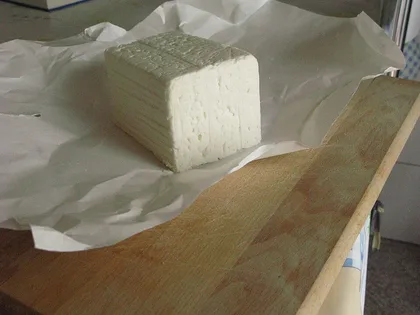 DOPQuartirolo LombardoQuartirolo Lombardo is named after quartirola, the fourth grass cut of the year in September: it…DOPRagusanoRagusano is a ten-to-sixteen-kilo rectangular block of raw-milk pasta filata cheese from the Iblei…DOPToma PiemonteseIn Piedmont, toma is not a cheese: it is a category. Dozens of different valley cheeses go by that…DOPCastelmagnoCastelmagno DOP is a crumbly, sharp alpine cheese made in just three villages of the Valle Grana in…
 SicilyProvola dei NebrodiProvola dei Nebrodi is a raw cow's milk pasta filata cheese from the mountains of north-eastern…
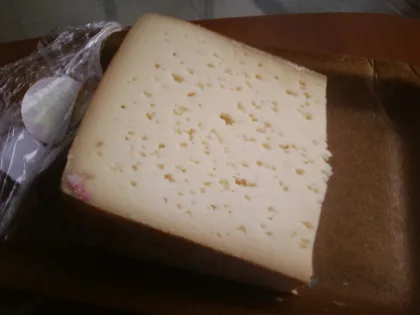 DOPPuzzone di MoenaPuzzone di Moena means 'the big stinker of Moena', and the name is earned honestly: the rind is…
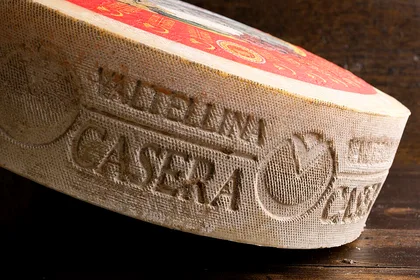 DOPValtellina CaseraValtellina Casera is made from partially skimmed milk for a specific reason: the cream went to…DOPSalva CremascoSalva Cremasco is a square, washed-rind Lombard cheese whose name means 'it saves': it was invented…DOPCasciotta d'UrbinoCasciotta d'Urbino is a two-milk cheese: 70 to 80 per cent sheep's milk, the rest cow's, a ratio…
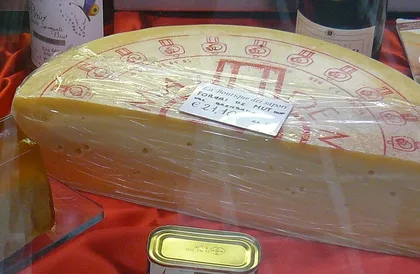 DOPFormai de MutFormai de Mut means mountain cheese in the Bergamo dialect, and it is the alpine cheese almost…
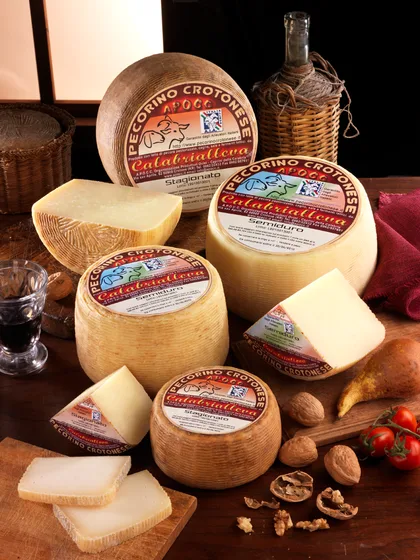 DOPPecorino CrotonesePecorino Crotonese DOP comes from the flocks that summer on the Sila plateau and winter in the clay…
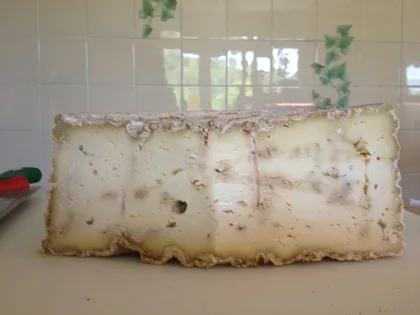 DOPStrachituntStrachitunt means 'round stracchino' in the Bergamo dialect, and behind that modest name sits the…TuscanyMarzolinoMarzolino is the fresh Tuscan sheep's cheese made from the first spring milk: marzo is March, and…
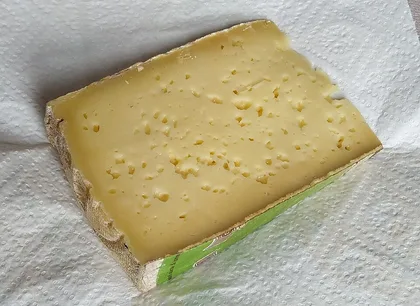 DOPOssolanoOssolano DOP comes from the Ossola valleys, the most alpine corner of Piedmont, wedged between…
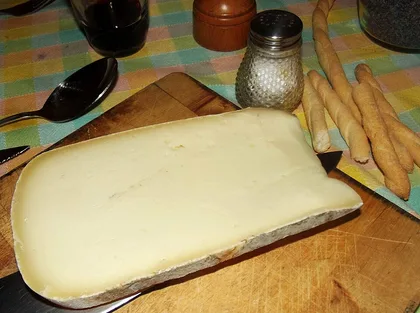 DOPRascheraRaschera is one of very few Italian cheeses made in two shapes, square and round: the square one…
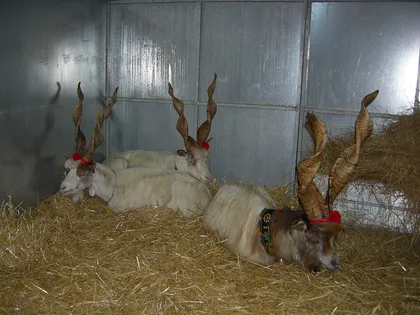 SicilyGirgentana Goat CheeseThe Girgentana is the corkscrew-horned goat of Agrigento, in south-western Sicily: white…
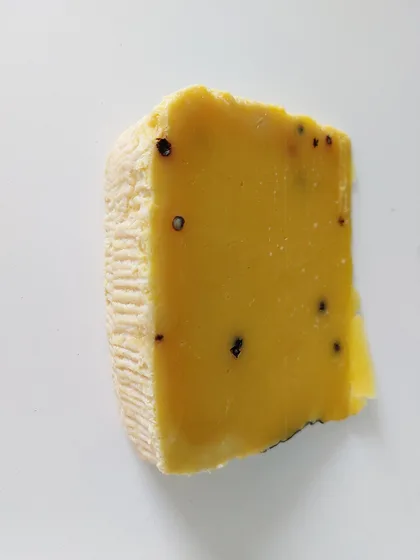 DOPPiacentinu EnnesePiacentinu Ennese is the only Italian cheese whose specification requires saffron: the paste is…
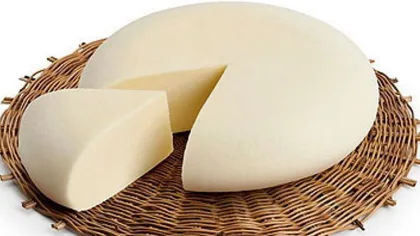 DOPVastedda del BeliceVastedda della Valle del Belìce is the only stretched-curd sheep's milk cheese in the world.
Guides: cheese
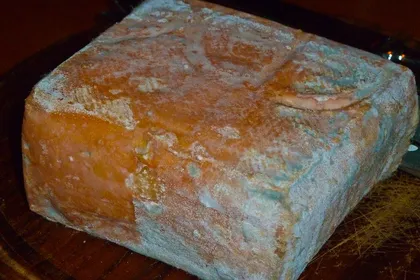 GuideCan you eat cheese rind?On some wheels the rind is the same paste, dried out. On others it is paraffin.
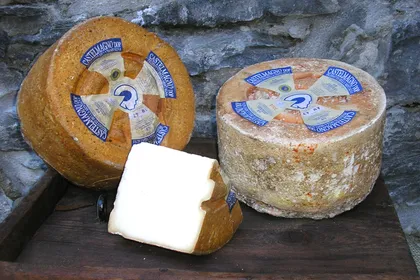 InvestigationItalian raw milk cheeses: the full listWe counted: 19 of 43 declare raw milk, and 16 of those 19 carry a protected designation.
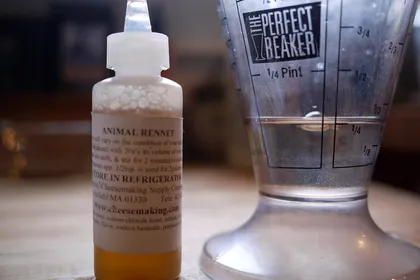 InvestigationWhich Italian cheeses are vegetarianWe counted what rennet the 43 cheeses in our atlas declare: 35 out of 43 say animal, none say…
 GuideHow long food keeps once openedThe date on the label describes the sealed package. After that, four things govern everything…
 ExplainerParmesan vs Parmigiano Reggiano: the differenceIn Europe «parmesan» evokes a protected designation and cannot be used for anything else.
 ExplainerWhich Italian cheeses contain no lactoseItaly sets a legal threshold, and long-aged cheeses clear it on their own, with no treatment…