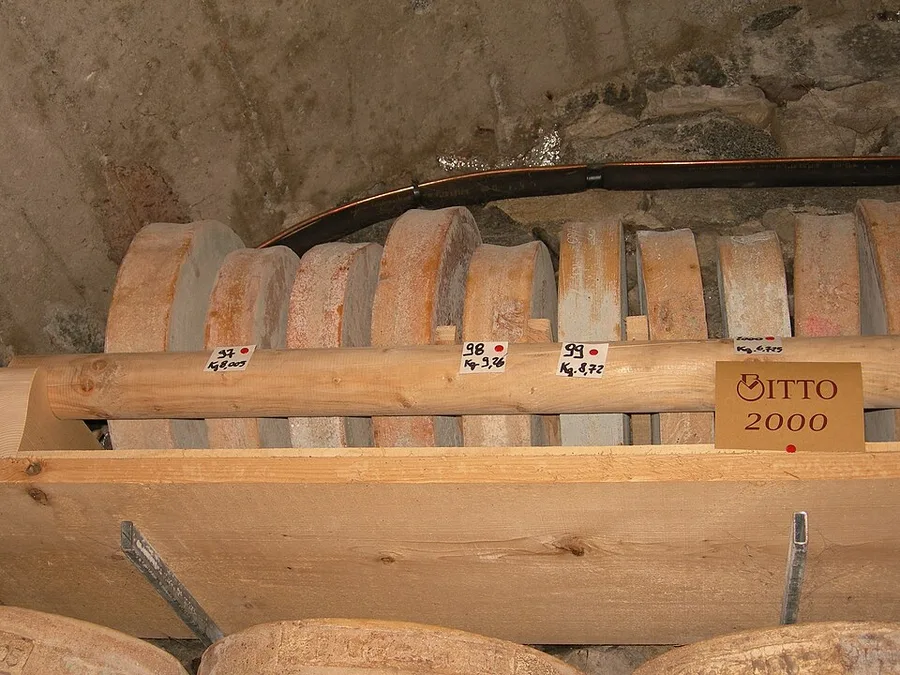
What is Bitto?
Bitto is a semi-cooked raw cow's milk cheese made exclusively on alpine summer pasture in the province of Sondrio, in Lombardy, plus a handful of mountain municipalities in the provinces of Bergamo and Lecco. Wheels run from 8 to 25 kilos, 30 to 50 centimetres across, with a concave side that is its visual signature: no other Italian cheese has those inward-curving flanks.
The DOP imposes three constraints almost no other Italian denomination accepts. Production is allowed only from 1 June to 30 September, the months the cattle are up on the mountain. The milk must be worked immediately after milking, on the pasture itself, with no transport down the valley. And up to 10% goat's milk may be added, from the Orobica breed, a native endangered mountain goat whose milk is fatty and aromatic.
Minimum ageing is 70 days, but Bitto is one of very few Italian cheeses that genuinely improves for years: five, eight, ten. Old wheels turn rock-hard and grateable, and the flavour drifts away from milk towards dried fruit, beef broth and toasted nuts.
What does it taste like?
Young Bitto, at three to six months, tastes of butter, hay and mountain herbs, with a nutty sweetness and a clean lactic finish. The texture is firm but supple, with scattered small eyes. If the wheel carried goat's milk, there is a faint tang that lifts everything without reading as goaty.
At two to three years it becomes savoury and deep, with brown-butter, hazelnut and dried-mushroom notes, tyrosine crystals that crunch, and a long finish that turns almost meaty. At five years and beyond it is closer to a very old Comté or a wheel of aged Gruyère d'alpage than to anything else Italian: intense, dry, saline in a mineral rather than salty way.
Across every age there is a herbal, alpine top note that comes from pasture rather than technique. It is the most obvious argument for why the June-to-September rule exists.
How to use it
Young Bitto is a melting cheese. In pizzoccheri, the buckwheat pasta of the Valtellina layered with cabbage, potatoes and butter, it gives short, clean strings and does not weep water. In polenta taragna it is stirred in at the end, off the heat, until the polenta turns glossy.
Past a year it stops being a cooking cheese and becomes a tasting one. Break it into shards with a knife point, serve with rhododendron or chestnut honey and walnuts, or grate a very small amount over a barley soup. Five-year wheels function almost as seasoning: a few flakes on bread and olive oil are enough.
The one rule that matters: never put it over direct heat. Above about 70C the fat separates and you are left with a rubbery mass. Layer it with hot ingredients and let residual heat do the work, or melt it in a bain-marie with a splash of milk. Take it out of the fridge thirty minutes before serving.
How long it keeps
Bitto is made to be kept, and cellars in the Valtellina hold whole wheels for years at 10 to 14 C in high humidity. A vacuum-packed piece keeps at 4 to 8 C until the date on the pack, which the seller sets. Once it is open the wrapping matters: waxed or greaseproof paper first, then a box that is not airtight, in the warmest part of the fridge. Cling film pressed straight onto the paste makes the surface sweat and go slick within days, which is the one thing to avoid.
A young piece holds two to four weeks and an aged one considerably longer. What happens over that time is drying: the cut face pales, hardens and turns slightly translucent, a thin skin forms that is pared off with a knife before serving, and at room temperature the fat beads out as small drops. Dry bloom on the rind lifts with a cloth dipped in vinegar. Freezing does not suit the paste, which crumbles when thawed and no longer slices; grated aged Bitto keeps six months at minus 18 C with a clear loss of aroma.
Spot the real thing
Look at the side of the wheel first. Bitto has a concave heel, a waist that curves inward, left by the wooden band it was pressed in, and the rind carries the Bitto mark with the year of production branded on it. The rind is thin and straw-coloured on a young wheel and turns amber to brown with age. Cut, the paste is ivory to deep straw, compact, with small scattered eyes. The goat's milk that can make up part of the mix gives a distinct edge behind the sweetness, and older wheels turn dry and nutty with crunchy crystals.
Valtellina Casera DOP is the cheese most often mistaken for it: same valley, but made in the valley dairies rather than in summer huts, with straight flat sides and a milder paste. Beyond Italy the shelf neighbours are Gruyere, Comte and Fontina, all alpine, all different animals and cures. There is also a second name to know, the Storico Ribelle from the Valli del Bitto, made only in alpeggio. Any of these costs several times a supermarket alpine wedge, and old wheels are among the most expensive cheeses in Italy.
How to pronounce Bitto
BEE-toh
Two syllables, stress on the first. The double 't' is held slightly longer than an English 't': think 'BIT-toh' with a small pause, not 'bee-toe'. It takes its name from the Bitto torrents that run down the Valgerola and the Val di Albaredo.
Bitto compared
vsBitto Storico Ribelle
The most instructive dispute in Italian cheese. When the Bitto DOP was written, the protected zone was drawn to cover the whole province of Sondrio rather than just the two Bitto valleys, and the rules permitted supplementary feed for the cows. Producers in the Valgerola and Albaredo refused both, kept working to the older, stricter method, and clashed with the Consorzio for years. The dispute ended in 2016: the rebels gave up the name Bitto and renamed their cheese Storico Ribelle, literally 'historic rebel'. It is now a Slow Food Presidium, made by roughly a dozen alpine dairies, and regularly among the most expensive cheeses in Italy. Both cheeses are real, and the argument was about how far a protected name may be stretched before it stops protecting anything.
| This | Bitto Storico Ribelle | |
|---|---|---|
| Name since 2016 | Bitto DOP | Storico Ribelle (no longer 'Bitto') |
| Zone | All of Sondrio province, plus alpine Bergamo and Lecco | Valgerola and Val di Albaredo only |
| Feed | Limited supplementary feed permitted | Pasture only, no feed at all |
| Goat's milk | Optional, up to 10%, Orobica breed | Required, Orobica breed |
| Calècc | Encouraged, not universal | Mandatory itinerant hut, moved with the herd |
| Typical ageing sold | 70 days to 3 years | 1 to 10 years |
| Producers | Dozens of alpine dairies | About a dozen |
| Price | €18-45 per kg | €40-60 per kg, far higher for old wheels |
vsValtellina Casera
The other Valtellina DOP, and the one people actually cook with every day. Casera is made year-round in valley-floor dairies from partly skimmed milk; Bitto is made only in summer, only on the mountain, from whole milk. Casera melts more willingly and costs a third as much, which is why the pizzoccheri in most restaurants use it.
| This | Valtellina Casera | |
|---|---|---|
| Season | 1 June to 30 September only | All year |
| Where made | On alpine pasture, in a calècc | In valley dairies |
| Milk | Whole raw milk, plus up to 10% goat | Partly skimmed cow's milk |
| Minimum ageing | 70 days | 70 days |
| Ageing potential | Up to 10 years | Rarely beyond 12-18 months |
| Melting | Good young, poor when old | Excellent |
| Price | €18-45 per kg | €12-18 per kg |
vsAlpine Gruyère (Le Gruyère d'Alpage AOP)
The closest non-Italian analogue, and a fair reference point for anyone who has never tasted Bitto. Both are raw-milk, semi-cooked mountain cheeses made only during the grazing season, and both age for years. Gruyère d'alpage is larger, saltier and more brothy; Bitto is more herbal, and the optional goat's milk gives it a tang Gruyère never has.
| This | Alpine Gruyère (Le Gruyère d'Alpage AOP) | |
|---|---|---|
| Origin | Valtellina and alpine Bergamo, Italy | Fribourg and neighbouring cantons, Switzerland |
| Wheel | 8-25 kg, concave sides | About 25-40 kg, straight sides |
| Goat's milk | Up to 10% permitted | Never |
| Curd temperature | 48-52C | About 54-57C |
| Flavour | Herbal, buttery, nutty | Brothy, salty, deeply savoury |
| Availability abroad | Rare, specialist only | Widely available |
Bitto substitutes
- Valtellina Casera
The right substitute for cooking. It is the everyday cheese of the same valley, melts more reliably and costs far less. Use it for pizzoccheri and polenta taragna without apology, because locals do.
1:1 - Fontina Val d'Aosta
Another Italian alpine raw-milk cheese with a similar buttery, herbal register, and much easier to buy abroad. Softer and more melting than Bitto, so it will make a looser, richer dish.
1:1 - Le Gruyère d'Alpage or Alpkäse
For eating rather than cooking, the nearest match in structure and ageing. Saltier and more brothy than Bitto, so serve it with something sweet, honey or mostarda, to bring it into balance.
1:1 - Comté aged 18-24 months
Widely available on both sides of the Atlantic and a good stand-in for two-year Bitto on a board. It lacks the goat's-milk tang; a squeeze of nothing will fix that, so simply accept a rounder, sweeter cheese.
1:1 - Asiago d'allevo stagionato
The budget Italian option. Firmer and blunter, without the herbal complexity, but it grates and melts in the same places and is stocked in most Italian delis.
1:1 - Vegetarian: microbial-rennet alpine-style cheeses
Bitto DOP is never vegetarian: the specification requires calf rennet, as do Gruyère, Comté and Fontina. Look instead for British or American alpine-style wheels explicitly labelled 'suitable for vegetarians' or 'microbial rennet'; several farmhouse creameries in both countries make aged tommes that behave the same way in a pizzoccheri bake.
1:1
Where to buy it
Bitto is a genuinely scarce cheese, and total DOP output is small: a few hundred tonnes a year against tens of thousands for the big industrial names. In the US it appears at Murray's Cheese, Formaggio Kitchen, Eataly and specialist importers, usually at $30 to $50 per pound, and often only in autumn when the summer wheels come down.
In the UK, Italian delicatessens, La Fromagerie and online alpine-cheese specialists carry it at roughly £40 to £70 per kilo. Storico Ribelle is rarer still and priced accordingly.
Buy on two pieces of information: the vintage year, which is branded on the rind, and whether the wheel is Bitto DOP or Storico Ribelle. Both are worth buying; they are not the same cheese and should not be the same price. Check the concave side: it is the quickest authenticity test there is.
Where to eat it in Italy
Gerola Alta and Albaredo per San Marco, in the Valgerola, are the villages of the Bitto valleys. The collective ageing cellar in Gerola Alta holds wheels going back years and can be visited; in summer you can walk up to alpine pastures where the calècc is still in use and the morning milk is being worked at 1,800 metres.
Morbegno, at the mouth of the valley, hosts the Mostra del Bitto every October: part fair, part competition, part market, and running since 1906. It is the one day of the year when dozens of vintages sit side by side.
On the Bergamo side, the upper Val Brembana (Valtorta, Ornica, Mezzoldo, Foppolo) is inside the DOP zone and is reached over the Passo San Marco, the old Priula road built by Venice to link Bergamo with the Valtellina. Many pastures sell directly through the summer.
Further reading
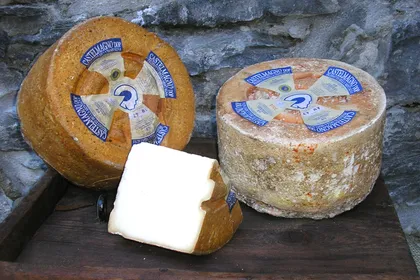 InvestigationItalian raw milk cheeses: the full listWe counted: 19 of 43 declare raw milk, and 16 of those 19 carry a protected designation.
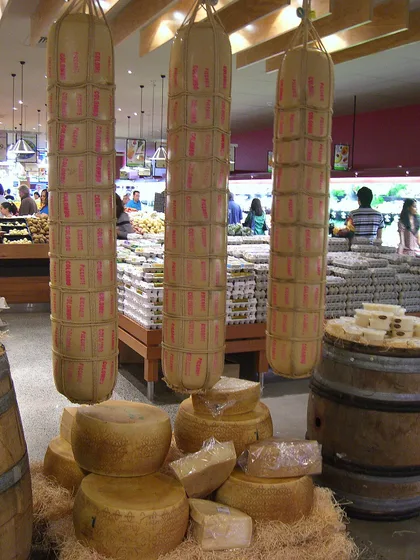 ExplainerWhich Italian cheeses contain no lactoseItaly sets a legal threshold, and long-aged cheeses clear it on their own, with no treatment involved.
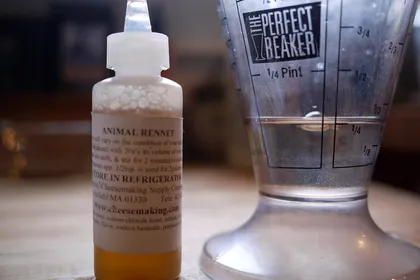 InvestigationWhich Italian cheeses are vegetarianWe counted what rennet the 43 cheeses in our atlas declare: 35 out of 43 say animal, none say otherwise.
Frequently asked questions
What is the difference between Bitto DOP and Storico Ribelle?
They were the same cheese until a long dispute split them. Producers in the Valgerola objected that the DOP zone had been widened to the whole province of Sondrio and that supplementary feed was permitted. In 2016 they gave up the name Bitto and renamed their cheese Storico Ribelle, working to stricter rules: two valleys only, pasture-only feed, compulsory Orobica goat's milk and an itinerant calècc.
Why is Bitto only made in summer?
Because the DOP allows production only from 1 June to 30 September, while the herds are on high pasture, and requires the milk to be transformed on the mountain immediately after milking. Outside that window there is no pasture and no Bitto.
Does Bitto contain goat's milk?
It may. The DOP permits up to 10% goat's milk from the native Orobica breed; it is optional, and the label or the producer will tell you. In Storico Ribelle it is compulsory.
Is Bitto vegetarian?
No. The specification requires calf rennet. The same is true of Fontina, Gruyère and Comté, so alpine-style cheeses explicitly labelled as made with microbial rennet are the practical alternative.
How long can Bitto age?
Longer than almost any other Italian cheese: ten-year wheels are made, sold and prized. Past three years it becomes hard and crystalline and is used in shards or grated in small quantities rather than melted.
Sources
Where to check what you just read.
- 1
Il regolamento del 1º luglio 1996 che iscrive «Bitto» fra le DOP: il nome protetto è secco, e questo spiega la contesa con i produttori storici.
- 2
Il disciplinare in PDF: obbligo di lavorazione in alpeggio nel periodo estivo, quota della percentuale di latte caprino, stagionatura minima.
- 3Consortium · interested partyConsorzio per la Tutela dei Formaggi Valtellina Casera e Bitto
Il consorzio di Sondrio che tutela entrambe le DOP valtellinesi: alpeggi iscritti, produttori aderenti e marchiatura delle forme.
Related foods
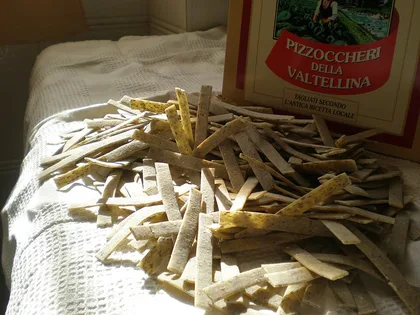 Pasta and breadPizzoccheriBuckwheat rather than wheat, which is where the dark colour and the nutty taste come from.Pasta and breadPolenta TaragnaPolenta taragna is the dark alpine polenta of Lombardy: cornmeal cut with buckwheat flour, stirred for the…
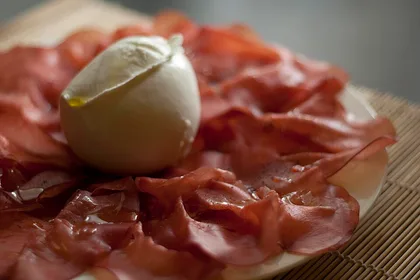 Cured meatsBresaolaOne lean muscle from the hind leg, dry-cured with salt, pepper, juniper and cinnamon, then left in the dry…
 CheeseTaleggioTaleggio DOP is a square, washed-rind cow's milk cheese from the Bergamo Alps, aged at least 35 days.
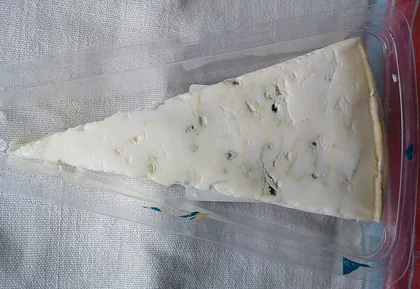 CheeseGorgonzolaThe green veining is the product, not a flaw anyone tolerates: it grows from a mould added to the milk and…
 CheeseGrana PadanoNine months is the floor the specification sets before a wheel may carry the name.
 CheeseProvoloneProvolone is a stretched-curd cow's milk cheese from northern Italy, rope-tied and hung to age in shapes from…
 CheeseRobiolaRobiola is a family of soft young cheeses from north-west Italy rather than a single cheese.