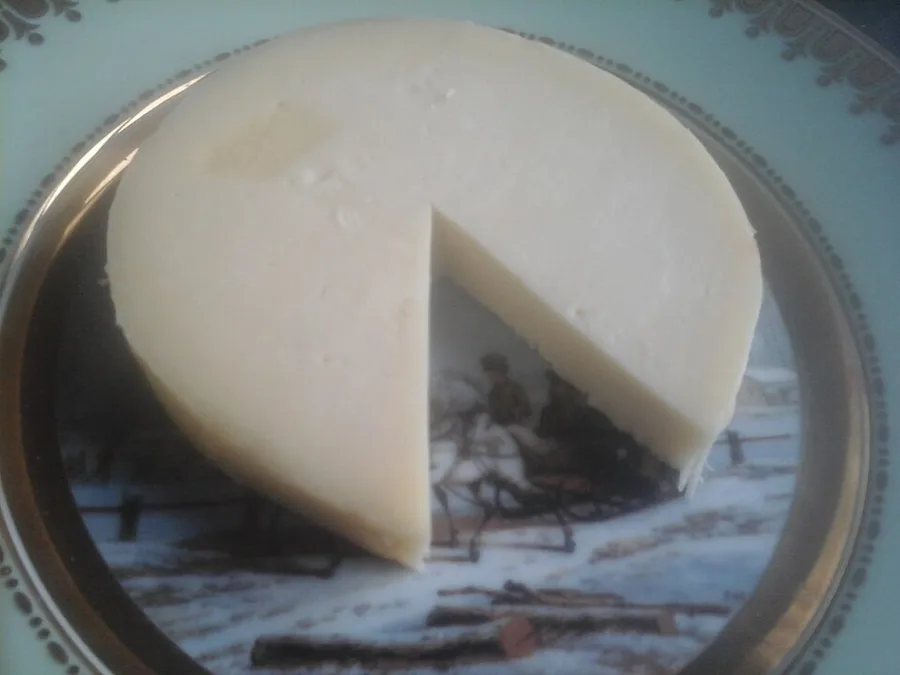
What is Provolone?
Provolone is pasta filata: the curd is cut, left to acidify, then plunged into near-boiling water and stretched until it becomes a glossy, elastic mass that can be shaped, tied with rope and hung. Same technique as mozzarella and caciocavallo, but built to age rather than to be eaten the day it is made.
Provolone Valpadana DOP, protected since 1996 and overseen by a consortium based in Cremona, is the protected name. Production runs across the Po Valley (Cremona, Brescia, Bergamo, Lodi, Piacenza) and into the Veneto around Verona, Vicenza, Padua and Rovigo.
The split between dolce and piccante is decided on day one, at the rennet. Dolce uses liquid calf rennet and stays milky and supple, aged one to three months. Piccante uses rennet paste from kid or lamb, which carries lipase enzymes that break down milk fat into free fatty acids. Those acids are the sharpness. Longer ageing, from three months to well over a year, deepens it, but no amount of ageing will make a calf-rennet cheese taste piccante.
Provolone del Monaco DOP is a separate cheese entirely: from the Lattari mountains above the Amalfi Coast, made largely from Agerolese cow's milk and aged at least six months.
What does it taste like?
Dolce tastes of warm milk and butter with a faint tang at the end, like a firmer, drier low-moisture mozzarella that has been given time to think. Mild, springy, slightly sweet, salt in the background. It is a good sandwich cheese and an excellent melting cheese, and nothing about it is challenging.
Piccante is a different animal. The first note is still milk, then the lipase flavours arrive: a sharp, peppery, faintly goaty prickle at the back of the throat, closer to a young pecorino or a sharp provola than to cheddar. Well-aged pieces develop crunchy tyrosine crystals and a savoury, almost meaty depth. It is properly salty and should tingle: if it merely tastes strong and salty, it was not made with rennet paste.
Both versions are firm rather than crumbly, and both slice cleanly. Smoked versions exist; the smoke is light and was historically about protecting the rind rather than flavouring the cheese.
How to use it
Dolce is one of the great melting cheeses. Cut it two centimetres thick and put it on a screaming-hot griddle for three minutes a side: the surface crusts and the inside goes molten. Italian emigration carried this preparation to Argentina, where it acquired its own name, provoleta, and is served with dried oregano and olive oil.
It also does the ordinary work well: sandwiches, gratins, stuffed meat rolls, baked pasta, and the filling of Sicilian rice balls. It browns without going oily.
Piccante is a seasoning as much as a cheese. Grate it over pasta with beans or lentils, shave it over bitter greens, cube it into bread dough. It is genuinely salty, so cut the salt elsewhere in the dish.
Off the heat, serve dolce with pears, grapes or figs, and piccante with chestnut honey or Cremona mostarda, the candied-fruit mustard preserve made a few streets from where the consortium sits. Take either out of the fridge an hour before serving.
How long it keeps
A vacuum-sealed piece keeps at 4 to 8 C up to the date printed on the pack, which is the maker's figure. Once it is open, wrap it in waxed or greaseproof paper and put it in a box that is not airtight, in the least cold part of the fridge. Dolce holds its texture for roughly one to two weeks; piccante, drier and saltier to begin with, holds for several weeks. Cling film pressed on the cut face traps moisture and makes it slick within a day or two, so paper first, plastic only around the paper.
What happens over time is drying and fat migration. The cut face pales, hardens and turns slightly translucent, oil beads out if the piece sits warm, and a thin skin forms that can be pared off with a knife. On the rind, dry bloom lifts with a cloth dampened in vinegar. Freezing suits it badly, since the paste crumbles when thawed and no longer slices cleanly; grated piccante keeps six months at minus 18 C with some loss of aroma.
Spot the real thing
The shape is the first clue, because the Italian cheese is hung in ropes and keeps the marks: a salame cylinder, a pear, a melon or a giant torpedo, with a thin smooth rind, straw to amber, often waxed, and a rope groove near the neck. Cut it and the paste is compact and pale ivory, with a faint layered grain left by the stretching. Look for Provolone Valpadana DOP or Provolone del Monaco DOP on the label, plus the piccante or dolce wording, which reflects the rennet used and not just the age.
Outside Italy the word travels loosely. American deli provolone is a domestic factory cheese sold in flat sandwich rounds, mild and rubbery, with no origin mark, and it is what most counters mean by the name. Smoked versions and pear-shaped caciocavallo, which carries a small head above a tie mark, are separate things again. A DOP wheel imported by the piece costs several times the sliced deli block, and the piccante commands more than the dolce.
How to pronounce Provolone
proh-voh-LOH-neh
Four syllables, stress on the third, and the final 'e' is a clear 'eh'. English and Italian-American usage has settled on 'pro-vuh-LOH-nee', which turns the ending into an Italian plural that does not exist here, and American delis often shorten it to 'pro-vo-LOAN'. Neither is wrong in an American sandwich shop; neither will sound right in Cremona.
Provolone compared
vsProvolone piccante (dolce vs piccante)
The most useful comparison, and the one almost every English-language source gets wrong by describing it as a matter of ageing. It is a matter of rennet. Dolce is coagulated with liquid calf rennet; piccante with rennet paste made from the stomach of an unweaned kid or lamb, which brings lipase enzymes into the cheese. Those enzymes split the milk fat and release the volatile fatty acids that produce the sharp, peppery, slightly barnyard bite. Ageing then amplifies what the rennet started.
| This | Provolone piccante (dolce vs piccante) | |
|---|---|---|
| Rennet | Liquid calf rennet | Kid or lamb rennet paste, with lipase |
| Decided | At coagulation, day one | At coagulation, day one |
| Ageing | 1-3 months | 3 months to 2 years or more |
| Texture | Supple, elastic, slices soft | Drier, flakier, tyrosine crystals |
| Flavour | Milky, buttery, faintly sweet | Sharp, peppery, tingling, goaty |
| Best use | Melting, grilling, sandwiches | Grating, shaving, eating with mostarda |
| Price per kg | €10-14 | €14-25+ |
vsAmerican deli provolone
Same family tree, different cheese. American provolone is made in large factories from pasteurised milk, aged for weeks rather than months, often smoked, and cut into square slices for sandwiches. It is mild, pliable and reliable. Italian Provolone Valpadana DOP is aged longer, tied and hung in traditional shapes, and in the piccante version tastes nothing like anything in a US supermarket.
| This | American deli provolone | |
|---|---|---|
| Protected name | Provolone Valpadana DOP | None: a generic cheese name in the US |
| Ageing | 1-24+ months | 2 weeks to 4 months typically |
| Milk | Whole cow's milk, raw or thermised | Pasteurised, often standardised |
| Smoke | Optional and light | Common, often stronger |
| Shape | Salami, pear, cone, melon, rope-tied | Loaf, for square slices |
| Flavour range | Milky to genuinely sharp | Mild to medium sharp |
| Price per lb | $16-25 imported | $8-14 |
vsCaciocavallo
The southern ancestor. Same stretched-curd technique, but caciocavallo predates provolone by centuries, is shaped like a teardrop with a tied neck and hung in pairs over a beam, which is where the name comes from, not from horses. Provolone is the Po Valley's late-nineteenth-century industrial descendant, made at scale in a region with surplus milk.
| This | Caciocavallo | |
|---|---|---|
| Where | Po Valley: Lombardy, Veneto, Emilia | The south: Campania, Basilicata, Puglia, Calabria, Sicily |
| Age of the tradition | Late 1800s | Documented since the Middle Ages |
| Shape | Many: salami, cone, pear, melon | Teardrop with a tied head, hung in pairs |
| Typical weight | 0.5 kg to 100 kg | 1-3 kg |
| Minimum ageing | 1 month for dolce | 3 months, often much longer |
| Flavour | Milky or sharp, depending on rennet | Nutty, grassy, more consistently robust |
Provolone substitutes
- Provolone dolce, for melting
If a recipe wants sharp provolone and you only have mild, add a small amount of grated pecorino or aged asiago to restore the bite. The melt will be identical.
1:1, plus 10% pecorino by weight - Caciocavallo
The closest cheese in technique and behaviour, and increasingly easy to find abroad. Slightly nuttier and grassier. Melts and grills the same way.
1:1 - Scamorza (plain or smoked)
A younger stretched-curd cheese with less salt and less depth. Best when the job is melting rather than flavouring: grilled cheese, baked pasta, stuffed meat.
1:1, and season a little more - Low-moisture mozzarella plus provolone piccante
A working trick for pizza and baked dishes: mozzarella supplies the stretch, a small amount of grated piccante supplies the flavour that mozzarella lacks.
4 parts mozzarella : 1 part piccante - Aged asiago or young pecorino, for grating
When the recipe calls for provolone piccante as a seasoning rather than a melting cheese, either works. Pecorino is saltier and sheepier; asiago is closer in milk but blunter.
1:1 for asiago, 0.7:1 for pecorino - Vegetarian: microbial-rennet pasta filata
Provolone DOP is never vegetarian: both types use animal rennet, and in the piccante the rennet paste is the defining ingredient. Several dairies outside the DOP make stretched-curd cheeses with microbial rennet; they melt well but cannot reproduce the lipase sharpness, so add a pinch of finely ground black pepper and a squeeze of lemon in cooked dishes.
1:1
Where to buy it
In the US, look for 'Provolone Valpadana DOP' on the label rather than the word provolone alone, which is a generic cheese name there. Eataly, Whole Foods cheese counters, DiBruno Bros, Murray's and online importers carry it at 16 to 25 dollars a pound. Ask specifically for piccante, because most counters default to dolce or to domestic provolone.
In the UK, Italian delicatessens and online cheesemongers stock it at 20 to 30 pounds a kilo; Ocado and larger supermarkets carry mild versions. La Latteria, Lina Stores and I Camisa in London are reliable for the aged piccante.
What to check: the consortium mark branded or applied on the rind, the words dolce or piccante, the rope marks in the rind, and a pale straw paste with no widespread holes. Small white crunchy crystals in an aged piece are tyrosine and a good sign, not a fault.
Buy a wedge cut from a whole form rather than a vacuum pack where you can: pre-sliced provolone in a plastic sleeve is almost always the young generic type.
Where to eat it in Italy
Cremona, the seat of the consortium, is where the local pairing lives: sharp provolone against mostarda, the syrupy mustard-spiked candied fruit the city is known for. It is one of the most successful sweet-and-sharp combinations in northern Italian food.
Dairies across the lower Brescia and Lodi plains sell small whole forms direct, and tasting a dolce and a piccante one after the other is the fastest way to understand what the rennet does.
In the Veneto, osterie in Verona and Vicenza put grilled provolone on the antipasto list, with olive oil and black pepper. And if you go south, the Provolone del Monaco is worth the detour to Agerola and Vico Equense above the Amalfi Coast: a different cheese, named for the dark monk-like cloaks its makers wore crossing the bay by night to reach the Naples market.
Further reading
 GuideCan you eat cheese rind?On some wheels the rind is the same paste, dried out. On others it is paraffin.
 InvestigationProtected names vs common names: PDO and PGIEuropean protection attaches to a name in full, and that name is almost always longer than the one used at…
 InvestigationWhich Italian cheeses are vegetarianWe counted what rennet the 43 cheeses in our atlas declare: 35 out of 43 say animal, none say otherwise.
Frequently asked questions
What is the difference between provolone dolce and piccante?
The rennet, decided on the first day. Dolce uses liquid calf rennet and stays mild and milky; piccante uses kid or lamb rennet paste, which carries lipase enzymes that break down milk fat and create the sharp, peppery bite. Longer ageing intensifies it but cannot produce it.
How do you pronounce provolone?
proh-voh-LOH-neh, stress on the third syllable, with the final 'e' pronounced as 'eh'. The common English 'pro-vuh-LOH-nee' adds an Italian plural ending that does not belong on this word.
Is Italian provolone the same as American provolone?
No. In the US, provolone is a generic name for a mild, factory-made, often smoked sandwich cheese aged for weeks. Provolone Valpadana DOP is a protected northern Italian cheese, aged one to twenty-four months or more, and in its piccante form is considerably sharper than anything sold as provolone in an American supermarket.
Is provolone vegetarian?
No. Both types use animal rennet, and in the piccante version the kid or lamb rennet paste is the ingredient that defines the cheese. Stretched-curd cheeses made with microbial rennet exist but cannot use the DOP name and cannot reproduce the sharpness.
What is the best provolone for melting?
Dolce. It melts smoothly without splitting and browns well, which is why it works on a griddle, in baked pasta and inside stuffed meat. Use piccante when you want flavour rather than stretch, and consider mixing a little of it into low-moisture mozzarella for pizza.
Sources
Where to check what you just read.
- 1
Nell'allegato del 12 giugno 1996 la DOP è «Provolone Valpadana»: il provolone senza specificazione non è una denominazione protetta.
- 2
Il disciplinare del Provolone Valpadana in PDF: caglio di vitello per il dolce e caglio di capretto o agnello per il piccante, pezzature e stagionature.
- 3Consortium · interested partyConsorzio Tutela Provolone Valpadana
Il consorzio nato nel 1975: differenze fra dolce, piccante, affumicato e stagionato, filatura, zona delimitata e caseifici autorizzati.
Related foods
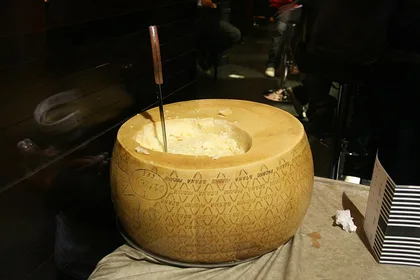 CheeseGrana PadanoNine months is the floor the specification sets before a wheel may carry the name.
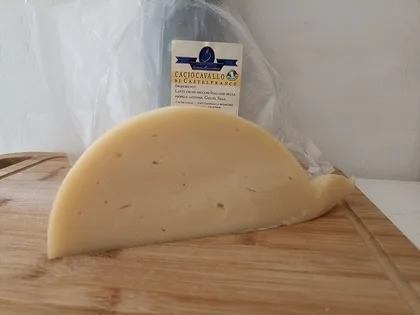 CheeseCaciocavalloCaciocavallo is a stretched-curd cow's milk cheese from southern Italy, aged in a distinctive gourd shape…
 CheeseAsiagoOne name covers two cheeses nobody would mistake for each other at the counter.
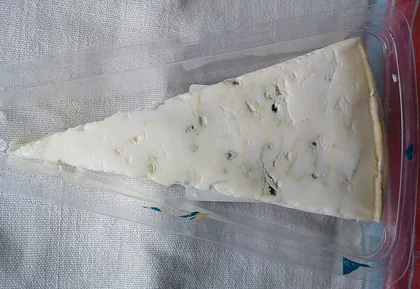 CheeseGorgonzolaThe green veining is the product, not a flaw anyone tolerates: it grows from a mould added to the milk and…
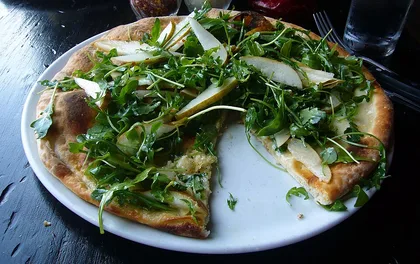 CheeseTaleggioTaleggio DOP is a square, washed-rind cow's milk cheese from the Bergamo Alps, aged at least 35 days.
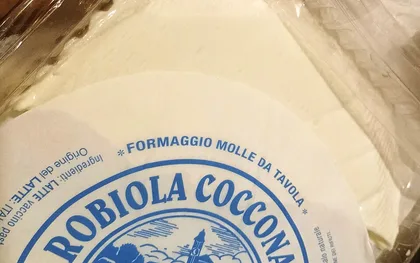 CheeseRobiolaRobiola is a family of soft young cheeses from north-west Italy rather than a single cheese.
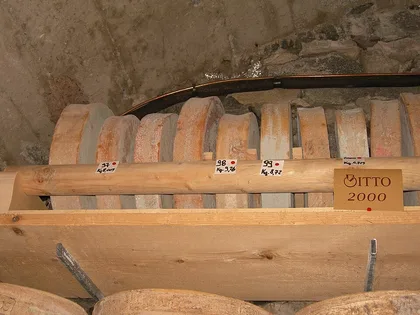 CheeseBittoBitto DOP can only be made between 1 June and 30 September, on high summer pasture, in a dismantlable stone…
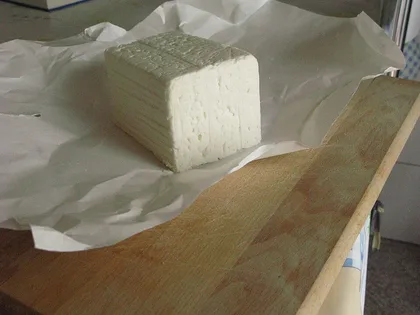 CheeseQuartirolo LombardoQuartirolo Lombardo is named after quartirola, the fourth grass cut of the year in September: it was made…