What to eat in Naples
Naples means pizza, but the everyday cuisine is slow sauces and clever poverty: onion-heavy genovese, six-hour ragù, pasta with potatoes and smoked provola, fried street food by the paper cone. The pastry (sfogliatella, babà, pastiera) is the best in Italy.
Naples was the capital of a kingdom for more than six centuries, and it still cooks two cuisines at once. One came from the monsù (the French chefs of the noble households, the word a local mangling of monsieur) and left behind rice timbales, potato gateaux and elaborate baked moulds. The other came from the alleys: pasta, field greens, pulses and frying. That second one is what travelled around the world.
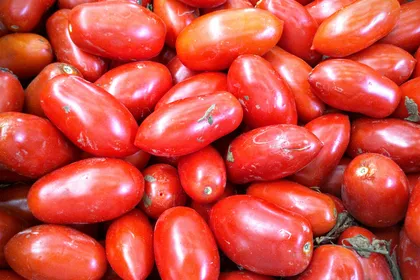
Tomatoes are not simply an ingredient here. They arrived from South America, found the volcanic soil of the plain below Vesuvius, and rewrote the local kitchen in the eighteenth century. San Marzano is long and low in water, bred for preserving; piennolo del Vesuvio is small and concentrated, hung in bunches on a string and kept all winter. Neapolitans use them for different things and do not mix them up.
The third thing to understand is that a great deal of eating in Naples happens standing up, and not because anyone is rushing. The paper cone of fried things, the pizza folded into quarters and eaten in the street, the fried pasta cake, the sfogliatella bought at a counter at eight in the morning: there is an entire food economy outside restaurants that costs a few euros and is frequently better than what you will be served sitting down in the tourist centre. Compared with Rome, expect more tomato, more sea, more frying and noticeably lower prices.
The dishes of Naples
Pizza napoletana
Flour, water, salt and yeast, long-fermented, stretched by hand leaving a puffed rim, baked in 60 to 90 seconds in a wood oven at around 450°C. The two canonical versions are marinara (tomato, garlic, oregano, oil, no cheese) and margherita. The centre should stay soft and slightly wet, which is why it is folded in four and eaten by hand rather than attacked with a knife.
Ragù napoletano
Nothing like the Bolognese version. Whole cuts of meat (pork ribs, beef rolls stuffed with raisins and pine nuts, a shin) are simmered in tomato for six or seven hours until the sauce turns almost black. The sauce dresses hand-snapped ziti as a first course; the meat is eaten afterwards as the main. The playwright Eduardo De Filippo wrote a poem insisting it is not simply meat in tomato sauce.
Genovese
Six or seven kilos of onions cooked down for hours with a piece of beef until they melt into a pale, sweet, savoury cream. It has nothing to do with Genoa (the name probably came from an innkeeper) and it is the single most underrated dish in the city. Served on broken ziti or candele with grated pecorino. Order it if you see it.
Sartù di riso
A rice timbale dressed with ragù, lined with breadcrumbs and packed with tiny meatballs, peas, fiordilatte cheese, boiled egg and mushrooms. It is the legacy of the court's French chefs, who had to persuade a pasta-eating city to accept rice. Reserved for occasions; finding it on a neighbourhood menu is a good sign about the kitchen.
Parmigiana di melanzane
Fried aubergine slices layered with tomato, basil, fiordilatte and grated cheese, then baked. The Neapolitan version has no breading and no béchamel, and the aubergines are salted to draw out water before frying. It is better the next day, served warm rather than hot, and it is one of the few completely vegetarian classics here.
Sausage and friarielli
Friarielli are the flowering tops of a local turnip green, bitter and thin-stemmed, sautéed hard with garlic, oil and chilli. With grilled sausage they form the definitive winter pairing, and they also go on pizza and into sandwiches. Season runs November to March; out of season they are frozen, and you can taste it.
Pasta e patate con la provola
Mixed odds and ends of pasta (sold deliberately as pasta mista) cooked with potatoes in very little liquid until the whole thing turns creamy, with cubes of smoked provola stirred in off the heat so they string. Cheap, filling, and a fair test of any trattoria: get this right and the rest usually follows.
Spaghetti alle vongole
Clams from the bay, garlic, olive oil, parsley, pepper, no cheese and usually no tomato. The trick is finishing the drained pasta in the filtered clam liquor so the starch binds it into a light sauce. This is the traditional first course on Christmas Eve, when the meal is meat-free.
Fried street food
The cuoppo is a paper cone of potato croquettes, dough fritters, fried polenta slices and small fish. The frittatina is a solid disc of bucatini, béchamel, ham and peas, breaded and deep-fried. Pizza fritta is a sealed, fried pizza filled with ricotta, pork cracklings and provola. Each costs between one and five euros and none requires a table.
Polpo alla Luciana
Octopus cooked very slowly in a sealed terracotta pot with cherry tomatoes, oil, garlic and chilli, with no water added: it cooks in its own liquid. Named after the old fishing quarter of Santa Lucia, below the castle. The leftover sauce dresses spaghetti the following day and is arguably the better dish.
Local products
Three products dominate. San Marzano tomatoes DOP, grown on the volcanic plain between Sarno and Nocera, are long and dry-fleshed and exist for preserving. Piennolo del Vesuvio DOP cherry tomatoes are small and thick-skinned, hung in bunches indoors and kept through winter. Mozzarella di bufala campana DOP comes from the buffalo herds of the Volturno and Sele plains and should be eaten the day it is made, at room temperature, never straight from the fridge, which kills it.
Around them: smoked provola, friarielli greens, papaccella peppers pickled in vinegar, Amalfi Coast and Sorrento lemons IGP, Vesuvian apricots, Sorrento walnuts, and colatura di alici from Cetara DOP, the amber anchovy sauce descended from Roman garum. The city drinks Falanghina and Greco di Tufo among whites, Aglianico and Piedirosso among reds, and Lacryma Christi from the slopes of Vesuvius in both colours.
Sweets and pastries
The sfogliatella comes in two forms Neapolitans never confuse. Riccia is built from paper-thin layers of rolled pastry that shatter when you bite; frolla is a smooth, soft shortcrust shell. Both hold the same filling of semolina, ricotta, candied peel and cinnamon. It was created in a convent on the Amalfi Coast and brought to the city in 1818 by Pasquale Pintauro, whose shop still stands on Via Toledo. The babà, a yeasted sponge soaked in rum, arrived with the French chefs and became taller and wetter here than anywhere else.
The calendar is strict: pastiera at Easter, a ricotta and cooked-wheat tart scented with orange flower water, baked on Thursday so it can rest until Sunday; fried zeppole on 19 March for St Joseph; struffoli, roccocò, mostaccioli and susamielli at Christmas; migliaccio at Carnival. Historic addresses: Attanasio behind the central station for sfogliatelle still hot from the oven, Scaturchio on Piazza San Domenico Maggiore, Leopoldo for babà and taralli, and Poppella in the Sanità district for the fiocco di neve, a small cream-filled bun invented there that became a citywide obsession.
Where to try them
The Pignasecca market behind Montesanto is the most Neapolitan place in the city: fish, vegetables, frying stalls, mozzarella counters, all of it working from dawn. Porta Nolana, near the station, is the fish market proper: loud, wet and entirely uninterested in visitors. The Rione Sanità is the neighbourhood to walk slowly, between pastry shops, butchers and the trattorias that brought people back to an area long written off.
For pizza: Via dei Tribunali holds Sorbillo and Di Matteo; Da Michele has been on Via Cesare Sersale since 1870 and serves only two kinds; Starita is up in Materdei, Concettina ai Tre Santi in the Sanità, and Antica Pizzeria Port'Alba, opened in 1738, claims to be the oldest in the world. Expect to queue in the street with a numbered ticket; turnover is fast.
For street food, the fry shops of the Quartieri Spagnoli and Vico Lungo Gelso do cuoppi, Fiorenzano at the Pignasecca does fried pizza, and the stalls selling 'o pere e 'o musso (boiled calf's foot and snout with salt and lemon) remain the bravest thing on offer. To sit down: Sanità and the Quartieri for value, Chiaia for higher prices and calmer rooms, Vomero for family trattorias, Borgo Marinari for fish with a view of the bay.
When to go
Winter is the strongest season for cooking from the land: friarielli, broccoli, the escarole-and-meat soup eaten at Christmas, Sunday ragù. On 24 December the meal is meat-free (clams, fried eel, the vinegary insalata di rinforzo) and the meat arrives on the 25th. Every fry shop makes zeppole on 19 March. At Easter, pastiera is everywhere, bought on Friday and eaten on Sunday.
May to September is best for fish and buffalo mozzarella, with Vesuvian apricots ripening from late June. Naples Pizza Village takes over the seafront promenade for around ten days in June with dozens of historic pizzerias. On 19 September, the feast of San Gennaro, the city stops. In December the nativity-figure workshops of San Gregorio Armeno become impassable, but the pastry shops around them are at full tilt.
Food tours and classes here
Guides that cover this city
Frequently asked questions
What should I eat in Naples besides pizza?
Genovese (pasta with a slow-cooked onion and beef sauce), Neapolitan ragù made with whole cuts of meat, pasta e patate with smoked provola, aubergine parmigiana, and fried street food from a cuoppo. For pastry, a sfogliatella riccia in the morning and a babà after dinner.
How much does pizza cost in Naples?
A marinara runs 4 to 6 euros and a margherita 5 to 8, even at the famous historic pizzerias in the centre. With a drink and the cover charge you should leave for under 15 euros a head. A central menu asking double that is priced for visitors, not for the neighbourhood.
What is the difference between sfogliatella riccia and frolla?
The filling is identical: semolina, ricotta, candied citrus and cinnamon. The shell is not. Riccia is made of many thin rolled layers and shatters into flakes; frolla is a smooth, soft shortcrust case. Eat riccia warm, straight from the oven, and eat it standing at the counter.
Is street food in Naples safe to eat?
Yes. The fry shops turn over stock constantly and everything is cooked to order at high temperature. Follow the usual rule anywhere: choose stalls with a queue of locals and visible frying, rather than trays of food sitting under a lamp.