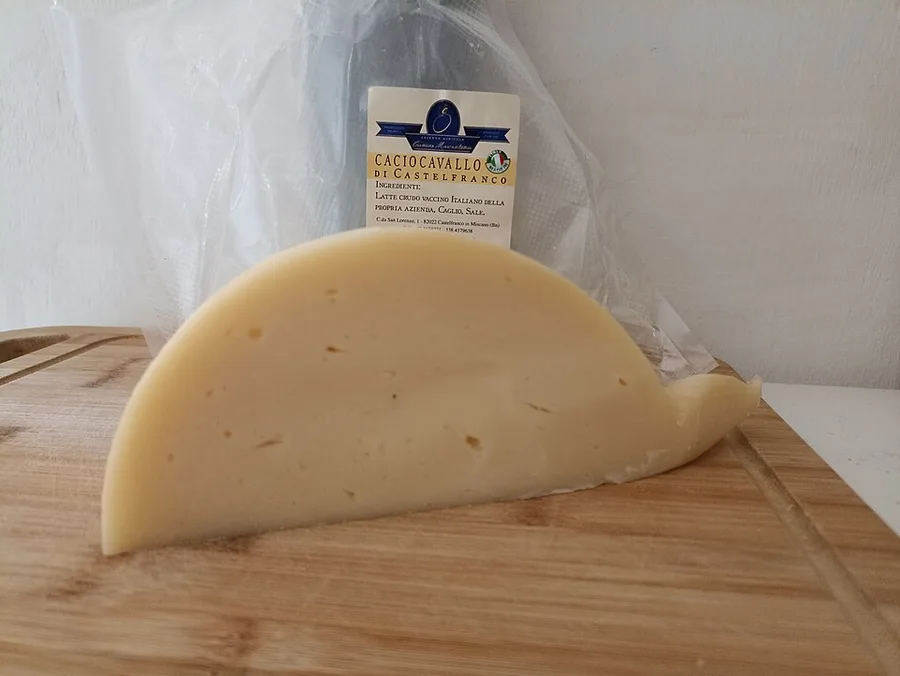
What is Caciocavallo?
Caciocavallo is a pasta filata cheese: the curd is plunged into near-boiling water and stretched by hand until it turns glossy and elastic, exactly as it is for mozzarella. What separates the two is everything that happens next. Mozzarella is eaten within days; caciocavallo is brined, tied in pairs and hung to age for anything from one month to four years, and in that time it turns firm, sharp and deeply savoury.
The shape is the giveaway: a teardrop or gourd body pinched near the top into a small round head. That pinch existed for a practical reason: two cheeses were tied together with cord and slung astride a beam to dry, and 'a cavallo', astride or on horseback, is the most credible origin of the name. There is no horse milk involved, despite what half the internet says.
Since 1993 the name Caciocavallo Silano has been protected as a DOP covering five southern regions. Outside the DOP there is a whole world of local caciocavalli, including the extraordinary Caciocavallo Podolico made from the milk of a rare grazing breed.
What does it taste like?
Young caciocavallo, at one to three months, is mild, milky and faintly tangy, with a springy texture close to a good young provolone or a firm mozzarella that has lost its water. Nothing aggressive, but a clean lactic sweetness that keeps you going back.
At six months to a year it changes character completely: the paste tightens, the salt comes forward and you get butter, toasted hazelnut and a slow, building sharpness at the back of the palate. If the maker used kid rennet, that sharpness turns properly piccante: the same pepperiness you find in aged provolone piccante, but rounder.
Caciocavallo Podolico aged two years or more is in another category altogether: candied citrus peel, dried hay, brown butter, sometimes a whiff of woodsmoke, with tyrosine crystals crunching between the teeth. It is one of the great cheeses of Europe and almost nobody outside Italy has heard of it.
How to use it
Young caciocavallo is a melting cheese. Slice it thin over a baked pasta, layer it into an aubergine parmigiana, put it in a toasted sandwich, or scatter it over roast potatoes for the last ten minutes. It melts smoothly and stringily without splitting into oil, which is more than can be said for a lot of aged cheeses.
The best single thing you can do with a semi-aged piece takes three minutes: cut slices a centimetre thick, put them in a dry non-stick pan over high heat, and let each side form a lacquered brown crust while the inside goes molten. Eat with bread and a spoonful of chilli honey. This is the dish that converts people.
Aged over a year, treat it as you would pecorino: grate it over pasta with a rich meat ragù, over bean and chicory soups, over cavatelli with broccoli rabe. It is less salty than pecorino romano, so you can use more of it.
Whole small wheels can be grilled the Basilicata way: caciocavallo impiccato, literally 'hanged caciocavallo'. Suspend it on a hook above embers, turn it constantly, and catch the melting edge on slices of bread as it drips.
How long it keeps
Keep a cut piece in the least cold part of the refrigerator, the vegetable drawer, wrapped in cheese paper or a clean cotton cloth. Plastic film pressed on the surface is the thing to avoid: stretched curd holds a lot of water, and sealed against the film it sweats and turns strong. A young caciocavallo is a two-week piece once cut; an aged one holds a month. A whole uncut form is a different proposition and keeps for months hanging in a cool cellar at 12 to 15 degrees with decent humidity, which is how the cheese was designed to be kept, and it goes on ageing there.
What happens in the meantime is water leaving. The paste hardens, the flavour concentrates and grows sharper, and the texture shifts from elastic to flaky. The cut face dries first, darkening into a firm edge that gets trimmed off before slicing, and a rind that dries out can be wiped with a lightly oiled cloth. Freezing costs a young cheese its stretch, so it suits only the hard aged kind, and then already grated. Dates belong to the label and the dairy.
Spot the real thing
Start with the shape. A caciocavallo is an oval or pear-shaped body with a clean waist and a small round head on top, still carrying the groove left by the cord it hung from. A wheel or a plain ball is something else stretched from the same curd. The rind should be thin, smooth and even, pale straw when young and amber to hazel with age, slightly oily on older pieces and creased where the paste was pulled. Cut across, the paste is compact and near enough eyeless, ivory to straw, flaking a little in aged pieces; a deep buttery yellow points to pasture milk, and Podolico can reach ochre. Caciocavallo Silano DOP is fire-branded on the body with its dairy code.
Provolone is the usual confusion abroad: also stretched curd, but far larger, cylindrical or torpedo-shaped, often smoked or made piccante with lipase. Scamorza is the young, soft, small relative, ragusano the Sicilian rectangular block, and American and Argentine cheeses sold under the name are their own thing. It should smell of cooked milk, butter and hay. Expect 12 to 20 dollars a pound at an Italian deli.
How to pronounce Caciocavallo
kah-choh-kah-VAL-loh
Five syllables, stress on the fourth. The 'cio' is soft, like the 'cho' in 'chocolate', not 'see-oh'. The double L is held slightly longer than an English L. Common errors: 'kah-see-oh-cavallo' and 'katchy-oh-cavallo'. And no, the 'cavallo' does not mean it is made from horses.
Caciocavallo compared
vsProvolone
Same technique, same family, different geography and different scale. Both are stretched-curd cheeses aged after brining; caciocavallo is southern, small and pear-shaped, provolone is northern-industrial, enormous and shaped like a salami or a torpedo. In a recipe they are close enough to swap, but the flavours diverge with age.
| This | Provolone | |
|---|---|---|
| Home | Southern Apennines: Basilicata, Calabria, Molise, Campania, Puglia | Po Valley (Provolone Valpadana DOP), originally southern |
| Shape | Gourd or teardrop with a pinched head | Salami, melon, cone or torpedo |
| Weight | 1 to 2.5 kg | 1 kg to over 100 kg for a giganti |
| Rennet | Kid or lamb, sometimes calf | Calf for dolce, kid for piccante |
| Ageing | 30 days minimum, often 6-24 months | 10 days to 12 months for most wheels |
| Flavour | Buttery, nutty, sharpening slowly | Milder when dolce, aggressively sharp when piccante |
| Melting | Excellent when young | Excellent, slightly stringier |
vsScamorza
The two are made the same way and even look related, since both are pasta filata with a pinched neck, but scamorza is dried for days, not aged for months. It is the everyday cheese; caciocavallo is the keeping cheese.
| This | Scamorza | |
|---|---|---|
| Ageing | 1 month to 4 years | A few days to two weeks |
| Texture | Firm to hard, flaking when old | Soft, springy, still moist |
| Flavour | Nutty, savoury, sharp with age | Mild, milky, gently salty |
| Smoked version | Rare | Very common (scamorza affumicata) |
| Best use | Table cheese, grating when aged, grilling | Melting, grilling, baking |
| Price | Higher | Lower |
vsCaciocavallo Podolico
Not a different cheese but a different raw material. Podolica cattle are a lean, semi-wild grazing breed that yield a fraction of the milk of a Friesian, and only in the months when the hillsides are in flower. The cheese that results is rarer, yellower and vastly more expensive.
| This | Caciocavallo Podolico | |
|---|---|---|
| Milk | Mostly Friesian or Bruna Alpina herds | Podolica cattle only, free grazing |
| Season | Year round | Milk collected roughly May to July |
| Yield | 25-30 litres per cow per day | 5-6 litres per cow per day |
| Colour | Ivory to pale straw | Deep yellow to ochre |
| Typical ageing | 3 to 18 months | 12 months to 4 years |
| Price per kg | €11-28 | €45-90 and up |
| Protection | DOP as Caciocavallo Silano | No DOP; some Slow Food Presidia |
Caciocavallo substitutes
- Provolone piccante
The closest match by a distance, and the easiest to find outside Italy. Aged provolone has the same stretched-curd structure and a comparable sharpness; it melts almost identically.
1:1 - Kasseri (Greek) or kaşar (Turkish)
A pasta filata cheese from the same Mediterranean lineage, widely stocked in Greek and Middle Eastern shops. Milder than aged caciocavallo but structurally right, and it grills beautifully.
1:1 - Aged scamorza or aged mozzarella (scamorza stagionata)
For melting applications only. Drier and blander than caciocavallo, so add a little grated pecorino to compensate for the missing depth.
1:1, plus 10% pecorino by weight - Aged Gouda (12-24 months)
Not the same family, but for a grating or table use it hits similar notes of butterscotch, nut and crystalline crunch. Sweeter and less salty, so season the dish accordingly.
1:1 for grating, not for melting - Vegetarian: microbial-rennet provolone-style cheese
Caciocavallo Silano DOP is made with kid or lamb rennet and is never vegetarian. Several US and UK dairies now make vegetarian-rennet provolone-style and 'Italian-style' stretched-curd cheeses that behave the same way in the pan.
1:1 - Vegetarian: aged vegetarian Gouda or Gruyère-style
Where the recipe wants a firm melting cheese rather than caciocavallo specifically, a vegetarian-rennet aged Gouda covers it. Check the label: 'suitable for vegetarians' is the only reliable marker.
1:1
Where to buy it
In the US, look in Italian delis and any well-stocked cheese counter: Eataly, Di Bruno Bros, Murray's and Zabar's all carry it, and Buon'Italia and Gustiamo ship the Silano DOP nationwide. Expect roughly 14 to 22 dollars per pound for a good aged Silano, and 40 dollars a pound or more for Podolico when it appears at all.
In the UK, Italian delicatessens and online importers such as Natoora and Ham & Cheese Co. list it, and it turns up in the cheese rooms of larger Waitrose branches. Prices run about £22 to £38 per kilo for Silano DOP.
What to check: the DOP is fire-branded onto the rind of the Caciocavallo Silano, along with the dairy's code. If a shop sells you a rindless block labelled simply 'caciocavallo', it may well be a generic pasta filata with no connection to the protected cheese. Ask for the age too, because 'caciocavallo' unqualified usually means young, and young is not what most recipes want.
Where to eat it in Italy
Basilicata is the heartland for eating it rather than buying it. Matera's restaurants and bakeries pair it with peperoni cruschi and the local sourdough bread; the villages of the Pollino and the Val d'Agri run summer festivals built around caciocavallo impiccato over open fires.
Calabria's Sila plateau is where the DOP takes its name. San Giovanni in Fiore, Camigliatello Silano and Acri still have dairies working milk from herds that summer on the high pastures, and most of them will let you taste before buying.
For Podolico, head to the Gargano promontory in Puglia, the Cilento in Campania, or inland Irpinia: the villages around Castel del Monte in Abruzzo and Bagnoli Irpino are where the best-aged wheels stay local. In Naples, the historic cheese shops of the Pignasecca market keep a rotating stock of southern caciocavalli worth a detour.
Further reading
 ExplainerWhich Italian cheeses contain no lactoseItaly sets a legal threshold, and long-aged cheeses clear it on their own, with no treatment involved.
 InvestigationItalian raw milk cheeses: the full listWe counted: 19 of 43 declare raw milk, and 16 of those 19 carry a protected designation.
 GuideHow long food keeps once openedThe date on the label describes the sealed package. After that, four things govern everything: water, salt…
Frequently asked questions
Is caciocavallo made from horse milk?
No. It is a cow's milk cheese. The name almost certainly comes from the practice of tying two cheeses together and hanging them astride ('a cavallo') a wooden beam to age. The horse-milk story is folklore.
Is caciocavallo vegetarian?
Caciocavallo Silano DOP is not: the disciplinare requires kid or lamb rennet, both animal-derived. Some non-DOP producers use microbial rennet, and several US and UK dairies make vegetarian stretched-curd cheeses that work as substitutes, but you must check the label.
What is the difference between caciocavallo and provolone?
Both are aged stretched-curd cheeses made the same way. Caciocavallo is southern, weighs one to two and a half kilos and is shaped like a gourd with a pinched head; provolone is associated with northern Italy, comes in far larger salami-shaped wheels, and is sold as dolce or piccante depending on the rennet used.
Does caciocavallo melt well?
Young caciocavallo melts exceptionally well: smooth, stretchy and stable, which is why it is a standard cheese for baked pasta and stuffed breads in southern Italy. Wheels aged over a year become grating cheeses and will separate if you try to melt them.
How long does caciocavallo age?
The DOP minimum is thirty days. Most of what is sold is three to six months old; aged versions run twelve to twenty-four months, and rare Podolico wheels are kept for three or four years.
Sources
Where to check what you just read.
- 1
L'atto del 1996 che riconosce come DOP «Caciocavallo Silano»: la denominazione tutelata è questa, non il caciocavallo in generale.
- 2
I vincoli tecnici in vigore: latte crudo o riscaldato fino a 58 °C, massimo quattro mungiture dei due giorni precedenti, stagionatura minima di 30 giorni e marchiatura a fuoco del numero di produttore.
- 3Consortium · interested partyConsorzio di tutela
Il consorzio nato nel dicembre 1993 con sede a Spezzano della Sila: conferma l'estensione della DOP alle cinque regioni e raccoglie l'elenco della filiera.
Related foods
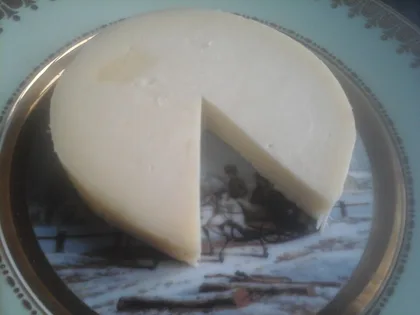 CheeseProvoloneProvolone is a stretched-curd cow's milk cheese from northern Italy, rope-tied and hung to age in shapes from…
 CheeseScamorzaScamorza is cow's-milk pasta filata that has been tied off into a pear shape and hung to dry for one to two…
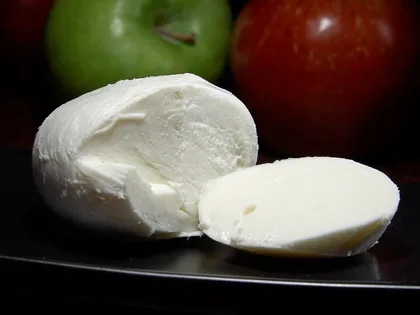 CheeseMozzarellaThe name is a verb before it is a cheese: mozzare means to lop off, which is what the cheesemaker does by…
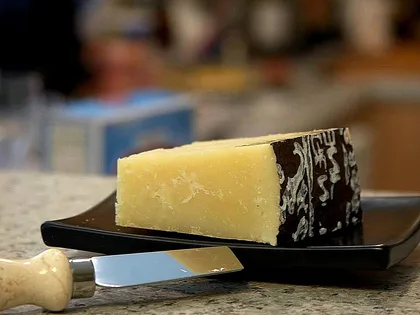 CheesePecorino RomanoPecorino Romano DOP is a hard, dry-salted sheep's milk cheese aged at least five months, made in Sardinia…CheeseCaciocavallo PodolicoCaciocavallo Podolico is made from the milk of semi-wild Podolica cattle, a rustic grey breed that yields…
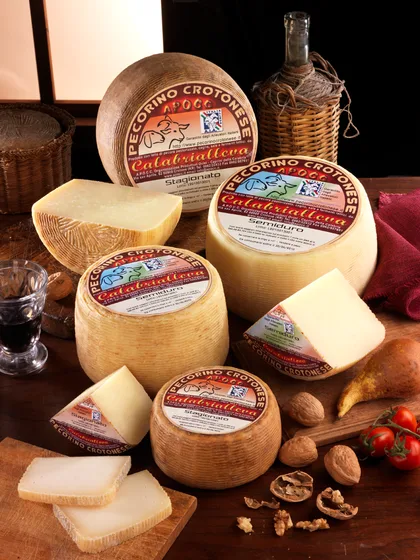 CheesePecorino CrotonesePecorino Crotonese DOP comes from the flocks that summer on the Sila plateau and winter in the clay hills of…
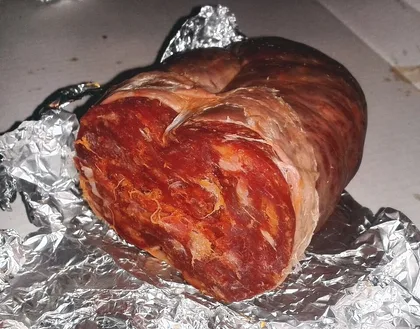 Cured meatsSoppressataSoppressata is a coarse-ground dry salami from southern Italy, pressed flat between boards while it dries…
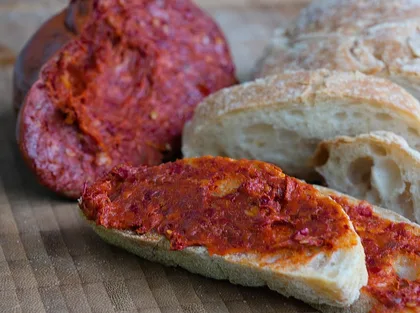 Cured meats'Nduja'Nduja is a soft, spreadable Calabrian pork salume that is up to 40% chilli.