Which Italian cheeses contain no lactose
Italy sets a legal threshold, and long-aged cheeses clear it on their own, with no treatment involved. What the measured numbers say, and why ricotta is the exact opposite case.
By the Agrofood.it editorial team · 6 August 2026 · 5 min read · 5 sources
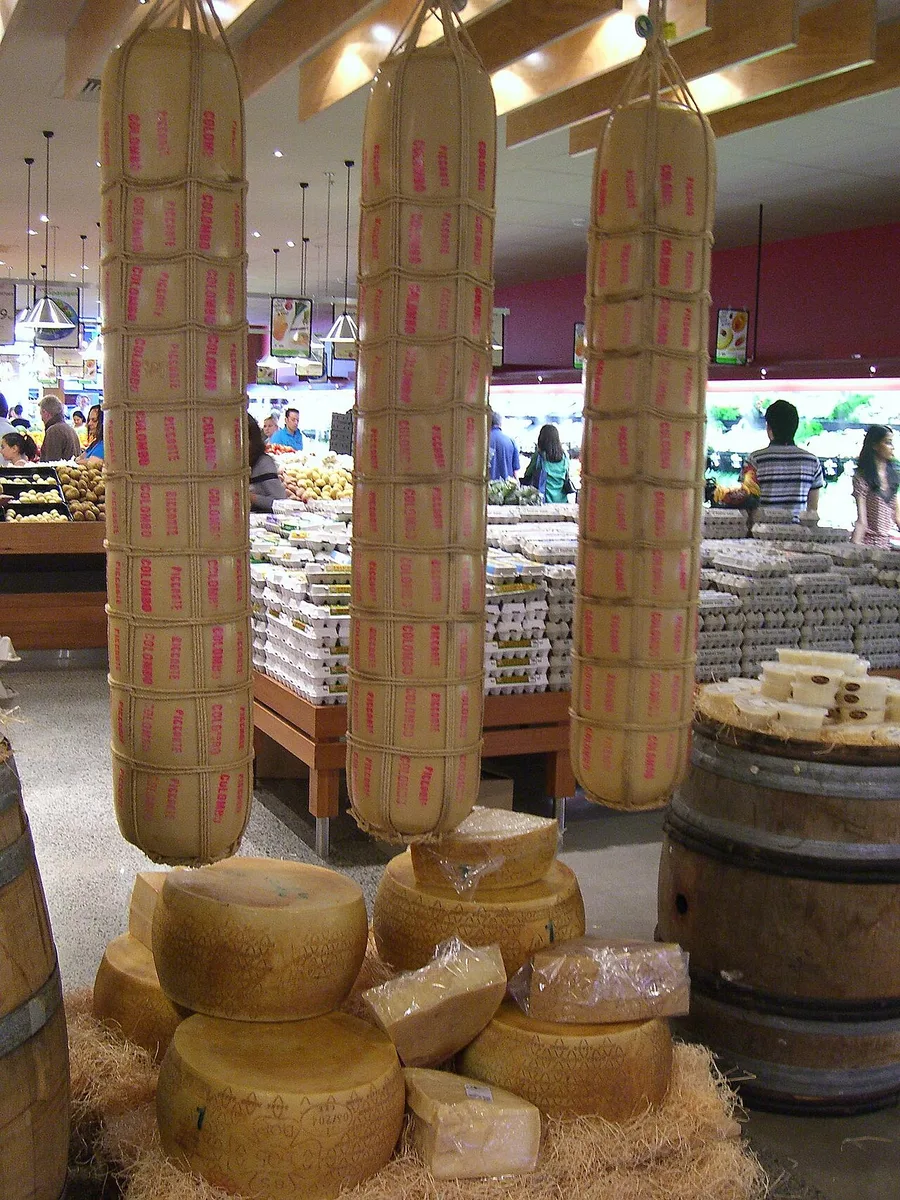
First, what lactose-free actually means
It is a number, not a marketing phrase. In 2015 the Italian Ministry of Health set out in two circulars when a dairy product may carry the claim: residual lactose must be below 0.1 g per 100 g of product. Below that line a product may be labelled lactose-free; between 0.1 and 0.5 it is low-lactose.
There is a second rule that almost nobody mentions and that changes how you read a label. When the absence of lactose is not the result of a treatment but of the way that cheese has always been made, the label has to say so: the correct wording is naturally lactose-free, together with a note that this follows from the production process itself. These are two different things, and you can see the difference at the counter. A lactose-free mozzarella has been processed. A Parmigiano has not.
Why lactose disappears from an aged cheese
Lactose is the sugar in milk, and it leaves a cheese by two routes. The first is mechanical: when the curd separates from the whey, lactose is water-soluble and stays largely in the whey, which is drained off. What remains in the paste is already small.
The second route is biological and does the heavy lifting. Lactic acid bacteria, present in the milk and in the starter whey, feed on that residual lactose and turn it into lactic acid. It is the same process that gives cheese its acidity, and in hard pastes it carries on until no sugar is left. This is not a side effect of ageing. It is what ageing is.
Hence the rule that holds across Italy, and holds because of how the cheese is built rather than what it is called: the harder and older the cheese, the less lactose it contains. The fresher and wetter, the more it keeps.
The measured numbers, not impressions
The most precise figure exists for Parmigiano Reggiano, because the Consortium had the glycolysis measured in a laboratory. The result: 48 hours after production, the wheel contains 0.004 g of lactose per 100 g. The legal threshold is 0.1. That puts Parmigiano Reggiano twenty-five times below the limit two days into its life, when it still has at least twelve months of ageing ahead before it can carry the name at all.
Analyses using more sensitive methods, on wheels between one and thirty-six months, found values lower still. This is why the Consortium describes it as naturally lactose-free regardless of ageing, and not only in the very old wheels.
The case is worth knowing because it dismantles a common assumption. It is not that cheese slowly sheds lactose as it ages, so that you should hunt for the most extreme ageing. In cooked hard pastes the work is essentially finished within days. Long ageing is about flavour, not about this.
Where lactose is effectively absent
The test is not the name of the cheese but how it is built: a hard or semi-hard paste, cooked or semi-cooked, and months of ageing written into the production specification. Parmigiano Reggiano belongs here, with a minimum of twelve months, and so does Grana Padano at a minimum of nine. So do the hard sheep's milk cheeses, Pecorino Romano among them, aged at least five months for the table and eight for grating, along with the aged Sardinian and Tuscan pecorini.
The hard mountain cheeses fall in the same family, from Bitto to Fontina, as do the aged pasta filata cheeses such as caciocavallo and the sharp version of provolone, where the months of rest do the same job.
Gorgonzola is a case of its own: a blue cheese with an uncooked paste, whose specification requires at least fifty days for the mild version and eighty for the sharp. Less than a hard paste, but long enough for lactic fermentation to have run a long way.
Where lactose stays, and ricotta above all
At the far end sit the fresh cheeses, the ones eaten within days: mozzarella, stracchino, crescenza, fresh robiola, mascarpone. The bacteria have had no time to do their work, and the paste is wet, so it holds on to the water in which lactose is dissolved.
Ricotta deserves its own paragraph, because it is the exact reverse of everything above. Ricotta is not a cheese. It is not made from the curd but from the whey, which is precisely the liquid where lactose concentrated when the curd was drawn off. That is why, of everything on the dairy counter, it is the one that holds the most. Anyone who avoids ricotta out of habit while grating Parmigiano without a second thought is, without knowing it, being perfectly consistent.
The question nobody answers: lactose is not casein
Look at what people actually discuss when they search for these cheeses and a second question sits underneath almost every thread: casein. The two are worth separating, because confusing them leads to wrong choices in both directions.
Lactose is a sugar. Casein is the main protein in milk, and it is literally the substance a cheese is made of: curd is coagulated casein. So a very long-aged cheese can be free of lactose and at the same time one of the most casein-rich foods there is. The two do not move together, and no amount of ageing removes casein from a cheese.
This is where we stop, at facts about composition. What any individual person tolerates is not a question a food atlas can answer: it is specific to the person, it is settled with a doctor, and it cannot be read off a label.
Treated or naturally free: telling them apart
Two categories sit side by side in the shop and look identical. On one side, products made lactose-free by treatment, usually by adding the enzyme lactase, which splits lactose into glucose and galactose. These are nearly always milk, yoghurt, fresh cheeses and pasta filata: products that would otherwise contain it. They cost more and they say so on the label.
On the other side, cheeses that fall below the threshold on their own. When the producer chooses to mention it, the label reads naturally lactose-free, often with the measured figure, for instance less than 0.01 g per 100 g. Italian rules also require flagging the galactose that remains as a product of the transformation.
The practical consequence: paying a premium for a Parmigiano labelled lactose-free buys nothing, because a Parmigiano is lactose-free anyway. Paying it for a mozzarella or a carton of milk buys an actual process.
The short of it
- The Italian threshold is under 0.1 g of lactose per 100 g, set by the Ministry of Health in 2015.
- In Parmigiano Reggiano the Consortium measures 0.004 g per 100 g at 48 hours: twenty-five times below the limit, before ageing has even begun.
- The real test is not the cheese's name but its structure: a hard, cooked paste aged for months.
- Ricotta is the opposite case because it is made from whey, the liquid where lactose concentrated.
- Lactose and casein are different things: no amount of ageing removes casein.
- On a hard cheese, a lactose-free label adds nothing. On milk or mozzarella it does.
Frequently asked questions
Does Parmigiano Reggiano contain lactose?
Consortium analyses measure 0.004 g of lactose per 100 g as early as 48 hours after production, against a legal threshold of 0.1 g. This is why it is described as naturally lactose-free regardless of ageing, which the production specification sets at a minimum of twelve months.
Is Grana Padano lactose-free?
Grana Padano is a cooked hard paste with a minimum ageing of nine months under its specification, so it belongs to the same family as Parmigiano Reggiano: lactic fermentation has consumed the milk sugar. The exact figure is declared by the producer when they choose to print it.
Does mozzarella contain lactose?
Yes, more than aged cheeses do. It is a fresh pasta filata cheese eaten within days, and its paste holds the water in which lactose is dissolved. This is why lactase-treated mozzarella exists, while a treated hard cheese would make no sense.
Why does ricotta have more lactose than cheese?
Because it is not cheese. It is made by reheating whey, the liquid left when the curd is drawn off, and that is exactly where lactose concentrates. It is the reason it holds more than anything else on the dairy counter.
Is a lactose-free cheese also casein-free?
No, and this is the most common confusion. Lactose is a sugar and disappears with fermentation; casein is the protein the cheese is made of and stays. A heavily aged cheese can be free of lactose and extremely rich in casein at the same time.
Is it worth buying Parmigiano labelled lactose-free?
In terms of composition it changes nothing: a Parmigiano Reggiano sits below the threshold anyway, by construction. The wording is information, not an extra process.
Sources
Where to check what you just read.
- 1
Riporta per esteso le circolari del Ministero della Salute del 2015 e le due soglie: sotto 0,1 g per 100 g «senza lattosio», fra 0,1 e 0,5 «a ridotto contenuto».
- 2Consortium · interested partyConsorzio Parmigiano Reggiano, caratteristiche nutrizionali
Da qui viene il dato di 0,004 g di lattosio per 100 g a 48 ore, con le analisi sulla glicolisi. È il consorzio che vende il prodotto, quindi il numero va letto sapendolo.
- 3
L'atto che registra Parmigiano Reggiano, Grana Padano, Pecorino Romano e Gorgonzola come denominazioni protette.
- 4
Il registro ministeriale da cui risalire ai disciplinari, e quindi alle stagionature minime citate qui.
- 5
La cornice europea dell'etichettatura dentro cui si collocano le circolari italiane.
The foods behind this
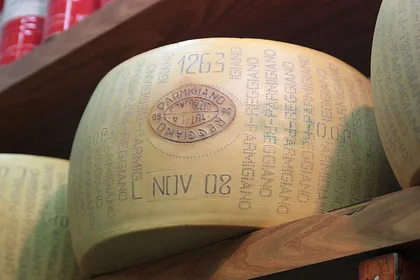 CheeseParmigiano ReggianoThree ingredients and no additives of any kind are permitted: raw cow's milk, salt and calf rennet, from five…
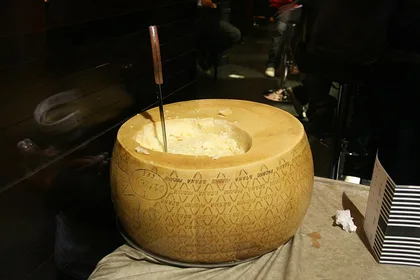 CheeseGrana PadanoNine months is the floor the specification sets before a wheel may carry the name.
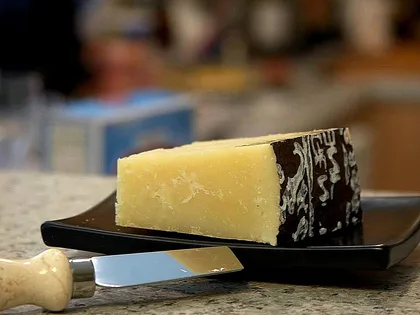 CheesePecorino RomanoPecorino Romano DOP is a hard, dry-salted sheep's milk cheese aged at least five months, made in Sardinia…
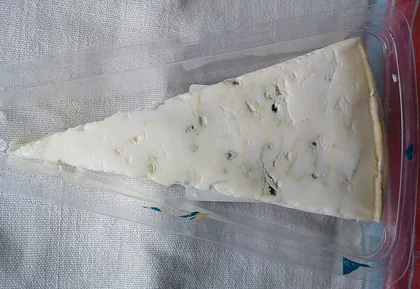 CheeseGorgonzolaThe green veining is the product, not a flaw anyone tolerates: it grows from a mould added to the milk and…
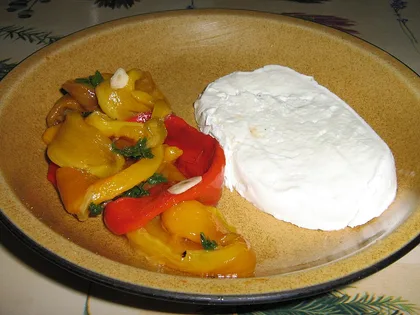 CheeseBuffalo MozzarellaMozzarella di Bufala Campana DOP is made from the whole raw milk of Italian Mediterranean water buffalo…
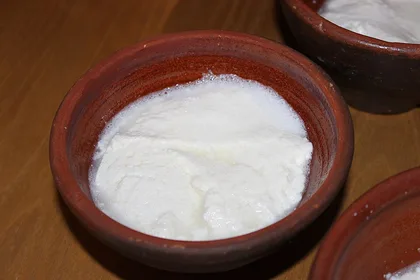 CheeseRicottaRicotta is not a cheese. It is a dairy product made from whey, the liquid left over after cheese has been…