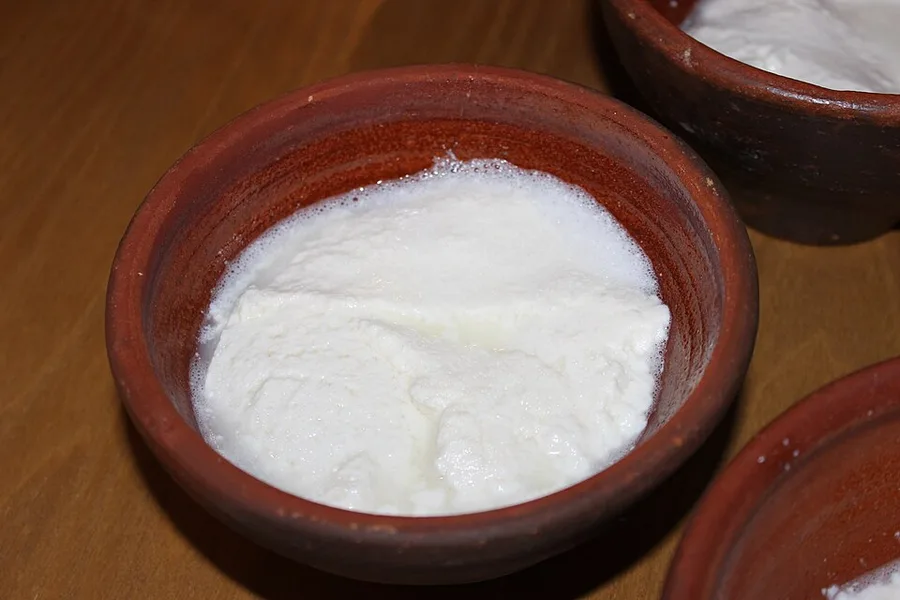
What is Ricotta?
Ricotta is made by reheating whey, the greenish liquid that stays in the vat after the curd has been lifted out to become cheese. This matters more than it sounds. Cheese is made by coagulating casein with rennet or acid; by the time the whey is left, the casein has gone off with the cheese. What sets in ricotta is the whey proteins (lactalbumin and lactoglobulin), which denature at around 85-90 °C and float to the surface in soft flakes.
So ricotta is legally a latticino, a dairy product, not a cheese, in both Italian and EU classification. Calling it a cheese is not a crime, but it misses the point: ricotta began as a way of rescuing a by-product. It was what shepherds ate while the pecorino went to market.
The name is literal. Ricotta means cooked again: the milk was heated once to make the cheese, and the leftover whey goes back on the fire a second time. A hundred litres of whey yields roughly four to seven kilos, depending on whether the original milk came from cows, sheep or buffalo.
Most dairies now add a little whole milk back to the whey, up to ten or fifteen per cent, to raise the yield and the creaminess. It is permitted and widespread, and it is why some industrial ricotta is denser and richer than the mountain version.
What does it taste like?
Clean, milky and faintly sweet, with almost no salt and no tang. It is the mildest thing in the Italian dairy repertoire, closer to warm milk than to cheese, and the texture is granular rather than smooth, made of tiny soft flakes that break apart on the tongue.
Sheep's ricotta, the kind used across Sicily and Lazio, is a different experience: richer, whiter, distinctly sweeter, with a lanolin-adjacent depth at the back that cow's milk never has. Buffalo ricotta is creamier still, with a faint iron note. Cow's ricotta, which is what most of the world buys, is the lightest and slightly the most acidic.
Eaten warm, straight from the vat, which is how it is sold in Sicilian dairies before noon, it tastes almost like a dessert without sugar. That version does not survive shipping, and it is the main reason ricotta has a reputation abroad for being bland.
How to use it
For anything sweet, drain it and sieve it: two steps most recipes assume and almost nobody does. Leave the ricotta in a sieve over a bowl in the fridge for at least six hours, then push it through a fine mesh. That is what turns it into the smooth cream inside a cannolo or a pastiera. Do not use a food processor: the blades warm the fat and the result goes gluey.
For pasta fillings, drain it harder still. Excess water tears the sheet and floods the pan. Bind with egg and grated parmigiano, season at the end, and keep the filling firm enough to hold a spoon shape.
Ricotta gnocchi (drained ricotta, egg, flour, parmigiano, no potato) are the dish that rewards good ricotta most, because there is nothing else in them to hide behind.
The most underrated use is raw. Fresh sheep's ricotta on bread with olive oil, salt and black pepper is a complete thing. In Sicily it is eaten warm, straight from the vat, with a spoon and nothing else.
In baking, ricotta keeps cakes moist without the density of cream cheese. Italian cheesecakes are lighter and grainier than New York ones for exactly this reason. If a recipe wants cream cheese and you use ricotta, expect a looser, less sweet, more open crumb.
How long it keeps
Fresh ricotta is a three-to-four-day product once it leaves the dairy, and industrial tubs run to the date printed on the lid, usually a couple of weeks unopened and a few days after that. Keep it on the coldest shelf, around 2 to 4 degrees, in its perforated basket or tub inside a closed container, and pour off the whey it sheds rather than leaving it to sit in the pool. It carries no salt and no rind and a great deal of water, which is why it moves faster than other fresh cheeses.
Day by day it keeps releasing liquid: the grain tightens, the surface goes glossy and slick, and the smell travels from sweet milk towards something sharper. Freezing halts that but rewrites the texture. Thawed ricotta is coarsely grainy and floods water, so it suits cooked fillings and savoury tarts rather than a spoon or a dessert; drain it first and use within two months. Ricotta salata behaves differently: wrapped in waxed paper it holds for months and simply hardens and grows saltier. The date on the tub and the dairy are the reference.
Spot the real thing
In a supermarket outside Italy most tubs are cow's-milk ricotta from a domestic dairy, and the label separates them. The list should be short: whey, sometimes milk, salt, an acidifier. Cream, milk powder, starch, guar gum or carrageenan point to a version built to survive distribution, which comes out firmer and smoother and tastes less of milk. Date length says the same thing: four or five days is the fresh article, three weeks is a different formulation. Sheep and buffalo ricotta are chalk white, cow's milk ivory to pale straw.
On the spoon it should break into grains rather than spread like a paste, and a film of whey should collect at the bottom of the tub. A tub with nothing loose in it has been thickened or pressed. Cottage cheese is the usual confusion in English-speaking shops, but its curds sit in salted liquid and stay separate; quark and fromage blanc are smoother and sharper. Ricotta salata, sold as a dry white block for grating, is the same word and a different product. Sheep ricotta at an Italian deli runs two to three times the supermarket price.
How to pronounce Ricotta
ree-KOT-tah
Three syllables, stress on the middle one. The first vowel is a clean 'ee', not 'ih': ree-, never 'rih-'. Hold the double 't' as a genuine long consonant, and finish with a clear 'ah'. The common English 'ruh-KAH-duh', with a soft flapped 'd', is the single most recognisable mispronunciation of an Italian dairy word.
Ricotta compared
vsCottage cheese
The comparison that trips up most substitution charts, because the two are made from opposite halves of the same milk. Cottage cheese is a real cheese: milk is acidified or set with rennet, the casein curds are cut, cooked, washed and then dressed with cream. Ricotta is made from what is left after that step. Cottage cheese is casein; ricotta is whey protein.
| This | Cottage cheese | |
|---|---|---|
| Made from | Whey, the by-product of cheesemaking | Whole or skim milk |
| Protein that sets | Lactalbumin and lactoglobulin | Casein |
| Is it a cheese? | No: a dairy product, legally distinct | Yes, a fresh unripened cheese |
| Curd | Fine, soft flakes | Distinct lumps, washed and dressed |
| Salt | None or almost none | Salted, sometimes heavily |
| Flavour | Sweet, milky, neutral | Tangy, salty, sour-edged |
| Best in | Cannoli, ravioli filling, cheesecake | Eaten as is, on toast, in salads |
| Cooking behaviour | Holds together, does not weep much | Weeps and separates when heated |
vsQuark
Northern Europe's fresh dairy staple, and structurally closer to cottage cheese than to ricotta despite the similar look. Quark is acid-set casein, strained smooth; ricotta is heat-set whey protein, left in flakes. Quark is markedly more sour, smoother, and higher in protein.
| This | Quark | |
|---|---|---|
| Origin of protein | Whey | Casein from soured milk |
| Setting method | Heat, 85-90 °C | Lactic acid bacteria, then straining |
| Texture | Granular, flaky | Smooth, thick, uniform |
| Taste | Sweet, mild | Sour, clean, yoghurt-like |
| Protein per 100 g | 8-11 g | 12-14 g |
| Baking use | Cannoli, pastiera, cheesecake | Käsekuchen, dips, spreads |
| Substitution | Use quark plus a little cream, and expect more tang | Ricotta gives a drier, sweeter, grainier result |
vsSheep's ricotta vs cow's ricotta
In Italy these are shelved side by side at different prices and used for different things. Sheep's whey is far richer, so the ricotta is fattier, whiter and much sweeter: it is the only kind Sicilian pastry chefs will accept for cannoli and cassata. Cow's ricotta is what the rest of the world means by the word.
| This | Sheep's ricotta vs cow's ricotta | |
|---|---|---|
| Milk | Sheep (Ricotta Romana DOP since 2005) | Cow |
| Colour | Bright, opaque white | Off-white, faintly ivory |
| Fat | Higher, 10-15% | Lower, 8-11% |
| Flavour | Sweet, rich, faintly lanolin | Light, mild, slightly acidic |
| Texture | Denser, holds a shape | Wetter, looser |
| Classic use | Cannoli, cassata, pastiera | Ravioli, lasagne, baking |
| Price | €10-16/kg | €5-9/kg |
Ricotta substitutes
- Cottage cheese, blended and drained
The best everyday stand-in, but it needs work: drain it in a sieve for an hour, then blend or press it through a fine mesh until smooth. It will still be saltier and tangier, so cut back on salt elsewhere and add a pinch of sugar in sweet recipes.
1:1 by weight after draining - Quark or fromage blanc
Smoother and more sour than ricotta, and excellent in baked cheesecakes and savoury fillings. Slacken with a spoonful of cream to get closer to the texture; accept the extra tang in sweet dishes.
1:1, with 10% double cream added - Mascarpone thinned with plain yoghurt
For desserts where richness matters more than accuracy. Mascarpone is a cream product at around 40% fat, so it is far heavier; the yoghurt brings the fat and the acidity back toward ricotta.
2 parts mascarpone to 1 part strained yoghurt, replacing ricotta 1:1 - Homemade 'ricotta' from whole milk and lemon
Worth knowing that this popular recipe is not ricotta at all: heating milk and curdling it with acid coagulates casein, so what you get is a fresh milk cheese. It is delicious and works in almost every recipe, but it is technically a different product.
1 litre whole milk plus 2 tbsp lemon juice yields about 200 g - Vegan: blended firm tofu with lemon and nutritional yeast
The closest plant-based approximation for fillings and baked dishes. Press the tofu, blend with lemon juice, olive oil, salt and a little nutritional yeast; the crumbly texture is genuinely similar even though the flavour is not.
1:1 by weight - Ricotta salata, not a substitute
Sold under a similar name but pressed, salted and aged for three months into a hard grating cheese. It replaces pecorino or feta, never fresh ricotta. Grated over pasta alla Norma is its job.
Where to buy it
In the US, supermarket ricotta is almost always cow's milk and often contains gums or stabilisers. Read the label: whey, milk and salt is what you want, and anything with carrageenan, starch, milk powder or 'acidity regulator' has been built to survive distribution rather than to taste of milk. Expect 5 to 9 dollars a pound for a decent cow's version; Italian delis and cheese counters carry fresh sheep's ricotta at 10 to 16 dollars a pound, usually only in small quantities.
In the UK, Italian delicatessens and larger supermarkets carry cow's ricotta at around 8 to 14 pounds a kilo. Sheep's ricotta is rare and worth asking a cheesemonger to order.
The single most useful test in the shop is the sell-by date. Real ricotta lasts four or five days. If a tub claims three weeks, it has been stabilised, ultra-filtered or heat-treated, and it will be denser and blander than it should be.
Whey separating in the tub is not a fault: it is the sign of an honest product. Drain it off, do not stir it back in.
Where to eat it in Italy
Sicily, in the morning, is the answer most worth travelling for. Sheep's ricotta made at dawn is the foundation of Palermo's entire pastry tradition, and Piana degli Albanesi, half an hour from the city, is famous for cannoli filled with ricotta from its own dairies. In inland villages you can still watch the vat and eat it warm with a spoon.
In Lazio, the dairies of the Castelli Romani and the Maremma sell Ricotta Romana DOP while it is still tepid, made from the whey of pecorino romano production. It is startlingly sweet and explains the denomination better than any label.
In Campania, the buffalo dairies between Caserta and the Sele plain sell buffalo ricotta beside the mozzarella, and it is frequently the better item on the counter.
In Salento, look for ricotta forte, fermented for months into a sharp, pungent spread sold in jars in food shops and markets. Try it on bread with olive oil before deciding whether you like it. Most people know within one bite.
Recipes with it
Further reading
 ExplainerWhich Italian cheeses contain no lactoseItaly sets a legal threshold, and long-aged cheeses clear it on their own, with no treatment involved.
 GuideHow long food keeps once openedThe date on the label describes the sealed package. After that, four things govern everything: water, salt…
 GuideCan you eat cheese rind?On some wheels the rind is the same paste, dried out. On others it is paraffin.
Frequently asked questions
Is ricotta a cheese?
No. Cheese is made by coagulating casein with rennet or acid; ricotta is made by reheating the whey left over after cheesemaking, which coagulates the whey proteins instead. In Italian and EU classification it is a dairy product, not a cheese. The name means 'cooked twice'.
How do you pronounce ricotta?
ree-KOT-tah, three syllables with the stress in the middle, a clean 'ee' at the start and a genuinely held double 't'. The common English 'ruh-KAH-duh' flattens all three.
What is the difference between ricotta and cottage cheese?
They come from opposite halves of the same milk. Cottage cheese is casein curd, cut, cooked, washed and dressed with cream, and it is salted and tangy. Ricotta is whey protein set by heat, unsalted and sweet, with a much finer flake. Blended and drained cottage cheese is a workable substitute; the reverse is not true.
Why is my ricotta watery?
Because ricotta is 70-80% water with no salt and no rind to hold it in. Whey separating in the tub is normal and a good sign. Drain it in a sieve for a few hours before using it, and never stir the liquid back in.
Can you freeze ricotta?
It survives freezing but changes: it comes out grainy and weeps a lot of water. Fine for cooked fillings and baked dishes, unusable raw or in desserts. Drain it before freezing and use it within two months.
Related foods
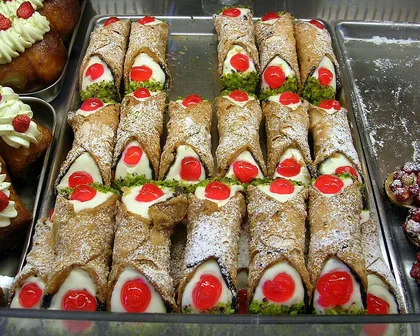 SweetsCannoliIt has to be filled when you order it, and anywhere that fills them in advance has already lost: the fried…
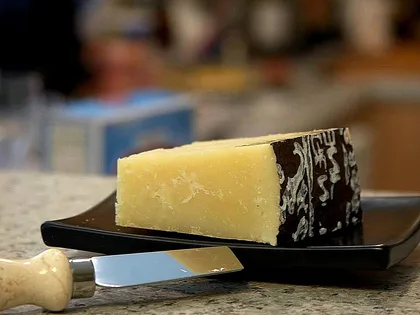 CheesePecorino RomanoPecorino Romano DOP is a hard, dry-salted sheep's milk cheese aged at least five months, made in Sardinia…
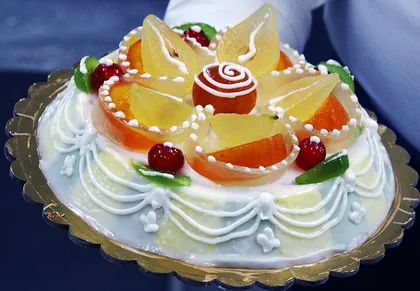 SweetsCassata SicilianaCassata siciliana is a layered Palermo cake: sponge soaked in liqueur, sweetened sheep's-milk ricotta studded…
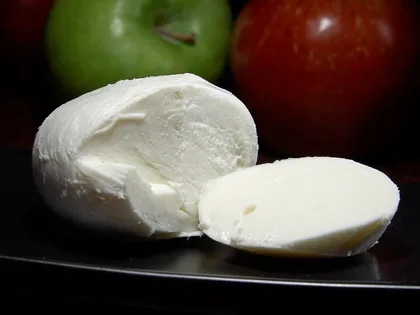 CheeseMozzarellaThe name is a verb before it is a cheese: mozzare means to lop off, which is what the cheesemaker does by…
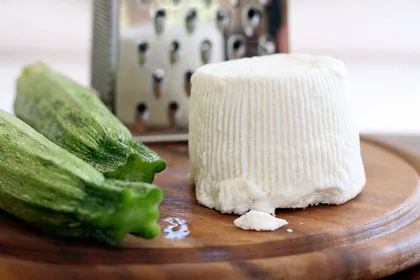 CheeseRicotta SalataRicotta salata is sheep's milk ricotta that has been salted, pressed and aged for at least three months…CheeseRagusanoRagusano is a ten-to-sixteen-kilo rectangular block of raw-milk pasta filata cheese from the Iblei plateau in…
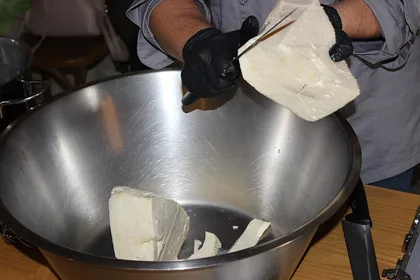 CheeseProvola dei NebrodiProvola dei Nebrodi is a raw cow's milk pasta filata cheese from the mountains of north-eastern Sicily…
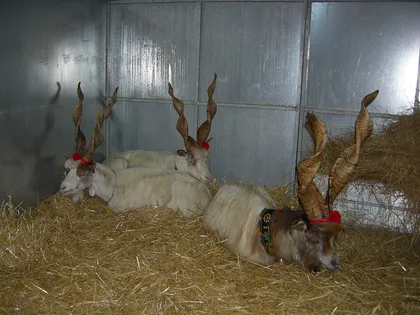 CheeseGirgentana Goat CheeseThe Girgentana is the corkscrew-horned goat of Agrigento, in south-western Sicily: white, spiral-horned…