Bresaola is not PGI. «Bresaola della Valtellina» is
European protection attaches to a name in full, and that name is almost always longer than the one used at the counter. Twenty verified cases, starting from twenty of our own mistakes.
By the Agrofood.it editorial team · 13 August 2026 · 4 min read · 5 sources
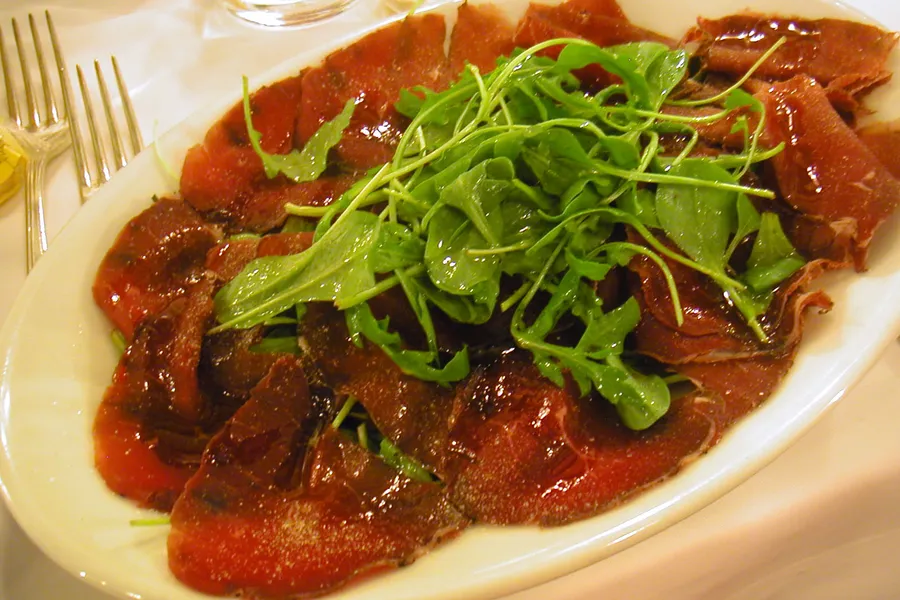
A stamp that says something false in three letters
At the deli counter there is a pack labelled bresaola, and beside it a card carrying the letters PGI. It looks like information. It is the case where the acronym, on its own, asserts something untrue.
What is registered is not bresaola. It is «Bresaola della Valtellina», and European protection covers that string. A bresaola made elsewhere, from different meat by a different method, is a perfectly legal product that simply falls outside the designation. Nobody is cheating: the short name does not mean what it appears to mean.
The same holds for provolone, registered as «Provolone Valpadana». For mortadella, registered as «Mortadella Bologna». For burrata, registered as «Burrata di Andria». The generic term stays free, and anyone may use it.
Why protection works this way
When a consortium applies to register a designation, it files an exact name together with the specification that defines it: area, raw material, method, ageing. What goes into the register is that name, in those words and in that order.
The reason is practical. Protecting «bresaola» would remove from everyone in Europe the ability to call a salted, air-dried beef by that word, which describes an old and widespread technique. European law does not nationalise common nouns: it ties protection to a name containing a geographical reference, and it is that reference which makes the protection defensible.
You can see it clearly where the filed name is almost unusable at a counter. «Fagiolo di Lamon della Vallata Bellunese» is the registered name; nobody asks for it that way, so everyone says fagioli di Lamon. The distance between the two phrases is the distance between what is protected and what you buy.
The twenty cases we verified
We compared the name under which a page on this site presents a food with the name that appears in the register, product by product, across the PDO and PGI entries in the atlas. Twenty show a gap.
They are not all the same kind. In some, only a geographical reference is missing that most people would supply mentally, as with Cotechino Modena or Zampone Modena. In others the short name has entered the language so thoroughly that it has displaced the real one, as with mortadella. In others the gap is substantive, and the bergamot deserves its own paragraph.
| What we call it | How it is registered |
|---|---|
| Balsamic vinegar | Aceto balsamico tradizionale di Modena DOP |
| Bergamot | Bergamotto di Reggio Calabria - Olio essenziale DOP |
| Bresaola | Bresaola della Valtellina IGP |
| Burrata | Burrata di Andria IGP |
| Caciocavallo | Caciocavallo Silano DOP |
| Cantucci | Cantuccini Toscani IGP |
| Tropea red onion | Cipolla Rossa di Tropea Calabria IGP |
| Cotechino | Cotechino Modena IGP |
| Lamon beans | Fagiolo di Lamon della Vallata Bellunese IGP |
| Formai de Mut | Formai de Mut dell'Alta Valle Brembana DOP |
| Mortadella | Mortadella Bologna IGP |
| Buffalo mozzarella | Mozzarella di Bufala Campana DOP |
| Pancetta | Pancetta Piacentina DOP |
| Panforte | Panforte di Siena IGP |
| Pizzoccheri | Pizzoccheri della Valtellina IGP |
| Porchetta | Porchetta di Ariccia IGP |
| Provolone | Provolone Valpadana DOP |
| Ricciarelli | Ricciarelli di Siena IGP |
| Vastedda | Vastedda della valle del Belìce DOP |
| Zampone | Zampone Modena IGP |
The extreme case: the PDO is the oil, not the fruit
For Bergamotto di Reggio Calabria the registered designation is «Bergamotto di Reggio Calabria - Olio essenziale». Not the fresh fruit: the essential oil extracted from it.
That changes what a purchase means. Anyone buying fresh bergamots believing they are buying a product under protected designation is buying a Calabrian citrus, which may be excellent, but the PDO covers something else. The specification describes an extract and its parameters, not the fruit on the stall.
Here the short name does not drop a piece of geography. It drops the product.
What this changes when you buy
The practical rule is short. If a PDO or PGI mark appears on a label beside a short name, that mark is not stating anything you can check. The full name has to be there, because that is what the protection attaches to.
A second useful check is the number of the certifying body, which appears on labels of designated products alongside the European logo. It is the sign that someone verifies compliance with the specification, and it is not a graphic detail that can be added at will.
None of this means a product without a designation is worse. It means you are buying two different things, and that one of them comes with a document describing how it is made.
How we found them, and why the first mistake was ours
This is not a survey of other people's websites. It began as an internal check on our own pages, and what it found first were our own errors.
Twenty pages on this site carried a PDO or PGI stamp beside the generic name. The uncomfortable part is that in eighteen cases out of twenty the contradiction was already inside the page: down in the source notes it said in full that the protected name was a different one. This was not missing information. It was a page that never reread itself.
We corrected all of them, and every affected page now carries the registered name in full, both in the text and in the data search engines read. The worst case was ours too: pesto genovese carried a PDO stamp, and pesto is not a PDO. Basilico Genovese is, registered by Reg. EC 1623/2005 alongside Tuscia.
The method is repeatable by anyone: take the product name, look the designation up in the ministerial register, and see whether the string matches. Where it does not, the acronym alone is not enough.
The short of it
- European protection covers an exact name, not a category of food.
- «Bresaola» is not PGI: «Bresaola della Valtellina» is. The same holds for provolone, mortadella and burrata.
- The registered name almost always contains a geographical reference, and that is what makes protection defensible.
- For Bergamotto di Reggio Calabria the PDO covers the essential oil, not the fresh fruit.
- A PDO or PGI mark beside a short name is not checkable information.
- Twenty pages on this site carried the same error, and in eighteen the source notes at the foot already contradicted it.
Frequently asked questions
Is bresaola PGI?
No. The registered designation is «Bresaola della Valtellina», and protection covers that name. A bresaola made elsewhere is a legitimate product that falls outside the designation.
Is provolone a PDO?
The protected designation is «Provolone Valpadana». Provolone without further qualification is not a PDO, and it is a name anyone may use.
Why not protect the short name directly?
Because these are common nouns describing widespread techniques. Protecting «bresaola» would stop anyone in Europe calling a salted, air-dried beef by that word. Protection attaches to a name containing a geographical reference, and that reference is what makes it defensible.
Is the PDO bergamot the fruit?
No: the registered designation is «Bergamotto di Reggio Calabria - Olio essenziale». Protection covers the extracted oil, not the fresh citrus.
How can I check whether a name is really registered?
Look the designation up in the Italian ministry's register of PDO and PGI products and compare the string word by word. If the name on the label is shorter than the registered one, the mark beside it is not checkable.
Is a food without a PDO worse?
That is not quite the question. A designation says a written specification exists and that a body verifies compliance, not that the food is good. There are excellent products outside the designations, and considerable differences between producers inside them.
Sources
Where to check what you just read.
- 1
Il registro ministeriale dove si legge il nome depositato per intero, che è il confronto su cui si regge tutto questo pezzo.
- 2
La cornice in vigore dal 13 maggio 2024, al posto del 1151/2012: cosa può essere registrato, cosa protegge la registrazione e contro cosa.
- 3
L'atto che ha iscritto in blocco gran parte delle denominazioni italiane storiche. I nomi stanno nell'allegato, non nel titolo: è il motivo per cui una verifica fatta solo sul titolo produce falsi positivi.
- 4
L'atto che dimostra che a essere protetto è il basilico e non il pesto: nell'elenco compare «Basilico Genovese (DOP)», e nessuna salsa.
- 5
La spiegazione ufficiale della differenza fra DOP e IGP e di cosa comporta la registrazione di un nome.
The foods behind this
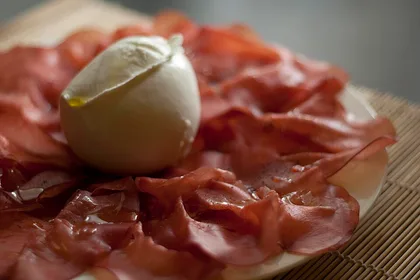 Cured meatsBresaolaOne lean muscle from the hind leg, dry-cured with salt, pepper, juniper and cinnamon, then left in the dry…
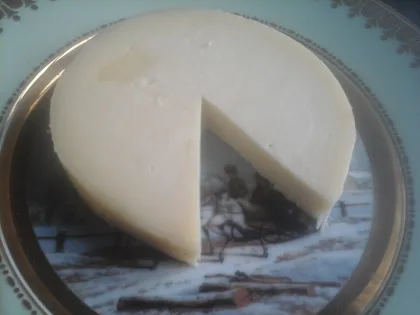 CheeseProvoloneProvolone is a stretched-curd cow's milk cheese from northern Italy, rope-tied and hung to age in shapes from…
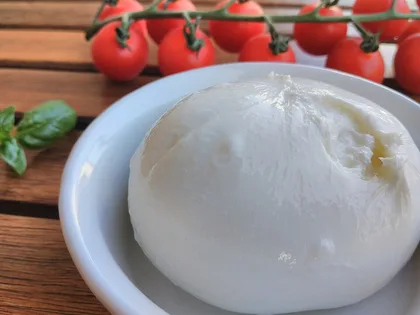 CheeseBurrataIt began as a way of using offcuts: leftover shreds of pasta filata, drowned in cream and sealed inside a…
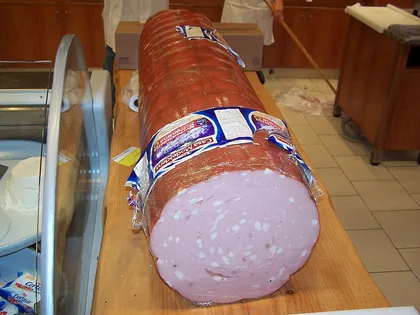 Cured meatsMortadellaThe white cubes are not just any fat: they are jowl, the firmest part of the pig, and they stay whole…Vegetables and fruitBergamotBergamot is the most geographically concentrated citrus on earth: around 90 per cent of world production…
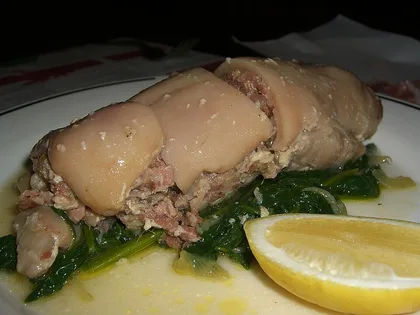 Cured meatsZamponeZampone Modena IGP is spiced pork and rind forcemeat stuffed into a boned pig's trotter: same filling as…