Fourteen Italian cheeses whose rules call for raw milk
Parmigiano, Grana Padano, Fontina, Bitto, Castelmagno, Puzzone di Moena, Ragusano, Fiore Sardo. This is not a question of style: for these DOP cheeses raw milk is written into the rule, and it changes the cheese measurably.
Raw milk means milk that has not been taken to pasteurisation temperatures: it arrives at the dairy and is worked as it is, with its own bacterial flora. That flora shifts with the pasture, the season, the milking and the shed, and during ageing it produces aromas treated milk can no longer give, because the bacteria that make them are gone.
Here are the fourteen Italian cheeses whose production rules require or allow raw milk as the base, according to their own pages on this site. It is not a list of every cheese someone makes with raw milk: many DOP rules also permit thermised or pasteurised milk, and in those cases the choice belongs to the dairy rather than to the mark.
The common thread is time. Where the paste is hard and the ageing long, raw milk is the norm: Parmigiano, Grana, Ragusano, Fiore Sardo. Where the cheese is fresh and eaten within days, it is the exception. Between the two extremes sit the alpine cheeses, where the milk is worked at a thousand metres straight from the udder because carrying it down was not an option.
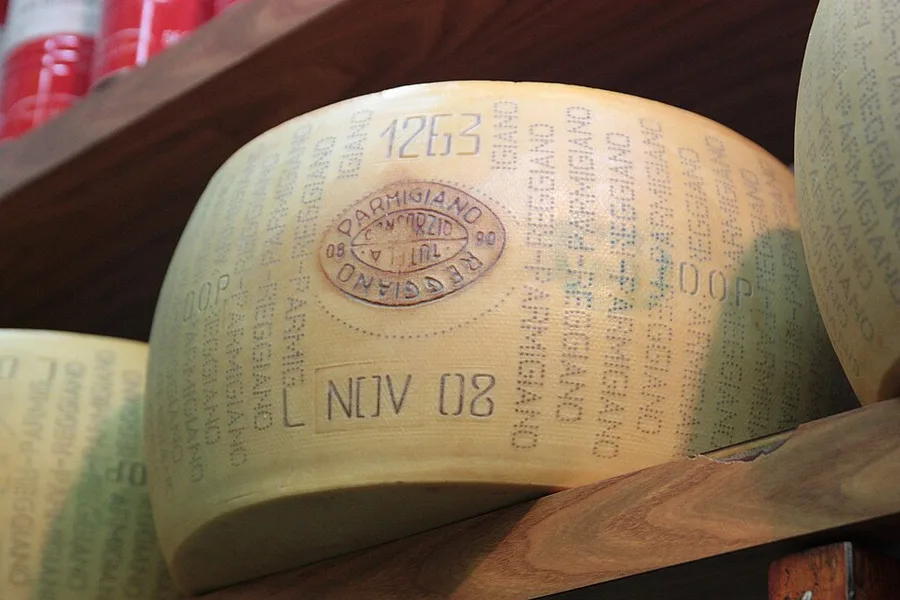 Nerodiseppia · CC BY-SA 3.0
emilia romagna · 14-18 €/kg
Three ingredients and no additive permitted: raw milk, salt, rennet. The milk comes from two milkings, the evening one left to rest and skimmed by surfacing. In Europe it is the only cheese that may be called parmesan, and the reason is a court ruling rather than a tradition.
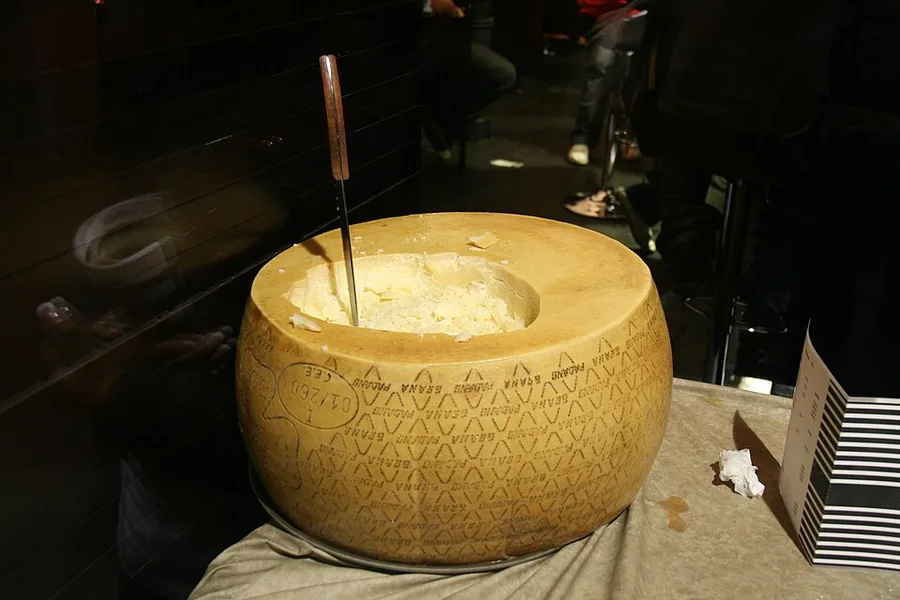 Tamorlan · CC BY 3.0
lombardia · emilia romagna · veneto · piemonte · 10-15 €/kg
Raw milk partly skimmed by natural surfacing, hard cooked paste, nine months minimum before a wheel may carry the name. Born in the abbey of Chiaravalle, it is the most produced DOP cheese in the world, and the plain it is made in is the size of four regions.
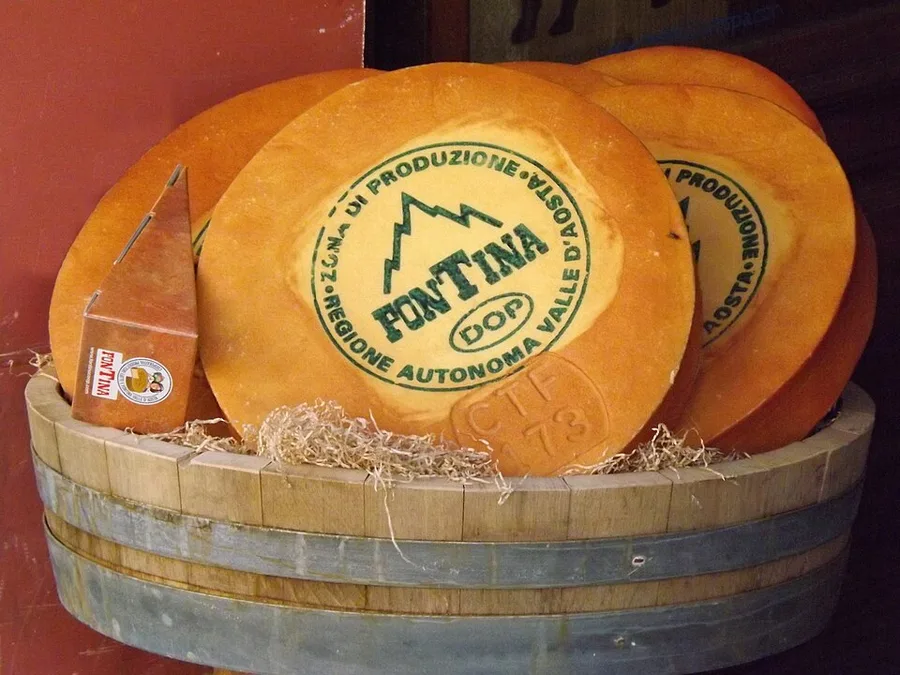 Luigi Chiesa · CC BY 3.0
valle d aosta · 14-20 €/kg
Whole raw milk from a single milking, worked within two hours, wheels of seven and a half to twelve kilos, eighty days minimum in mountain caves. It is the cheese that melts to a cream without stringing, which is why the Aosta valley fonduta exists.
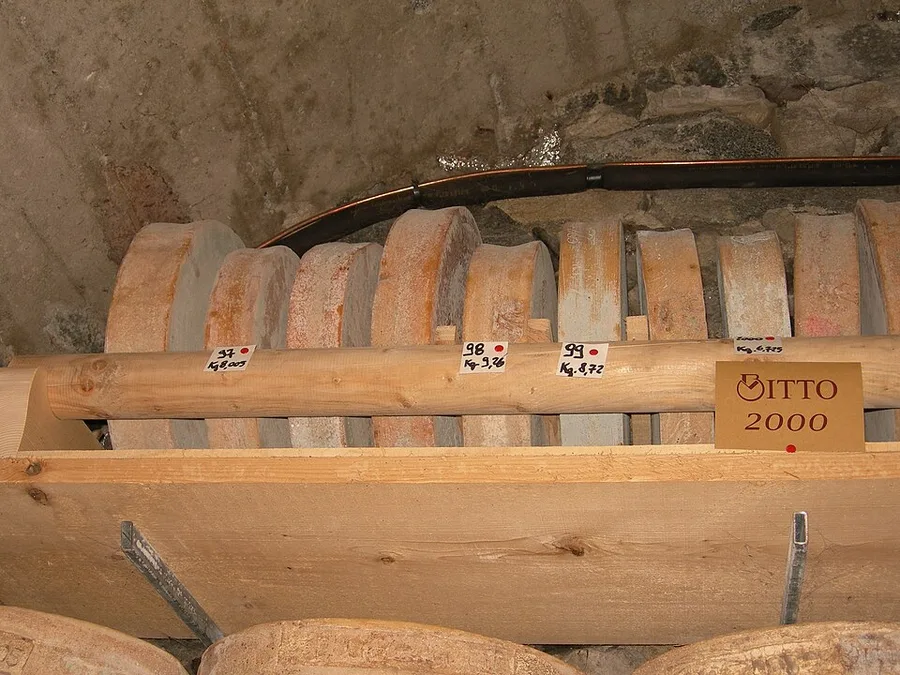 Fabio · CC BY 2.0
lombardia · 18-28 €/kg
It can only be made on the high pastures, between the first of June and the thirtieth of September, working the milk straight from the udder in the calècc, the dismountable hut that follows the herd. Up to ten per cent Orobica goat milk is allowed, and it ages from seventy days to ten years.
piemonte · 22-32 €/kg
Raw cow's milk, with a minority share of sheep or goat milk permitted, in just three comuni of the Valle Grana in the province of Cuneo. With time it develops blue veining on its own, with no inoculation: the mould comes from the cellar air, not from a syringe.
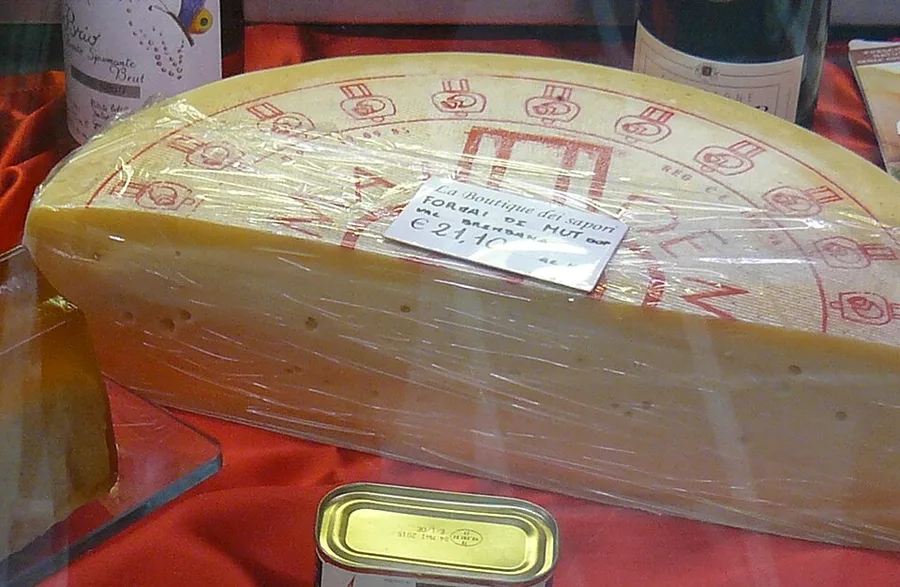 MOs810 · CC BY-SA 3.0
lombardia · 14-20 €/kg
Mountain cheese in the Bergamo dialect: mut is the high pasture. Semi-cooked paste from raw milk, DOP since 1996, with two parallel lives, the valley-floor one made all year and the summer alpine one, which is another cheese under the same name.
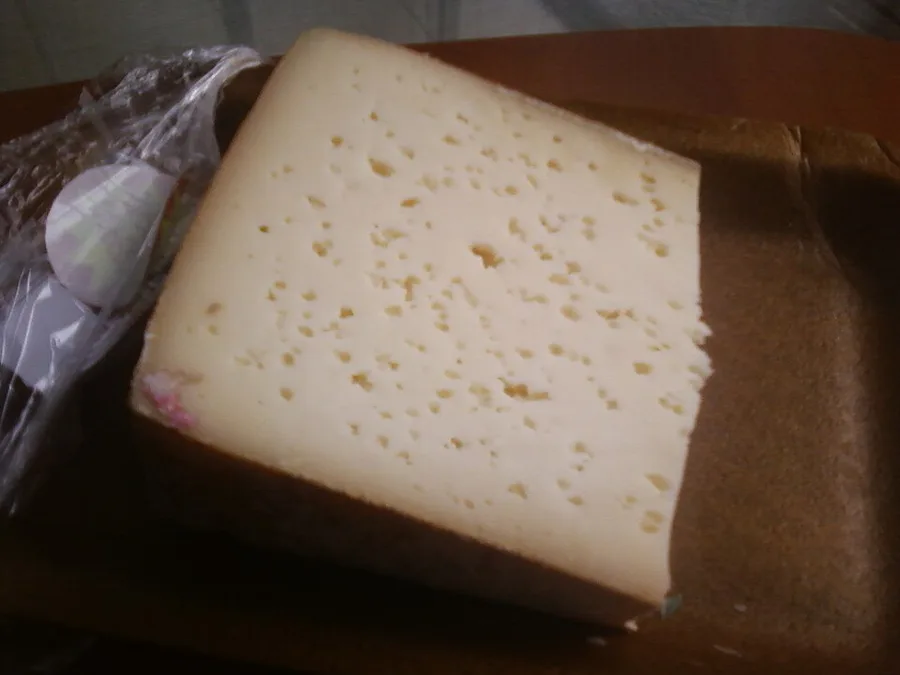 Florixc · CC0
trentino alto adige · 16-24 €/kg
Raw milk from two milkings and a rind washed with warm salted water every two or three days throughout the curing. That repeated gesture grows the surface bacteria that make the smell: the name is a description, not a joke.
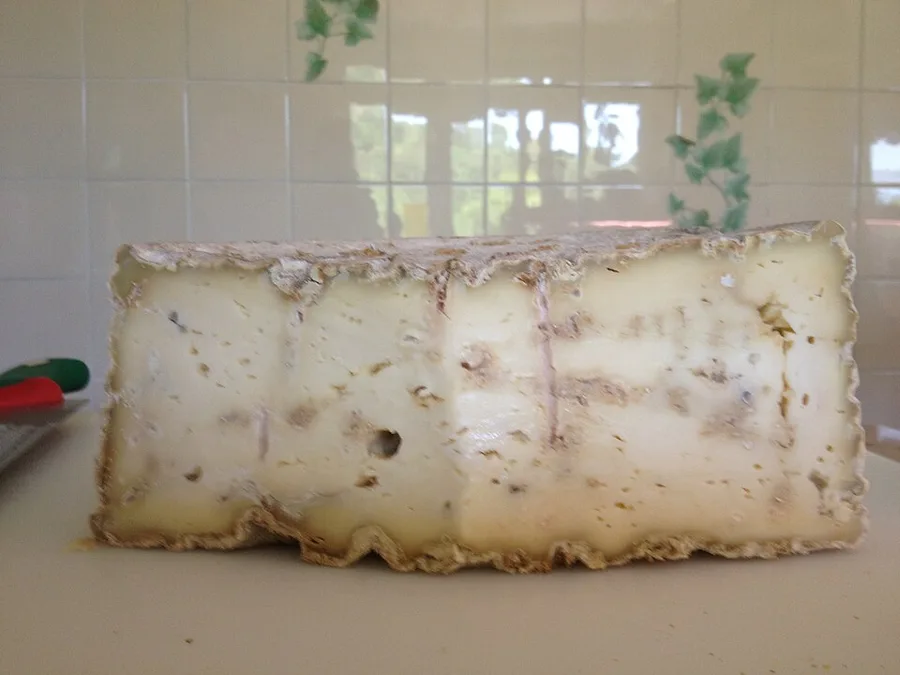 Sistoiv · CC BY-SA 3.0
lombardia · 22-32 €/kg
Round stracchino in the Bergamo dialect, and the ancestor of gorgonzola: two curds, the cold evening one alternated with the warm morning one, and moulds that arise by themselves from the raw milk and the cellar instead of being injected.
sicilia · 13-18 €/kg
A stretched-curd cheese of raw milk from the Modicana cows of the Iblean plateau, in blocks of ten to sixteen kilos tied in pairs and hung across a beam. In dialect it is called scaluni, steps, from the way those rows of wheels look.
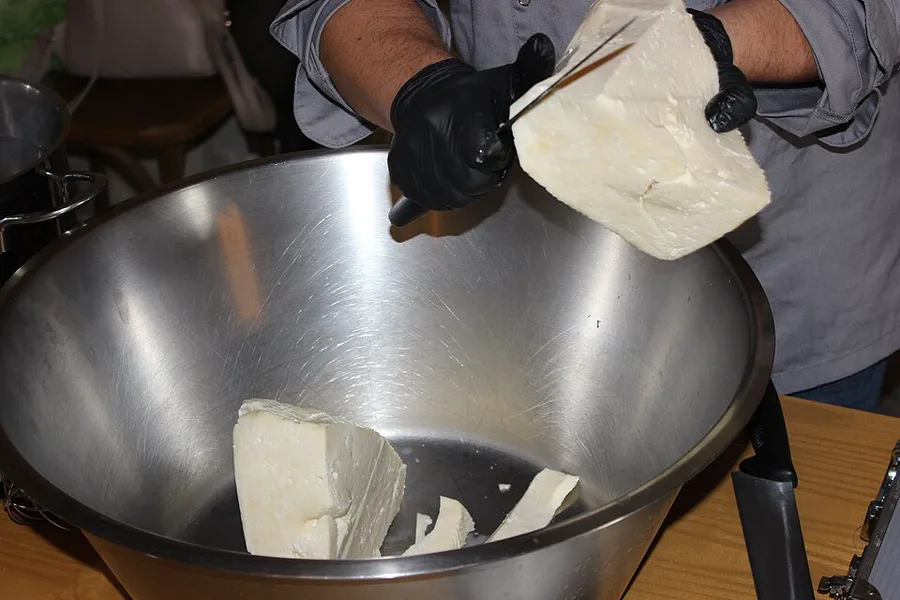 8w9d · CC0
sicilia · 12-16 €/kg
A stretched-curd cheese of raw cow's milk from the mountains behind Messina, spun by hand in boiling water and tied in pairs. The smoking, where it happens, is brief and done with straw: it dries the surface rather than flavouring the cheese.
 VallVit · CC0
basilicata · calabria · molise · 11-15 €/kg
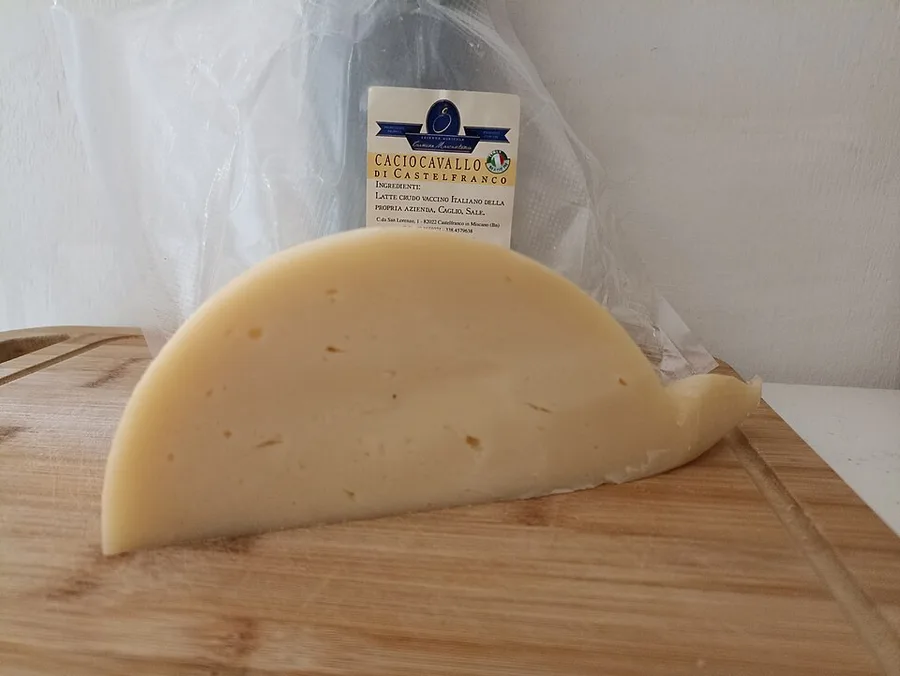
An aged stretched-curd cheese shaped like a pear with a small head on top, from the southern Apennines. The technical rules speak of raw milk or milk heated to fifty-eight degrees, and of four milkings at most: as Caciocavallo Silano the DOP covers five regions.
 Yozh · CC BY-SA 4.0
sardegna · 18-26 €/kg
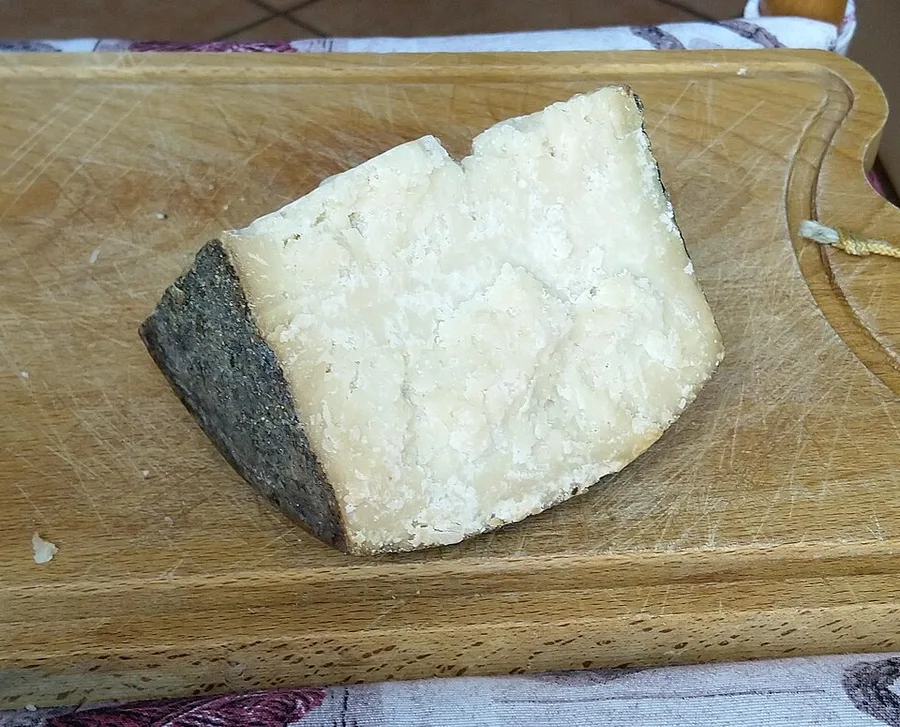
Raw Sardinian sheep's milk, lamb paste rennet, a double-cone shape and smoking over the fire of the pinnetta, the shepherds' hut. It is the oldest and wildest of the Sardinian pecorini, and it predates dairies: shepherds made it in the mountains.
 HaguardDuNord · CC BY 4.0
sicilia · 18-25 €/kg
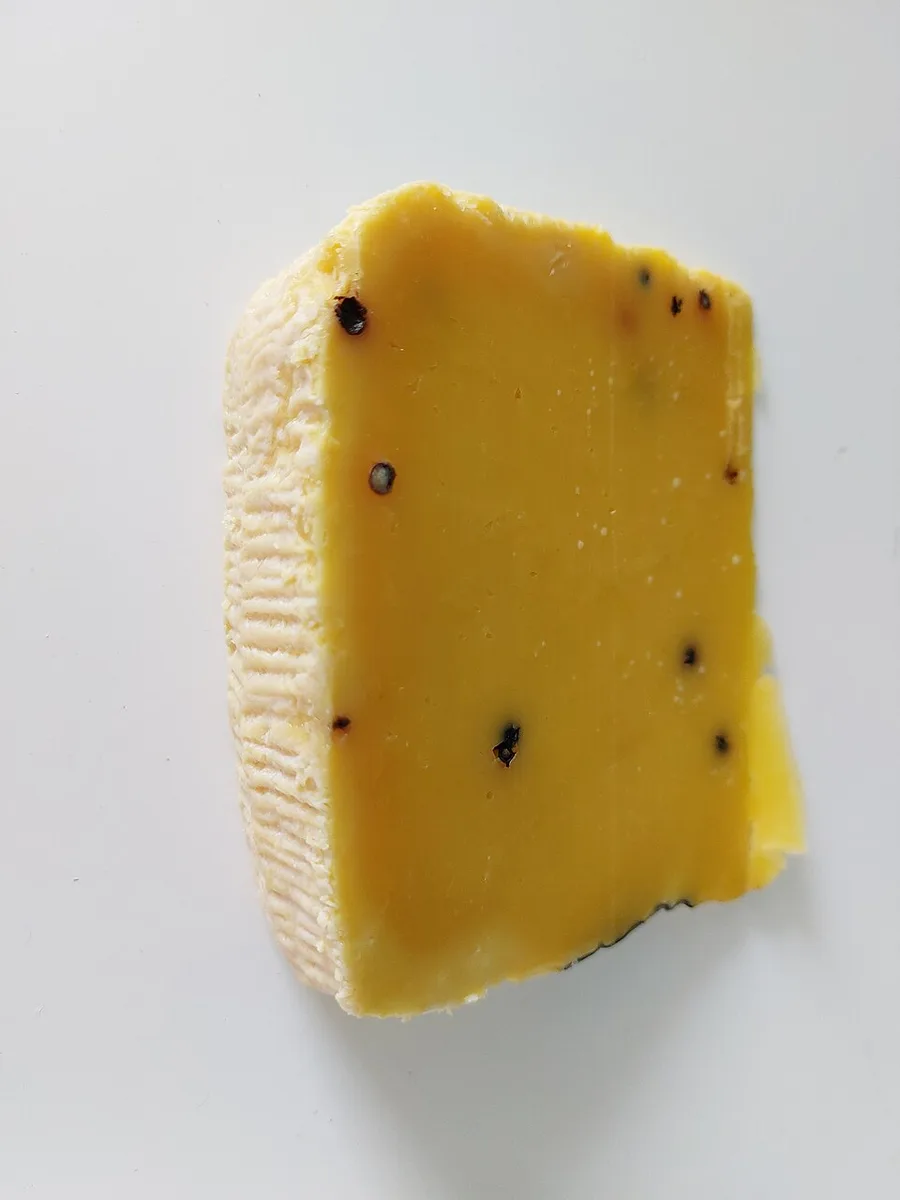
A raw-milk pecorino from inland Sicily, the only Italian cheese made with saffron: the paste is as yellow as a yolk and whole black peppercorns sit inside it. Legend ties it to a Norman queen; the rules tie it to Enna and its surroundings.
 Lele1989 · CC BY-SA 4.0
sicilia · 14-20 €/kg
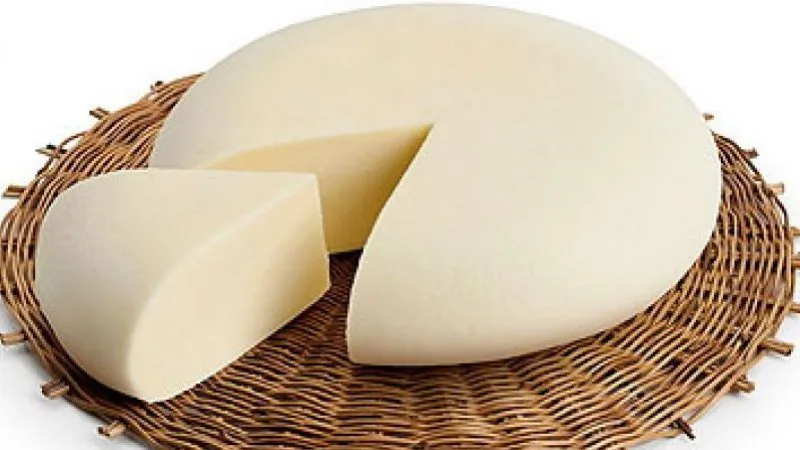
Raw sheep's milk worked within a few hours, and it is the only stretched-curd sheep cheese in the world. It was born from a failure: in summer the wheels would swell, and rather than throw them out the shepherds broke them up and spun them in boiling water.
One last thing
One clarification that saves confusion at the counter. Several Italian DOP cheeses allow raw, thermised or pasteurised milk alike: Pecorino Romano, Pecorino Sardo, Pecorino Toscano, Provolone, Ossolano, Raschera, Toma Piemontese, Taleggio, Quartirolo, Salva Cremasco. In those cases the mark says nothing about how the piece in your hand was made, and the only source is the label or the cheesemaker. Where raw milk is part of the rule, as in the fourteen above, no pasteurised version can carry the same name.
The questions this list answers
These are real questions put to an AI assistant, in the period when Bing cited this site among its sources to answer them. The number is how many times we were cited. We read them in Bing Webmaster Tools, under AI performance, and they decide what goes on this page rather than the other way round.
- quali sono i formaggi a latte crudo108 citations
- formaggi a latte crudo elenco44 citations
- formaggio a latte crudo15 citations
- casu marzu käse223 citations
- bitto formaggio40 citations
- castelmagno formaggio43 citations
- fiore sardo8 citations
- formaggio castelmagno7 citations
Frequently asked questions
What does raw milk mean?
Milk that has not been taken to pasteurisation temperatures before cheesemaking, and which therefore keeps its own bacterial flora. Some DOP rules allow a limited heating, thermisation, which is a middle path: each cheese's rules state the threshold allowed.
Is Parmigiano Reggiano made with raw milk?
Yes. The rules call for raw milk from two milkings, salt and rennet, with no additives. The same holds for Grana Padano, with raw milk partly skimmed by surfacing. They are the two best-known cases of long-aged cheeses made from unpasteurised milk.
Why are so many alpine cheeses made with raw milk?
For a practical reason that became a rule: up on the pastures the milk was worked where it was drawn, because carrying it down every day was impossible. Bitto is still made in the calècc, the dismountable hut that follows the herd, and the DOP wrote that necessity into its rules.
Does raw milk change the flavour?
It changes what ageing is able to produce. The flora of the milk varies with pasture, season and shed, and during maturing it generates aromas treated milk does not develop, because those bacteria are no longer there. It is why two wheels from the same pasture are never identical.