Twenty Italian products the United States searches for most
Tiramisù 450,000, bucatini 301,000, gnocchi 301,000, burrata 246,000, cannoli 246,000, mortadella and pancetta 165,000. America searches for different things than Italy does, and the difference has a logic.
The same products, measured on the American market with DataForSEO in July 2026, give a different ranking. Tiramisù stays first with nearly half a million monthly searches, but right behind come bucatini with three hundred thousand, burrata and cannoli with two hundred and forty-six thousand, and soppressata with a hundred and ten thousand: names that sit between twelve and fifteen thousand in Italy.
The logic is emigration and restaurants. The products America searches for are those Italian-American cooking brought with it and those restaurants have put on menus over the past fifteen years: burrata, which in Italy is an Apulian cheese and in the United States a bistro starter; bucatini, which in the United States became the shape of amatriciana; soppressata, the cured meat of the Calabrian diaspora.
The questions that come with those searches confirm it. In the Bing Webmaster Tools export that drives these pages, the English queries are largely definitional: what is pancetta, what is bresaola, what is soppressata, what is porchetta. They do not ask how to cook it: they ask what it is, and that is the biggest difference between the two markets.
 Syced · CC001
Tiramisu
veneto · friuli venezia giulia · 9-13 €/kg
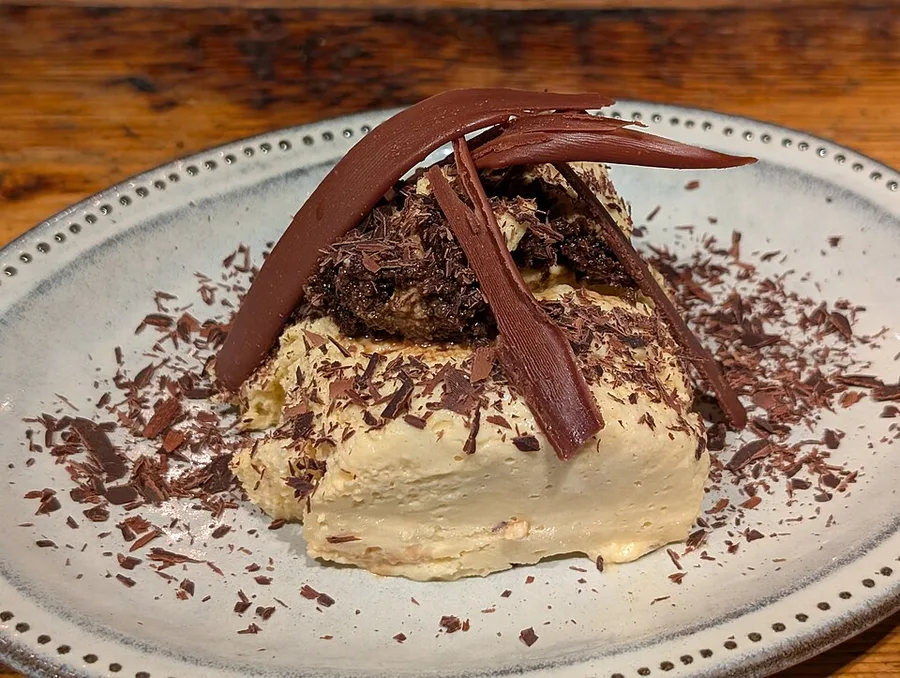
Four hundred and fifty thousand searches a month in the United States, more than twice the Italian figure. Six ingredients and no baking, and the classic recipe includes neither whipped cream nor liqueur.
 Popo le Chien · CC002
Bucatini
lazio · 1.2-2.2 €/kg
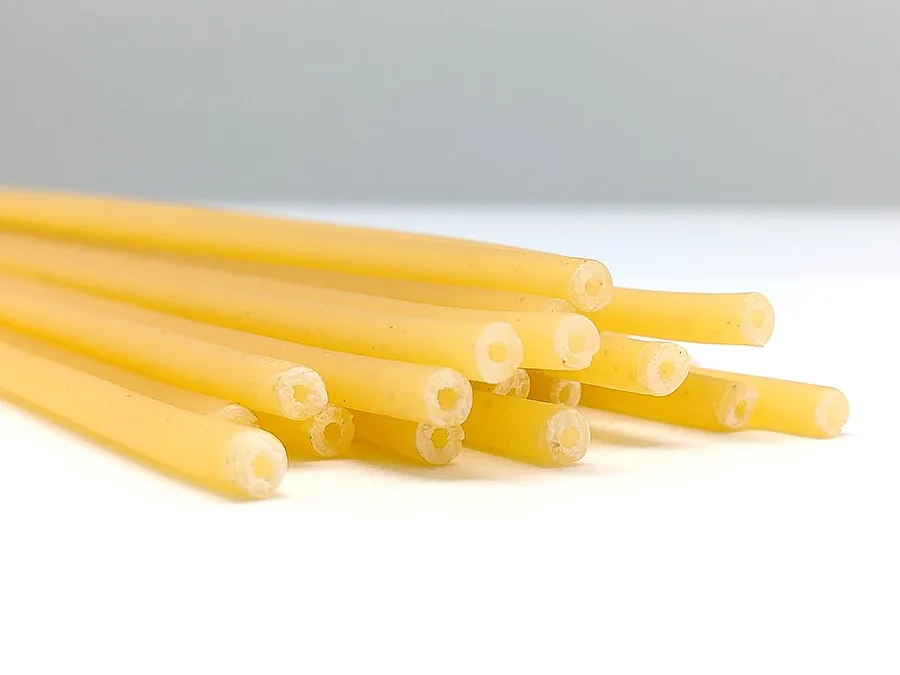
Three hundred and one thousand searches a month, against fifteen thousand in Italy: in the United States they have become the shape of amatriciana. The hole is not a flourish, it changes how the sauce wets the pasta.
- 03
Gnocchi
veneto · lombardia · 5-8 €/kg
Three hundred and one thousand searches a month: potatoes boiled in their skins, a little flour and salt. Every extra gram of water has to be offset with flour, and too much flour turns them rubbery.
 Popo le Chien · CC0
puglia · 14-20 €/kg
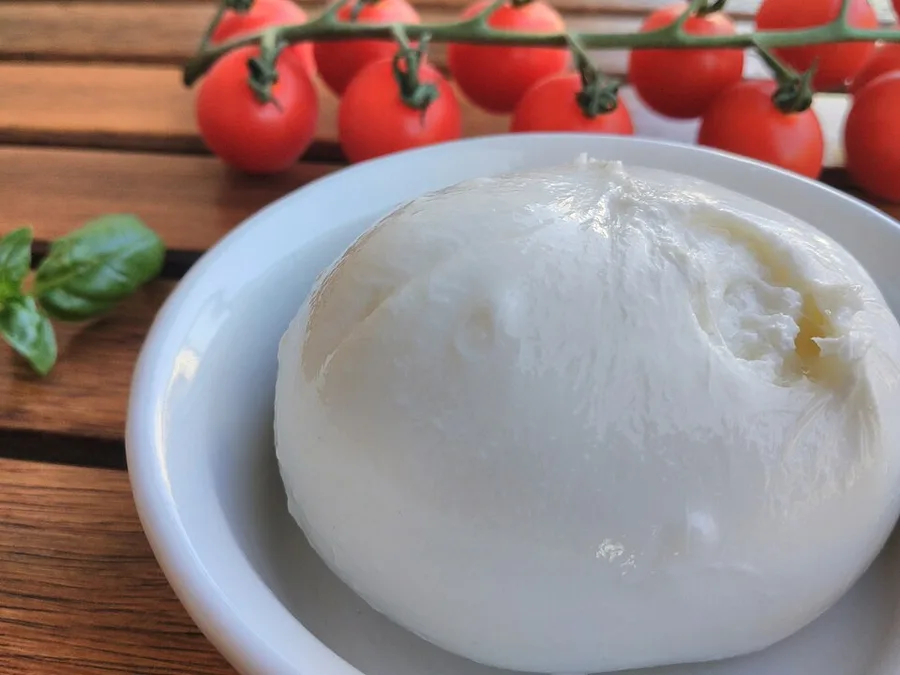
Two hundred and forty-six thousand searches a month. In Italy it is an Apulian cheese born from the trimmings of spinning; in the United States it is a restaurant starter, and it is opened as it is served.
 Stefano Mortellaro from Catania, Italy · CC BY 2.0
sicilia · 8-14 €/kg
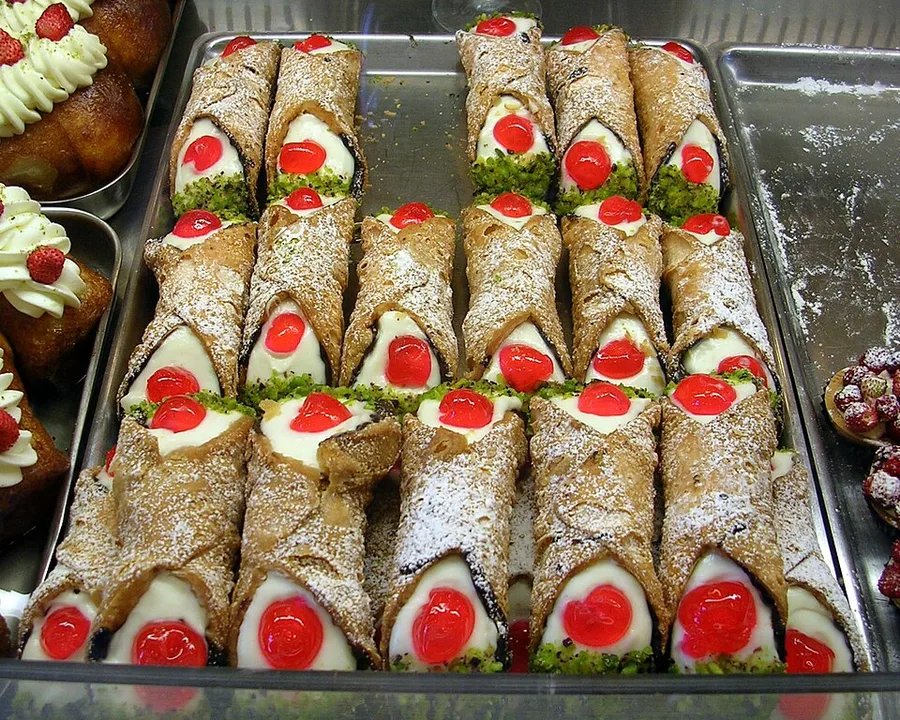
Two hundred and forty-six thousand searches a month: the shell is filled at the last moment, because filled in advance it softens. It is the best-known Sicilian pastry outside Italy.
- 06
Focaccia
liguria · 8-14 €/kg
Two hundred and forty-six thousand searches a month, almost twice the Italian figure: the brine of water, salt and oil poured on before baking is the step that separates it from a pizza bianca.
 ehud · CC BY 2.0
emilia romagna · 14-20 €/kg
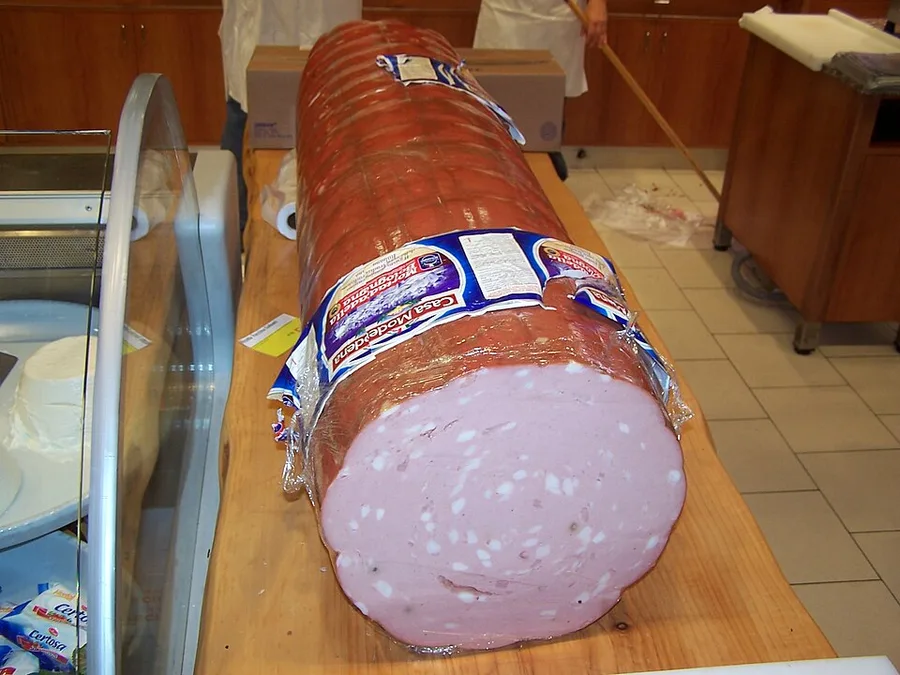
A hundred and sixty-five thousand searches a month. IGP, very finely ground pork with squared cubes of throat fat, cooked slowly in dry-air ovens: the constraint is the cooking, not the farming.
emilia romagna · lombardia · 14-22 €/kg
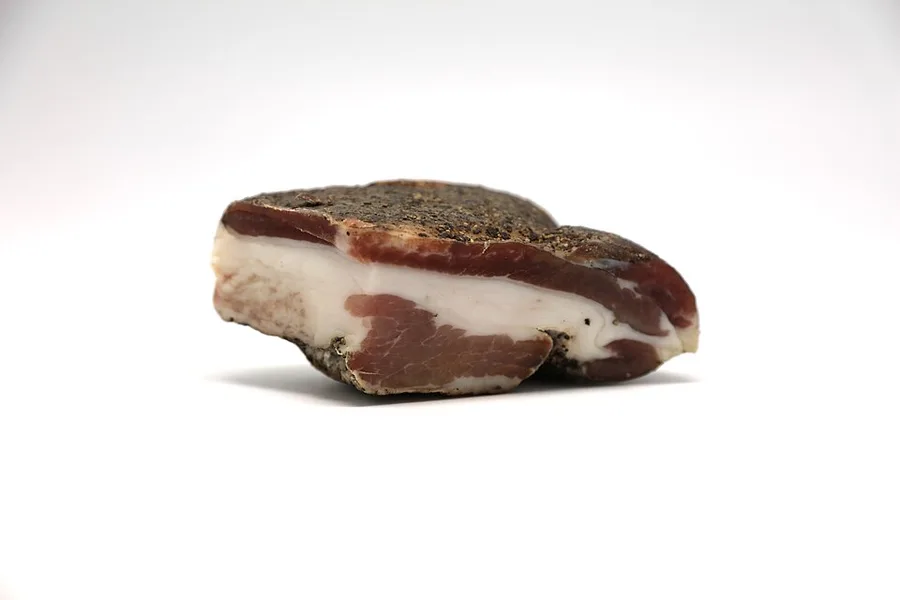
A hundred and sixty-five thousand searches a month, and the commonest English question is literally what is pancetta: pork belly salted and cured, not smoked, unlike bacon.
 Nick.mon · CC0
emilia romagna · 22-34 €/kg
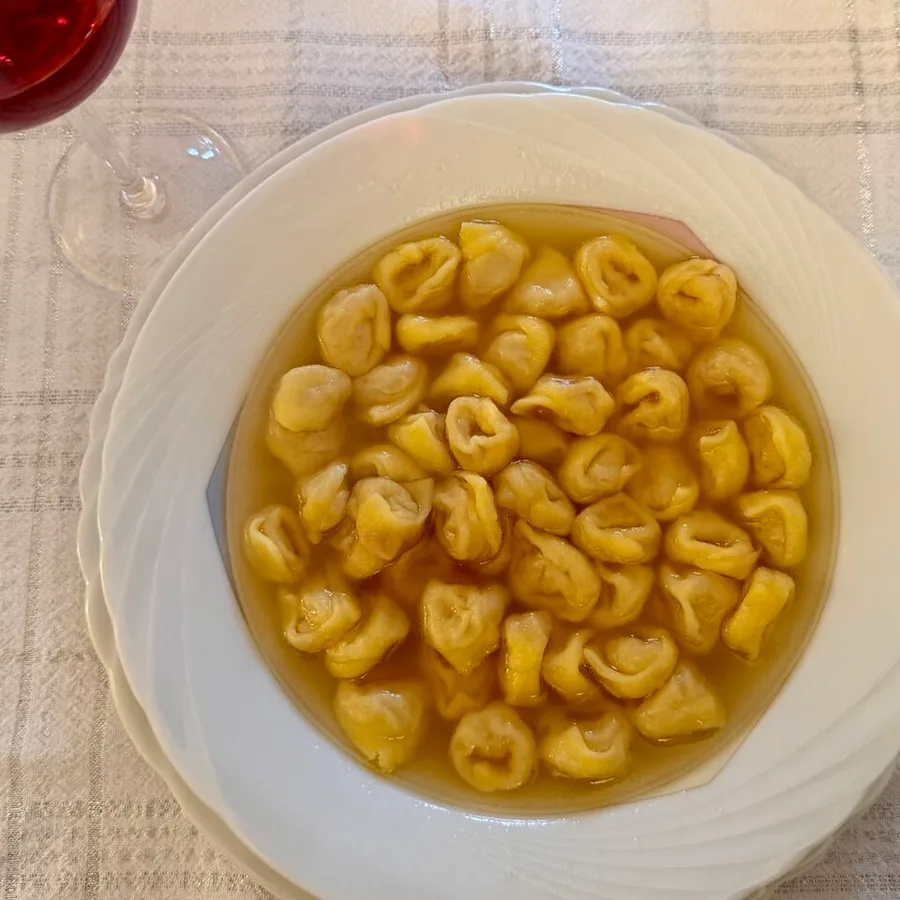
A hundred and sixty-five thousand searches a month: the size of a hazelnut, with a filling lodged in Bologna, served in capon broth. The cream version is no part of the tradition.
 Gmelfi · Public domain
sicilia · 6-9 €/kg
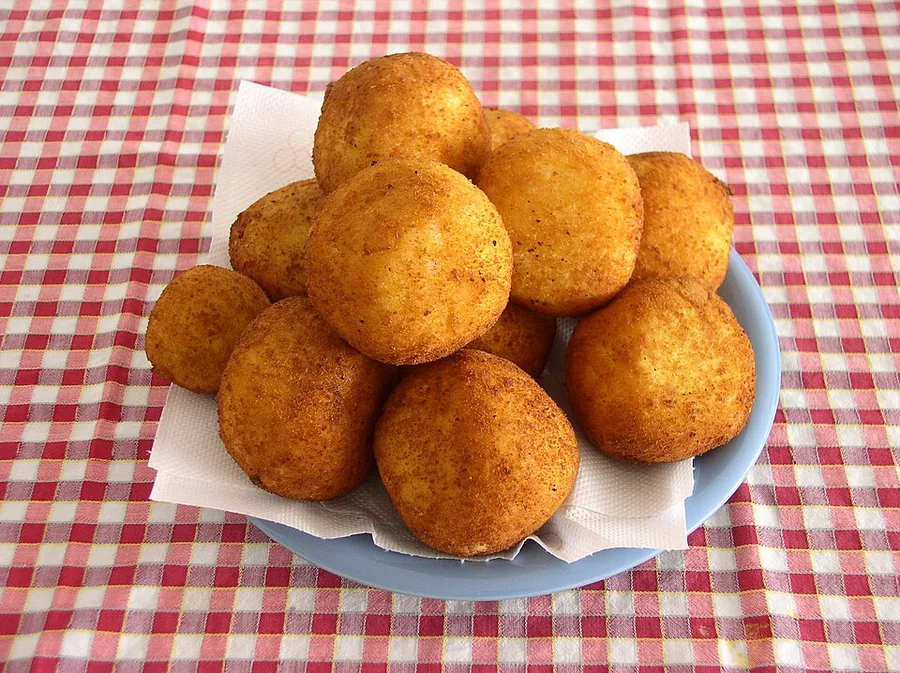
A hundred and thirty-five thousand searches a month: the rice must cool completely before shaping, or the ball opens in the oil. In Palermo they are arancine and round, in Catania arancini and pointed.
 Popo le Chien · CC BY-SA 4.0
lazio · umbria · abruzzo · 16-24 €/kg
A hundred and thirty-five thousand searches a month, a sign that carbonara has arrived: the cheek has a fat that renders slowly and stays creamy, and pancetta does not replace it without changing the sauce.
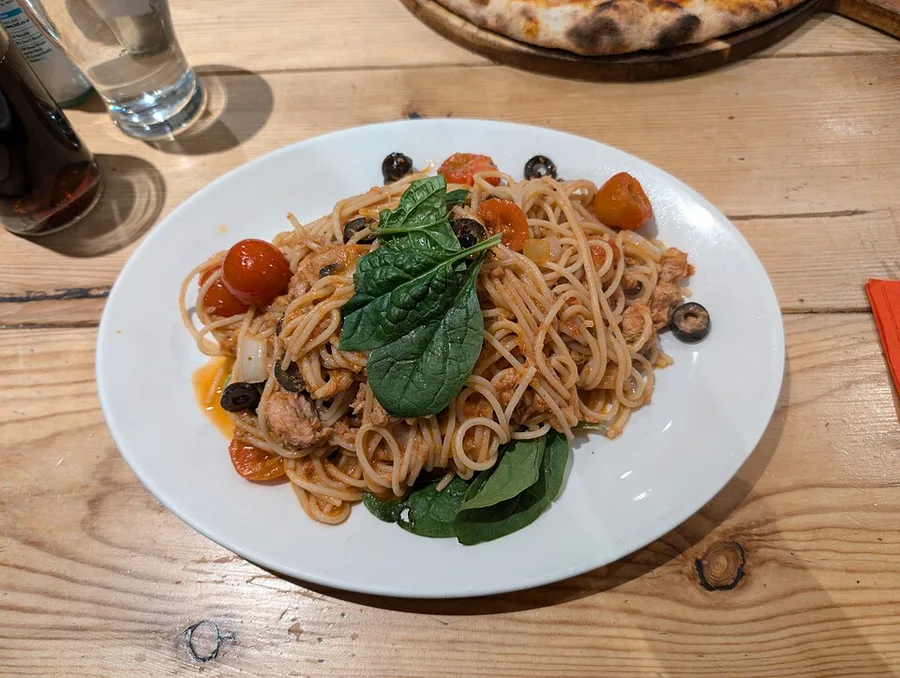 Andy Li · CC0
campania · 1-2.2 €/kg
A hundred and thirty-five thousand searches a month: a solid strand, round in section, between 1.7 and 2 millimetres, and the bronze die is the difference you can see on the dry pasta.
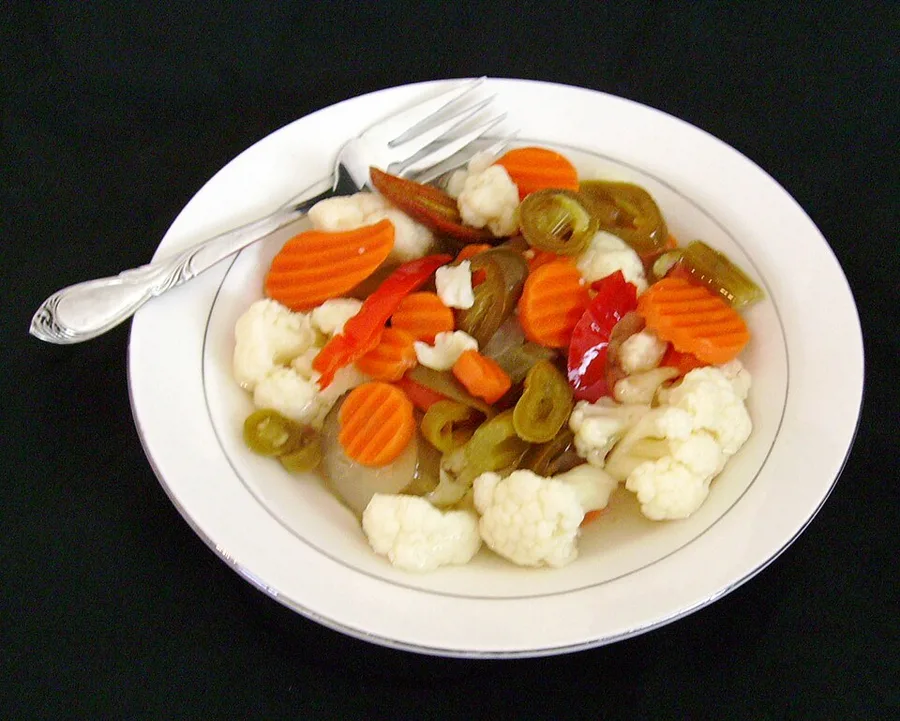 Antonio Cavallo · Public domain
lombardia · piemonte
A hundred and ten thousand searches a month, and in the United States the name often means a spicy Chicago relish, related but not identical: in Italy it is a mix of vegetables blanched in vinegar.
 Tiesse · CC0
veneto · friuli venezia giulia
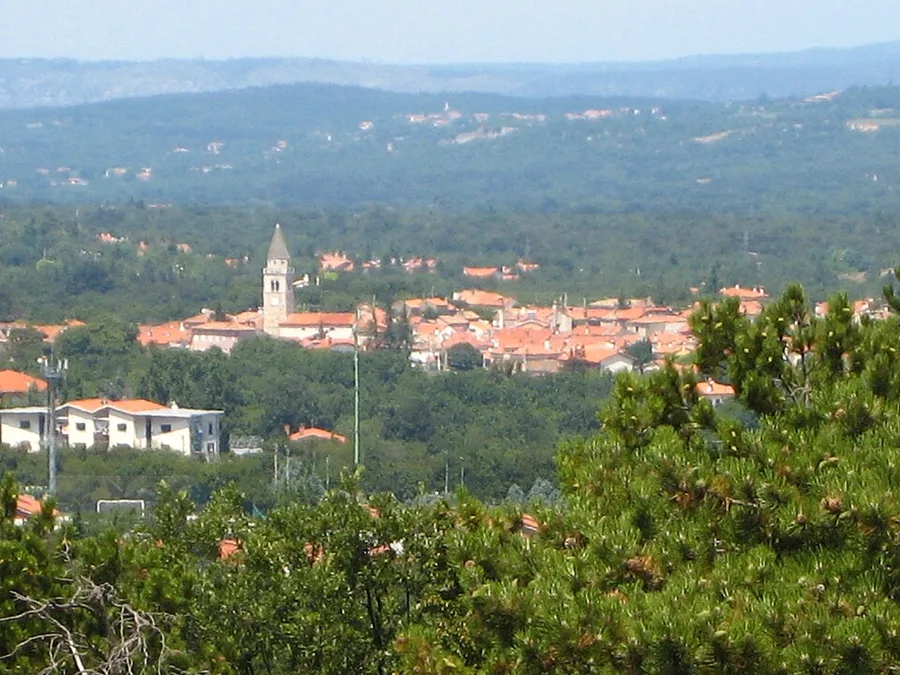
A hundred and ten thousand searches a month: Glera grapes and the Martinotti method in a pressure tank, not the traditional method. The bubble forms in the tank rather than the bottle, which explains both profile and price.
 Florixc · CC0
calabria · basilicata · 26-38 €/kg
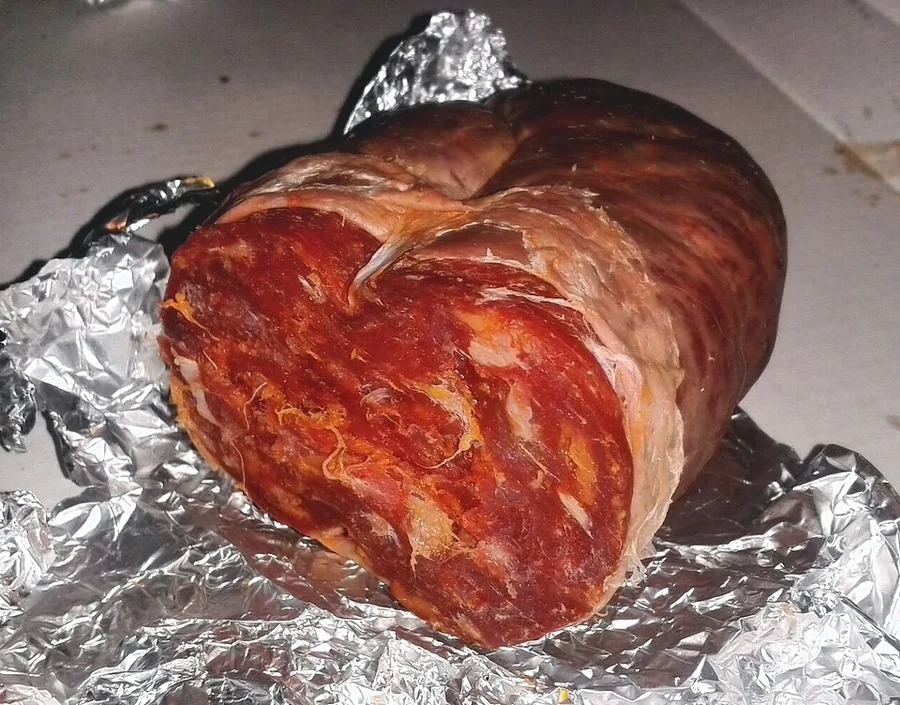
A hundred and ten thousand searches a month, against twelve thousand in Italy: it is the cured meat of the Calabrian diaspora. Coarse grind, pressed between two wooden boards, DOP since 1998 in three versions.
 Jon Sullivan · Public domain
campania · puglia · 12-18 €/kg
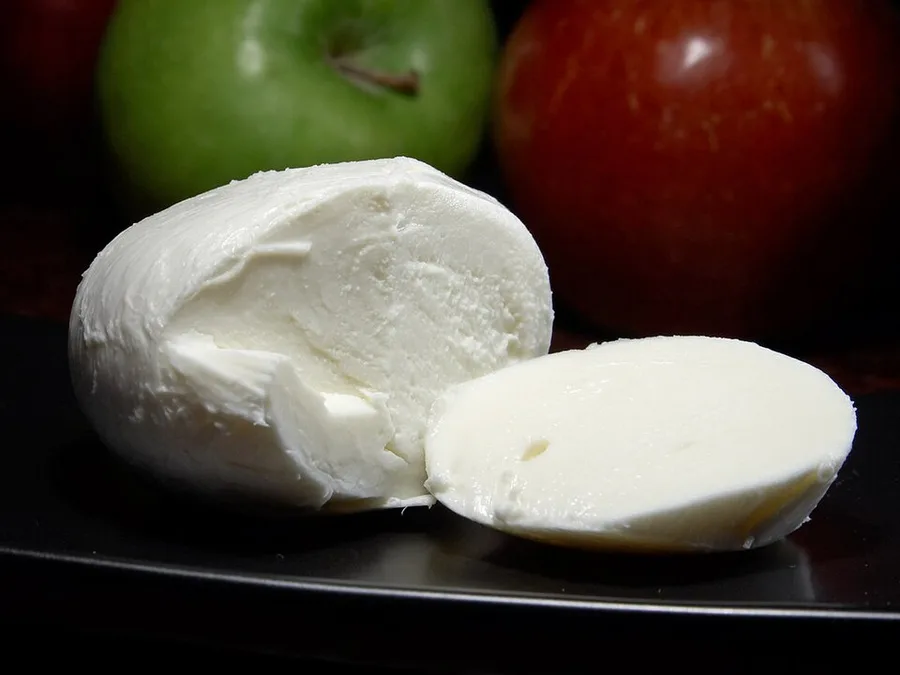
Ninety thousand five hundred searches a month, and the distinction that matters is between cow's milk fiordilatte and Mozzarella di Bufala Campana DOP: two products, two animals, two prices.
 Thomon · CC BY-SA 4.0
veneto · trentino alto adige · 9-13 €/kg
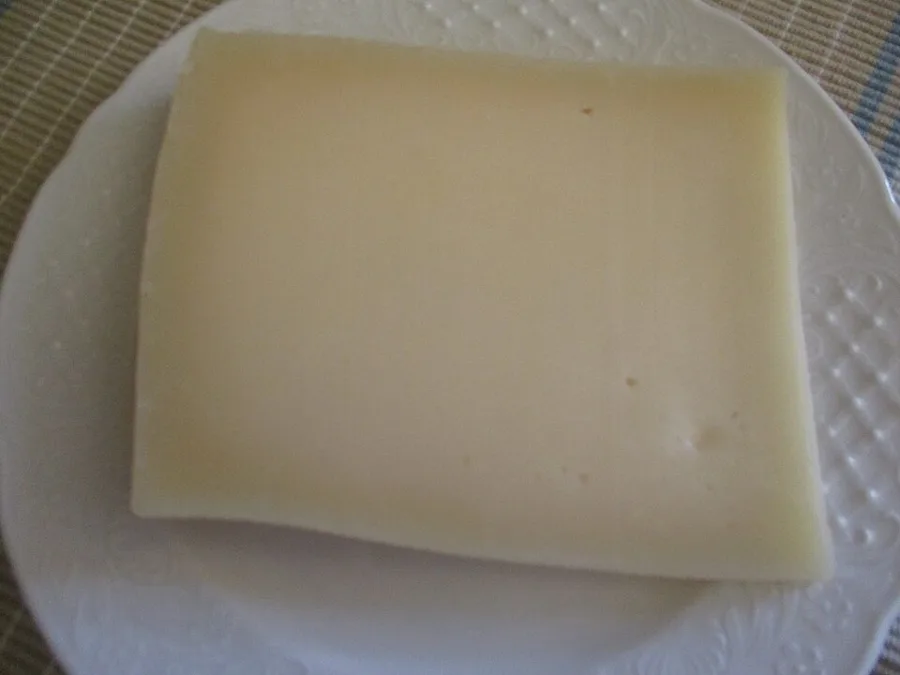
Seventy-four thousand searches a month: in the United States the name also belongs to a local industrial cheese, while Asiago DOP comes from the Veneto plateau and Trentino, in two versions.
 MOs810 · CC BY-SA 3.0
lombardia · piemonte · 10-16 €/kg
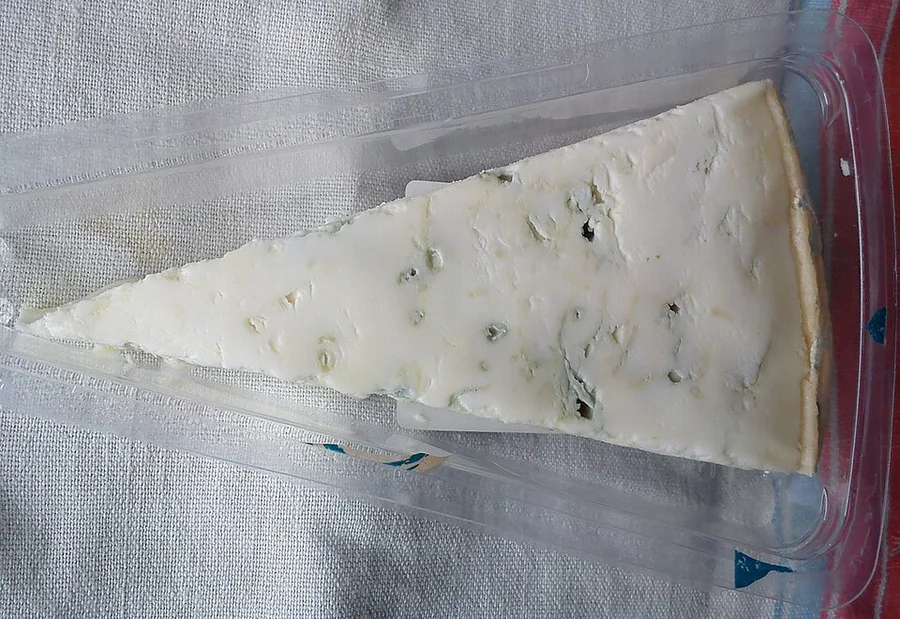
Seventy-four thousand searches a month: whole pasteurised cow's milk, a mould inoculated and pierced with needles, two distinct versions, mild and sharp.
 Tamorlan · CC BY 3.0
lombardia · emilia romagna · veneto · piemonte · 10-15 €/kg
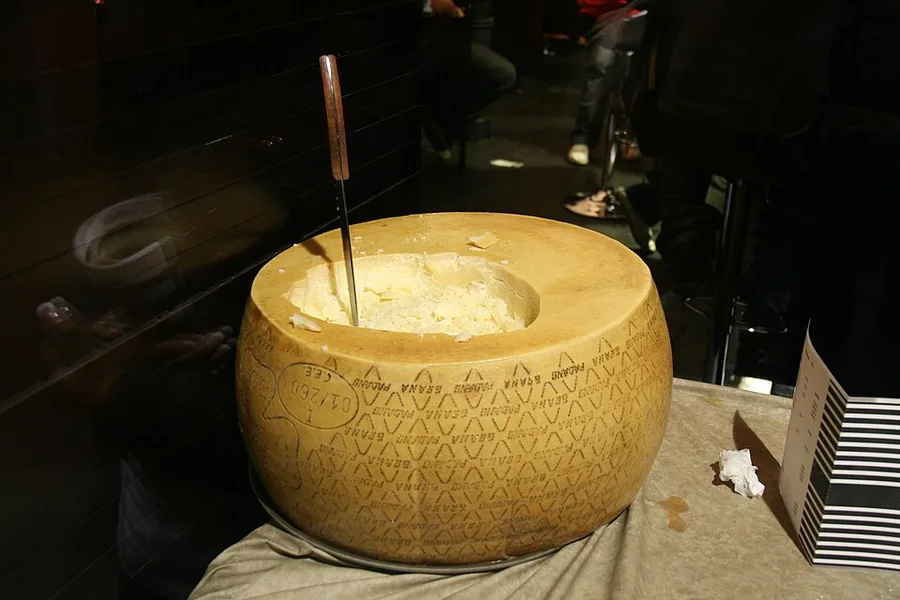
Seventy-four thousand searches a month, and the question that comes with the name is always the same: what is the difference from Parmigiano. Territory, milk and time, and four euro a kilo.
 Alice Wiegand · CC BY-SA 4.0
calabria · 22-32 €/kg
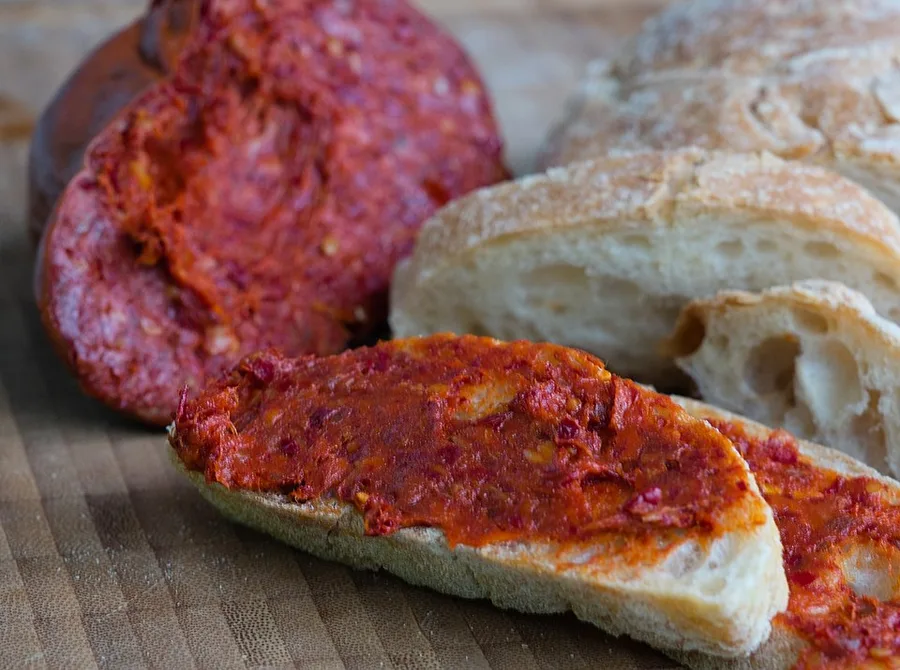
Seventy-four thousand searches a month: a third chilli, spreadable, from Spilinga. Outside Italy it often appears as a pizza ingredient, and half a spoon is enough for four.
One last thing
Comparing the two rankings says something useful to anyone writing about Italian food in English. In Italy people search in order to cook: recipes, quantities, timings. In the United States people search in order to understand: what it is, which animal it comes from, how to say it, what to substitute. The Bing export shows it literally, because the leading English queries all begin with what is. A page that answers that question in its first line serves the searcher; one that opens with the product's history does not.
The questions this list answers
These are real questions put to an AI assistant, in the period when Bing cited this site among its sources to answer them. The number is how many times we were cited. We read them in Bing Webmaster Tools, under AI performance, and they decide what goes on this page rather than the other way round.
- what is pancetta1,326 citations
- what is bresaola417 citations
- what is soppressata284 citations
- what is porchetta637 citations
- soppressata salami398 citations
- what is giardiniera382 citations
- ricotta salata cheese469 citations
- what is panforte123 citations
- what is agnolotti pasta127 citations
- what is pappardelle pasta105 citations
- robiola cheese179 citations
- scamorza189 citations
Frequently asked questions
Which Italian product is searched for most in the United States?
Tiramisù, with around four hundred and fifty thousand monthly searches, more than twice the Italian volume. Then bucatini and gnocchi at three hundred thousand, then burrata, cannoli and focaccia at two hundred and forty-six thousand.
Why does the United States search for bucatini more than Italy does?
Because in the United States they became the shape associated with amatriciana in restaurants and published recipes, while in Italy the usual shape for that dish varies by area. The volume measures the popularity of the name, not consumption.
Are the English questions different from the Italian ones?
Yes, and systematically. In the Bing Webmaster Tools export the English queries are largely definitional and begin with what is: pancetta, bresaola, soppressata, porchetta. The Italian ones are operational and ask for recipes, quantities and timings.
Is American giardiniera the same as the Italian one?
Not exactly. In Italy it is a mix of vegetables, cauliflower, carrot, celery, peppers and small onions, blanched in vinegar. In the United States, especially in Chicago, the name often means a spicy oil-packed relish, related but different.