Twenty products Italians search for most, with the volumes
Tiramisù 201,000 searches a month, asiago 110,000, focaccia 110,000, gorgonzola 110,000, piadina 90,500, crostata 74,000. What Italy searches for is not what Italy exports.
The numbers in this list are monthly search volumes measured with DataForSEO in July 2026, the same ones that appear on the product pages. They say how often someone in Italy searches that name each month, not how much is sold and not how good it is: they are a measure of curiosity, and like all measures they should be read for what they are.
The first thing that stands out is that Italy searches for home cooking rather than export specialities. At the top is tiramisù with two hundred thousand searches a month, followed by asiago, focaccia, gorgonzola, piadina and crostata: things made or bought on a Saturday, not delicacies to give as gifts. Culatello, the most expensive cured meat in Italy, sits at three thousand six hundred: thirty times less than focaccia.
The second is that Italian searches are often operational. People searching for focaccia or crostata almost always want to make it; people searching for gorgonzola or asiago want to know which version to buy, mild or sharp, pressato or d'allevo. That is why the pages on this site put the difference between versions near the top, rather than the product's history.
 Syced · CC001
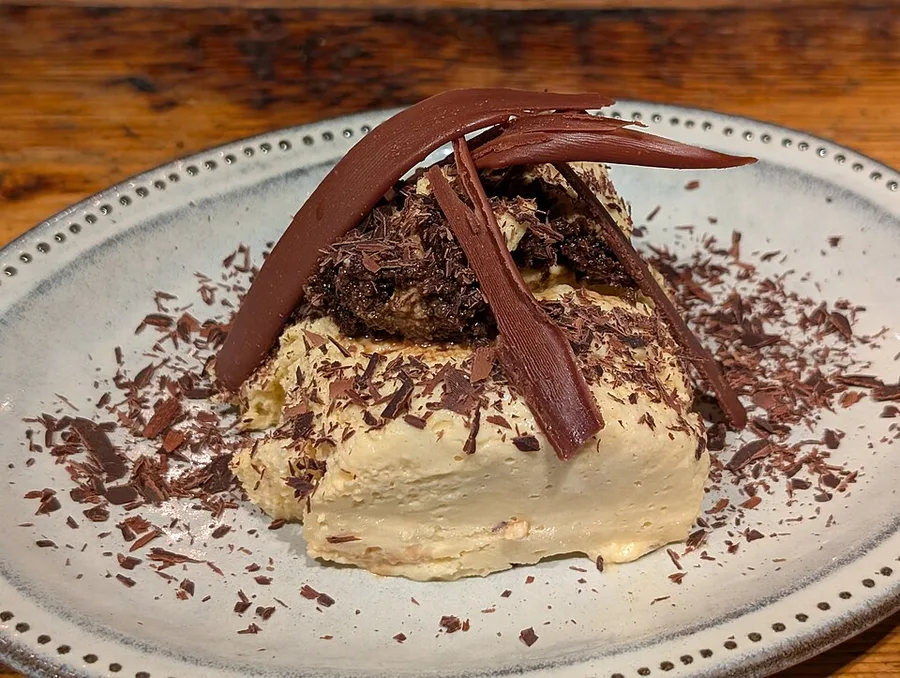
Tiramisu
veneto · friuli venezia giulia · 9-13 €/kg
Two hundred and one thousand searches a month in Italy, the highest of any product on this site. It is not baked: it is whipped, layered and left to wait, and the dip is one second a side because the savoiardo keeps absorbing.
 Thomon · CC BY-SA 4.0
veneto · trentino alto adige · 9-13 €/kg
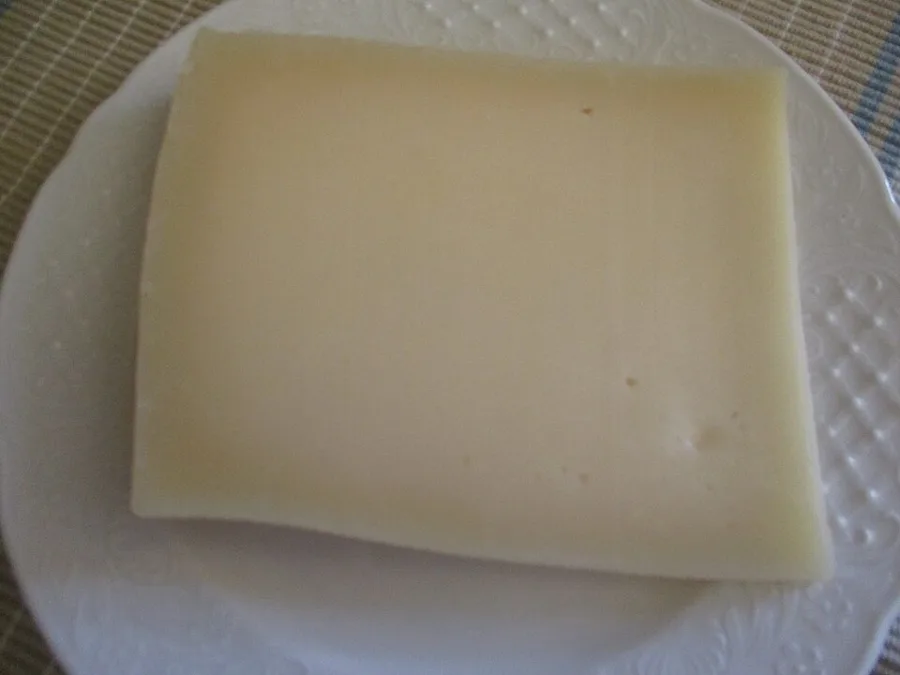
A hundred and ten thousand searches a month, and the reason is that two cheeses live under the name: Pressato, fresh and soft, and Stagionato or d'Allevo, hard and grainy. People searching want to know which to buy.
- 03
Focaccia
liguria · 8-14 €/kg
A hundred and ten thousand searches a month: two centimetres tall, dimples made with the fingers and a brine of water, salt and oil poured on before baking. People searching usually want to make it, not buy it.
 MOs810 · CC BY-SA 3.0
lombardia · piemonte · 10-16 €/kg
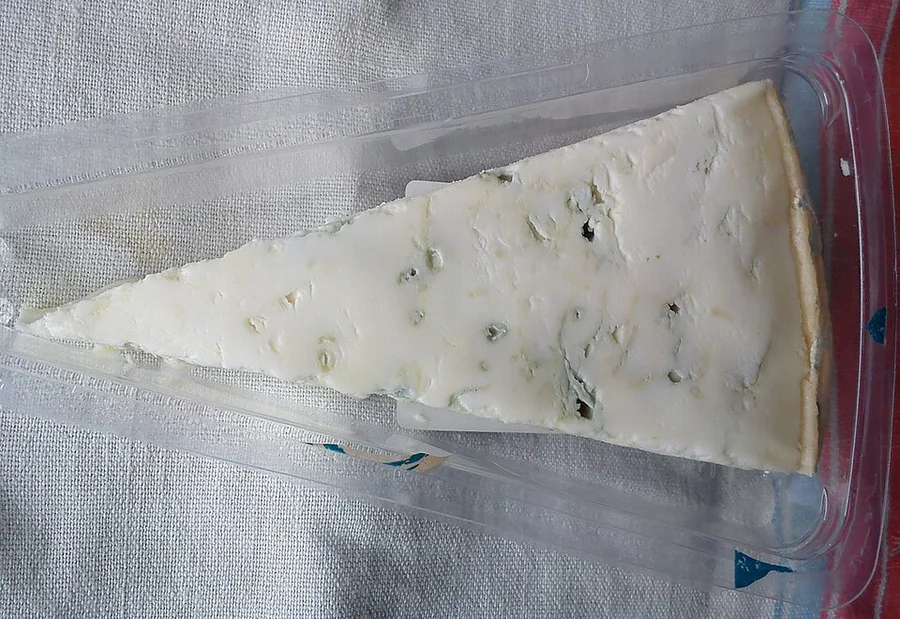
A hundred and ten thousand searches a month, and again two distinct versions: mild and sharp, which the rules keep apart and which are not degrees of one thing.
 Xaura · CC BY-SA 3.0
emilia romagna
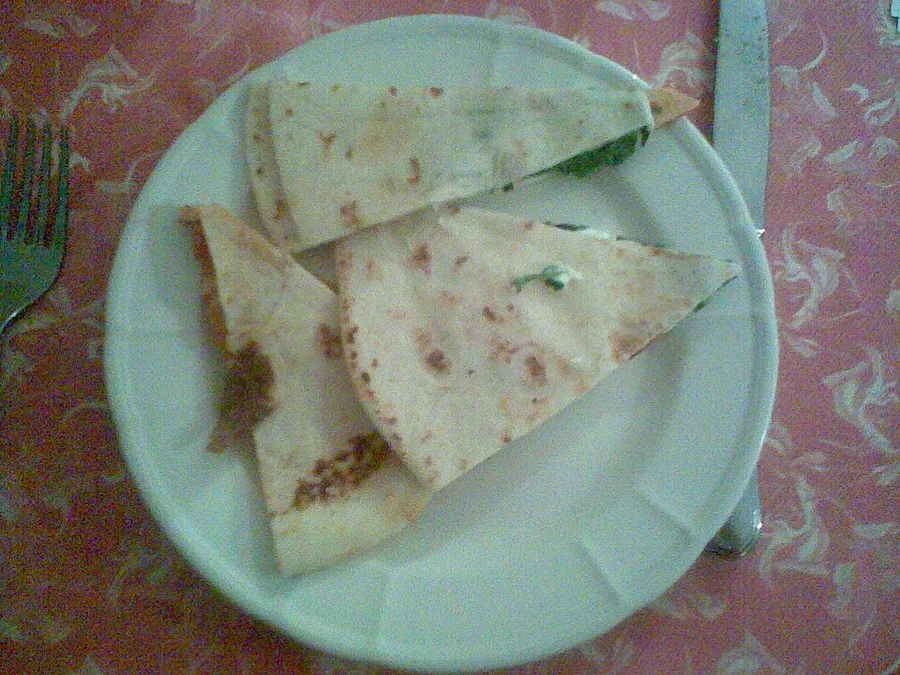
Ninety thousand five hundred searches a month. IGP, with lard in the dough in the classic Romagna version: folded while hot and eaten at once, because cold it hardens.
- 06
Crostata
lazio · 14-22 €/kg
Seventy-four thousand searches a month: shortcrust and jam, with no chilled creams, and it is the most searched home-made cake in Italy. It keeps for days in a cupboard, which is why it gets made.
 Nnaluci · CC BY-SA 3.0
lombardia · 8-14 €/kg
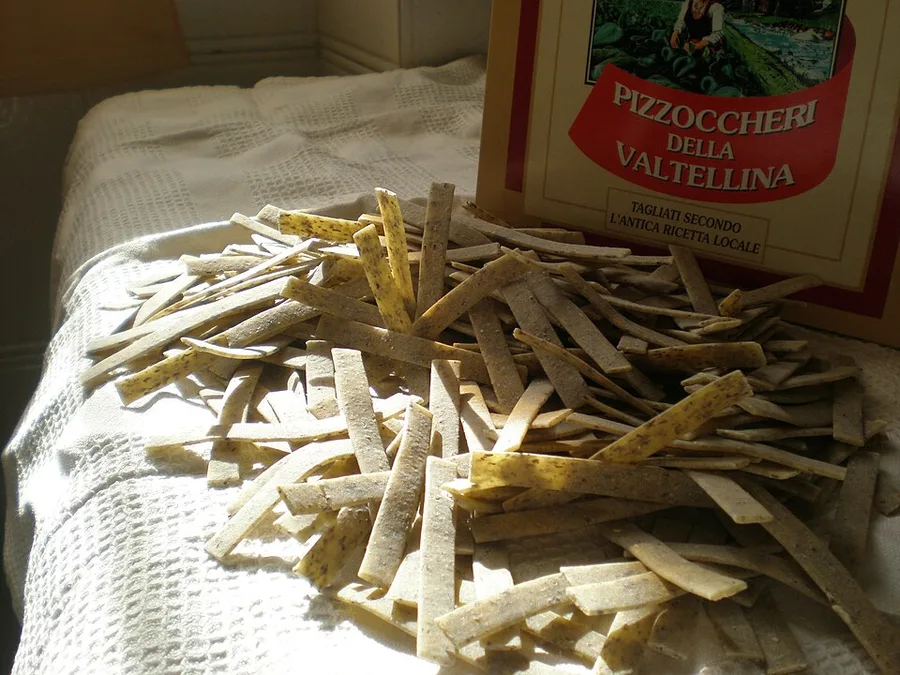
Seventy-four thousand searches a month, IGP: buckwheat pasta from the Valtellina. The cheese goes in layers between the hot pasta rather than stirred in, so it strings without splitting.
campania · 1.5-3 €/kg
Sixty thousand five hundred searches a month, and half of them are people wanting to know what they are: the flowering shoots of a turnip, picked before the flower opens, not green chillies.
 Radobera · CC BY-SA 3.0
sardegna · sicilia · 200-320 €/kg
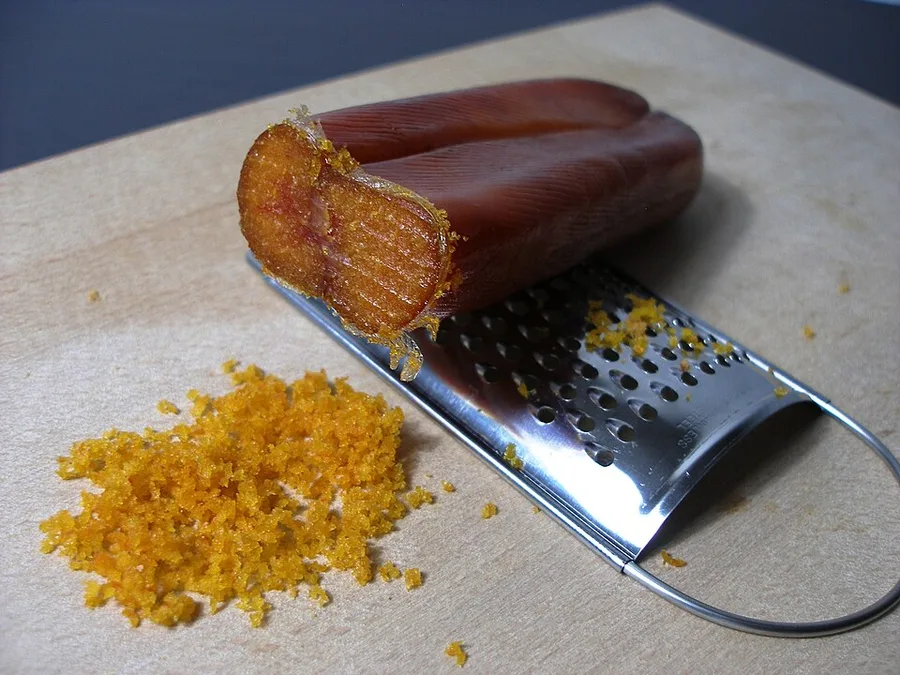
Forty-nine thousand five hundred searches a month: mullet or tuna roe, salted, pressed and cured. It is never cooked, because above sixty degrees it turns bitter.
 Luca Nebuloni from Milan, Italy · CC BY 2.0
lombardia · 32-42 €/kg
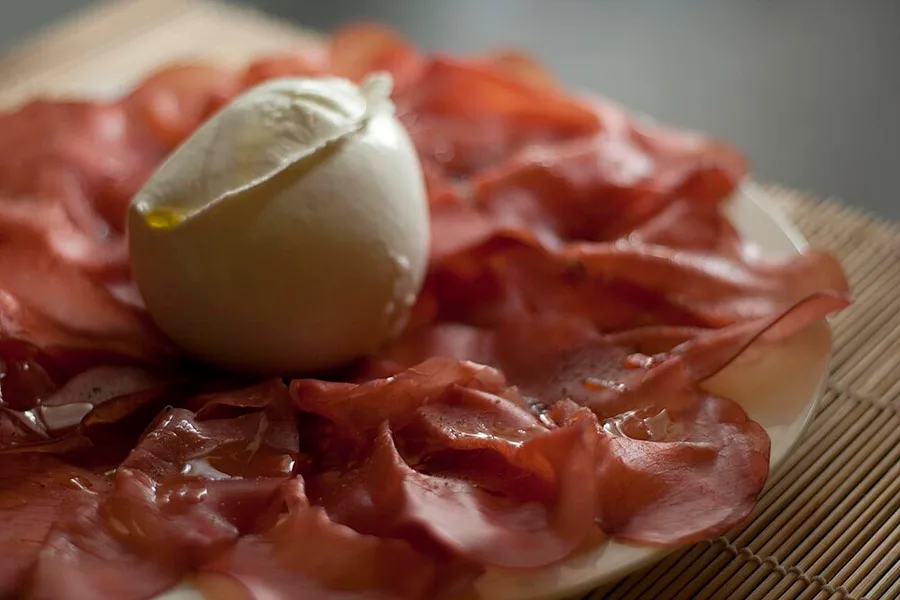
Forty-nine thousand five hundred searches a month, and the commonest question is what meat it is: beef, from the lean cuts of the leg, dry-salted and cured in the air of the Valtellina.
 Nirhan · CC BY-SA 4.0
trentino alto adige · 12-18 €/kg
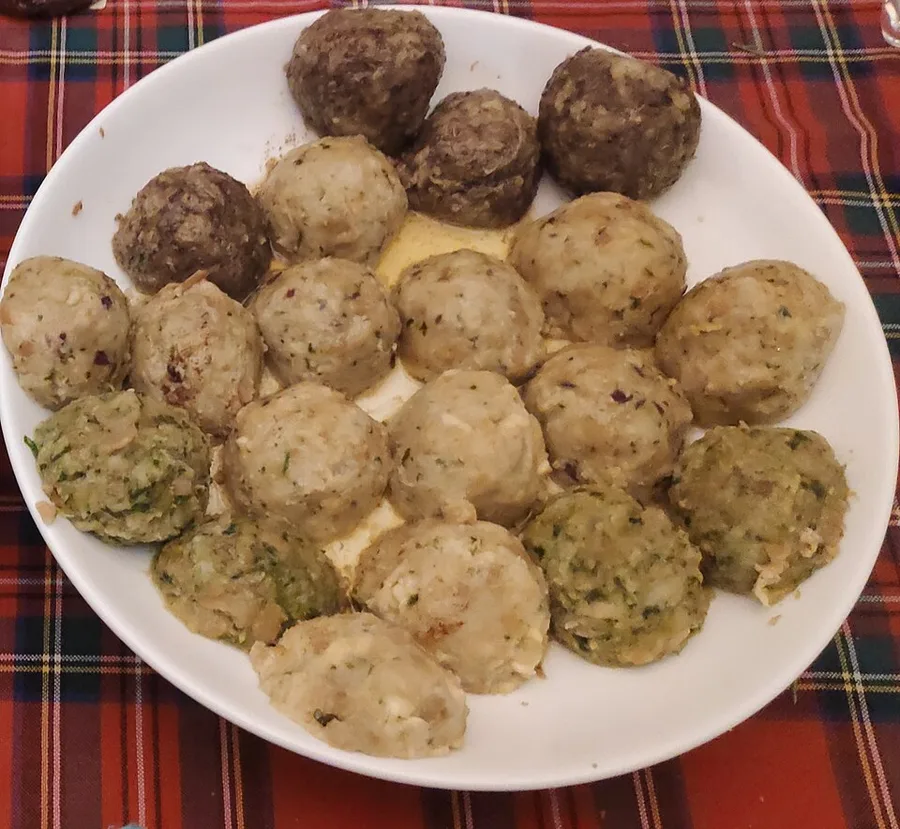
Forty-nine thousand five hundred searches a month: stale bread soaked in milk, egg and speck. The balance between soaking and flour is everything, and you test one before shaping the rest.
- 12
Gnocchi
veneto · lombardia · 5-8 €/kg
Forty-nine thousand five hundred searches a month. The potato came from the Americas, and for centuries gnocchi were made with other things: bread, semolina, chestnut flour, pumpkin.
 Asdalol · CC0
lazio
Forty-nine thousand five hundred searches a month: a sweet leavened bun filled with unsweetened cream at the last moment, because the bread absorbs fast and within half an hour the pastry changes.
 Jon Sullivan · Public domain
campania · puglia · 12-18 €/kg
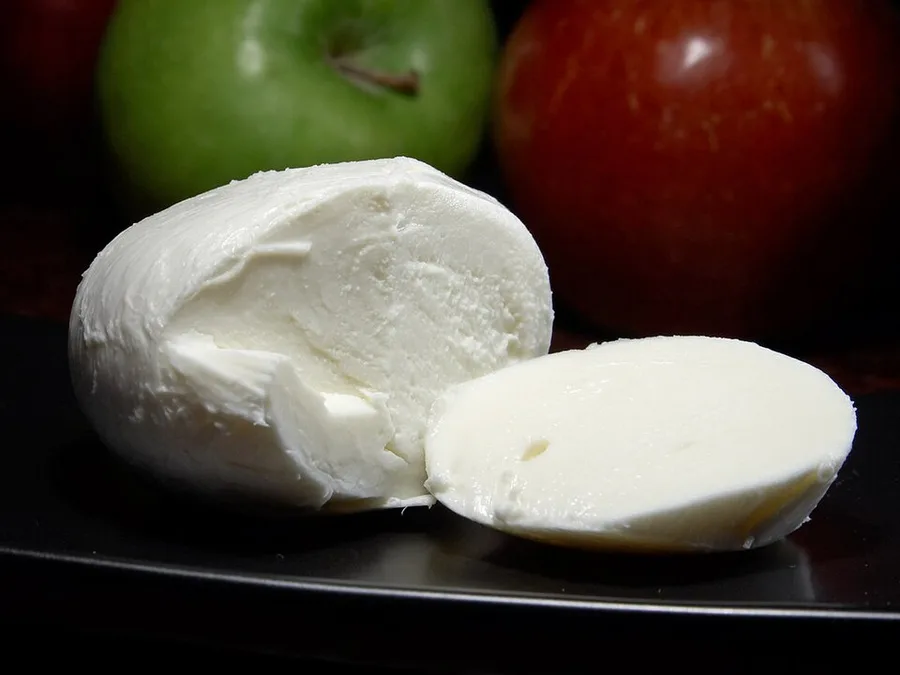
Forty-nine thousand five hundred searches a month, and two products live under the name: cow's milk fiordilatte and Mozzarella di Bufala Campana DOP. At the counter it pays to ask which.
 Alice Wiegand · CC BY-SA 4.0
calabria · 22-32 €/kg
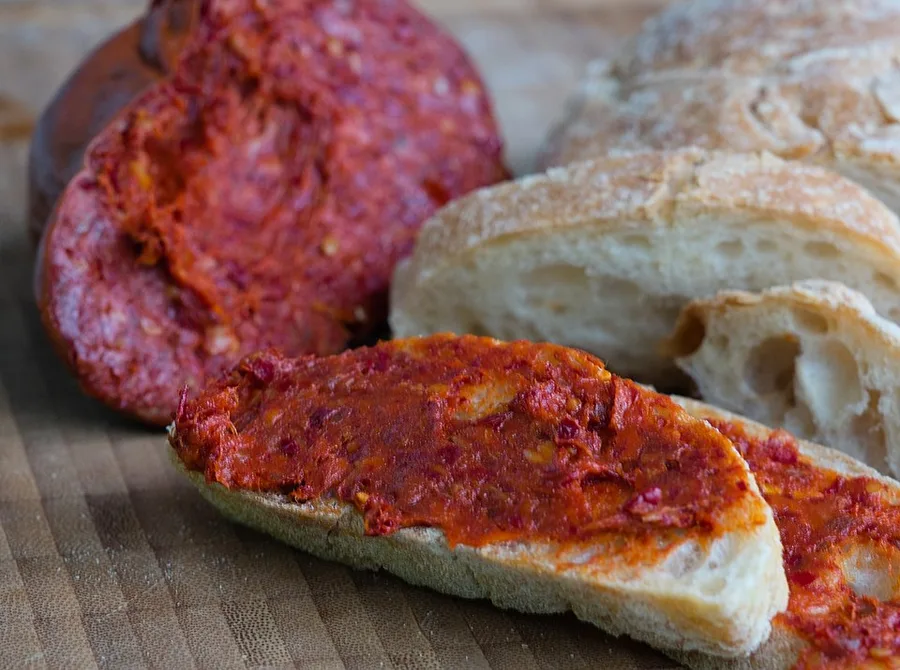
Forty-nine thousand five hundred searches a month: a third of the mixture is Calabrian chilli, and half a spoon dresses pasta for four. It melts over low heat and is not fried.
 Popo le Chien · CC016
Paccheri
campania · 7-12 €/kg
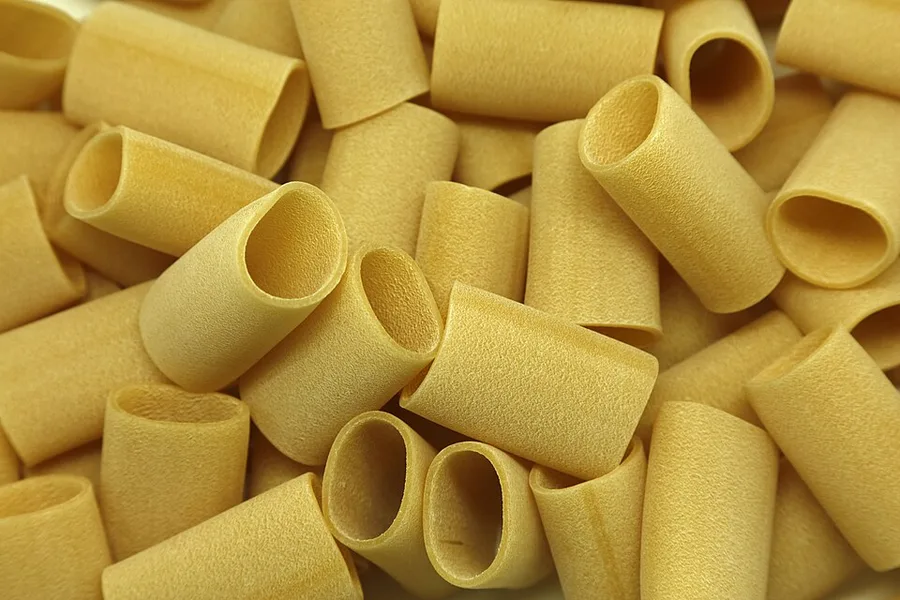
Forty-nine thousand five hundred searches a month: smooth thick-walled tubes, the big shape of Neapolitan cooking, which gathers sauce inside and stands up to baked fillings.
 Hartung · Public domain
lombardia
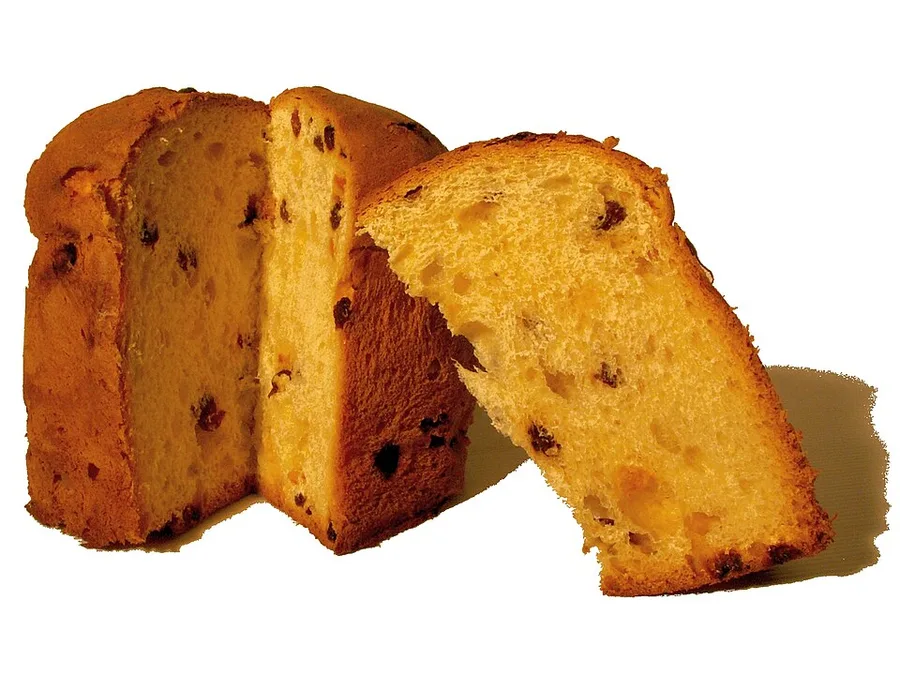
Forty-nine thousand five hundred searches a month, concentrated in December: mother dough, three doughs, candied peel and raisins, and the label is worth checking for margarine, flavourings and preservatives.
 AlfonsoLucifredi · CC BY-SA 4.0
liguria · 70-100 €/kg
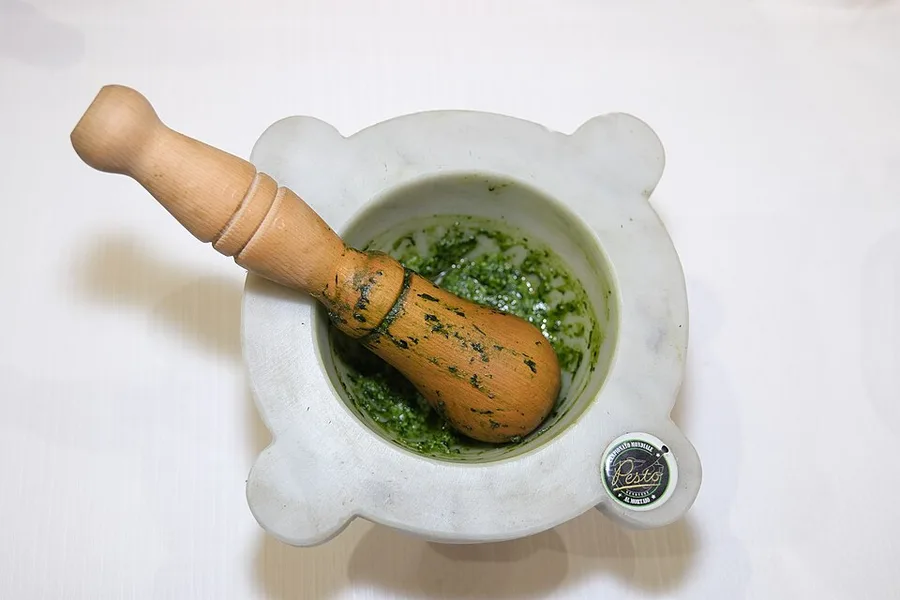
Forty-nine thousand five hundred searches a month: basil pounded in a mortar, garlic, pine nuts, two cheeses and oil. Heat never enters, and a blender warms the leaf and oxidises it.
 JIP · CC BY-SA 4.0
lazio · 12-22 €/kg
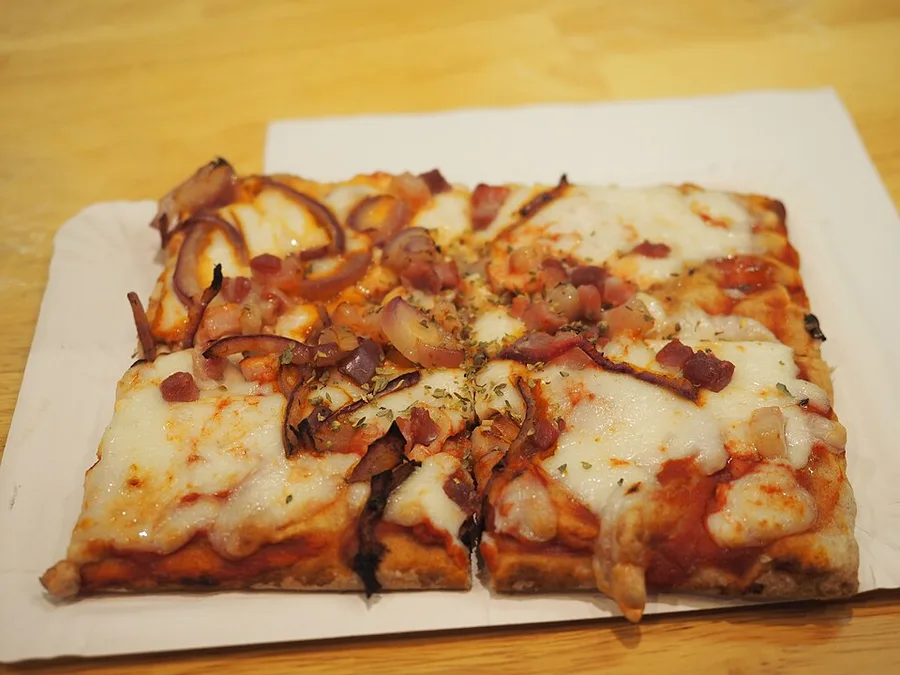
Forty-nine thousand five hundred searches a month: the Roman tray pizza, very high hydration, baked on an oiled sheet that fries the base while the oven bakes the rest.
 JP · CC0
lazio · 2-3.5 €/kg
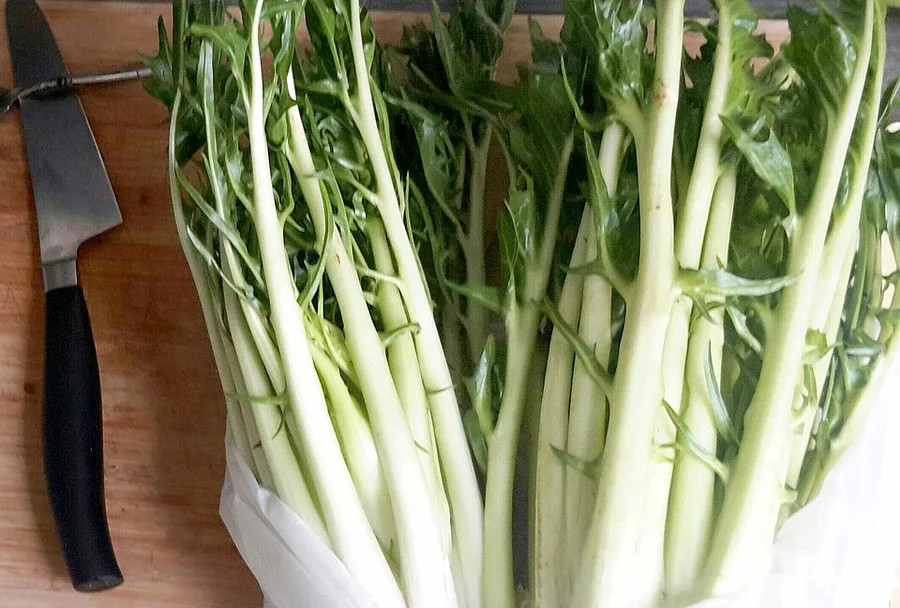
Forty-nine thousand five hundred searches a month, nearly all between November and March: the inner shoots of a catalogna chicory, cut into strips and curled in iced water.
One last thing
These numbers have one limit worth stating: they measure the name, not the product. Focaccia and crostata are generic words and also collect people looking for any recipe; asiago and gorgonzola are DOP names and also collect people looking for an industrial cheese sold under them. Where the name is specific, as with pizzoccheri or bottarga, the volume really does describe curiosity about that product. And in every case the measurement is from July 2026: seasonal searches, such as panettone, are at their annual low in that month.
The questions this list answers
These are real questions put to an AI assistant, in the period when Bing cited this site among its sources to answer them. The number is how many times we were cited. We read them in Bing Webmaster Tools, under AI performance, and they decide what goes on this page rather than the other way round.
- taleggio672 citations
- squacquerone183 citations
- friarielli cosa sono16 citations
- scamorza189 citations
- cosa sono le puntarelle60 citations
- robiola cheese179 citations
- asiago formaggio72 citations
- mozzarella di bufala291 citations
- tigella234 citations
- mostarda di cremona215 citations
Frequently asked questions
Where do these search volumes come from?
They are monthly volumes measured with DataForSEO in July 2026, the same figures reported on this site's product pages. They indicate how often that name is searched in Italy each month, not how much of the product is sold.
Which Italian product is searched for most in Italy?
Tiramisù, with around two hundred thousand searches a month. Then asiago, focaccia and gorgonzola at a hundred and ten thousand, then piadina at ninety thousand and crostata and pizzoccheri at seventy-four thousand.
Why are the most expensive products not the most searched?
Because volume measures curiosity rather than value: culatello, the most expensive cured meat in Italy, is searched by a few thousand people a month, while focaccia is searched by a hundred and ten thousand. Searches follow frequency of use, not price.
Do the volumes change with the season?
Yes, and markedly for feast-day products. Panettone, measured in July, is at its annual low; in December it multiplies. The same holds for puntarelle, searched between November and March, and for Bassano asparagus in spring.