What is Bottarga?
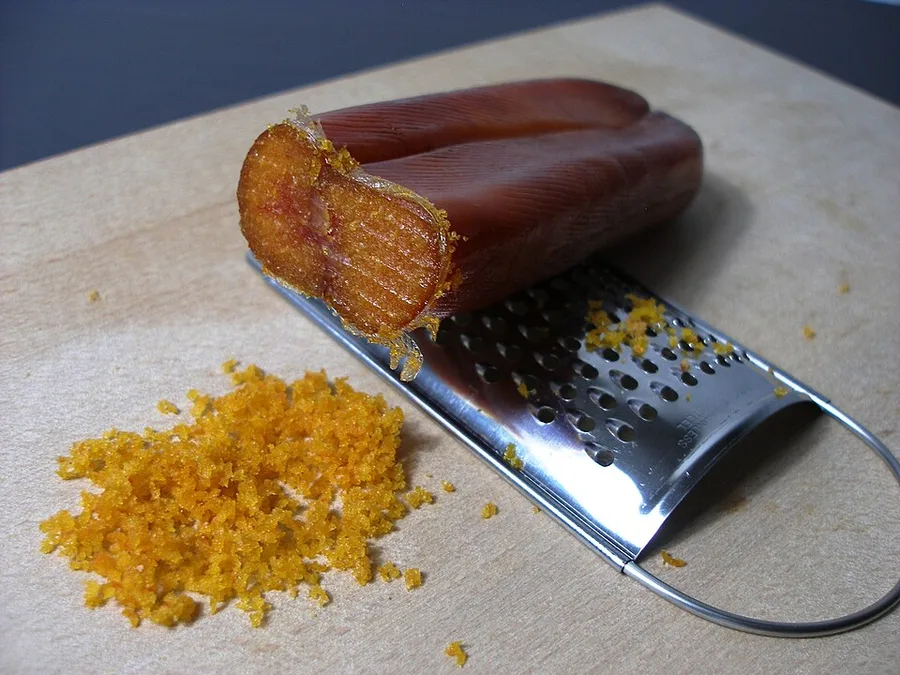
Bottarga is a whole fish ovary, removed intact, packed in dry salt, pressed flat between boards and dried until it is solid enough to grate or shave. It comes as a single piece, usually two joined lobes, sold whole or already grated into jars.
There are two kinds and they are genuinely different products. Bottarga di muggine is grey mullet roe from Sardinia: amber to deep orange, roughly the size of a hand, delicate, with a clean sea flavour and a bitter-almond finish. Bottarga di tonno is bluefin tuna roe from Sicily: much larger, darker, meatier, considerably saltier, and roughly a third of the price. Recipes that just say bottarga almost always mean mullet.
The word came into Italian from Arabic butarikh, itself from Greek ōotárichon, salted eggs. The technique travelled the Mediterranean long before the word did, and the same product exists as karasumi in Japan and avgotaracho in Greece.
What does it taste like?
Salty first, then deeply savoury, then oddly floral. The salt is the front of the flavour, but what stays is a concentrated, slightly waxy shellfish-and-sea intensity, closer to the umami of aged cheese or anchovy than to anything fishy.
Mullet bottarga finishes with a distinct bitterness, like the skin of an almond, which is exactly what keeps it from being just salt. Tuna bottarga is heavier and closer to cured meat: more like a very dry, very savoury ham made of fish.
Grated over hot pasta with olive oil it stops tasting like a strong ingredient and starts tasting like seasoning, the way anchovy disappears into a sauce. Nobody's first reaction is that it tastes like fish eggs.
How to use it
Never cook it. Heat turns bottarga bitter and burns off the aroma you paid for, so it goes in at the very end, off the flame.
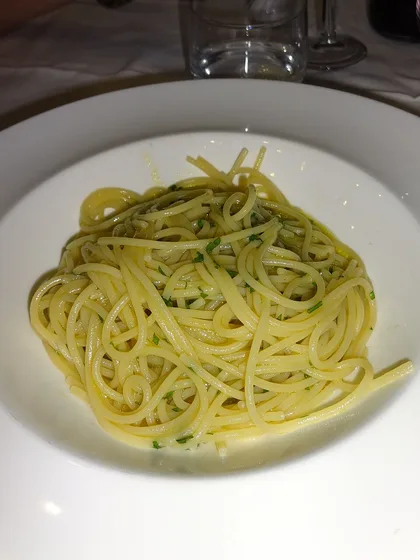
For the classic spaghetti: warm a smashed garlic clove in good olive oil, add a ladle of pasta water to emulsify, toss in drained spaghetti, take the pan off the heat, and only then grate in 15–20 g of bottarga per person. Salt the pasta water very lightly: the bottarga brings all the salt the dish needs.
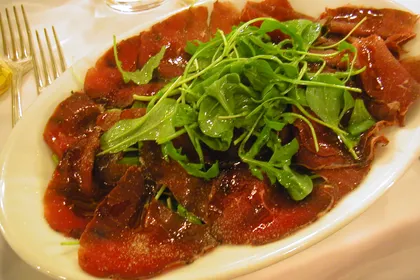
Shaved rather than grated, with a vegetable peeler, it is best raw: over thinly sliced raw artichoke with lemon, over fennel and orange, over celery, over burrata, over a soft-boiled egg. In Sardinia it is eaten simply, in slices, with butter and carasau flatbread.
A whole piece keeps its aroma far longer than a jar of pre-grated, so buy the block and grate to order.
How long it keeps
Vacuum sealed and whole, a lobe keeps eight to twelve months in the fridge. Once you have cut into it, wrap it in greaseproof paper or foil and close it in an airtight box: three to four months is the usual window, and across it the roe dries slowly, firms up and tastes more concentrated. If the cut face hardens too much, a cloth barely wiped with oil brings the surface back.
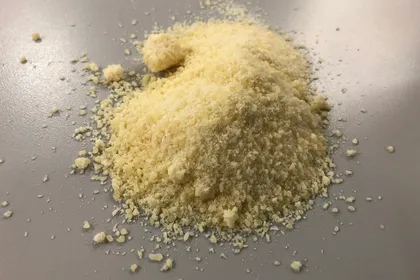
Freezing is possible but costs structure, since the cold breaks the tissue and a thawed lobe crumbles instead of grating into clean ribbons. If you have to, freeze it already grated in small portions. An opened jar of grated bottarga goes back in the fridge and is generally given a month or two; after that the perfume is gone and what remains reads as salt. A dry whitish bloom on the surface is usually salt working its way out and comes off with a cloth. Damp or green growth, or a smell of ammonia, is a different change, and there the date on the pack and the shop that sold it are the reference.
Spot the real thing
A good mullet lobe is firm but not stone hard: press it with a thumb and it should give a little. The colour is even, amber to deep orange, with no blackened zones at the edges, which come from drying pushed too far or too fast, and the outer membrane should be whole and tight against the roe. The smell is clean sea with a bitter almond note behind it. Whole lobes arrive vacuum sealed or waxed, and Greek avgotaracho is the same fish handled the same way.
Tuna bottarga is the other thing on the shelf: darker, brick red to brown, coarser grained, saltier and blunter, and generally cheaper. Neither label is wrong, but they do not swap places in a bowl of pasta. Jars of ready grated bottarga need reading, because nothing requires them to be one hundred per cent mullet and the cheap ones blend species and offcuts. For the same money a whole lobe grated at the table beats a jar. Expect roughly $35 to $60 or £30 to £50 for an 80 to 100 g mullet lobe.
How to pronounce Bottarga
boh-TAR-gah
Three syllables, stress on the second. Hard 'g' as in 'garden', never 'boh-TAR-jah'. The final 'a' is a full open vowel, not a swallowed schwa. The Sardinian town most associated with it, Cabras, is 'CAH-brahs'.
Bottarga compared
vsBottarga di tonno (tuna bottarga)
Same technique, different fish, different price bracket. Mullet bottarga is the refined one you shave over raw vegetables; tuna bottarga is the robust one you grate into a sauce with tomato and capers. Neither is a fake version of the other.
| This | Bottarga di tonno (tuna bottarga) | |
|---|---|---|
| Fish | Grey mullet (Mugil cephalus) | Bluefin tuna |
| Home | Sardinia: Cabras, Tortolì | Sicily: Favignana, Marzamemi; Carloforte |
| Colour | Amber to deep orange | Reddish brown to near-mahogany |
| Size of a piece | 60–150 g | 500 g to over 1 kg |
| Flavour | Delicate, bitter-almond finish | Meatier, saltier, blunter |
| Price | €200–320 per kg | €80–150 per kg |
| Best for | Spaghetti, shaved raw over vegetables | Tomato-based sauces, potatoes, peppers |
vsKarasumi (Japan) and avgotaracho (Greece)
All three are the same idea, salted and pressed and dried mullet roe, arrived at independently or carried along the same trade routes. If you live near a Japanese or Greek grocer, you have a direct substitute.
| This | Karasumi (Japan) and avgotaracho (Greece) | |
|---|---|---|
| Fish | Grey mullet | Grey mullet (both) |
| Finish | Vacuum-sealed or waxed | Karasumi: often brushed with sake. Avgotaracho: sealed in beeswax |
| Texture | Firm, gratable | Karasumi is softer and often sliced, not grated |
| Served | Grated over pasta, shaved on vegetables | Karasumi sliced with daikon and sake; avgotaracho sliced with lemon |
| Price | High | Karasumi is often higher still |
vsCaviar
The 'Mediterranean caviar' nickname is marketing. Caviar is loose, unpressed sturgeon eggs eaten by the spoonful and served cold on its own; bottarga is a dried, pressed block used as a seasoning. They are not interchangeable in any dish.
| This | Caviar | |
|---|---|---|
| Form | Solid dried block | Loose fresh eggs |
| Role | Seasoning, grated or shaved | Eaten on its own |
| Water content | About half is driven off | Fresh, high moisture |
| Shelf life | Months to a year | Weeks, refrigerated |
Bottarga substitutes
- Karasumi (Japanese mullet roe)
The same product under another name, stocked by Japanese grocers and often easier to find in US and UK cities than Sardinian bottarga. Slightly softer, so grate it while cold.
1:1 - Avgotaracho Messolongiou (Greek mullet roe)
Greek PDO mullet roe, usually sold sealed in beeswax. Peel the wax off before grating. Marginally milder than Sardinian bottarga.
1:1 - Salted anchovy fillets melted in olive oil
The realistic pantry substitute. Warm three or four fillets in the oil until they dissolve, then take the pan off the heat. You get the savoury depth without the granular texture or the almond bitterness.
3–4 fillets replace 15 g of grated bottarga per person - Colatura di alici
Liquid rather than grated, and from the same family of preserved anchovy. Excellent in the pasta itself, useless where you wanted crumbly texture on top.
1 teaspoon per person, added off the heat - Dried shrimp, toasted and ground
Common in Asian groceries and surprisingly close in role: salty, concentrated, powdery. Toast it in a dry pan, grind it fine, and use it exactly as you would grated bottarga.
1:1 by volume, then adjust for salt - Vegetarian: toasted breadcrumbs with nori and capers
Not a copy, but it does the same job on a plate. Toast coarse breadcrumbs in olive oil, blitz with a sheet of toasted nori, a spoon of rinsed salted capers and a little lemon zest. Gives you the salt, the sea and the crunch.
Where to buy it
In the US, Italian specialists such as Gustiamo and Eataly stock Sardinian mullet bottarga, as do most serious Italian delis; Japanese and Korean groceries often carry karasumi, which is the same thing. Expect roughly $45–70 for a 100 g piece of mullet bottarga, less for tuna.
In the UK, Italian delicatessens and online grocers including Sous Chef and Natoora carry it, and it turns up in Waitrose's specialist range; London's Italian restaurant trade has kept a steady supply for decades. Budget £30–45 for 100 g.
Buy a whole piece rather than a jar wherever possible. Grated bottarga in jars is legally allowed to blend roe from more than one species, and it loses aroma within weeks of opening. Look for the species on the label (muggine or cefalo for mullet, tonno for tuna) and for vacuum packing with the roe sac visibly intact, evenly amber, with no blackened edges.
Where to eat it in Italy
Cabras, on the Sinis peninsula in western Sardinia, is the centre of the mullet bottarga world: a brackish lagoon, cooperatives that have fished it for centuries, the Mont'e Prama giant statues in the town museum, and the Punic-Roman ruins of Tharros a few kilometres away. The town holds its own bottarga festival. Oristano and Alghero put it on every menu.
For tuna bottarga, head to Carloforte on the island of San Pietro, whose Ligurian-Tunisian community turned bluefin into a cuisine and whose Girotonno festival at the turn of May and June is the calendar event. In Sicily, the old Florio tuna works at Favignana is now a museum, and Marzamemi's tonnara still frames the village square.
Recipes with it
Further reading
Frequently asked questions
What is bottarga, exactly?
The whole roe sac of a grey mullet or a tuna, cured in dry salt, pressed flat and air-dried for three weeks to three months until it is firm enough to grate. It is a seasoning, not a spread and not caviar.
What does bottarga taste like?
Salty and intensely savoury, with a waxy shellfish depth and a bitter-almond finish in the mullet version. It reads more like anchovy or a hard aged cheese than like fish eggs, and over pasta it mostly disappears into the dish as seasoning.
How do you pronounce bottarga?
boh-TAR-gah, stress on the middle syllable, hard 'g'. Not 'boh-TAR-jah'.
Can you cook bottarga?
No. Direct heat makes it bitter and destroys the aroma. Always add it off the heat, at the very end, including in pasta, where the pan should already be off the burner.
What can I use instead of bottarga?
Japanese karasumi or Greek avgotaracho are the same product and swap one to one. Failing that, melt three or four salted anchovy fillets into the oil, or add a teaspoon of colatura di alici off the heat: you lose the texture but keep the savoury weight.
Related foods
 Fish and seafoodColatura di Alici (Italian Anchovy Sauce)Colatura di alici is the amber liquid that drains from anchovies packed in salt in chestnut barrels at…
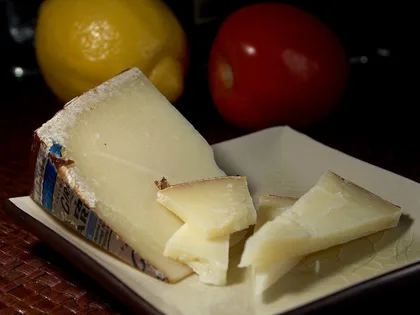 CheesePecorino SardoPecorino Sardo DOP is Sardinia's table cheese: whole sheep's milk, calf rennet, two official types.Fish and seafoodSardinesSardines are not small anchovies. They are a different species with a different snout, a different mouth and…
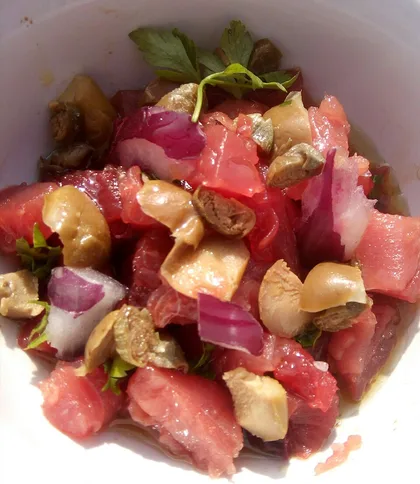 Fish and seafoodBluefin TunaAtlantic bluefin, Thunnus thynnus, is the fish Sicily and Sardinia built their tonnare around, with a…
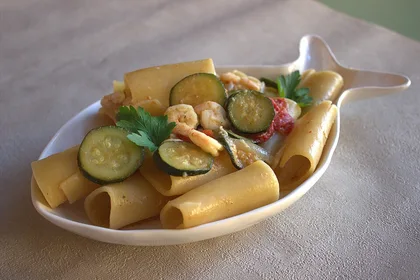 Fish and seafoodMazara Red PrawnsMazara red prawns are trawled between 400 and 700 metres down in the Strait of Sicily, where the water stays…
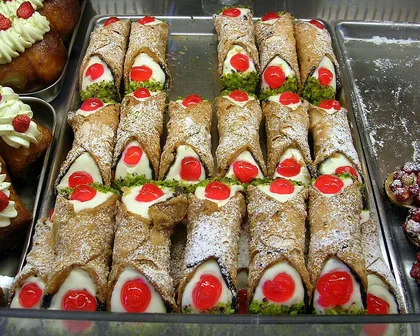 SweetsCannoliIt has to be filled when you order it, and anywhere that fills them in advance has already lost: the fried…
 Pasta and breadAranciniArancini are deep-fried Sicilian rice balls: saffron rice moulded around a filling of meat ragù and peas, or…
 SweetsGelatoGelato is not ice cream translated. It carries less fat (4-8% against 10-18%), holds far less air (20-35%…