Nineteen things for the Italian pantry, and how to spot the real ones
Castelluccio lentils, crusco peppers, San Marzano, balsamic, saffron, Bronte pistachio. These are the products that keep for months and decide a dish: here with the one rule that stops you buying the wrong version, and the price per kilo.
This is the list of things you do not buy for today. Pulses, grains, preserves, fats and flavourings: things that sit in a jar for months and that settle the quality of a dish more than the fresh ingredients do, because on a plate of lentils the lentil is everything.
It is also the category where labels mislead most, for a precise reason: you can judge a fresh tomato by looking at it, and a tinned one you cannot. San Marzano is the textbook case, because the name covers both a variety anyone may grow anywhere and a DOP that applies only to the Agro Sarnese-Nocerino. Balsamic is the other: between a six-euro bottle and an eighty-euro one there is not a difference of quality but a difference of product.
Every entry below carries the thing to look at before you pay, which is almost never the price but a word on the label: the denomination, the harvest year, the real origin. The last four entries are nuts and flavourings, where the harvest matters more than the mark.
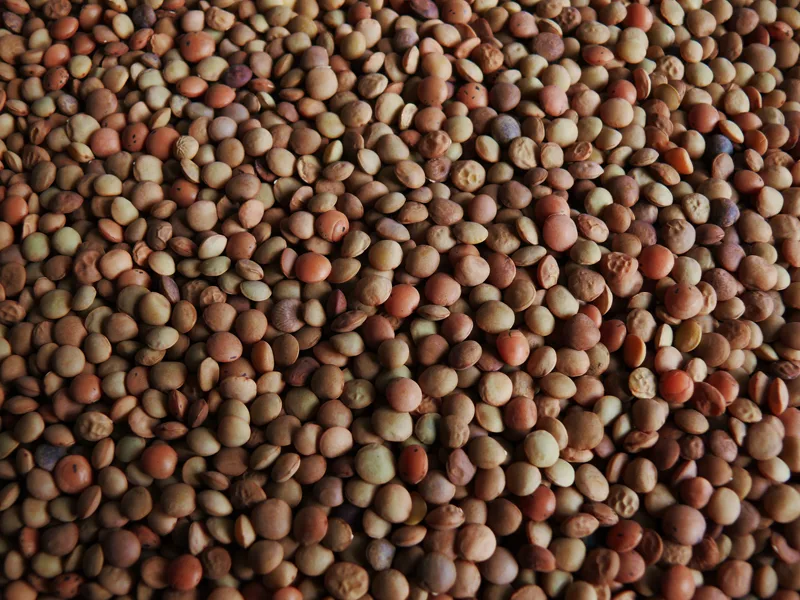 Zyance · CC BY-SA 2.5
umbria · 18-25 €/kg
They grow on the Piano Grande at Castelluccio di Norcia, between thirteen and fifteen hundred metres, and the altitude does everything: they are tiny, thin-skinned and need no soaking. They cook in twenty or thirty minutes and stay whole. If the packet tells you to soak overnight, what is inside is not this lentil.
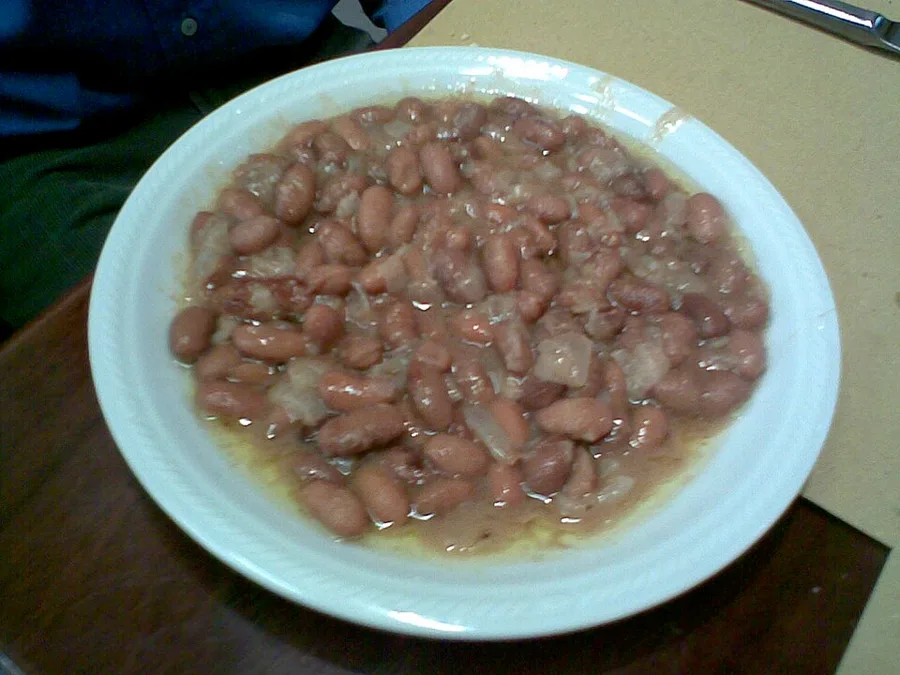 Xaura · CC BY-SA 3.0
veneto · 8-15 €/kg
Borlotti from the Belluno hills grown above five hundred metres, with a skin so thin you cannot feel it in the mouth: it is why Venetian pasta e fagioli is made with these. Four ecotypes under one IGP. They cost twice an ordinary borlotto and the whole difference is the skin.
toscana
Small, sulphur-yellow, grown on the Pratomagno above Arezzo on a handful of hectares. The skin is almost imperceptible and the flesh buttery, and it is traditionally cooked in a wine flask in the embers, eight hours with the fire out. It is among the dearest pulses in Italy because the yield per hectare is tiny.
umbria · marche
The pulse Italy had nearly forgotten: very old, hardy, growing where nothing else will. It is soaked at length, twenty-four hours with several changes of water, which is the practice handed down wherever it is grown. It tastes of chickpea and broad bean at once and stands up to long soups.
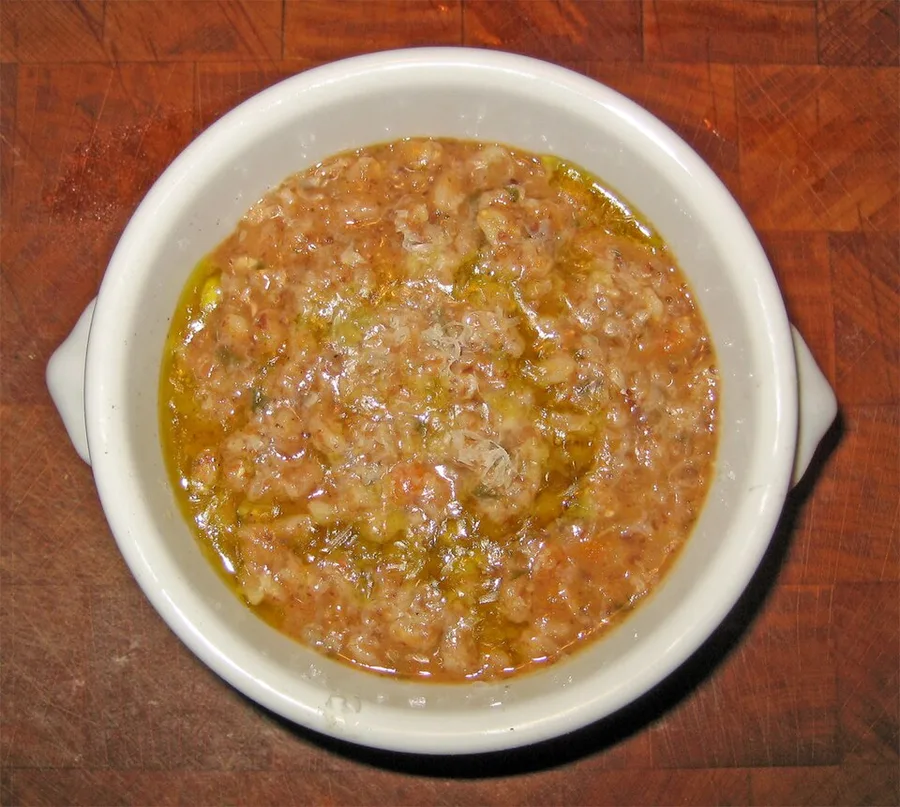 fugzu · CC BY 2.0
toscana · 4-8 €/kg
Triticum dicoccum, emmer, the first farro in Europe to be awarded an IGP. The real thing is hulled and keeps its bran, so it wants twelve hours of soaking and forty minutes of cooking. Pearled farro, abraded at the surface, needs no soak and cooks in twenty: handier, less flavourful, and the label says which is which.
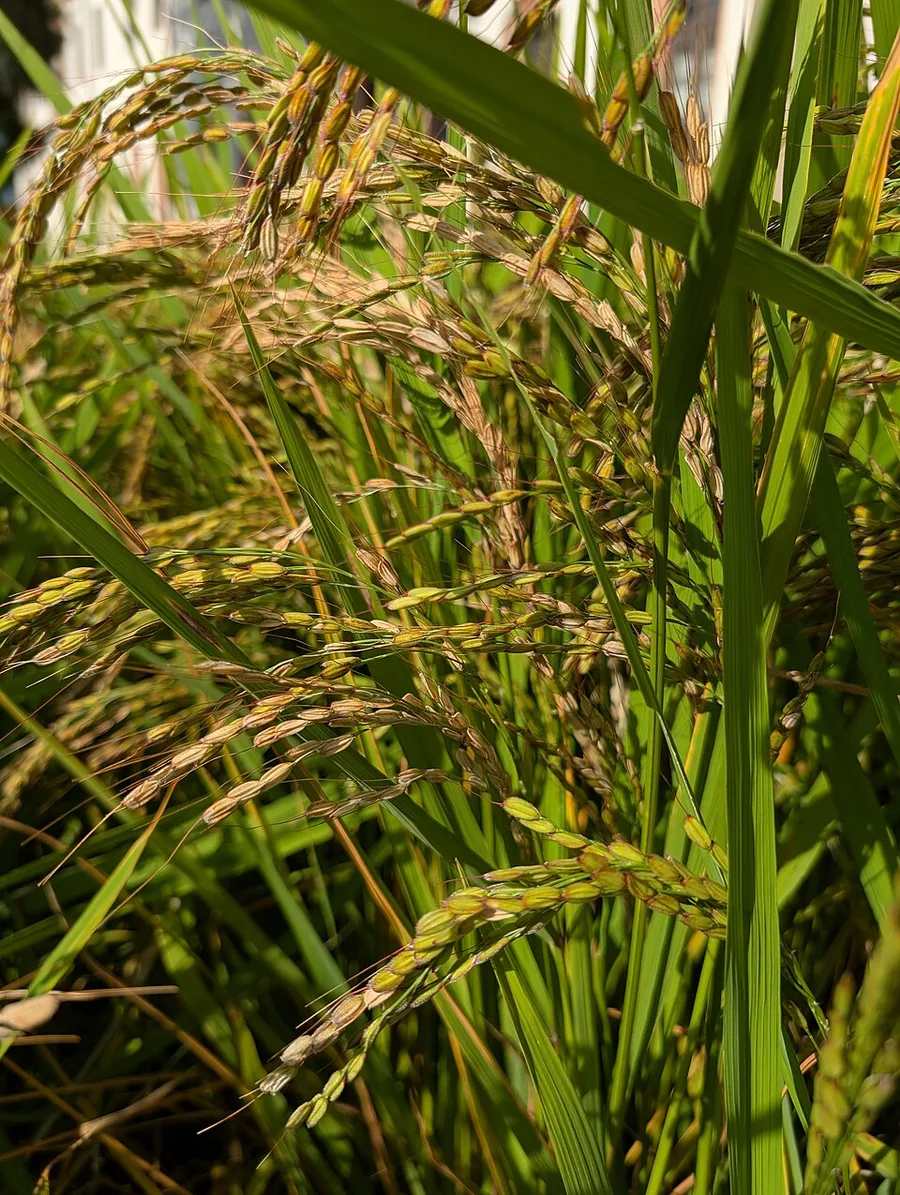 Ivanbranco · CC BY-SA 4.0
lombardia · piemonte · 2.5-4 €/kg
Created in 1945 from a cross made near Lodi, it has the highest amylose content of the risotto rices: it holds its bite after twenty minutes of stirring while still releasing the starch that creams. Vialone Nano cooks faster and absorbs more, Arborio breaks down at the surface.
basilicata · 25-45 €/kg
Senise peppers sun-dried in strings and then dropped into hot oil for three or four seconds, long enough to puff and turn glassy. They are not hot. They are crumbled over pasta and salt cod or eaten like crisps, and they are fried to order because within an hour they go soft.
 Assianir · CC BY-SA 3.0
campania
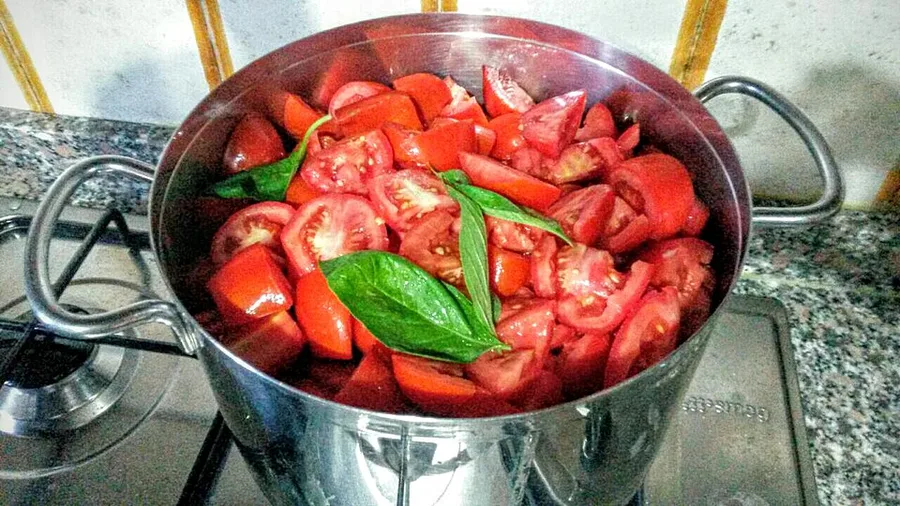
Here the label matters more than the name. San Marzano is a variety anyone can grow in any country; San Marzano dell'Agro Sarnese-Nocerino DOP is another thing, grown on volcanic soil between Salerno and Naples and sold only as whole peeled tomatoes in a tin. If the tin does not carry the DOP mark, you are buying the variety and not the origin.
campania · 6-12 €/kg
From Vesuvius, thick-skinned and pointed: it is picked in bunches and hung up, the piennolo, where it stays until spring and concentrates. It is not a salad tomato, it is a tomato for preserving and for spaghetti, and its sweet-sour edge comes from the lava soil and the lack of water.
 Antonio Cavallo · Public domain
lombardia · piemonte
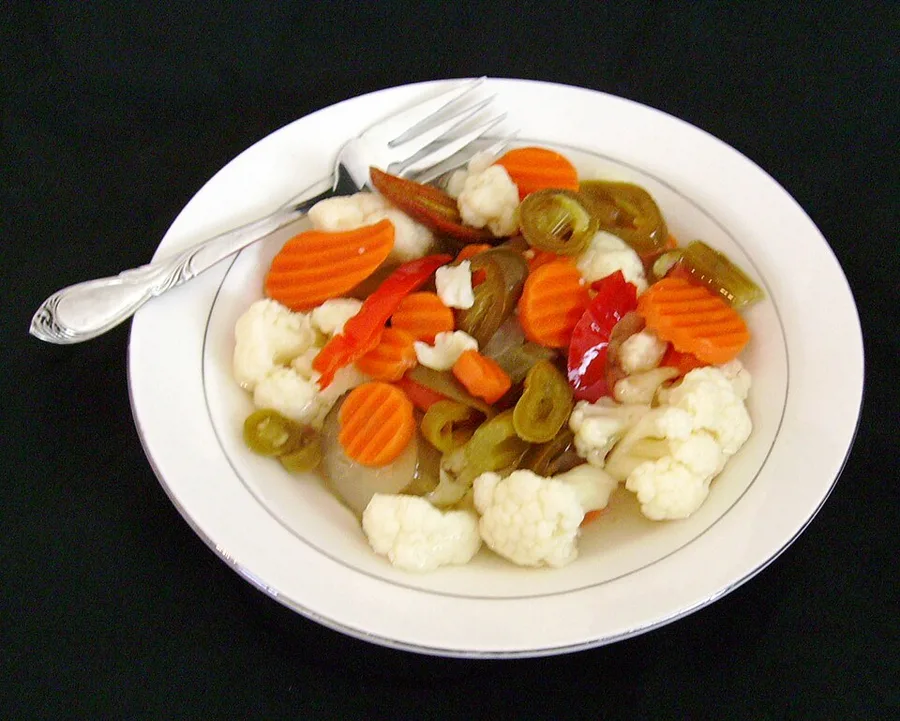
Vegetables cut and kept in vinegar: carrot, celery, cauliflower, peppers, baby onions. The Italian one lives in vinegar and is a sharp side for cured meats and boiled beef; the Chicago giardiniera, which is Italian-American, lives in oil with chilli and is a different recipe under the same name.
 Silvio from Rome, Italy · CC BY 2.0
lombardia · 18-30 €/kg
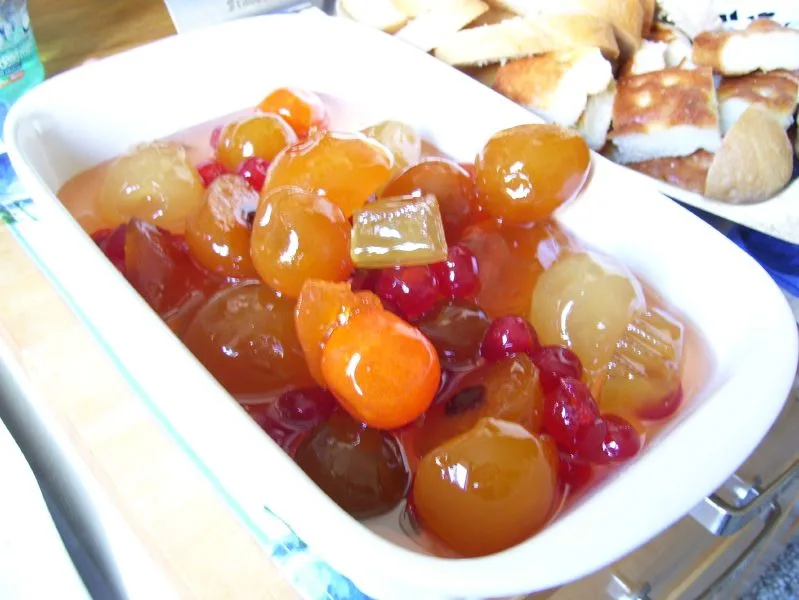
Whole fruit candied in a syrup with mustard essence: sweet on the first bite and then sharp in the nose. It goes with boiled meats and aged cheese rather than on its own, and a spoonful is enough. The Mantuan version is made with apples and goes into pumpkin tortelli, where without it the filling turns cloying.
 Kikiteppi · CC BY-SA 4.0
emilia romagna
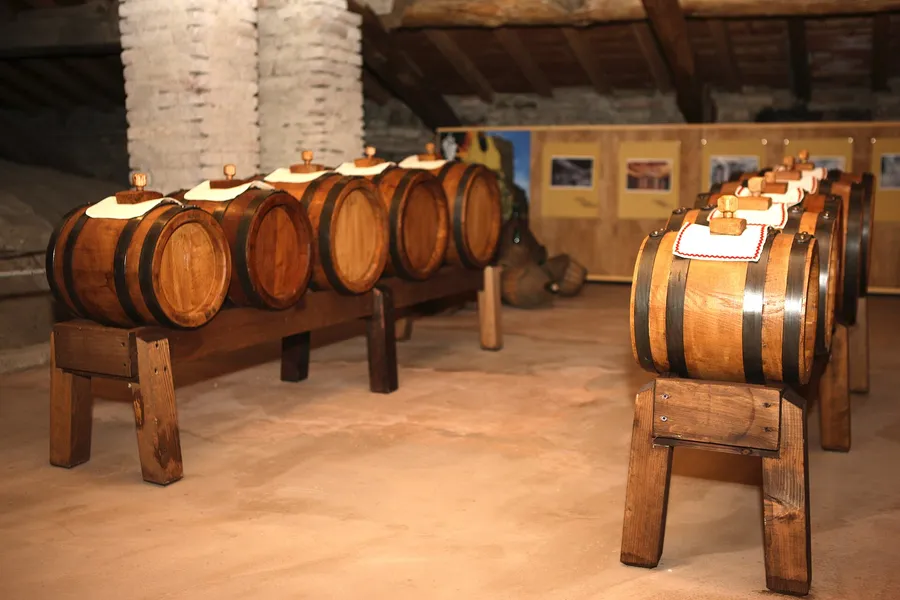
Two products, one name. The Tradizionale DOP of Modena or Reggio Emilia is cooked must aged at least twelve years in a battery of barrels, sold in hundred-millilitre bottles and poured by the drop. The IGP is another category: it allows wine vinegar and caramel, costs a few euros and is a condiment rather than a distillation of time.
 PROPOLI87 · CC BY-SA 4.0
toscana · puglia · 0.5-1.2 €/kg
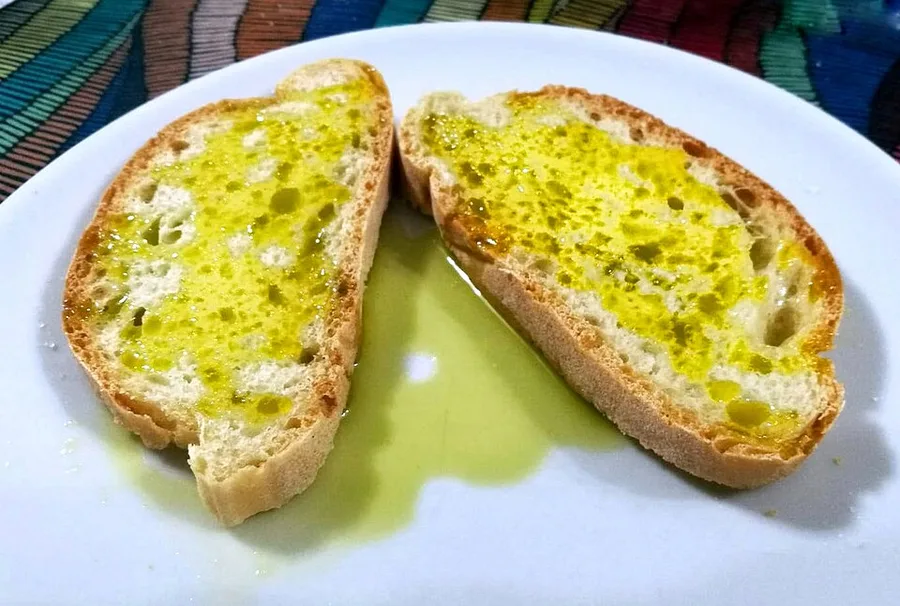
The word extra virgin only tells you the acidity is under 0.8 per cent, which is almost nothing. Two other things matter: the harvest date rather than the best-before, because an oil is at its best within twelve to eighteen months, and the origin, where a blend of oils from various EU countries means precisely what it says.
 AlfonsoLucifredi · CC BY-SA 4.0
liguria · 70-100 €/kg
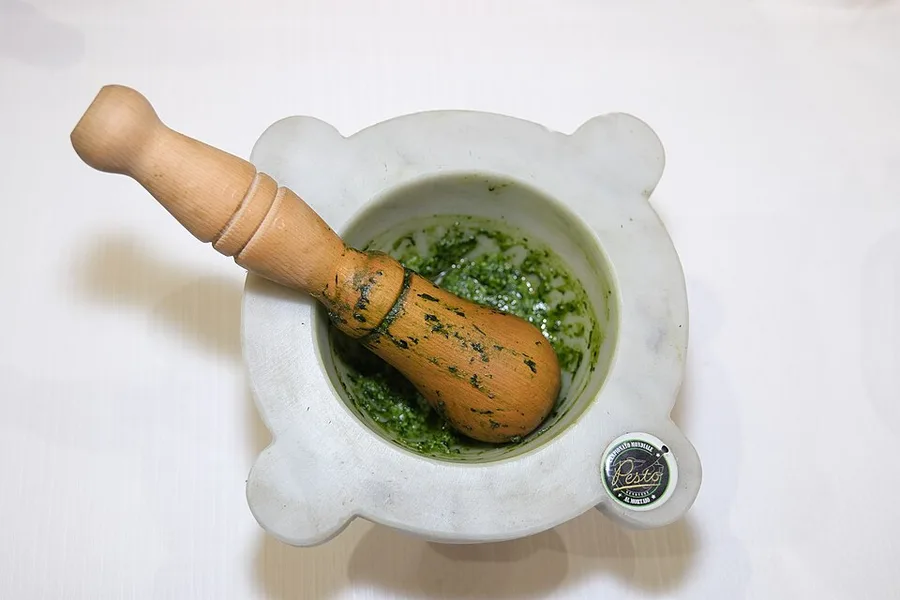
Seven ingredients and nothing else: Genoese DOP basil, Parmigiano, Fiore Sardo, pine nuts, garlic, coarse salt and Ligurian oil. In a jar, look for one without cashews standing in for pine nuts and without potato or potato flakes as a thickener, which are the two commonest shortcuts.
 Rainer Zenz · Public domain15
Saffron
abruzzo · sardegna · 15000-40000 €/kg
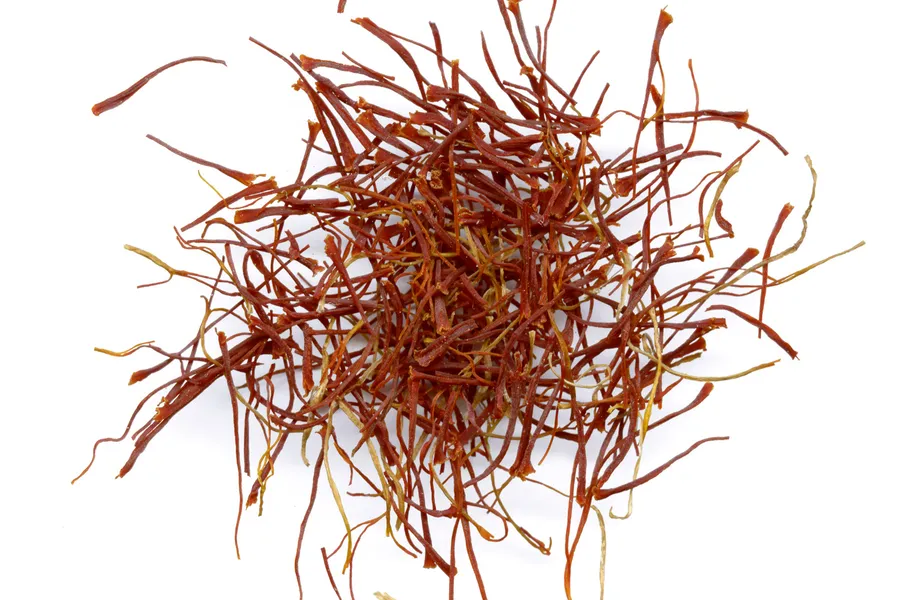
It is picked by hand, flower by flower, at dawn, and a kilo of spice takes roughly a hundred and fifty thousand flowers: the price is not a mark-up, it is the labour. Buy whole threads and never powder, which is the form it is adulterated in, and steep them in warm water twenty minutes before you use them.
sardegna · 45-50 €/kg
Sardinian, bitter, almost resinous: the strawberry tree flowers in November and December when almost nothing else does, the bees work little and the yield is minimal, hence the price. It is the only openly bitter Italian honey, and it is what seadas want on top, because sweetness alone could not carry fried cheese.
 Paolo Galli · CC BY-SA 3.0
sicilia · 25-40 €/kg
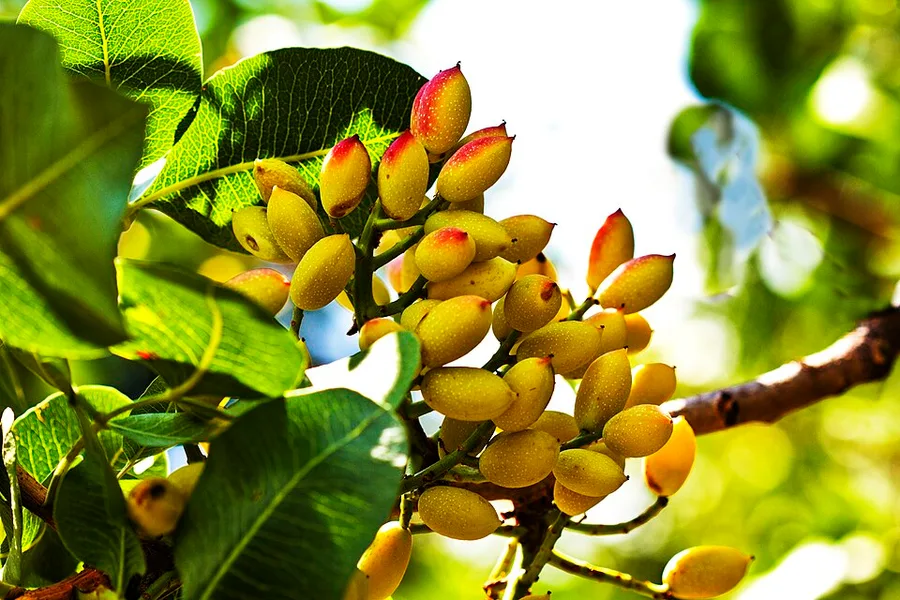
It grows on the lava of Etna and is picked by hand every other year, because the trees rest in even years. The nut is long, emerald and violet: the green is the tell. It costs four or five times an ordinary pistachio, and a bright green cream or gelato at a low price is coloured almond.
 WINELINKITALY - Barbara D'Agapiti · CC BY-SA 2.0
piemonte · 6-10 €/kg
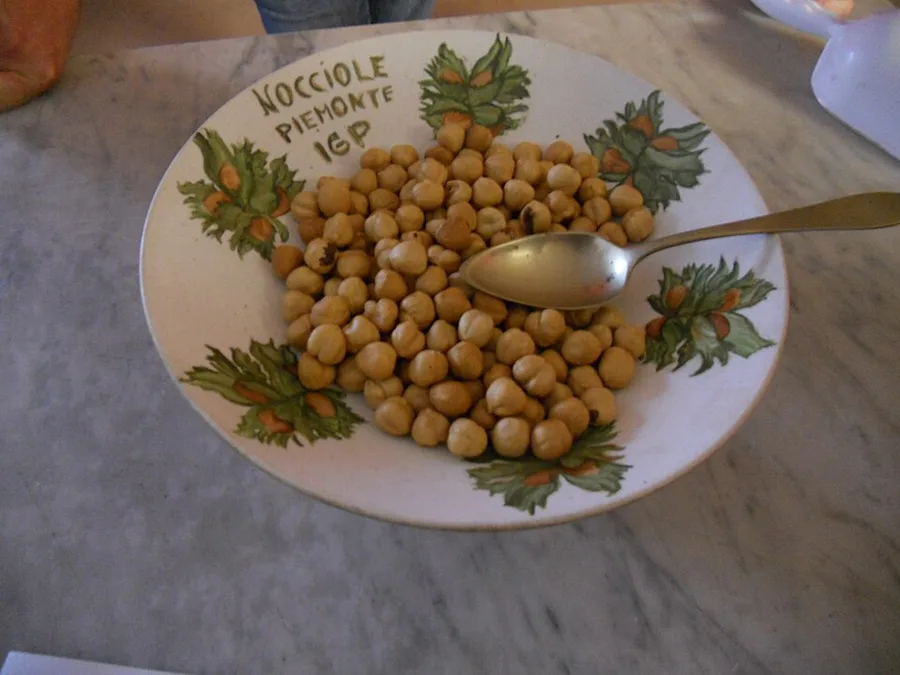
The Tonda Gentile of the Langhe, round, with a skin that comes away in roasting: it is the hazelnut of Piedmontese pastry and of gianduia. Shelled and roasted it lasts a few months and then goes rancid, so buy small amounts and keep them cool, not in the cupboard above the oven.
toscana · campania · 4-8 €/kg
Two different things under one name: the chestnut, smaller with several nuts per burr, and the marrone, large, sweet and with a skin that peels away whole. Chestnut flour, sweet and gluten-free, is the base of castagnaccio and necci, and it goes rancid quickly: buy it in winter and use it by spring.
One last thing
Three rules for the whole pantry. The marks are not decoration: DOP means everything happens in that area, IGP that at least one stage does, and on a jar that distinction is often the only true information there is. The date to read is the harvest, not the best-before, for oil, nuts and chestnut flour. And light is the enemy: oil, pulses and nuts belong in the dark, and an oil standing in a clear bottle in a shop window has already lost something before it reaches your kitchen.
The questions this list answers
These are real questions put to an AI assistant, in the period when Bing cited this site among its sources to answer them. The number is how many times we were cited. We read them in Bing Webmaster Tools, under AI performance, and they decide what goes on this page rather than the other way round.
- what are castelluccio lentils1,017 citations
- peperone crusco836 citations
- was sind castelluccio linsen?757 citations
- what is giardiniera382 citations
- aceto balsamico220 citations
- mostarda di cremona215 citations
- riso carnaroli148 citations
- what is mostarda60 citations
- castelluccio lentils54 citations
- pomodoro san marzano51 citations
- miele di corbezzolo sardo50 citations
- fagioli zolfini48 citations
Frequently asked questions
Why do Castelluccio lentils not need soaking?
Because they are small and very thin-skinned, an effect of the altitude of the Piano Grande, between thirteen and fifteen hundred metres. They cook in twenty to thirty minutes from cold water and stay whole. A lentil that asks for an overnight soak is a different variety.
How do I recognise real San Marzano?
By the mark on the tin. San Marzano is the name of a variety that can be grown anywhere; the protected name is San Marzano dell'Agro Sarnese-Nocerino DOP, grown between Salerno and Naples and sold only as whole peeled tomatoes. Without that wording you are buying the shape of the tomato, not its origin.
What is the difference between traditional and IGP balsamic?
The Tradizionale DOP is cooked grape must alone, aged at least twelve years in a battery of barrels of different woods and bottled in a hundred millilitres. Aceto Balsamico di Modena IGP is an industrial product that may contain wine vinegar and caramel, matures for months and costs a few euros. Two different categories, not two grades of one thing.
What are crusco peppers and are they hot?
They are sweet peppers from Senise, sun-dried and fried for a few seconds in hot oil, where they turn as brittle as glass. They are not hot. They are crumbled over pasta, salt cod and eggs, and are fried just before serving because damp softens them within the hour.
What is mostarda and what do you eat it with?
Fruit candied in a syrup carrying mustard essence: sweet and sharp at once. The Cremona version uses whole mixed fruits, the Mantuan one campanine apples. It is served with boiled meats and aged cheese, and in Mantuan pumpkin tortelli it goes inside the filling, where its job is to stop the sweetness cloying.