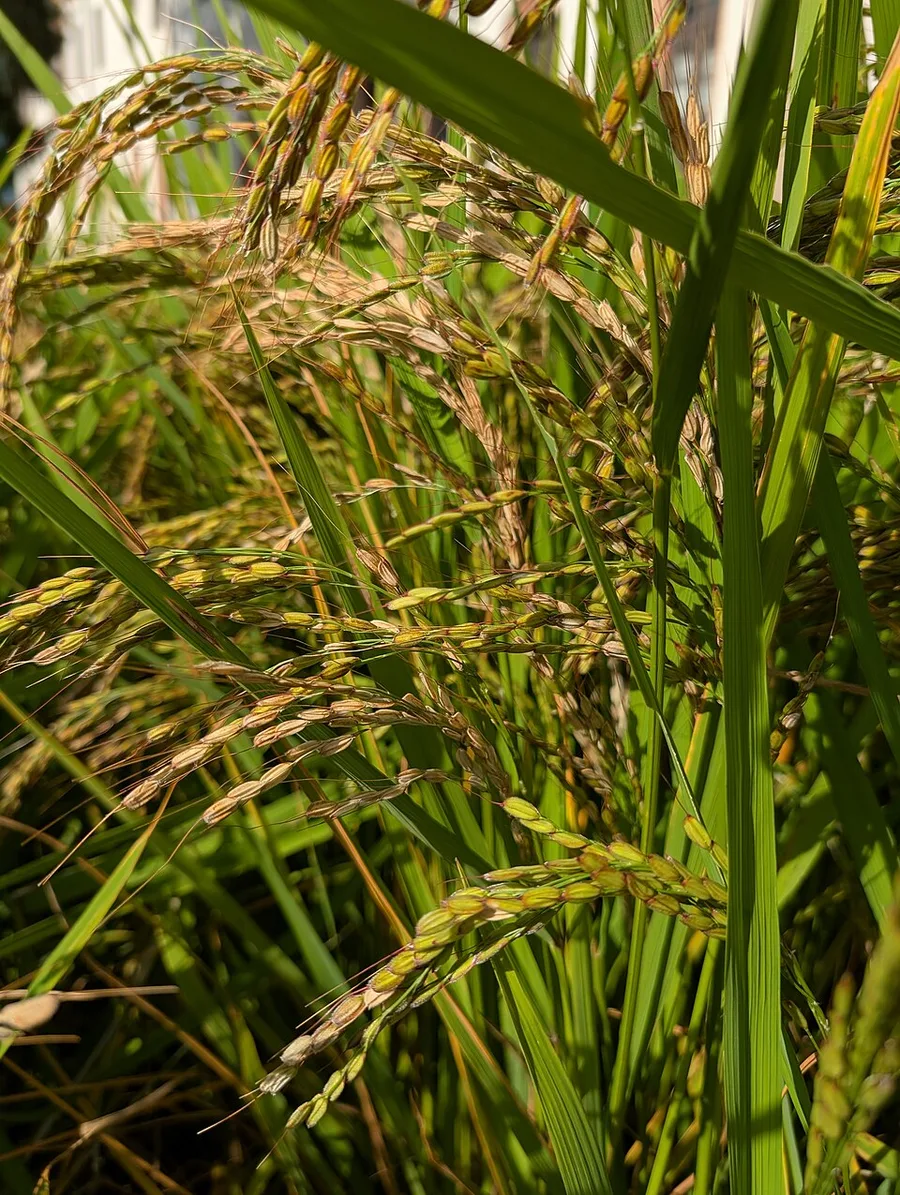
What is Carnaroli Rice?
Carnaroli is a rice variety bred in 1945 by Ettore De Vecchi, a grower at Paullo just outside Milan, from a cross between Vialone and Lencino. It belongs to the superfino class: a long, large grain with a clearly visible white pearl at its centre.
What sets it apart is starch chemistry. Carnaroli carries more amylose than other Italian risotto rices, around 23 to 24%, and has a protein structure that holds the grain together while it cooks. In practice you get two properties that other varieties offer only one at a time: amylopectin releases from the surface, so the sauce binds, while the core stays firm and does not collapse if the pan sits two minutes too long.
That forgiveness is why professional kitchens default to it and why Italians call it the king of rices.
There is a naming complication worth knowing. Since Italy's 2017 rice reform, the commercial name Carnaroli covers not just the 1945 variety but a group of varieties judged equivalent (Karnak, Carnise, Caravaggio, Keope and others) bred for better field resistance. They are honest rices, often very good, but they behave differently in a pan. Growers who still plant the original print Carnaroli Classico on the bag, and that is the only wording that separates the two.
What does it taste like?
Rice tastes mild by design, and Carnaroli is no exception: clean, faintly milky, slightly sweet, with a nutty edge in stone-milled and aged lots. It is a carrier, not a flavour.
The difference you actually taste is textural. A good Carnaroli risotto is loose and flowing, so that it ripples when you tap the plate, with each grain distinct against the sauce and a definite bite in the middle. Compare it with an Arborio risotto and the Arborio reads softer, stickier and more uniformly porridge-like, with occasional grains that are chalky at the core.
How to use it
Never rinse risotto rice. The surface starch is the sauce.
Toast it first: a wide, low pan, a film of butter or oil with your soffritto, the rice in over medium heat for two or three minutes until the grains are hot to the touch and translucent at the edges with the pearl still white. Deglaze with white wine and let it evaporate.
Then add boiling stock a ladle at a time, never cold stock, which stalls the cooking and cracks the grain. Reckon on roughly three parts liquid to one of rice, and 80 to 100 grams of rice per person. Carnaroli takes sixteen to eighteen minutes from the toasting.
Stir intermittently rather than constantly: enough to rub starch off the grains, not so much that you mash them. The risotto should stay loose the whole way through.
Finish off the heat: cold diced butter and grated Parmigiano beaten in hard, then two minutes' rest under a lid. Serve all'onda: it should ripple when you tap the plate.
The classics are risotto alla milanese with saffron and marrow, panissa from Vercelli with beans and salami, paniscia from Novara, and risotto al Barolo. Leftovers become riso al salto: pressed flat in a buttered pan until a crust forms.
How long it keeps
An intact vacuum pack keeps for years in a dark, dry cupboard away from heat, and aged Carnaroli is sought out rather than avoided: the grain dries slowly and drinks stock more evenly. Once the pack is open, tip the rice into an airtight glass or food-grade plastic jar and work through it over six to twelve months. The limit is not time but the rice weevil and the pantry moth, which show up as dark insects a few millimetres long or as cobweb-like threads through the grain, and a bay leaf in the jar is the traditional deterrent. Forty-eight hours in the freezer for a newly bought pack deals with any eggs without changing the grain.
Brown rice is the exception, since it keeps its germ, the germ carries fat, and that fat oxidises and turns rancid within roughly six months, which is why it belongs in the fridge. Cooked risotto keeps two days at 4 C, firming as the starch sets; reheating it in a pan with more stock turns it to glue, while pressing it flat with butter until a crust forms makes riso al salto.
Spot the real thing
The grain runs about seven millimetres, thick, with squared-off ends and an opaque white pearl clearly visible at the centre. Next to Arborio it looks more tapered and less squat. Tip some into your palm against the light: they should be even in length, with few broken pieces and few chalky or yellowed grains, because fragments come from harsh drying or milling and they dissolve in the pan and gum the risotto.
On the pack, four things are worth finding: the word Classico next to Carnaroli, which is the only way to know you have the 1945 variety rather than one of its derivatives; the names of the farm and the mill, which growers who do both always print; the harvest year; and vacuum packing, which keeps the grain from oxidising. Outside Italy most shelves carry Arborio, and anything sold as risotto rice is usually Arborio or a blend, with Vialone Nano the third name to know. One market fact explains a lot: more Carnaroli is sold in Italy than is sown, which is legal under the group denomination and is why the same word covers grains that behave differently.
How to pronounce Carnaroli Rice
REE-zoh kar-nah-ROH-lee
Four syllables in Carnaroli, stress on the third. Every vowel is pronounced: 'kar-nah-ROH-lee', not 'car-NAR-oh-lee'. Riso has a soft, voiced s, closer to 'REE-zoh' than 'REE-soh'.
Carnaroli Rice compared
vsArborio
Arborio is the rice most non-Italians meet first, because it exports well and cooks fast. It makes a creamier, softer risotto in less time and punishes inattention: two minutes late and the grain blows out. Carnaroli takes a little longer and holds its shape. If you cook risotto rarely, Carnaroli is the safer buy.
| This | Arborio | |
|---|---|---|
| Bred | 1945, Paullo (Milan) | 1946, Arborio (Vercelli) |
| Grain | Long, slim, squared ends | Shorter, plump, very large |
| Amylose | Higher, around 23-24% | Lower, around 20-21% |
| Cooking time | 16-18 minutes | 14-16 minutes |
| Overcooking | Forgiving, holds shape | Unforgiving, splits and turns to porridge |
| Texture | Distinct grains in a loose sauce | Softer, stickier, creamier faster |
| Best for | Any risotto, especially long or wine-based ones | Quick risotti, rice puddings, supplì |
vsVialone Nano
The Veneto choice, and the right one for the wetter, souplier risotti of Verona and the Po delta. A short round grain that drinks liquid fast and gives up starch immediately, so it cooks in about fifteen minutes and wants to be served very loose.
| This | Vialone Nano | |
|---|---|---|
| Class | Superfino, long grain | Semifino, short round grain |
| Region | Lomellina, Vercellese, Novarese | Verona and the Veneto plain |
| Liquid absorption | High and steady | Very fast |
| Cooking time | 16-18 minutes | 13-15 minutes |
| Classic dish | Risotto alla milanese, panissa, risotto al Barolo | Risi e bisi, risotto all'onda, risotto al tastasal |
| Protected status | None as a variety | Riso Nano Vialone Veronese IGP |
vs'Carnaroli' group varieties
Since 2017 the name Carnaroli has been a commercial denomination covering a family of varieties, not a single one. The derived varieties are shorter-strawed and hardier in the field, which is why growers moved to them, but the original grain holds its bite longer. Only 'Carnaroli Classico' tells you which you are buying.
| This | 'Carnaroli' group varieties | |
|---|---|---|
| What it is | The 1945 variety, unchanged | Karnak, Carnise, Caravaggio, Keope and others |
| Label wording | Carnaroli Classico | Carnaroli, with no further qualifier |
| Field behaviour | Tall straw, prone to lodging, lower yield | Shorter, hardier, higher yield |
| In the pan | Holds the bite longest | Good, but softens sooner |
| Price | EUR 8-25/kg | EUR 2.50-6/kg |
Carnaroli Rice substitutes
- Vialone Nano
The best substitute if you want a looser, wetter risotto. Cut two minutes off the cooking time and hold back a ladle of stock, because it absorbs faster than Carnaroli.
1:1 by weight, about 10% less liquid - Arborio
Everywhere, and perfectly usable. Stir less, start tasting at twelve minutes, and take it off the heat while it still looks slightly too loose.
1:1 - Baldo
A superfino cousin grown in the same provinces, firmer and less starchy. Excellent in baked rice and timballi, a little lean for a classic risotto.
1:1, plus an extra knob of butter at the end - Bomba or Calasparra (Spanish)
Bred for paella, so it absorbs a great deal of liquid without releasing much starch. It makes a fine rice dish and a poor risotto: expect separate grains rather than a sauce.
1:1 by weight, up to 3.5 parts liquid - Sushi rice or Calrose, in an emergency
Short-grain japonica with plenty of surface starch. Do not rinse it, cut the liquid, and accept something closer to a creamy rice porridge than a risotto.
1:1 by weight, about 20% less liquid
Where to buy it
In the US, Italian importers and specialist grocers carry single-estate Italian rice: Gustiamo, Eataly, Market Hall Foods and Zingerman's all stock aged Carnaroli, and Acquerello, aged one to seven years with the germ reincorporated after milling, is widely distributed. In the UK, Sous Chef, Natoora and Italian delicatessens carry it, and Waitrose and Ocado stock decent everyday bags.
Look for the words Carnaroli Classico if you want the original variety, plus the name of the farm and mill, the harvest year, and vacuum packing. Buy 500 g or 1 kg vacuum packs rather than large sacks: once opened, the vacuum protection is gone.
Expect 2.50 to 4 euros a kilo for supermarket Carnaroli, 8 to 18 euros a kilo for estate-milled Carnaroli Classico, and 12 to 25 euros a kilo for aged or stone-milled lots. In American terms that is roughly 2 to 12 dollars a pound; in the UK, 7 to 20 pounds a kilo.
A fine white dust at the bottom of the bag is normal in stone-milled rice and is not a fault.
Where to eat it in Italy
The Lomellina, in the province of Pavia (Mortara, Robbio, Sartirana) where farmhouses sell direct and agriturismi serve risotto made with rice from the next field. Mortara is also goose salami country, and its late-September festival is a good excuse.
Around Vercelli, among the Cistercian granges of Lucedio, Trino and Livorno Ferraris, the time to go is late April, when the paddies are flooded and the plain turns into a mirror. Vercelli eats panissa, rice cooked with borlotti beans and salami; Novara makes paniscia, the same idea with more vegetables.
Milan, for risotto alla milanese served properly loose in the old trattorie, and for riso al salto, which is the clearest demonstration of how well the grain holds.
On the Baraggia plateau between Biella and Vercelli, farms in Italy's only rice DOP take visits by appointment.
Further reading
Frequently asked questions
What is the difference between Carnaroli and Arborio?
Carnaroli has more amylose and a tougher protein structure: it releases enough starch to build the sauce while keeping the grain firm even past the timer. Arborio, with a larger and plumper grain, creams up faster but overcooks easily and can leave a chalky core. For most cooks Carnaroli is the more reliable choice.
What does 'Carnaroli Classico' mean?
It is the original 1945 variety. Since 2017 the commercial name Carnaroli has covered a group of related varieties (Karnak, Carnise, Caravaggio, Keope) that are hardier in the field but softer in the pan. Only the word Classico identifies the historic grain.
Should I rinse risotto rice?
No. The surface starch is what binds the risotto; rinse it and you get plain boiled rice with sauce on top. Rinsing belongs to boiled and East Asian rice preparations.
How much rice per person?
80 to 100 grams, depending on whether it is a first course or a main, with about three parts stock to one of rice by volume. Carnaroli cooks in sixteen to eighteen minutes from the toasting stage.
Is aged rice worse than new rice?
For risotto it is better. A year or more in the silo drives off moisture and settles the starch, so the grain drinks more liquid and holds its shape longer. The exception is brown rice, which keeps its oily germ and goes rancid within about six months.
Related foods
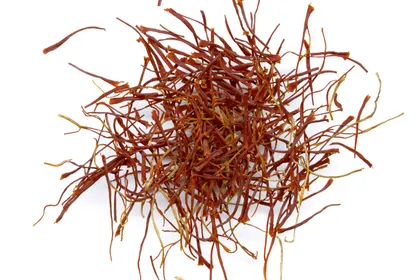 Oil and preservesSaffronOne kilo takes between 150,000 and 200,000 flowers, and every flower gives up three stigmas that have to be…
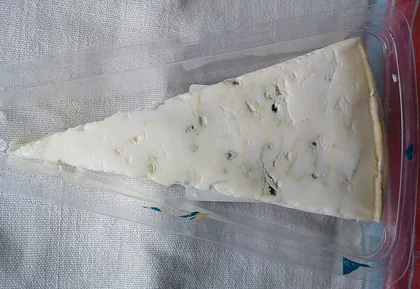 CheeseGorgonzolaThe green veining is the product, not a flaw anyone tolerates: it grows from a mould added to the milk and…
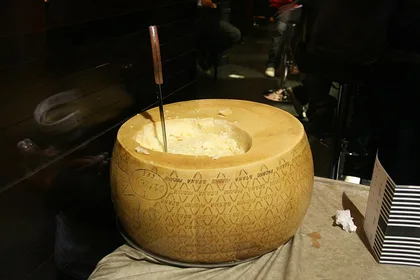 CheeseGrana PadanoNine months is the floor the specification sets before a wheel may carry the name.
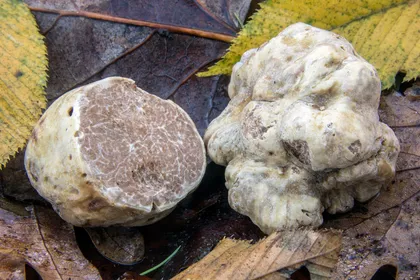 Vegetables and fruitWhite truffleThe Italian white truffle, Tuber magnatum Pico, is the most expensive of Italy's truffles: in 2025 the Alba…
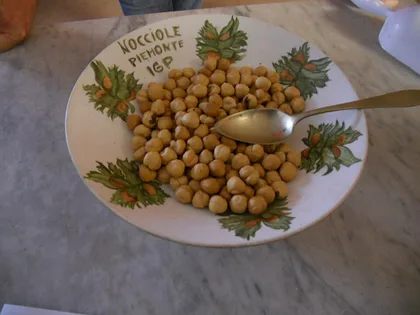 Vegetables and fruitPiedmont HazelnutNocciola Piemonte IGP is a single cultivar, the Tonda Gentile Trilobata of the Langhe hills: round, yielding…Pasta and breadGnocchiGnocchi are small boiled dumplings, in their modern form made of potato bound with a little flour.Cured meatsPancettaPancetta is Italian cured pork belly: salt, pepper and warm spices, dried for months, never smoked.
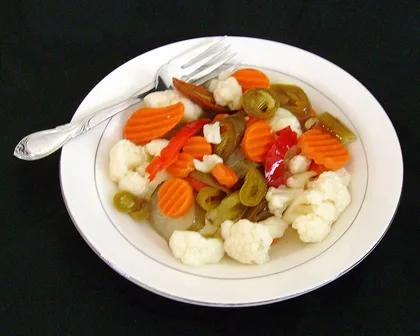 Oil and preservesGiardinieraGiardiniera means two very different jars. In Italy it is a mild mix of vegetables pickled in wine vinegar…