What is Barolo?
Barolo is a Piedmontese DOCG (DOC in 1966, promoted in 1980) made exclusively from Nebbiolo. No other grape is permitted in any proportion, which is unusual: most famous Italian reds allow a blending allowance, and Barolo does not.
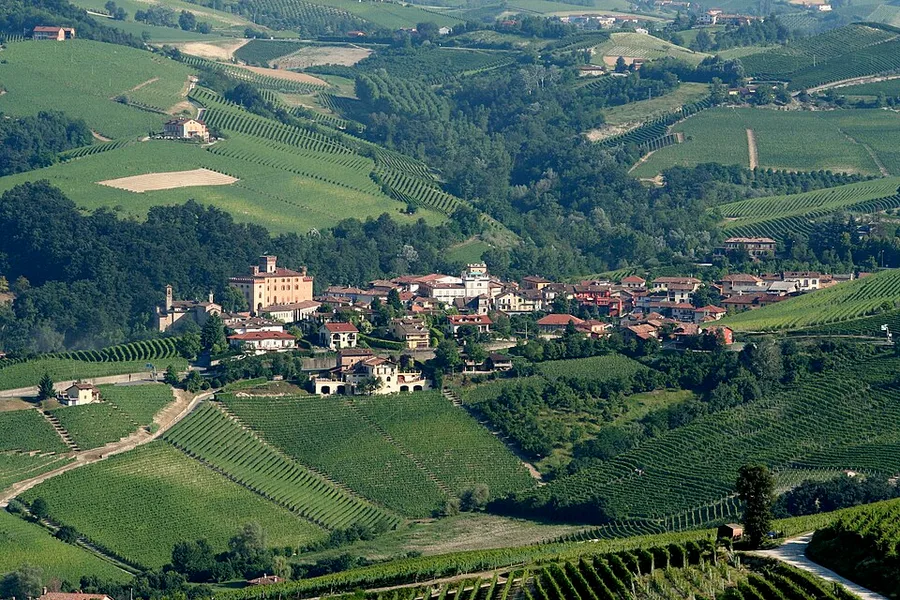
The zone is small. Eleven communes in the province of Cuneo, around 2,200 hectares under vine: Barolo, La Morra, Castiglione Falletto, Serralunga d'Alba, Monforte d'Alba, Novello, Verduno, Grinzane Cavour, Diano d'Alba, Cherasco and Roddi. The first five account for most of the wine.
Ageing is 38 months from 1 November of the harvest year, at least 18 of them in wood. Riserva requires 62 months, still with 18 minimum in wood. Minimum alcohol is 13 per cent; in practice most bottles sit between 14 and 14.5.
Since 2010 the rules recognise Menzioni Geografiche Aggiuntive, MGA, the official single-vineyard names, more than 170 of them: Cannubi, Brunate, Cerequio, Rocche dell'Annunziata, Bussia, Ginestra, Vigna Rionda, Monprivato. A vineyard name may appear on the label only if all the fruit comes from inside that boundary. Alongside them sit eleven communal mentions.
What comes out is a wine that looks light and is not: pale garnet, turning orange at the rim within a few years, with high acidity and a great deal of tannin. That combination is why a four-year-old Barolo can taste hard and mute when the only thing wrong with it is the date.
What does it taste like?
Tar and roses is the traditional shorthand and it is accurate: dried rose petal over something dark and resinous, with liquorice, dried cherry, bitter orange peel, leather and, in older bottles, truffle and forest floor.
In the mouth the tannin arrives first and stays. It is fine-grained rather than coarse, but there is a lot of it, and it dries the gums the way strong black tea does. Behind it runs high acidity, which keeps a 14.5 per cent wine tasting taut instead of heavy. The body is medium, and anyone arriving from Napa Cabernet or Barossa Shiraz is usually surprised by how transparent it feels.
Young, it can be austere and closed. At ten to fifteen years the tannin resolves, the aromatics widen, and the wine turns savoury rather than fruity. That transformation is the entire point of the category.
How to use it
Serve at 16-18°C in a large bowl glass. Above 19 the alcohol dominates and the tannin hardens; below 15 the wine shuts down. In a warm room, thirty minutes in the fridge before opening is usually right.
Decanting depends entirely on age. A Barolo between four and ten years old wants one to two hours in a decanter and will often keep improving through dinner. A twenty-five-year-old wants the opposite: stand the bottle upright for a day, open it, pour gently and leave the sediment behind. Too much oxygen collapses an old Nebbiolo within half an hour.
At the table it needs fat and protein. Braised beef, roast veal, hare, wild boar, agnolotti del plin in roasting juices, tajarin with meat ragù, aged Castelmagno. It is not an aperitif wine and it does not go with fish, artichokes or anything sweet: the tannin turns metallic.
In the kitchen there is one canonical dish, brasato al Barolo: beef marinated overnight in wine with onion, carrot, celery, bay, clove and cinnamon, then braised for three hours. Use a drinkable but ordinary bottle. Long cooking destroys everything you pay for in a cru, and every cook in the Langhe knows it.
White truffle is trickier than the tourist board suggests. A young, tannic Barolo flattens truffle; a ten-year-old with earthy development complements it. With truffled tajarin, an older bottle or a Barbaresco is safer.
How long it keeps
An unopened bottle wants a dark, still place at a steady 12 to 14 C with reasonable humidity, lying on its side so the cork stays swollen. Barolo is among the longest-lived Italian reds and many vintages carry on developing for a decade or more, but how long a specific bottle rewards keeping is the producer's territory, not something readable from outside. Heat and swings in temperature are what change it: the wine expands, pushes past the cork, stains the capsule and pulls the fruit toward stewed prune. Standing upright for months dries the cork from the inside.
With age the colour moves from garnet to brick and orange at the rim, the tannins knit and soften, and fine sediment settles along the lower side of the bottle, which is why an older one is stood upright for a day and decanted off the deposit. Once opened, a stoppered bottle in the fridge holds three or four days, often opening up on the second; after that the fruit flattens and a sharp note comes forward as oxygen keeps working.
Spot the real thing
The label has to say Barolo DOCG and nothing else in the place of the grape, because the wine is Nebbiolo alone from eleven communes in the Langhe. Over the capsule there is a numbered state seal. A commune or a vineyard name such as Cannubi, Brunate, Bussia or Vigna Rionda is an official additional mention, not marketing. The minimum ageing is long, and Riserva longer still, so a bottle on a shelf abroad is usually three or more years behind the harvest. In the glass the colour surprises people who expect something inky: even a young Barolo is pale garnet, more transparent than a Cabernet, with a brick rim arriving early.
The neighbours cause most of the confusion. Langhe Nebbiolo and Nebbiolo d Alba use the same grape with far shorter ageing and cost a fraction. Barbaresco is the sibling appellation. Barolo Chinato is a fortified aromatised drink for after dinner. Price is the bluntest signal here, since genuine Barolo is expensive to make and a bottle priced like a supermarket red is worth a second look at the label.
How to pronounce Barolo
bah-ROH-loh
Three syllables, stress on the middle one, and a single rolled r: not bar-oh-LOW and not BAR-oh-lo. The grape is Nebbiolo, neb-BYOH-loh, with the bi as one sound. Langhe is LAHN-gheh with a hard g, Serralunga is ser-rah-LOON-gah, Cannubi is kahn-NOO-bee.
Barolo compared
vsBarbaresco
Same grape, neighbouring hills, shorter ageing rules. Barbaresco comes from four communes north-east of Alba, closer to the Tanaro river, where Nebbiolo ripens slightly earlier. It is released after 26 months instead of 38 and is generally approachable sooner. Calling it the lesser wine is lazy: the best Barbaresco outlives most Barolo.
| This | Barbaresco | |
|---|---|---|
| Grape | 100% Nebbiolo | 100% Nebbiolo |
| Zone | 11 communes, ~2,200 ha | 4 communes, ~750 ha |
| Ageing | 38 months, 18 in wood | 26 months, 9 in wood |
| Riserva | 62 months | 50 months |
| Drinking window | 8-25 years | 6-20 years |
| Entry price | USD 45-90 / GBP 35-70 | USD 40-75 / GBP 30-60 |
vsNebbiolo d'Alba and Langhe Nebbiolo
The same grape without the ageing requirement, often from younger vines, from parcels just outside the Barolo boundary, or from declassified Barolo fruit. This is the practical answer to wanting Nebbiolo on a Tuesday, and Langhe Nebbiolo in particular is where many top estates put fruit that would otherwise go into their grand bottling.
| This | Nebbiolo d'Alba and Langhe Nebbiolo | |
|---|---|---|
| Minimum ageing | 38 months | None beyond release rules |
| Oak | 18 months minimum | Often none, or brief |
| Tannin | High, needs time | Moderate, drinkable on release |
| Drink at | 8 years and up | 1-5 years |
| Price | EUR 30-150 | EUR 12-25 |
vsTraditional vs modern Barolo
Not a marketing distinction but a real difference in the glass, dating from the Barolo Wars of the late 1980s. Traditionalists macerate for weeks and age in large Slavonian casks that add almost no oak flavour; modernists shortened maceration, used rotary fermenters and new French barriques. Most producers now sit in between, but you can still taste which way a wine leans.
| This | Traditional vs modern Barolo | |
|---|---|---|
| Maceration | Traditional: 3 weeks to 2 months | Modern: 7-12 days |
| Vessel | Botti of 20-50 hl, Slavonian oak | 225 l French barriques, often new |
| Aromatics | Tar, rose, earth, liquorice | Vanilla, toast, riper fruit |
| Young drinkability | Difficult | Easier |
| Reference names | Mascarello, Rinaldi, G. Conterno | Altare, Clerico, Voerzio, Scavino |
Barolo substitutes
- Barbaresco
The closest thing there is: identical grape, adjacent hills, released earlier. Choose it when you want Nebbiolo tonight rather than in a decade. USD 40-75 a bottle, GBP 30-60.
- Langhe Nebbiolo from a Barolo producer
The best value in Piedmont. Often the same hands and sometimes the same vineyards, without the ageing requirement. Drink within five years. USD 18-30, GBP 14-24.
- Gattinara and Ghemme (Alto Piemonte)
Nebbiolo from volcanic soils north of Novara and Vercelli, where it is called Spanna. Leaner, higher acid, noticeably cheaper, excellent with the same food. USD 30-55, GBP 25-45.
- Valtellina Superiore and Sforzato (Lombardy)
Nebbiolo on Alpine terraces, locally Chiavennasca. Lighter and more aromatic; Sforzato is the dried-grape version and is richer. USD 30-60, GBP 25-50.
- Aged Rioja Gran Reserva
Different grape, similar territory: pale, savoury, long oak ageing, built for roast meat. USD 35-70, GBP 28-55.
Where to buy it
Barolo is widely distributed through Italian specialists and serious wine merchants in the US and the UK. Buying from a retailer that stores properly matters more here than with most wines: Barolo is often bought at ten years old, and heat damage is invisible until you open it.
Read three things on the label. A vineyard name, an MGA such as Cannubi, Brunate or Vigna Rionda, means single-vineyard fruit. A village name means all the grapes come from that commune. Riserva means 62 months of ageing rather than 38. If none appears, the wine is a blend across sites, which is how several of the most celebrated bottles have always been made.
Expect USD 45 to 90 for a straight annata and USD 90 to 200 for a cru; GBP 35 to 70 and GBP 70 to 160. Cult names (Monfortino, Bartolo Mascarello, Giuseppe Rinaldi, Bruno Giacosa red label) start in the several hundreds.
Below about USD 35 you are almost certainly buying bulk-purchased fruit; at that price a Langhe Nebbiolo or a Barbaresco from a good grower is a better wine. Vintages matter here more than in most Italian denominations: 2010, 2013, 2016 and 2019 are the recent classics, while 2003 and 2017 were hot and should be drunk sooner.
Where to eat it in Italy
The village of Barolo itself has 1,300 residents, a Falletti castle housing the WiMu wine museum, and in the cellars below it the Enoteca Regionale del Barolo, which pours wines from all eleven communes by the glass. It is the fastest way to understand why La Morra and Serralunga taste different.
La Morra has the panoramic terrace everyone photographs and, just below it, the Cappella del Barolo at Brunate, a farm chapel painted in 1999 by Sol LeWitt and David Tremlett in colours you can see from the next hill. Brunate, Cerequio and Rocche dell'Annunziata surround it.
Serralunga d'Alba is a narrow ridge with an intact fourteenth-century castle and vineyards falling steeply on both sides. Monforte d'Alba has an open-air amphitheatre at the top of the old town and the Bussia and Ginestra slopes behind it. Castiglione Falletto sits where the two soil types meet, and Grinzane Cavour holds the Enoteca Regionale Piemontese Cavour inside Camillo Benso's own castle.
Alba, fifteen minutes north, is the base for eating and sleeping; from mid-October to early December it belongs to the International White Truffle Fair. Go in October, during harvest, or in late January, when producers have time to talk.
Further reading
Frequently asked questions
What grape is Barolo made from?
Nebbiolo, and nothing else. The rules allow no blending whatsoever. The same grape makes Barbaresco, Nebbiolo d'Alba, Roero, Gattinara and Ghemme in Piedmont, and Valtellina Superiore in Lombardy, where it is called Chiavennasca.
How long should you age Barolo?
It reaches the market about four years after harvest, six for Riserva, and is usually still closed then. A standard bottling shows well between eight and twelve years, a single-vineyard cru between ten and twenty. Opened younger, give it two hours in a decanter.
Why is Barolo so pale for such a powerful wine?
Nebbiolo has little colouring matter and its anthocyanins are unstable, precipitating early along with tannin. A five-year-old Barolo showing an orange rim is behaving normally. With this grape, colour tells you nothing about structure.
Is expensive Barolo worth it?
Up to a point. Below roughly USD 35 the wine is generally bought-in fruit made to a price, and a Langhe Nebbiolo from a good grower beats it. Above USD 150 you are largely paying for scarcity and auction demand rather than a proportionate jump in the glass.
Sources
Where to check what you just read.
- 1
Il testo consolidato in vigore, in PDF: qui si controllano base ampelografica, rese massime, gradazione minima e i tempi di invecchiamento obbligatori.
- 2Consortium · interested partyConsorzio di Tutela Barolo Barbaresco Alba Langhe e Dogliani — Barolo DOCG
L'elenco dei comuni che possono produrre Barolo, i tre anni minimi di affinamento (di cui diciotto in legno), i cinque anni della Riserva e le mappe delle Menzioni Geografiche Aggiuntive.
Related foods
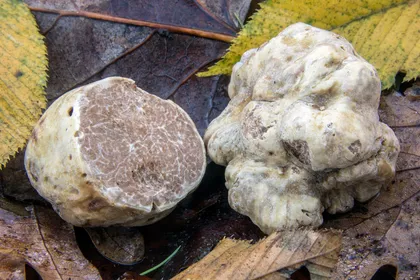 Vegetables and fruitWhite truffleThe Italian white truffle, Tuber magnatum Pico, is the most expensive of Italy's truffles: in 2025 the Alba…
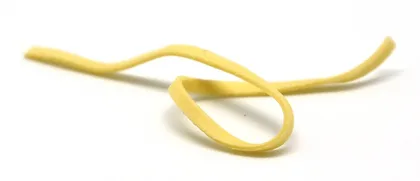 Pasta and breadTajarinTajarin are the Piedmontese answer to tagliolini: hand-cut egg noodles barely a millimetre and a half wide…
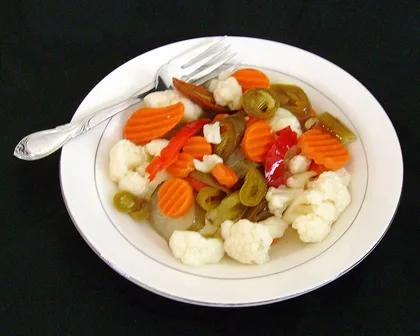 Oil and preservesGiardinieraGiardiniera means two very different jars. In Italy it is a mild mix of vegetables pickled in wine vinegar…
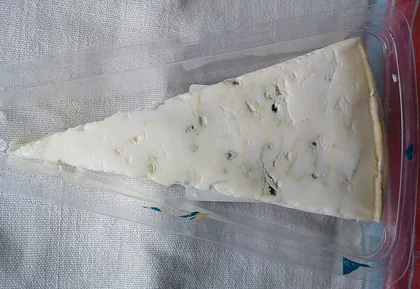 CheeseGorgonzolaThe green veining is the product, not a flaw anyone tolerates: it grows from a mould added to the milk and…
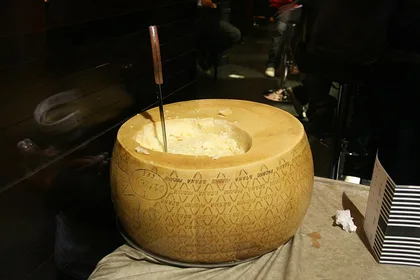 CheeseGrana PadanoNine months is the floor the specification sets before a wheel may carry the name.
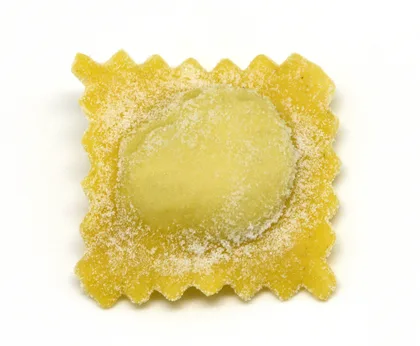 Pasta and breadAgnolottiAgnolotti are Piedmont's stuffed pasta: thin egg dough around a filling of roasted meat, not ricotta.
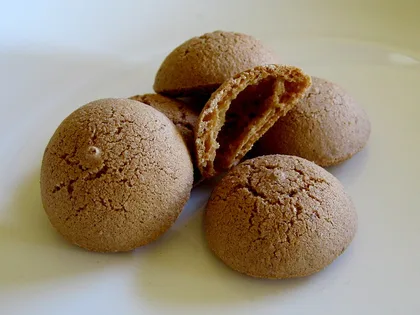 SweetsAmarettiAmaretti are flourless almond cookies whose bitter edge comes from apricot kernels, not almonds.
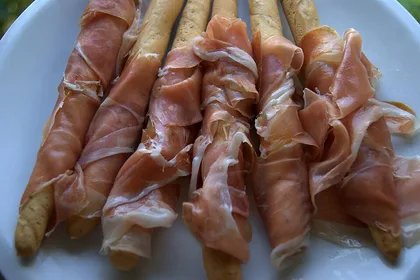 Pasta and breadGrissiniGrissini are Turin's breadsticks: bread reduced to almost pure crust, dried in the oven until it snaps.