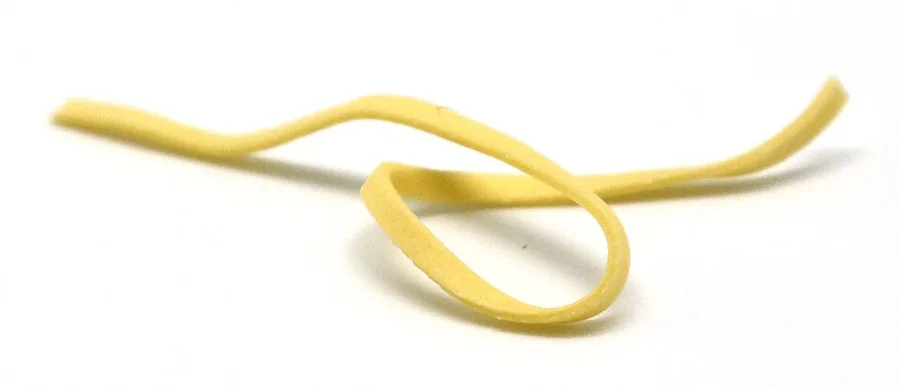
What is Tajarin?
Tajarin is the Piedmontese dialect word for tagliolini, but the dialect version is a different animal. The defining feature is the yolk count. The Langhe standard is thirty yolks to a kilo of flour, and festive versions push to forty, with no whites at all, or almost none. Ordinary fresh egg pasta uses one whole egg per hundred grams of flour, which works out to about ten eggs a kilo.
What that does is turn the dough deep orange, make it elastic enough to roll almost translucent, and give it a flavour rich enough to carry a sauce of nothing but melted butter. The strands are cut by hand, one to two millimetres wide, by rolling the sheet into a loose log and slicing it with a knife.
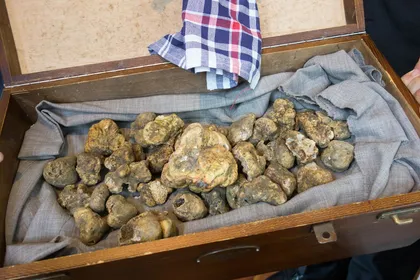
They are the first course of the Langhe, the Roero and the Monferrato, and from October to December they are the dish white truffle gets grated onto, because nothing else is as good a stage for it.
What does it taste like?
Overwhelmingly of egg, in the best possible way. Tajarin dressed with nothing but butter taste custardy, rich and faintly sweet, with a silkiness on the tongue that a standard egg pasta does not have.
The texture is delicate rather than chewy. Because the strands are so thin and the dough so dry, they cook in about ninety seconds and end up tender with the barest resistance: you do not bite tajarin so much as let them collapse.
With white truffle over the top the pasta effectively disappears and becomes a warm, buttery carrier for the aroma, which is the entire point. With a sauce made from roasting juices, the traditional country dressing, the yolks and the meat fond combine into something considerably more savoury than the ingredient list suggests.
How to use it
Cook them in a lot of well-salted boiling water for sixty to ninety seconds. That is not a typo. They are thin enough that thirty extra seconds turns them soft, and there is no rescuing them.
Have the sauce ready and hot in a wide pan before the pasta goes in the water. Drain the tajarin while they still look slightly underdone, move them into the pan with a splash of cooking water, and toss for fifteen seconds to coat.
The canonical dressing is melted butter with a few sage leaves and a restrained amount of grated Parmigiano. For white truffle, do exactly that and then shave the truffle at the table with a truffle slicer. Never cook it, since heat destroys the aroma in seconds.
The country version, and arguably the better one, is sugo d'arrosto: the strained, degreased pan juices from a Sunday roast or a Barolo-braised beef. Other traditional sauces are a white ragù of Bra veal sausage, sautéed chicken livers, and porcini in season. Tomato is not used, and in the Langhe you will never see it offered.
How long it keeps
Fresh tajarin hold two days in the refrigerator, spread as loose nests on a floured tray under a cloth, well separated so they do not weld. Vacuum trays from a pasta shop run to the date printed on them, usually about a week, and go quickly once the seal is broken. What happens if they sit is straightforward: the strands keep giving up water at the surface and taking it in where they touch, so a piled heap fuses into a single lump while the outside turns brittle and snaps.
Freezing is the reliable route. Set the nests apart on a tray, freeze them solid, then bag them for up to two months and drop them into boiling water still frozen, where they take about two minutes. Home-drying works too, on a rack in a dry room for a day and then a month in a sealed jar, though a dough this rich in yolk carries a lot of fat and its aroma flattens with time. Raw dough keeps a day wrapped in the refrigerator and rolls better on the second day. Dates belong to the pack and the maker.
Spot the real thing
Colour is the fastest read. Tajarin made with a proper load of yolks comes out orange-gold rather than pale yellow, and pasta that looks like ordinary supermarket tagliatelle was made with few yolks or with whole eggs. Then the cut: a strand should be about as thick as a flattened hair and one or two millimetres wide, and the strands should not all match, because a knife leaves them slightly uneven and a machine does not. Fresh nests should feel dry and faintly rough rather than tacky, and the strands should pull apart without tearing each other.
On a dried box, find the egg declaration. Italian law needs only four eggs per kilo for the words pasta all'uovo, so the number is what separates the categories: serious tajarin sit at eight to twelve eggs, or state yolks outright, and the good Piedmontese boxes say so on the front. Tagliolini are the machine-cut, whole-egg cousin; tagliatelle are three times as wide; capellini are durum and eggless. Expect 8 to 14 dollars for 250 grams of the yolk-heavy dried kind.
How to pronounce Tajarin
tah-yah-REEN
Three syllables, stress firmly on the last. The J is Piedmontese, not Italian and not English: it sounds like the Y in 'yes', so 'tah-yah-REEN' and never 'ta-JAR-in' or 'ta-ZHA-rin'. The final N is clipped short, because Piedmontese swallows it.
Tajarin compared
vsTagliatelle
Both are fresh ribbon pastas made with egg, and that is where the similarity stops. Tagliatelle are six to eight times wider and made with whole eggs; tajarin are threads made almost entirely of yolks. The sauces that suit them barely overlap.
| This | Tagliatelle | |
|---|---|---|
| Width | 1-2 mm | 6-8 mm (Bologna's official width is 8 mm cooked) |
| Eggs | Up to 40 yolks per kg of flour, no whites | About 10 whole eggs per kg |
| Colour | Deep orange-gold | Pale yellow |
| Region | Piedmont: Langhe, Roero, Monferrato | Emilia-Romagna |
| Cooking time | 60-90 seconds | 2-4 minutes |
| Classic sauce | Butter and truffle, roasting juices | Ragù alla bolognese |
| Tomato? | Never in the tradition | Central to the tradition |
vsTagliolini
The same shape under the standard Italian name, and the reason many menus translate tajarin as tagliolini. The width matches; the dough usually does not. Generic tagliolini are made with whole eggs and behave like thin tagliatelle.
| This | Tagliolini | |
|---|---|---|
| Width | 1-2 mm | 1-3 mm |
| Dough | Yolk-heavy, 25-40 yolks per kg | Whole eggs, standard sfoglia |
| Colour | Deep gold | Pale to medium yellow |
| Cut | By hand, with a knife, slightly irregular | Usually machine-cut, uniform |
| Where | Piedmont only | All over northern and central Italy |
| In broth | Rare | Common: tagliolini in brodo |
vsDried tajarin
A practical question if you are shopping outside Italy. Dried tajarin from Langhe producers exist, keep for a year and are far easier to get hold of than fresh, but the yolk richness reads differently once the water is gone.
| This | Dried tajarin | |
|---|---|---|
| Egg content | 25-40 yolks per kg (fresh) | Typically 8-12 whole eggs per kg by law and practice |
| Cooking time | 60-90 seconds | 3-5 minutes |
| Texture | Silky, yielding | Firmer, with more bite |
| Shelf life | 2 days fresh, 2 months frozen | 12-24 months |
| Price per kg | €12-26 | €18-30 |
| Best for | Truffle, butter, roasting juices | Everyday cooking, robust sauces |
Tajarin substitutes
- Fresh tagliolini
The obvious swap and a good one. Buy the best fresh tagliolini you can find and enrich the dish with an extra knob of butter to make up for the missing yolks.
1:1, plus 10 g extra butter per portion - Make your own
Genuinely the best option, because the yolk ratio is the whole point and no shop-bought pasta will match it. Start with 300 g of 00 flour and 10 to 12 yolks, knead hard for ten minutes, rest an hour, roll thin and slice by hand.
300 g flour : 10-12 yolks : a splash of white wine if needed - Fresh angel hair or thin egg fettuccine
Width is the priority when substituting, so anything under 3 mm will hold a butter sauce the way tajarin do. Fresh beats dried here every time.
1:1 - Dried capellini or fedelini
The emergency option. No egg, so the flavour is much flatter: compensate by finishing the pasta in the pan with butter and a spoonful of starchy cooking water to build a glossy coating.
1:1, reduce cooking time by 30 seconds - Gluten-free fresh egg tagliolini
Several Italian producers now make gluten-free egg tagliolini that are structurally close. They are more fragile, so dress them in the pan gently and serve immediately.
1:1 - Eggless: semolina and water tagliolini
There is no traditional eggless tajarin, because the eggs are the dish. If you need a vegan version, cut fine ribbons from a semolina-and-water dough and dress with olive oil, sage and toasted breadcrumbs rather than butter.
1:1, expect a firmer bite
Where to buy it
Fresh tajarin rarely travel, so outside Italy the realistic options are dried or homemade. Dried tajarin from Langhe producers (Marabotto, Michelis, Tanda e Nulla among others) reach the US and UK through Italian importers and online specialists such as Gustiamo, Eataly and Ratio in the US, Vorrei and Natoora in the UK. Expect 8 to 14 dollars or £7 to £12 for a 250 g pack.
In Italian cities, any decent pastificio fresco makes them to order; in Piedmont they are in every alimentari. Fresh runs €12 to €18 per kilo in Piedmont and €20 to €26 in Milan or Rome.
If you make them yourself, the shopping list is short and the quality of the eggs is the whole game: free-range or organic yolks, deep orange, are what give tajarin their colour. Use 00 flour, or 00 cut with 20% fine semolina for a little more structure. Buy a truffle slicer if you are serious; a mandoline set to its thinnest will do.
Where to eat it in Italy
Alba during the International White Truffle Fair, from mid-October to early December, is the headline event, and it comes with the headline prices and queues.
The villages around it are better value and often better cooking: Neive, Barbaresco, Treiso, La Morra, Monforte d'Alba, Serralunga d'Alba. The osterie here roll tajarin by hand every morning, and the roasting-juice sauce comes from their own braise.
Across the Tanaro in the Roero (Canale, Vezza d'Alba, Govone) the same pasta costs less and the dining rooms are quieter. In Bra, the home of the raw veal sausage, ask for tajarin with salsiccia di Bra.
Turin is the practical starting point. Historic trattorias in the Quadrilatero and San Salvario serve them year-round, usually with butter and sage or a meat sauce, and it is a good place to calibrate before heading into the hills.
Further reading
Frequently asked questions
How many egg yolks go into tajarin?
The traditional Langhe recipe calls for thirty yolks per kilo of flour, and festive versions go to forty. Most restaurant kitchens work with twenty to twenty-five, which still produces a far richer dough than standard egg pasta. Whites are usually left out entirely.
What is the difference between tajarin and tagliatelle?
Width and richness. Tajarin are cut one to two millimetres wide and made almost entirely from yolks; tagliatelle are six to eight millimetres wide and made with whole eggs. Tajarin come from Piedmont and take butter or meat juices; tagliatelle come from Emilia and take ragù.
How long do you cook tajarin?
Sixty to ninety seconds for fresh, three to five minutes for dried. Fresh tajarin are so fine that they go from underdone to overdone in under a minute: taste at sixty seconds and drain as soon as they float.
Do you need truffle to eat tajarin?
No. White truffle is the famous pairing but it is seasonal and extremely expensive. Butter and sage, strained roasting juices, and a white ragù of Bra sausage are equally traditional and available all year.
How do you pronounce tajarin?
tah-yah-REEN, with the stress on the last syllable. The J is pronounced like a Y, as it is in Piedmontese dialect.
Related foods
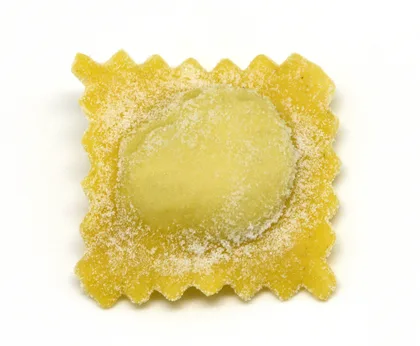 Pasta and breadAgnolottiAgnolotti are Piedmont's stuffed pasta: thin egg dough around a filling of roasted meat, not ricotta.
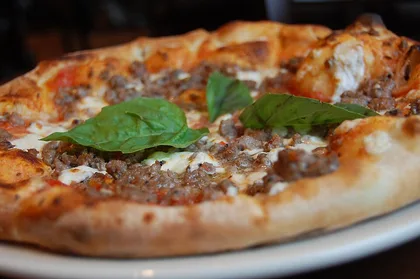 Cured meatsSalsicciaCoarsely ground pork, salt, pepper, wine and usually garlic, packed into natural hog casing and sold raw.Pasta and breadGnocchiGnocchi are small boiled dumplings, in their modern form made of potato bound with a little flour.
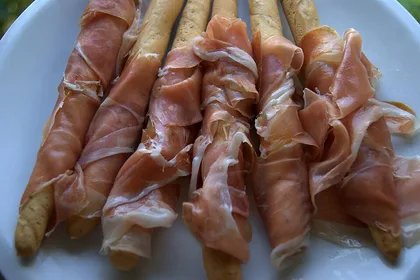 Pasta and breadGrissiniGrissini are Turin's breadsticks: bread reduced to almost pure crust, dried in the oven until it snaps.
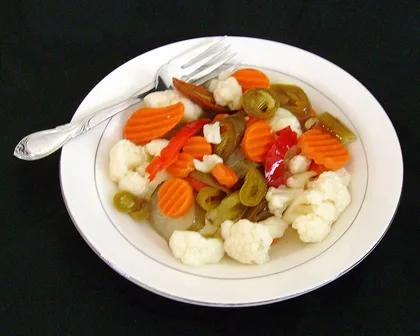 Oil and preservesGiardinieraGiardiniera means two very different jars. In Italy it is a mild mix of vegetables pickled in wine vinegar…
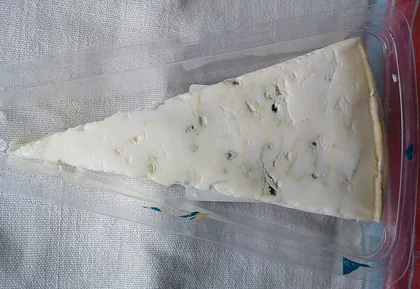 CheeseGorgonzolaThe green veining is the product, not a flaw anyone tolerates: it grows from a mould added to the milk and…
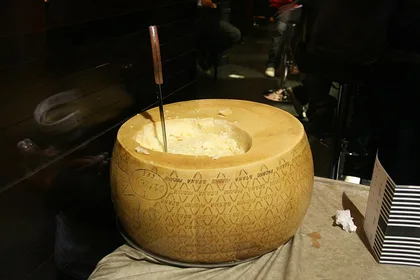 CheeseGrana PadanoNine months is the floor the specification sets before a wheel may carry the name.
 WineBaroloBarolo is one hundred per cent Nebbiolo from eleven villages in the Langhe hills of Piedmont, aged at least…