What is Piennolo Tomato?
Pomodorino del Piennolo del Vesuvio is a protected designation of origin, registered in 2009, covering small tomatoes grown on the slopes of Vesuvius and Monte Somma inside the national park, across some twenty towns in the province of Naples.
Piennolo is Neapolitan for pendulum, and it describes the storage method rather than the fruit. Whole bunches are tied around a ring of hemp twine into a squashed sphere, the schiocca, which is hung from a nail in a dry, ventilated room. Tomatoes are then pulled off one at a time over the following months.
The fruit is small, 15 to 25 grams, oval, with a pronounced pointed tip and a couple of ribs. The skin is thick and leathery, the flesh dense, the dry matter high and the water content low. It tastes sharp before it tastes sweet, with a salty, almost mineral finish: this is not a salad tomato that has been bred for sugar, it is a tomato bred to cook and to last.
The permitted ecotypes are old and local (Fiaschello, Patanara, Principe Borghese, Lampadina, Re Umberto) selected over generations for keeping quality above all else. The DOP covers both the fresh hanging cluster and the jarred whole tomatoes, which is how most people outside Campania will meet it.
What does it taste like?
Sharp, savoury and concentrated. The acidity hits first, then a restrained sweetness underneath, then a salty mineral note that people who have eaten a lot of them attribute to the volcanic soil. Compared to a datterino it can taste almost austere.
The texture is the other surprise. The skin is genuinely tough, it pops rather than smears, and the flesh is dense with very little jelly and few seeds. Cooked fast in olive oil, the skins curl back and the flesh collapses into a sauce in seven or eight minutes without turning watery.
A hanging cluster changes over the winter. A tomato picked off in September is bright and juicy; the same cluster in February gives wrinkled fruit that has lost water and gained sweetness and intensity. Neither is spoiled: they are two different ingredients.
How to use it
Treat it as a fast-cooking tomato. Warm olive oil with a garlic clove, drop the tomatoes in whole or crushed by hand, raise the heat, and in seven or eight minutes you have a sauce: skins curl back, flesh melts, acidity survives. No sugar, no long simmer, because long cooking wastes what makes it distinctive.
It is the tomato for spaghetti al pomodoro fresco, for a red vongole, for fish acqua pazza, for prawns and mussels. On a Vesuvian pizza it goes on raw in halves alongside fiordilatte, never blended.
In winter it does what no other fresh tomato can, because no other fresh tomato is there: on bruschetta with oil and oregano, wilted into escarole, over mozzarella, stirred into beans.
With the jarred version, drain the tomatoes, cook them as you would fresh ones and add a spoon of the liquid at the end. Leave the skins on: they are part of the character.
One Neapolitan habit worth copying: use it raw where you would otherwise reach for lemon, on poached salt cod or a plate of boiled greens.
How long it keeps
The schiocca is made to hang, not to sit. It wants a dry, cool, dark, ventilated room between 10 and 18°C (50 and 64°F): a cellar, an understairs cupboard, a covered balcony in a northern climate. Laid flat on a surface, the fruit in contact with it softens and breaks down within days, because the air moving between the clusters is what does the preserving.
Hung properly, the tomatoes hold four to seven months. Take them from the bottom, one at a time, and look the bunch over now and then, pulling off any fruit showing mould before it reaches the ones touching it. The fridge is the wrong place: below 10°C the aroma drops away and the skin pits.
What changes across those months is the whole point. The fruit shrivels, loses water and grows sweeter and more concentrated, so a February piennolo is a different ingredient from a September one, better suited to slow sauces than to eating raw. Sealed jars keep two or three years in the cupboard; once opened, fridge, three or four days, tomatoes under their liquid.
Spot the real thing
Shape is the first sign: small and oval, with a pointed tip at the end. A perfectly round mini tomato is not piennolo, it is a cherry tomato. The skin is the second, thick and matte rather than thin and glossy. Squeeze one between two fingers and it resists, where a datterino gives way at once.
The third is the bunch. Fresh piennolo is sold as a schiocca, the hung cluster, or at least in whole trusses with the green woody stem attached. Loose in a punnet it may be a good tomato, but it is not the DOP in its typical form. The label should spell out Pomodorino del Piennolo del Vesuvio DOP with the European logo and the consortium. Vesuvian tomato, tomato from Vesuvius and piennolo style are none of those things.
On the palate it reads acidic before sweet, salty, almost mineral, and it holds together in a pan instead of collapsing. All sugar and no acid means a datterino. On a jar, the ingredients should say tomatoes, water and salt, and stop there.
How to pronounce Piennolo Tomato
poh-moh-doh-REE-noh del PYEN-noh-loh
Piennolo is three syllables: PYEN-noh-loh, with the double n held slightly and the stress on the first. It is Neapolitan dialect for pendolo, a pendulum. Vesuvio is veh-ZOO-vyoh, and the schiocca, the hanging cluster, is SKYOK-kah.
Piennolo Tomato compared
vsDatterino
The two are constantly confused on menus and almost opposite in purpose. Datterino is bred for sugar, thin skin and immediate eating, usually irrigated and often grown under cover. Piennolo is bred for keeping: little water, thick skin, high acidity, and a growing method that deliberately stresses the plant.
| This | Datterino | |
|---|---|---|
| Shape | Oval with a pointed tip and ribs | Elongated, smooth, date-shaped |
| Skin | Thick and leathery, pops when bitten | Thin and tender |
| Balance | Acid first, sweetness underneath | Markedly sweet, low acid |
| Water | Low: grown without irrigation | High: irrigated, often greenhouse |
| Keeps | 4 to 7 months hanging, no fridge | Days, refrigerated |
| Best for | Fast sauces, fish, pizza, winter dishes | Eating raw, salads, confit |
vsCiliegino and Pachino IGP
Sicilian cherry tomatoes from the Pachino area are excellent and entirely different: round, glossy, sweet, grown in sandy soil with brackish irrigation under greenhouse cover, and sold year-round. They are a raw-eating tomato. Piennolo is a storage tomato that happens to be small.
| This | Ciliegino and Pachino IGP | |
|---|---|---|
| Shape | Oval with a nipple-like tip | Round and glossy |
| Origin | Volcanic slopes of Vesuvius, Campania | Sandy coastal soil, south-east Sicily |
| Growing | Dry-farmed outdoors, no irrigation | Greenhouse, brackish irrigation |
| Season | Harvested July-August, eaten to spring | Available nearly year-round |
| Taste | Acid, saline, concentrated | Sweet, juicy, mild |
| Typical use | Cooked, or raw where acidity is wanted | Salads, raw garnish |
vsFresh hanging cluster vs jarred piennolo
Outside Campania the jar is almost the only option, and it is a legitimate one, since the DOP covers it. But it is a different ingredient: sterilised whole tomatoes in water and salt, softer, without the drying concentration that months on a hook produce. Read the ingredients; anything beyond tomatoes, water and salt is a lesser product.
| This | Fresh hanging cluster vs jarred piennolo | |
|---|---|---|
| Form | Whole bunches tied on hemp twine | Whole tomatoes in brine or own juice |
| Where to find it | Campania, and Italian mail order in season | Specialist delis worldwide, all year |
| Texture | Firm, skins resistant, flesh dense | Soft, skins slip, ready to crush |
| Flavour over time | Concentrates for months | Fixed at the moment of canning |
| Storage | Hung in a cool airy room, 4-7 months | Pantry 2-3 years; 3-4 days once opened |
| Price | EUR 6-12 per kg in Campania | EUR 4-8 per 520 g jar; USD 9-16 in the US |
Piennolo Tomato substitutes
- Pomodorino di Corbara (corbarino)
The closest thing there is. A small Campanian tomato from the Monti Lattari, also traditionally hung, also acidic and thick-skinned. Sold jarred in the same shops.
1:1 - Tomàquet de penjar or tomate de colgar
The Catalan and Balearic hanging tomato: the same idea developed independently, kept on strings through winter and rubbed on bread for pa amb tomàquet. Sharper and thicker-skinned than any supermarket cherry tomato.
1:1 - Cherry tomatoes on the vine, unrefrigerated
The everyday fallback. Choose the firmest, least sweet ones, leave them out of the fridge for a few days to concentrate, and add a pinch of salt and a squeeze of lemon to the pan to recover the acidity.
1:1, plus a squeeze of lemon per 400 g - Datterini in a jar or tin
Widely available and good, but sweeter and softer. Cook them a couple of minutes longer to drive off water and go easy on any other sweet element in the dish.
1:1, drained - San Marzano DOP, halved
For cooked sauces only. Same region, quite different fruit: bigger, less acidic, made for slow tomato sauce rather than for a seven-minute pan sauce.
1:1 by weight for sauces; not for raw use
Where to buy it
Jars are the realistic route outside Italy. In the US, Gustiamo, Eataly and Italian importers carry DOP piennolo in 520 g jars; in the UK, Natoora, Sous Chef and Italian delicatessens stock it seasonally. Some Campanian producers ship fresh clusters within Italy from September onwards.
Check the label for the full wording Pomodorino del Piennolo del Vesuvio DOP with the EU mark. Pomodorino vesuviano, Vesuvius cherry tomato and piennolo-style are not the designation. On jars, the ingredients should read tomatoes, water, salt and nothing else: no concentrate, no added sugar, no acidity regulator.
Expect 4 to 8 euros for a 520 g jar in Italy, 9 to 16 dollars in the US (roughly 8 to 14 dollars a pound of drained fruit) and 7 to 12 pounds in the UK. Fresh clusters in Campania run 6 to 12 euros a kilo, and a two-kilo schiocca shipped within Italy costs 25 to 40 euros.
Where to eat it in Italy
The slopes of Vesuvius, between Boscotrecase, Terzigno, Trecase and Somma Vesuviana, where farms inside the national park receive visitors from July to September and demonstrate the tying of the clusters. It takes a few minutes to watch and explains the whole product.
Naples itself, in pizzerias that name the tomato on the menu and in the trattorie of the centro storico and Santa Lucia, where in winter it turns up on bruschetta and in fish dishes.
Ercolano and Pompeii make the obvious pairing: the farms sit minutes from the archaeological sites, and many of them also grow Vesuvian apricots and make Lacryma Christi wine. Late summer is the season for the fresh harvest, but the more revealing visit is in January, when the clusters have been hanging for months and the tomatoes have concentrated.
Further reading
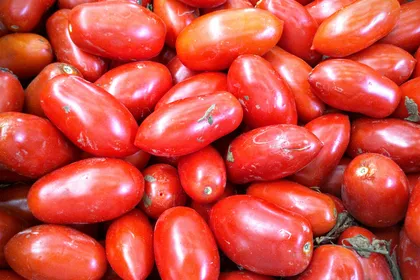 InvestigationSan Marzano DOP vs regular San Marzano«San Marzano» is at once the name of a cultivar anyone may plant anywhere, and a protected designation that…
 InvestigationItalian sounding: what is it really worth?Sixty billion, then a hundred, then a hundred and twenty, then forty-two.
 InvestigationProtected names vs common names: PDO and PGIEuropean protection attaches to a name in full, and that name is almost always longer than the one used at…
Frequently asked questions
How do piennolo tomatoes keep for months without refrigeration?
Three things working together: a thick, leathery skin that slows evaporation and keeps microorganisms out, unusually low water content because the plants are grown without irrigation on volcanic soil, and high acidity acting as a natural preservative. Hung in a cool, dry, airy room they last four to seven months.
What is a schiocca?
The hanging cluster. Whole bunches are arranged and tightened around a ring of hemp twine to form a flattened sphere weighing one to three kilos, which is then hung from a nail. Tomatoes are pulled off individually through the winter.
Is piennolo the same as datterino?
No. Datterino is elongated, very sweet, thin-skinned and full of water, bred to be eaten straight away and usually irrigated. Piennolo is oval with a pointed tip, sharper, thick-skinned and low in water, bred to last until spring.
Are jarred piennolo tomatoes the real thing?
Yes, the DOP covers the preserved form as well as the fresh cluster. They are whole tomatoes in water and salt, softer than fresh ones and without the months of concentration, but the same fruit from the same area. Check that the ingredient list stops at tomatoes, water and salt.
Can you eat them raw?
Yes, if you want acidity rather than sweetness. They are excellent on bruschetta, halved on pizza, over mozzarella or salt cod, where they do the job lemon would otherwise do. In a sweet salad they are the wrong tomato.
Sources
Where to check what you just read.
- 1
L'atto dell'11 dicembre 2009 che ha iscritto «Pomodorino del Piennolo del Vesuvio» fra le DOP ortofrutticole: fissa la data da cui il nome è protetto.
- 2
Il PDF del disciplinare vigente, dove si controllano ecotipi ammessi, peso massimo del frutto, rese per ettaro e regole del confezionamento a piennolo.
- 3
La scheda regionale con i cinque ecotipi (Fiaschella, Lampadina, Patanara, Principe Borghese, Re Umberto), i comuni ammessi e i sette-otto mesi di conservazione appesi.
- 4Consortium · interested partyConsorzio di Tutela del Pomodorino del Piennolo del Vesuvio DOP
L'elenco delle aziende consorziate e la delimitazione del territorio vesuviano: serve a distinguere il prodotto certificato dai pomodorini «tipo piennolo» venduti in zona.
Related foods
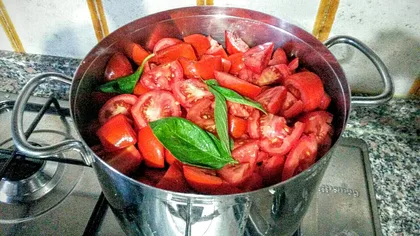 Vegetables and fruitSan Marzano TomatoesSan Marzano is a long, thin-skinned plum tomato grown in the volcanic plain between Naples and Salerno, and…
 CheeseBuffalo MozzarellaMozzarella di Bufala Campana DOP is made from the whole raw milk of Italian Mediterranean water buffalo…Vegetables and fruitChestnutsFor a thousand years the Apennines made bread from them rather than dessert: Castanea sativa was the tree…
 Vegetables and fruitSorrento LemonThe Sorrento lemon is a rifiorente femminello grown under chestnut-pole pergolas on the cliffs south of…Vegetables and fruitFriarielliAround Naples this turnip never reaches the root stage, because what matters grows above it.
 Vegetables and fruitPaestum ArtichokeThe Paestum artichoke is round, tightly closed, completely spineless and dimpled at the tip: it takes a…
 Vegetables and fruitCilento White FigThe Cilento white fig is a Dottato fig dried in the sun on cane racks in the hills south of Salerno.
 Pasta and breadSpaghettiA solid round strand of durum semolina and water, 1.7 to 2.0mm across. It looks like the most neutral pasta…