Fourteen things for a board, and what it really costs
Two hams, three cured meats, five cheeses, two preserves and the bread. With each one's price per kilo you can work out a board for six before walking into the shop.
A board is not a list of good things: it is a problem of proportion and contrast. The rule that works is three cured meats, three cheeses, two accompaniments and a neutral bread, with eighty to a hundred grams of meat and cheese a head in total. Past that quantity the palate stops distinguishing, and the board becomes dinner.
The contrasts are built on three axes. Fat against acid: a lardo or a mortadella wants a giardiniera or a mostarda beside it, because acidity and sugar cut through. Sweet against salt: a blue with fruit mostarda, an aged pecorino with honey. And soft against crisp, which is why the right bread is neutral, dry and able to clean the mouth between two tastes.
The bread, indeed. A board wants a bread with no flavour of its own, because it has to carry rather than compete: thin Tuscan schiacciata, Turin grissini, a michetta. A Genoese focaccia with its brine, or a rye bread, are good but they bury everything.
 Scott Brenner · CC BY 2.0
emilia romagna · 26-34 €/kg
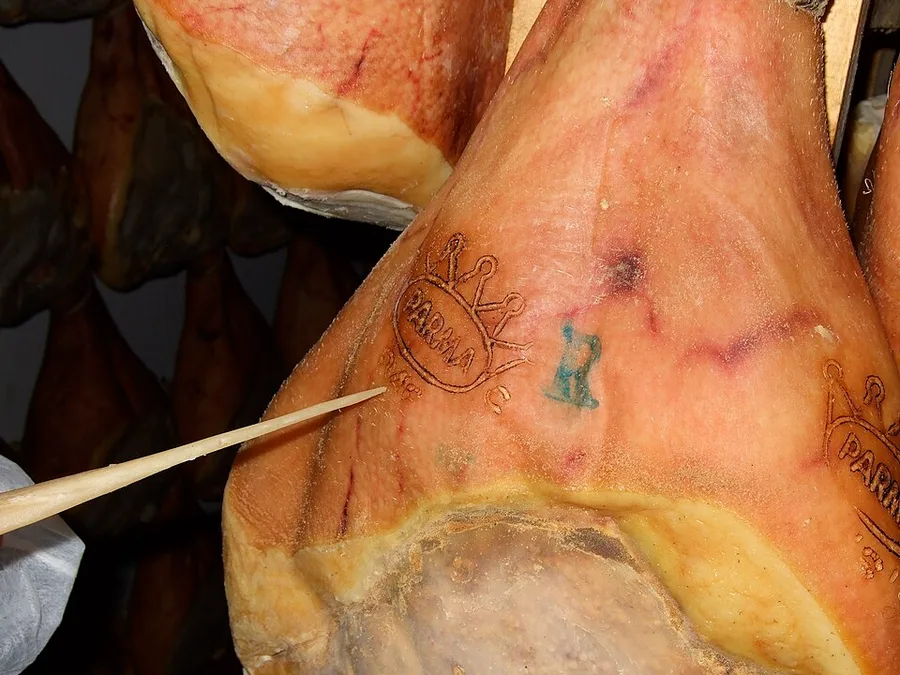
The mild raw ham, sliced thin, four hundred days minimum. On the board it is the entry everybody recognises, and it works as a reference point: everything else is tasted before or after it.
 Francesco P · CC BY-SA 2.0
emilia romagna · 60-90 €/kg
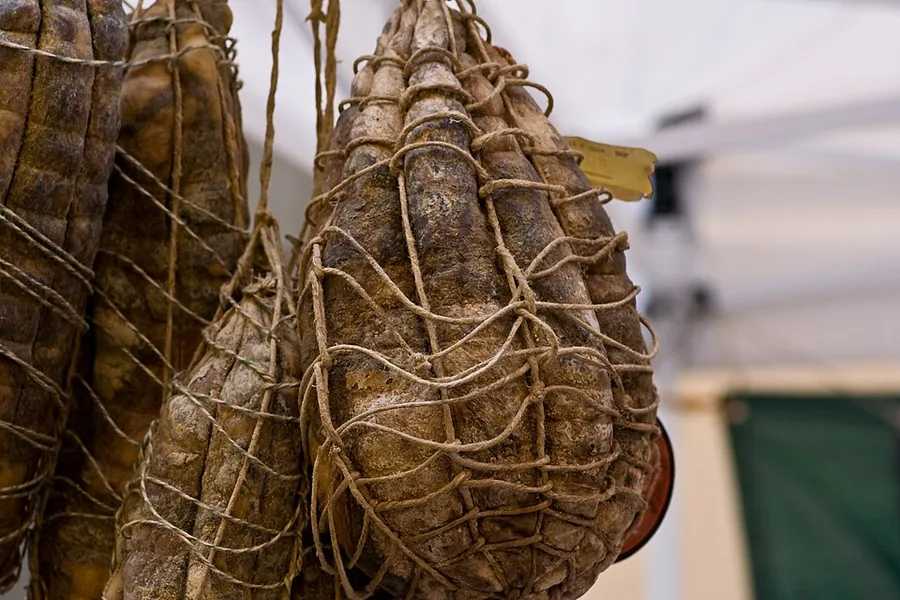
Sixty to a hundred and twenty euro a kilo, so it goes on in small quantity and is sliced to order. It has a tight fibre and a cellar scent: it comes last, because after it the other raw hams disappear.
 stu_spivack · CC BY-SA 2.0
toscana · 18-28 €/kg
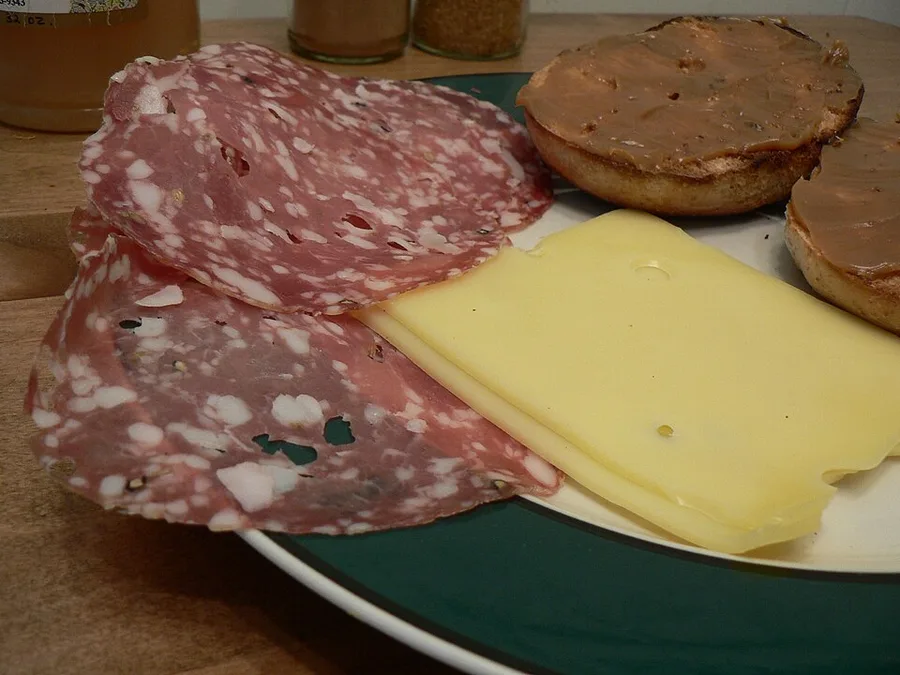
Cut thick because the paste is crumbly, and wild fennel makes it the most aromatic cure on the board. Half a centimetre is the measure: thin, it falls apart and loses its scent.
 ehud · CC BY 2.0
emilia romagna · 14-20 €/kg
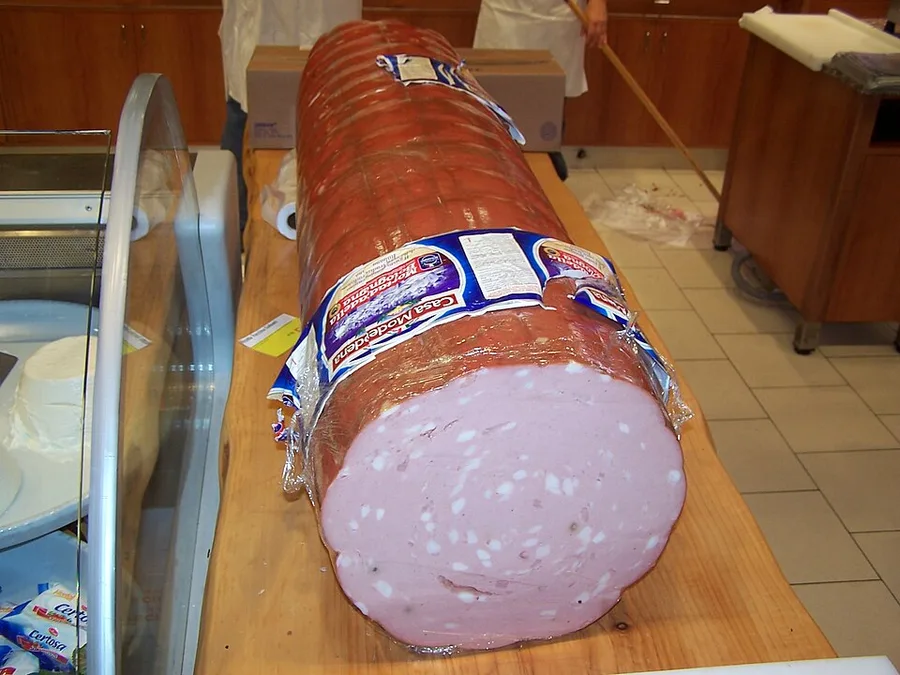
The sweetest and fattest cure, with squared cubes of throat fat: cut it into cubes or thick slices, not wafer-thin. With giardiniera beside it the pairing is classic, and the reason is acidity against fat.
 OneArmedMan · Public domain
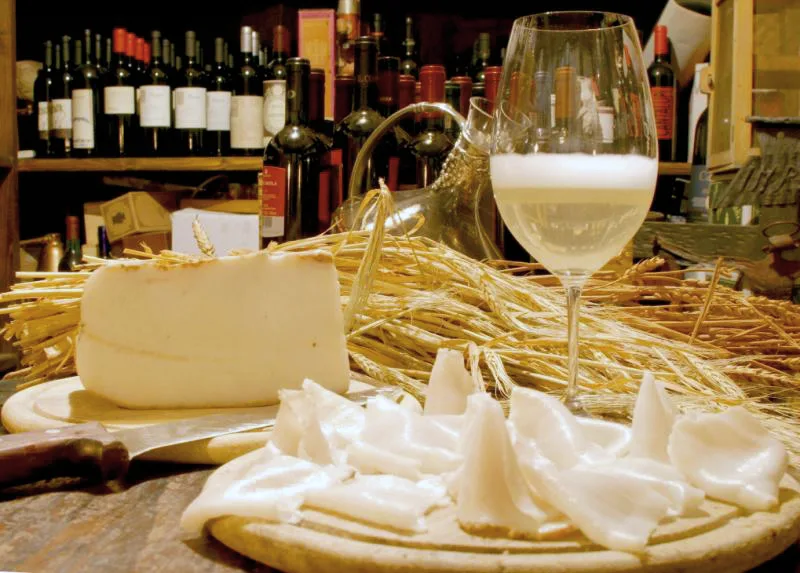
toscana · 28-40 €/kg
Cut transparent and laid on warm bread, because the heat just melts it. Six months in the marble troughs make it a cured meat rather than an ingredient, but it remains the fattest entry on the board.
 Nerodiseppia · CC BY-SA 3.0
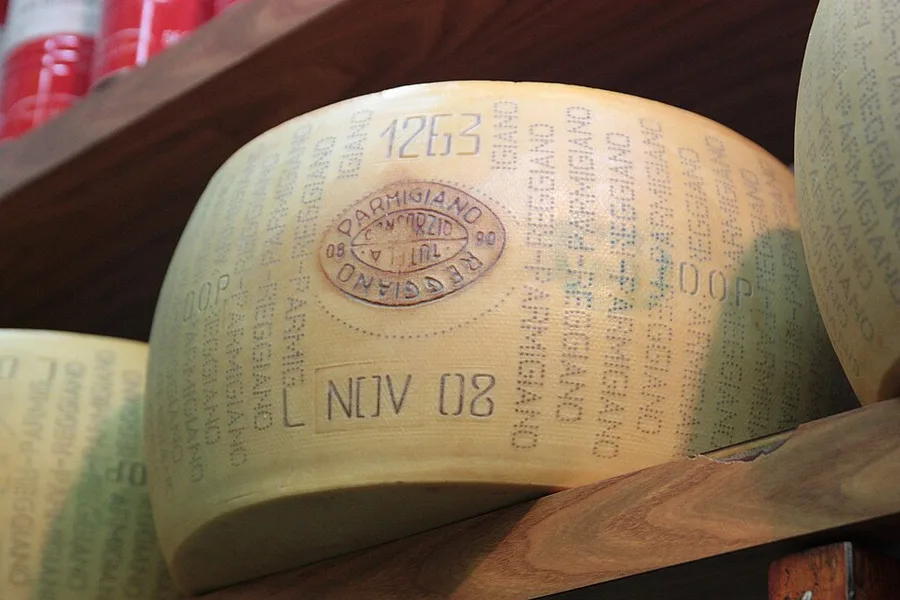
emilia romagna · 14-18 €/kg
In shards, broken with a short pointed knife and never cut into slices: the fracture follows the structure of the paste. Thirty months or more give the tyrosine crystals you feel under the teeth.
 Bijltjespad · CC BY-SA 3.0
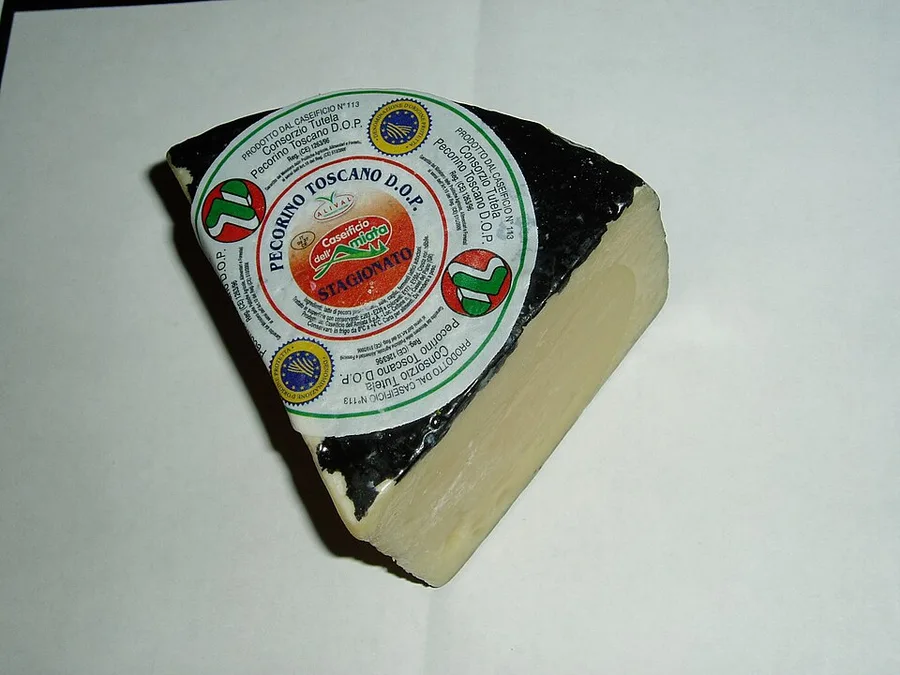
toscana · 12-16 €/kg
The gentle soft-pasted pecorino, to eat in slices: with honey or a preserve it is the board's sweet-savoury pairing, and it lacks the aggressive salt of the Romano.
 MOs810 · CC BY-SA 3.0
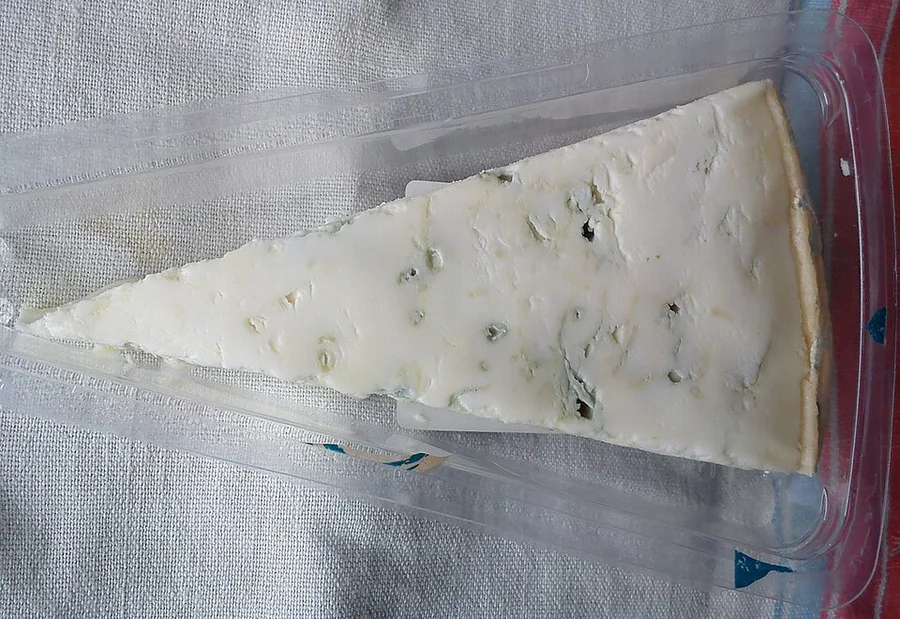
lombardia · piemonte · 10-16 €/kg
The mild one is creamy and goes on by the spoon, the sharp one is firm and is cut: they are two distinct versions and one is enough on a board. Beside it, mostarda, because sugar dampens the mould.
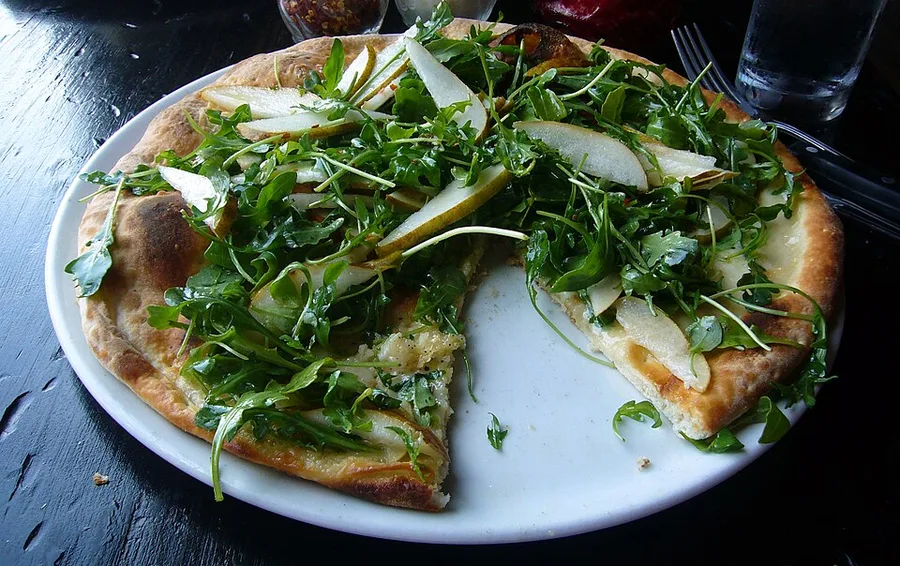 Kent Wang from London, United Kingdom · CC BY-SA 2.0
lombardia · 12-18 €/kg
Washed rind, a mild and buttery paste: it smells stronger than it tastes, and it is the cheese that convinces people who claim not to like cheeses that smell. Serve it at room temperature.
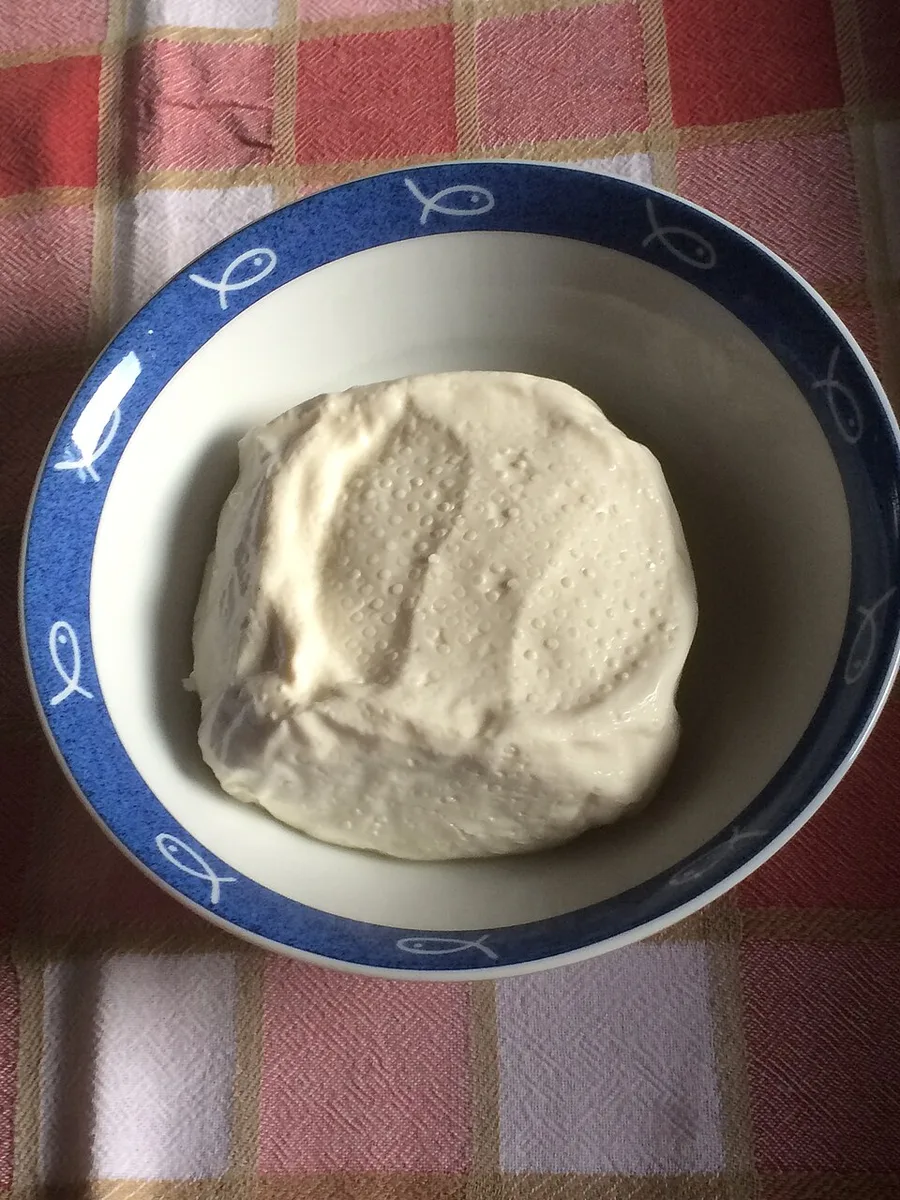 WILO-MA · CC BY-SA 4.0
emilia romagna · 10-16 €/kg
Fresh, rindless, so soft it takes the shape of its container: it goes in a small bowl and is taken with bread. It matures for one to four days, so it is the entry that sets the date of the shopping.
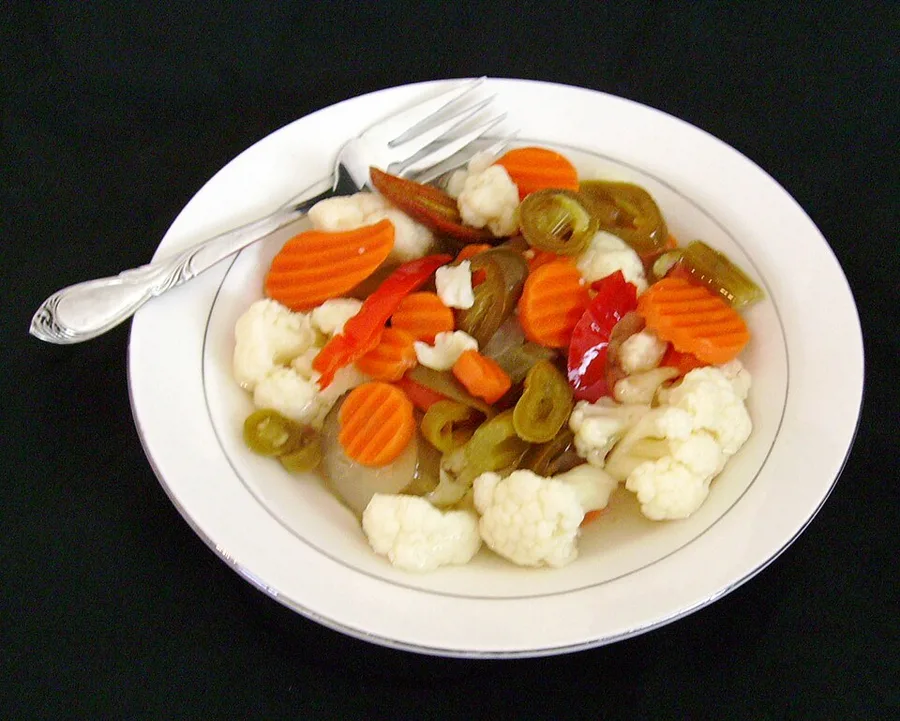 Antonio Cavallo · Public domain
lombardia · piemonte
Cauliflower, carrot, celery, peppers and small onions blanched in vinegar: it is the acidity needed beside the fatty cures, and the home-made version has a less aggressive vinegar than the industrial one.
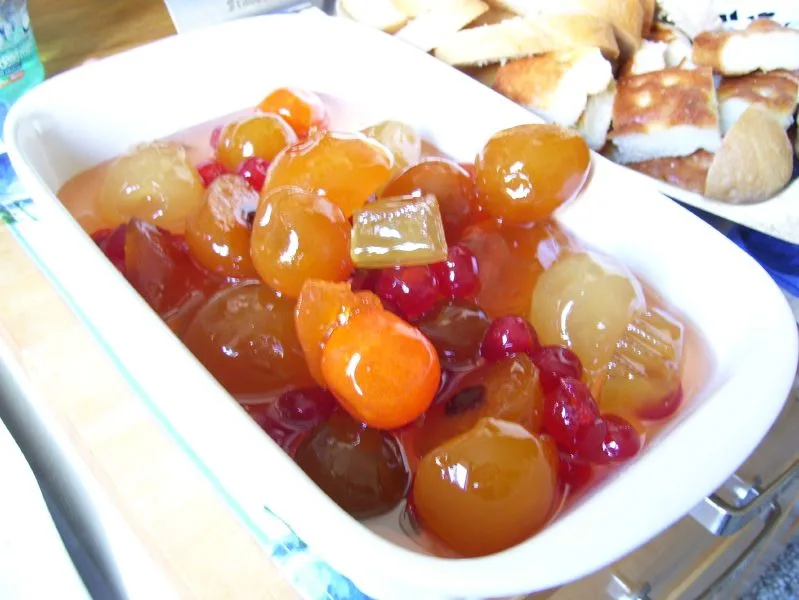 Silvio from Rome, Italy · CC BY 2.0
lombardia · 18-30 €/kg
Whole fruit candied in mustard: sweet and pungent at once. It goes with blues and aged cheeses, not with fresh ones, where it buries everything. A teaspoon a head is the right amount.
 WILO-MA · CC BY-SA 4.0
toscana · 8-14 €/kg
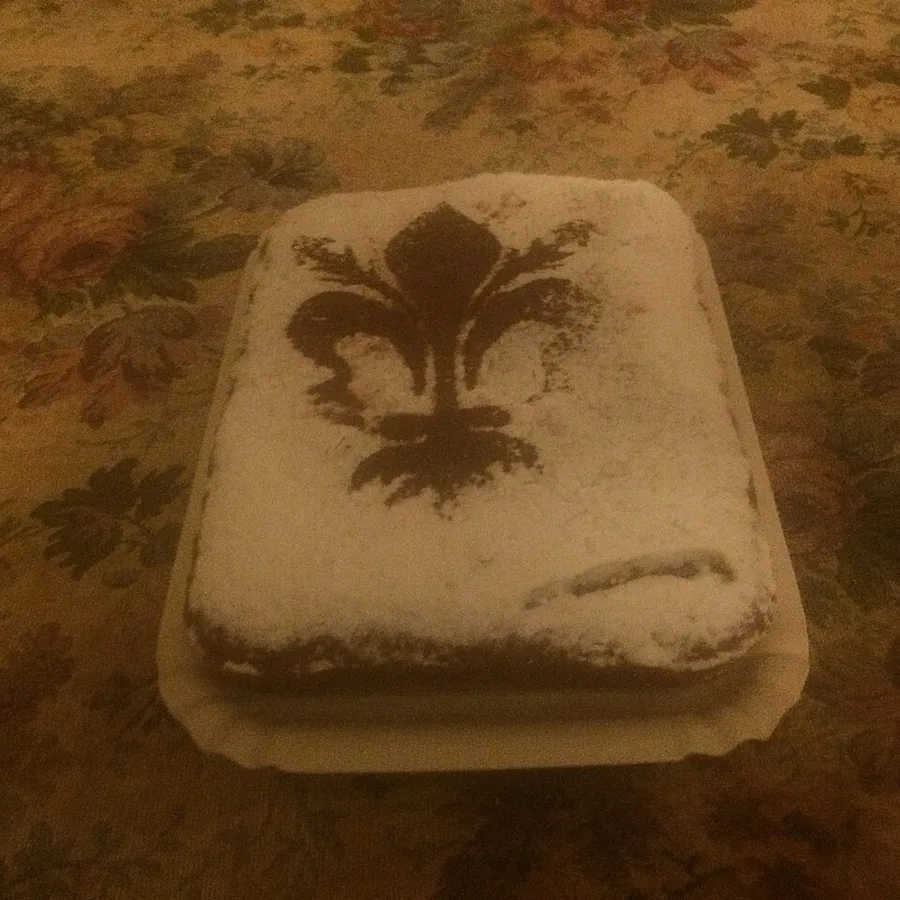
Thin, crisp, with oil and coarse salt: it is the bread Florence serves with cured meats, and it works on a board because it has no flavour of its own to assert.
 opera propria · CC BY-SA 3.014
Grissini
piemonte · 12-20 €/kg
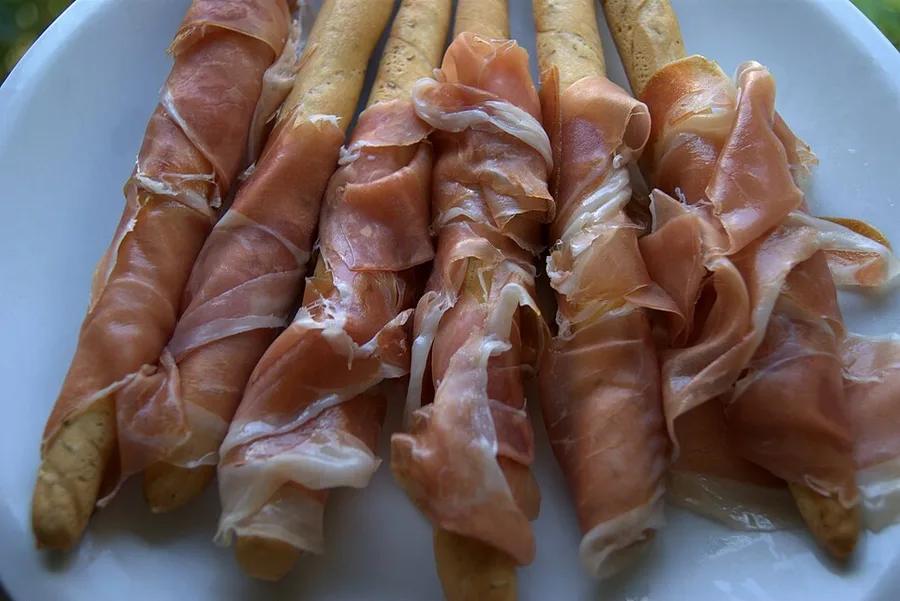
All crust and no crumb, born at the Savoy court in the seventeenth century. On a board they are the crisp element that cleans the mouth between two cheeses, and the hand-rolled rubatà is a different world from the stirato.
One last thing
The arithmetic, using the prices on the product pages, takes two lines. Six people need about four hundred and fifty grams of cured meat and four hundred of cheese, split three and three: with a mid-range raw ham, a finocchiona, a mortadella, a twenty-four-month Parmigiano, a Tuscan pecorino and a blue, you land around thirty-five to forty-five euro, bread and preserves included. Culatello and lardo di Colonnata double the bill if used in quantity: they go on as an accent, fifty grams in all, and in that role they are worth the price.
The questions this list answers
These are real questions put to an AI assistant, in the period when Bing cited this site among its sources to answer them. The number is how many times we were cited. We read them in Bing Webmaster Tools, under AI performance, and they decide what goes on this page rather than the other way round.
- prosciutto di parma46 citations
- lardo di colonnata642 citations
- taleggio672 citations
- pecorino sardo276 citations
- finocchiona65 citations
- what is giardiniera382 citations
- mostarda di cremona215 citations
- fennel salami360 citations
- what is grissini91 citations
- zola formaggio12 citations
- squacquerone183 citations
- culatello172 citations
Frequently asked questions
How much meat and cheese per person?
As a starter, between eighty and a hundred grams a head in total, split between cured meats and cheeses. As a whole meal, a hundred and fifty to a hundred and eighty. Past those quantities the palate stops telling the products apart, and it is better to cut the number of entries than to increase the amounts.
What is the right bread for a board?
A neutral, dry bread that carries without competing: Tuscan schiacciata, grissini, a plain naturally leavened loaf. Dressed focacce and flavoured breads bury the cured meats, and warm bread is only needed for lardo, where the heat melts it.
What goes with a blue cheese?
Something sweet, to dampen the saline edge of the mould: fruit mostarda, honey, a pear or a fig preserve. Washed rinds such as Taleggio want the opposite, acidity and crunch, so pickles or heavily toasted bread.
How do you cut Parmigiano for a board?
In shards, broken with a short pointed knife following the structure of the paste, not sliced with a smooth blade. The fracture exposes the grain and releases the scents; in long ageings you feel the tyrosine crystals under the teeth.