Fourteen things from Lombardy, from the high pasture to the paddy
Bitto, taleggio, gorgonzola, bresaola, goat violin, Carnaroli, Cremona mostarda, saffron risotto, ossobuco, pizzoccheri, panettone. A region that runs from two thousand metres to irrigated plain, and eats in three bands.
Lombardy reads in horizontal bands. At the top the high pastures, where milk was turned into cheese up there because coming down daily was impossible: hence bitto, valtellina casera, formai de mut, strachitunt. In the middle the foothills and lakes, where the washed-rind cheeses come from, taleggio and quartirolo and salva cremasco. At the bottom the irrigated plain, with rice, butter and grana.
The reference fat changes with the band and explains the cooking. Where there were cows there was butter, and butter is the base of risotto alla milanese, of the cotoletta and of the ossobuco; elsewhere in Italy those recipes would be made with oil and would be different dishes. Beef marrow, which appears in both the saffron risotto and the ossobuco, is the other local fat.
At the end of the list are two products that do not look Lombard and are: the mostarda of Cremona, fruit candied in mustard, eaten with boiled meats and blue cheeses, and panettone, which went from being one city's cake to being December's cake for the whole country.
 Fabio · CC BY 2.0
lombardia · 18-28 €/kg
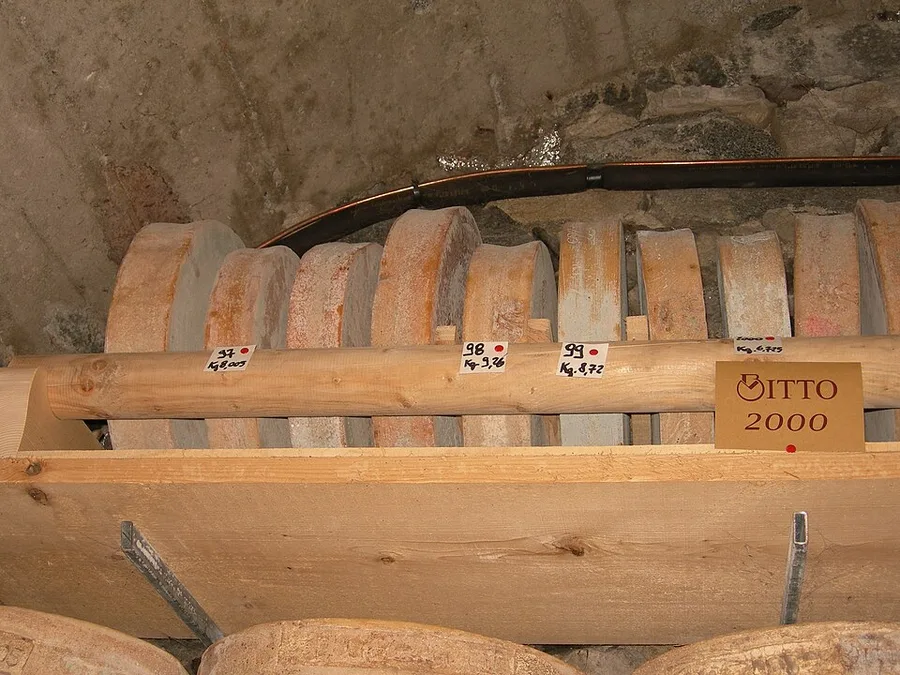
Made only on the high pastures, from the first of June to the thirtieth of September, worked in the calècc that follows the herd. Up to ten per cent Orobica goat milk, and ageing that reaches ten years: few cheeses in the world last that long.
 Distretto Agroalimentare di Qualità della Valtellina · CC BY-SA 4.0
lombardia · 12-17 €/kg
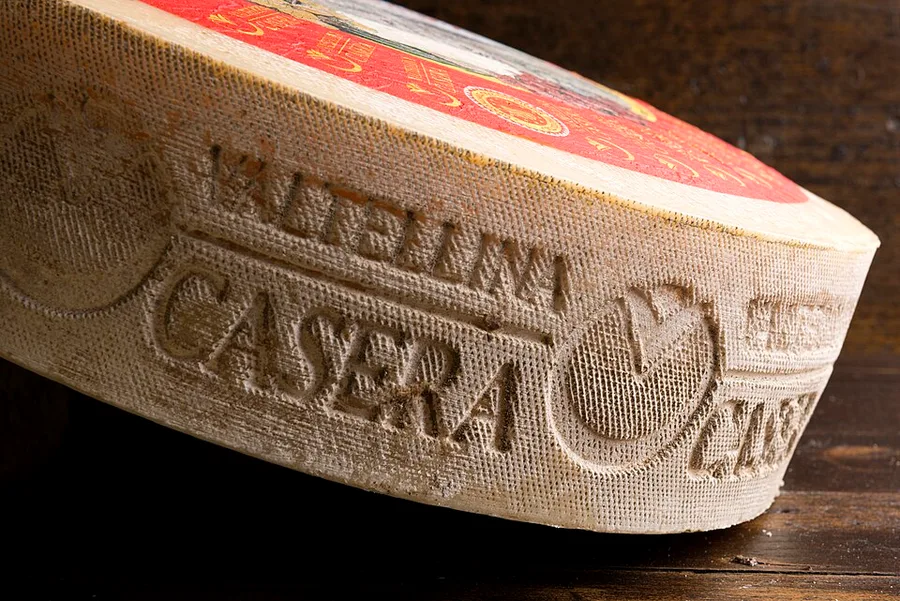
Partly skimmed milk, because the cream was needed for butter which was worth more, and seventy days minimum in the casere. It is the cheese of pizzoccheri, and it melts without splitting.
 Kent Wang from London, United Kingdom · CC BY-SA 2.0
lombardia · 12-18 €/kg
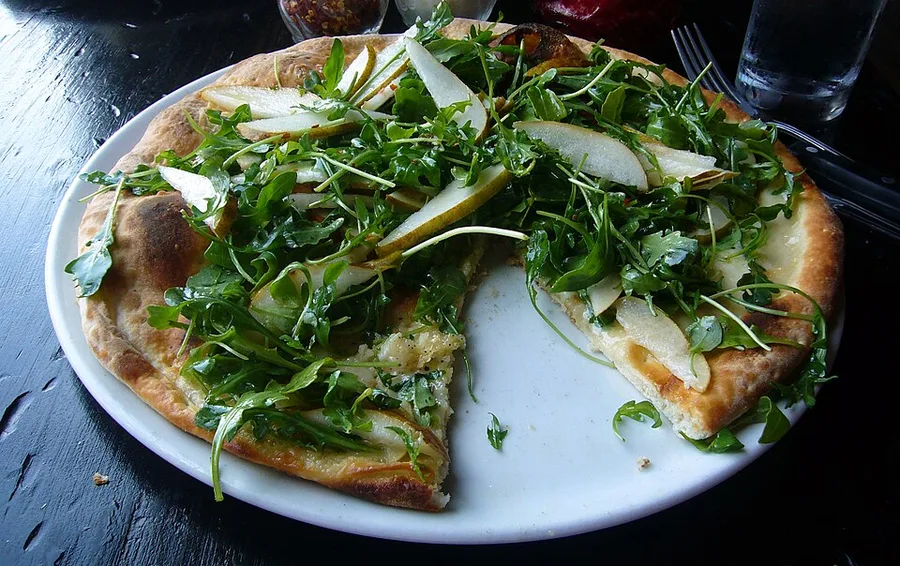
Square, washed rind, at least thirty-five days in the Val Taleggio. It smells stronger than it tastes: mild and buttery in the mouth, and one of the best Italian melting cheeses.
 MOs810 · CC BY-SA 3.0
lombardia · piemonte · 10-16 €/kg
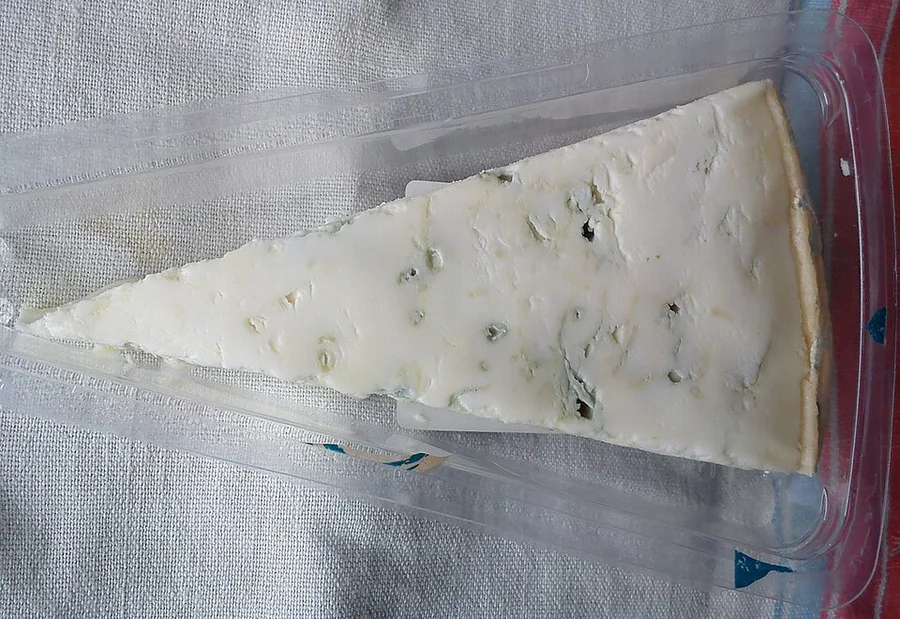
The green veins come from a mould inoculated into the milk and then pierced with needles so oxygen can enter. Two distinct versions, mild and sharp, which the rules keep apart: they are not degrees of one thing.
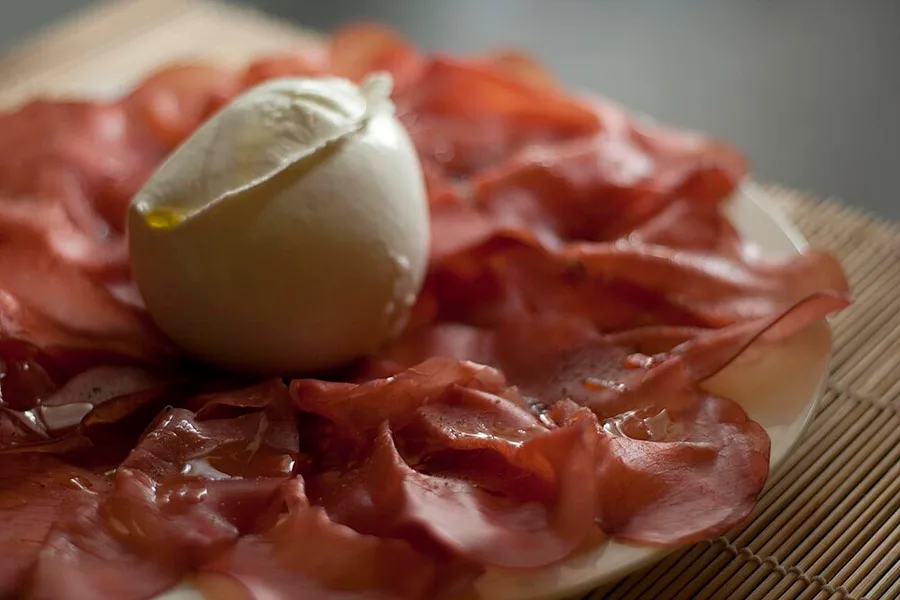 Luca Nebuloni from Milan, Italy · CC BY 2.0
lombardia · 32-42 €/kg
Beef dry-salted with pepper and spices, four to eight weeks in the dry air of the Valtellina, IGP since 1996. Sliced very thin and dressed at the last moment: lemon added early turns it grey.
lombardia · 70-95 €/kg
A goat leg salted and cured in the crotti of the Valchiavenna, a Slow Food presidium. It is sliced held against the shoulder with the knife moving like a bow, which is where the name comes from.
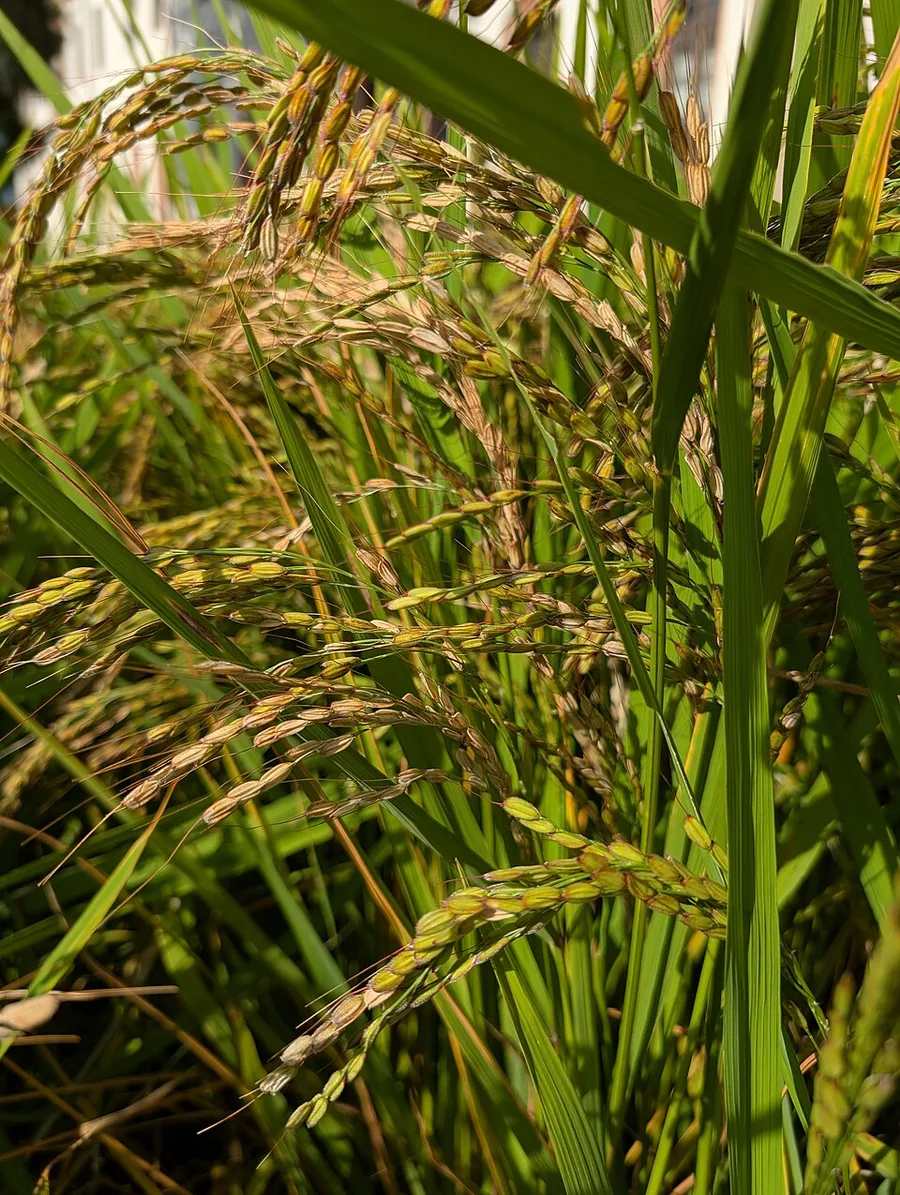 Ivanbranco · CC BY-SA 4.0
lombardia · piemonte · 2.5-4 €/kg
The risotto rice with the most amylose: it releases enough starch to bind and holds the grain even ten minutes past time. That is why it forgives errors of timing.
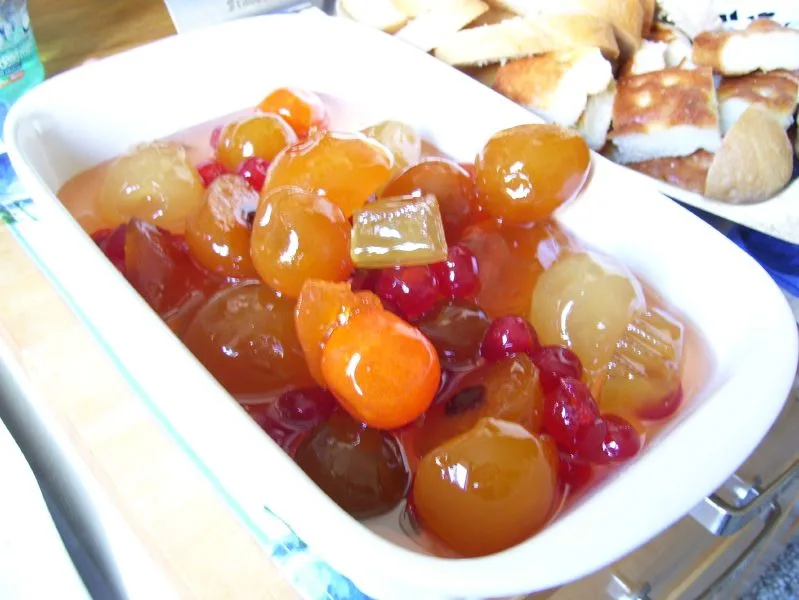 Silvio from Rome, Italy · CC BY 2.0
lombardia · 18-30 €/kg
Whole fruit candied in mustard: sweet, hot and pungent at once. Created to preserve fruit, it is now eaten with boiled meats and with blue cheeses, where the sugar dampens the saline edge of the mould.
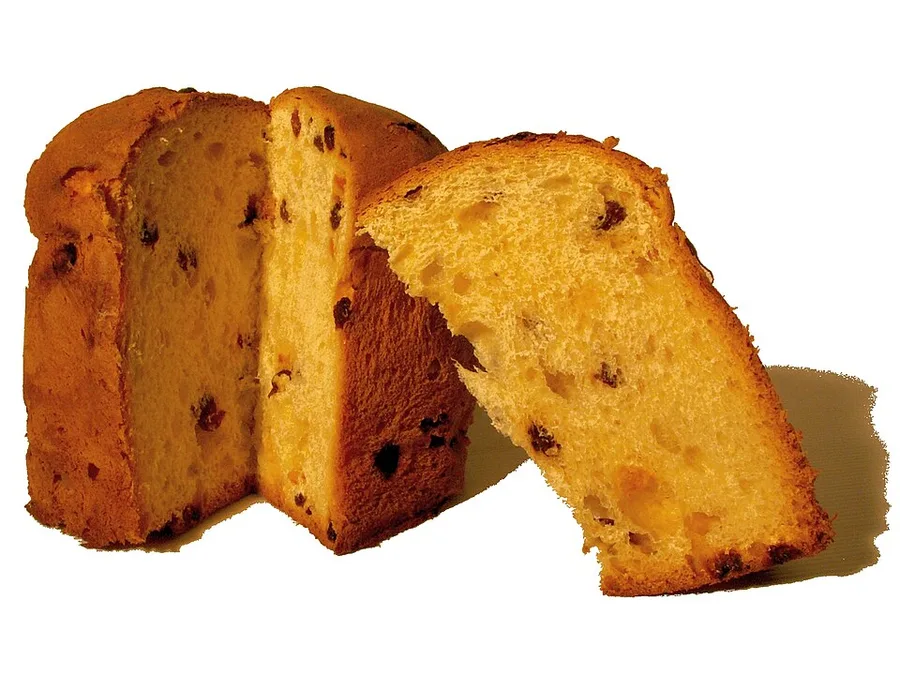 Hartung · Public domain
lombardia
Natural leaven, three doughs, candied peel and raisins, and a bake that demands a high dome. From a Milanese cake it became December's cake for all of Italy, and the difference between artisan and industrial is read in the ingredients.
lombardia · 30′
Half an hour: Carnaroli toasted in butter and beef marrow, meat broth, saffron left to infuse, finished off the heat with cold butter. The marrow is what gives it roundness.
lombardia · 40′
A veal chop on the bone, crumbed and cooked in clarified butter, forty minutes. It is not a wiener schnitzel: that is pork or veal beaten thin and boneless, fried in lard or oil.
lombardia · 1 h 55′
Thick slices of shin with the marrow, floured and browned in butter, an hour and a half of stewing, gremolada off the heat. The marrow is eaten with a small spoon, and in Milan one is served for it.
lombardia · 1 h 5′
Buckwheat pasta with potato, cabbage and Valtellina Casera, melted butter and garlic over the top, an hour and five minutes. The cheese goes in layers between the hot pasta rather than stirred in: that way it strings without splitting.
lombardia · 2 h 40′
Roasted pumpkin, amaretti, campanine apple mostarda and Grana in egg pastry, with butter and sage. Two hours forty. The pumpkin is roasted rather than boiled, or the filling stays wet.
One last thing
Two recurring mistakes, both about butter. First: cotoletta alla milanese is not fried in oil. It goes into clarified butter, which takes higher temperatures than whole butter and gives the colour and scent that separate it from a schnitzel. Second: in a risotto the finishing butter must be fridge-cold and added off the heat, because it is the temperature contrast that emulsifies it with the starch. Soft butter, or a pan still on the flame, means separated fat and a glossy risotto that tastes greasy.
The questions this list answers
These are real questions put to an AI assistant, in the period when Bing cited this site among its sources to answer them. The number is how many times we were cited. We read them in Bing Webmaster Tools, under AI performance, and they decide what goes on this page rather than the other way round.
- taleggio672 citations
- what is bresaola417 citations
- tortelli di zucca mantovani, la ricetta originale217 citations
- mostarda di cremona215 citations
- violino di capra160 citations
- riso carnaroli148 citations
- bresaola137 citations
- ossibuchi alla milanese ricetta originale88 citations
- ossobuco ricetta originale84 citations
- torta sbrisolona ricetta originale40 citations
- bitto formaggio40 citations
- salame milanese35 citations
- zola formaggio12 citations
- polenta e osei13 citations
- la specialità milanese simile alla wiener schnitzel5 citations
- formaggio Quartirolo3 citations
Frequently asked questions
What is the Milanese dish similar to wiener schnitzel?
The cotoletta alla milanese, though it is a different thing: a thick veal chop on the bone, crumbed and cooked in clarified butter. A wiener schnitzel is a thin boneless slice, beaten out, fried in lard or oil. The argument about which came first is two centuries old and has no documented answer.
Why is risotto alla milanese yellow?
Saffron, steeped in a little hot broth and added at the end. No colouring or turmeric is needed: steeping draws the colour from the threads in minutes. Beef marrow, which goes in at the toasting stage, adds to the colour and above all to the roundness.
What is mostarda di Cremona?
Whole fruit candied and preserved in mustard: sweet and pungent in the same mouthful. It is not a mustard sauce and not a jam. It is served with boiled meats, with aged cheeses and with blues, and in Lombardy it also goes into the filling of Mantuan pumpkin tortelli.
How are pizzoccheri served?
In layers: the buckwheat pasta with potato and cabbage is alternated with sliced Valtellina Casera, and melted butter with garlic and sage is poured over. It is not stirred like a dressed pasta, because the cheese should melt against the heat of the pasta rather than be worked.