Twelve Italian spring things, with the real dates
Paestum artichoke from February, romanesco from February to May, Bassano asparagus until the thirteenth of June, Tropea spring onion from February to May, marzolino from March milk, pecorino with broad beans.
The Italian food spring begins before the calendar does, in February, and ends before the solstice. The dates are not vague: the Paestum artichoke ripens by February, because the Piana del Sele has a mild climate, and Bassano asparagus stops being cut on the thirteenth of June, Saint Anthony's day, to let the plants rebuild their roots.
In spring the milk changes, and with it the cheeses. The ewes are in milk, and the first milk of the year gives Tuscan marzolino, which takes its name from the month; in the alpine valleys the herds have not yet gone up, so alpine cheeses do not exist before June. Anyone looking for an alpine Bitto or Formai de Mut in April is buying last year's production or the valley-floor version.
And then there is the calendar of feasts, which weighs more in spring than in any other season: zeppole di San Giuseppe on the nineteenth of March, pastiera and casatiello at Easter, the colomba, the lamb. Fixed dates or moveable ones, but dates all the same, and after those weeks those sweets disappear for eleven months.
 Katiuscia Noseda · CC BY-SA 2.0
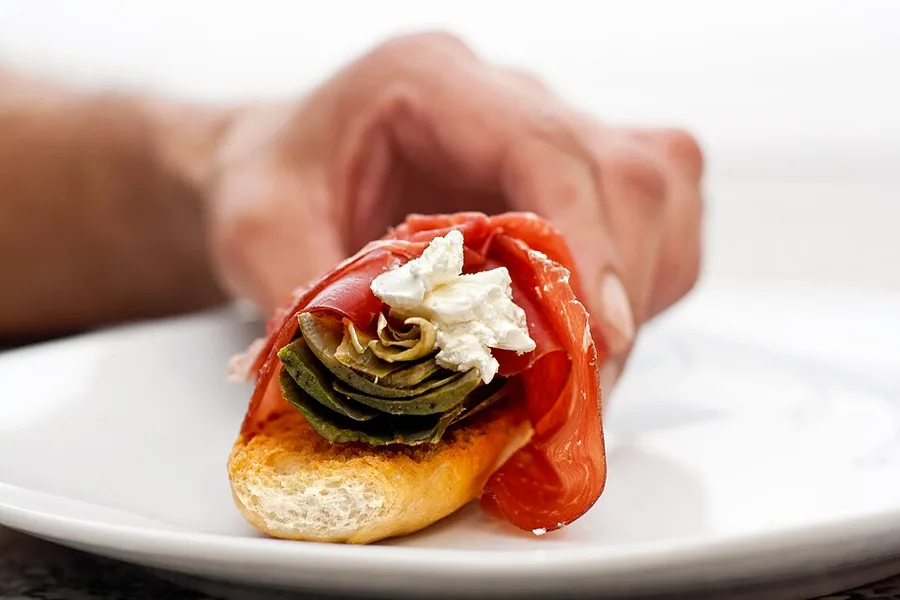
campania
The first Italian artichoke of the year: on the Piana del Sele the mild climate ripens it by February, and in March it is on northern stalls. Round, spineless, with a dimple at the top: it cleans in a minute.
 Stefano Pellicciari · CC BY-SA 2.0
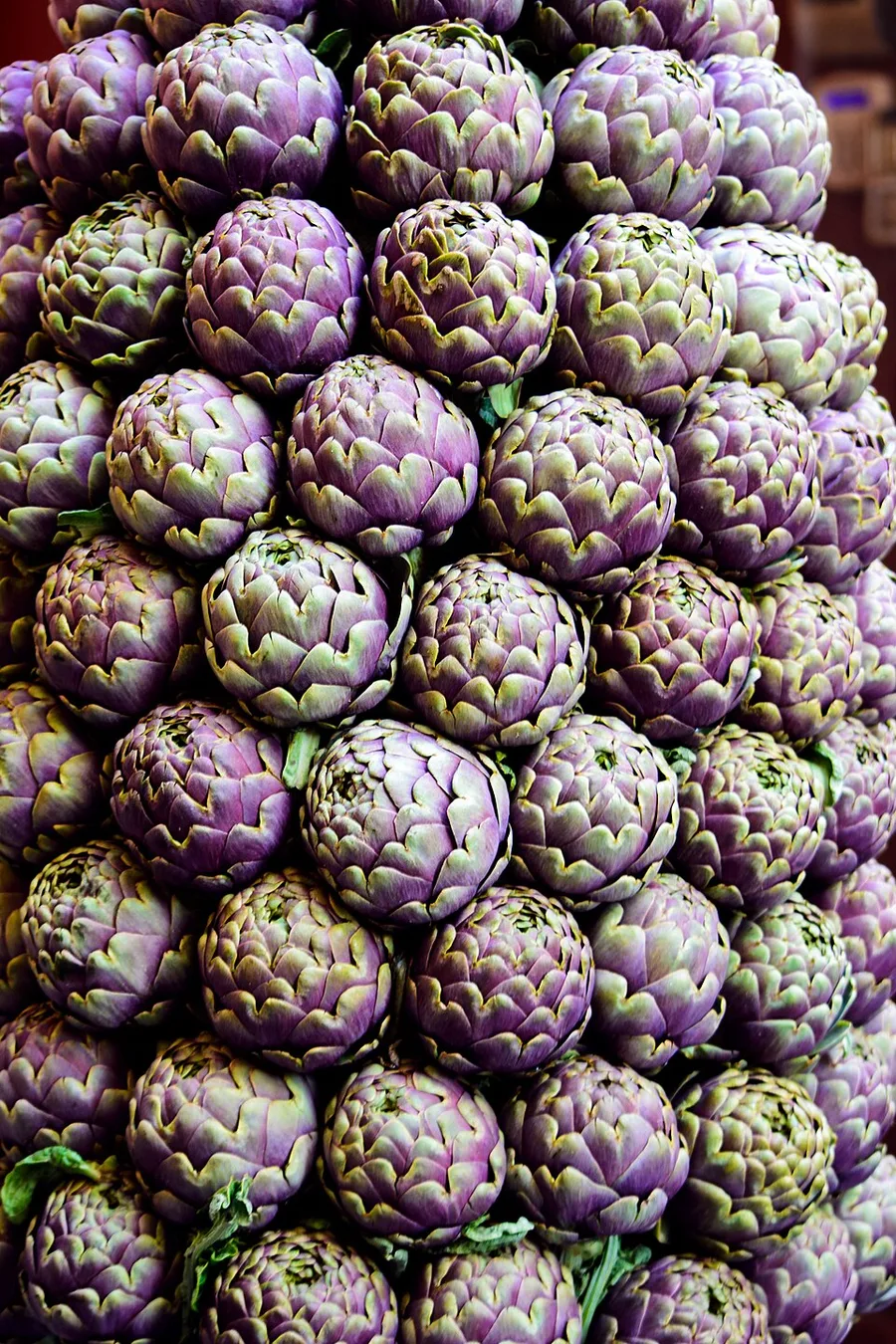
lazio
February to May along the coastal strip of Lazio. The cimarola, the top head, is the one for carciofi alla giudia and alla romana: the other heads are good, but not for those two recipes.
 Andrea Martinello · CC BY-SA 2.0
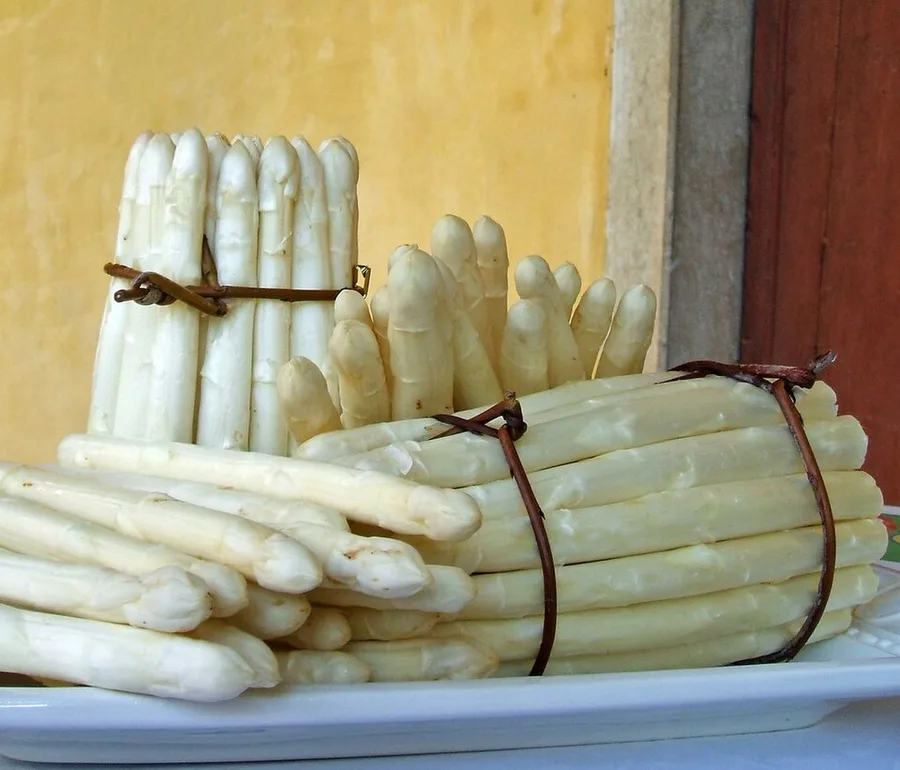
veneto · 18-25 €/kg
From mid-March to the thirteenth of June, with the bulk between mid-April and mid-May. White because it grows under a mound of earth and is cut before the tip emerges: after Saint Anthony's day the plants are left to grow.
 kajikawa · CC BY 3.0
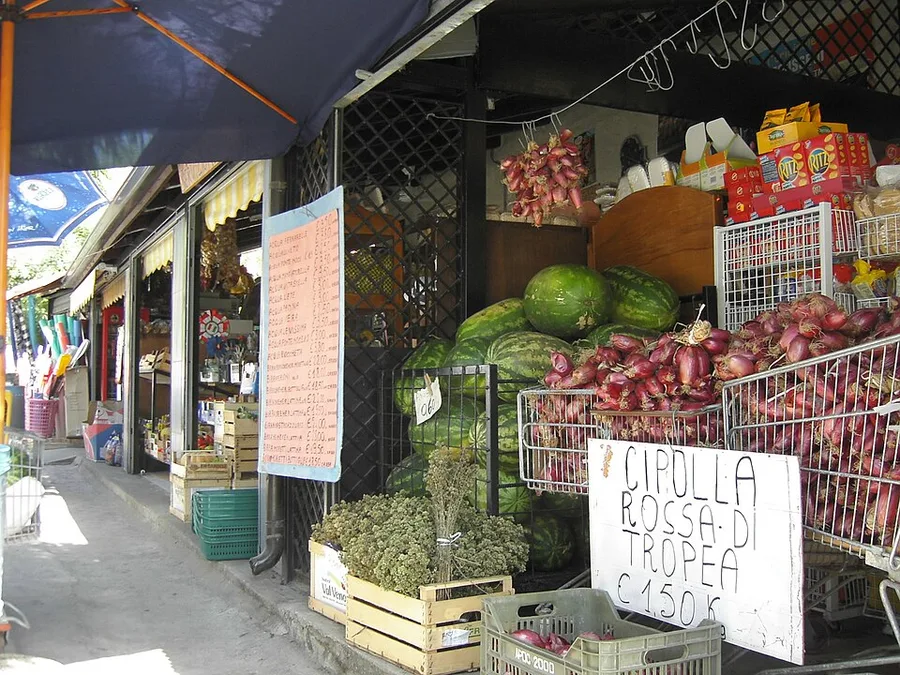
calabria · 2.5-4.5 €/kg
The cipollotto is the early harvest, February to May: a small bulb with the green stalk still on, eaten whole in salad. The keeping onion, the one in plaits, is lifted from July onwards.
toscana · 16-24 €/kg
The fresh Tuscan pecorino made with the first spring milk, March milk, hence the name. Oval shape, a rind often rubbed with tomato preserve, vegetable rennet in the traditional versions.
 Bijltjespad · CC BY-SA 3.0
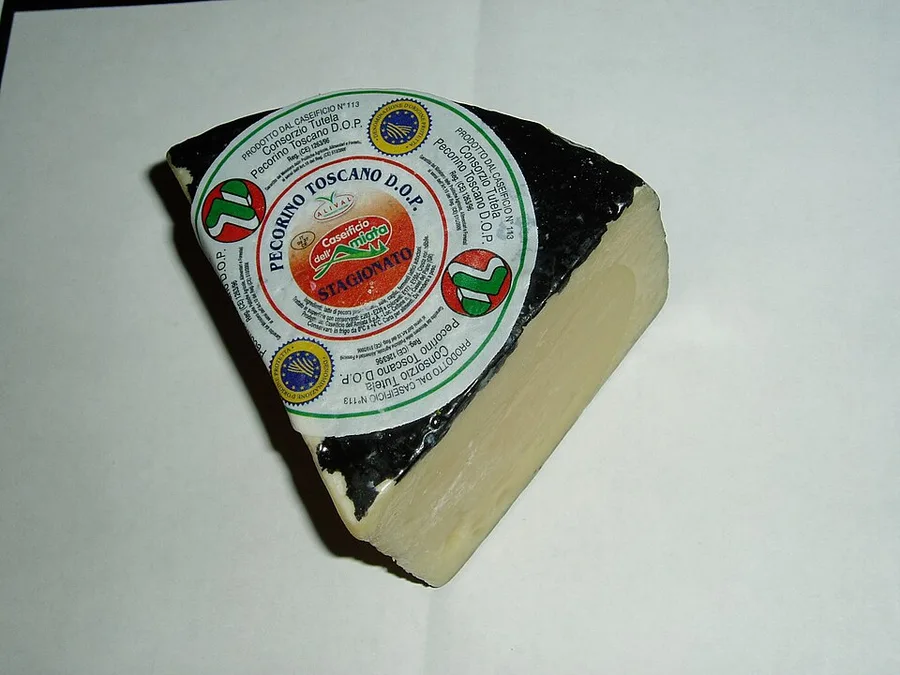
toscana · 12-16 €/kg
The gentle pecorino, soft-pasted from twenty days: with fresh May broad beans it is a whole dish, and outside those weeks the pairing loses half its point.
 JP · CC0
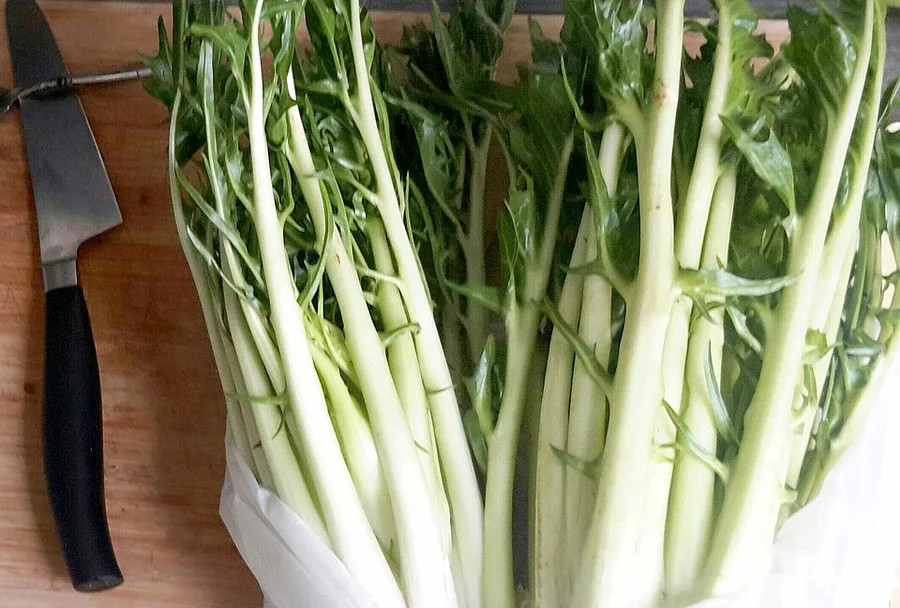
lazio · 2-3.5 €/kg
In Rome they close the winter: the season runs November to March, and by April the head bolts and the inner shoots turn bitter and fibrous. They are dressed with pounded anchovy, garlic, vinegar and oil.
 Brad Coy · CC BY 2.0
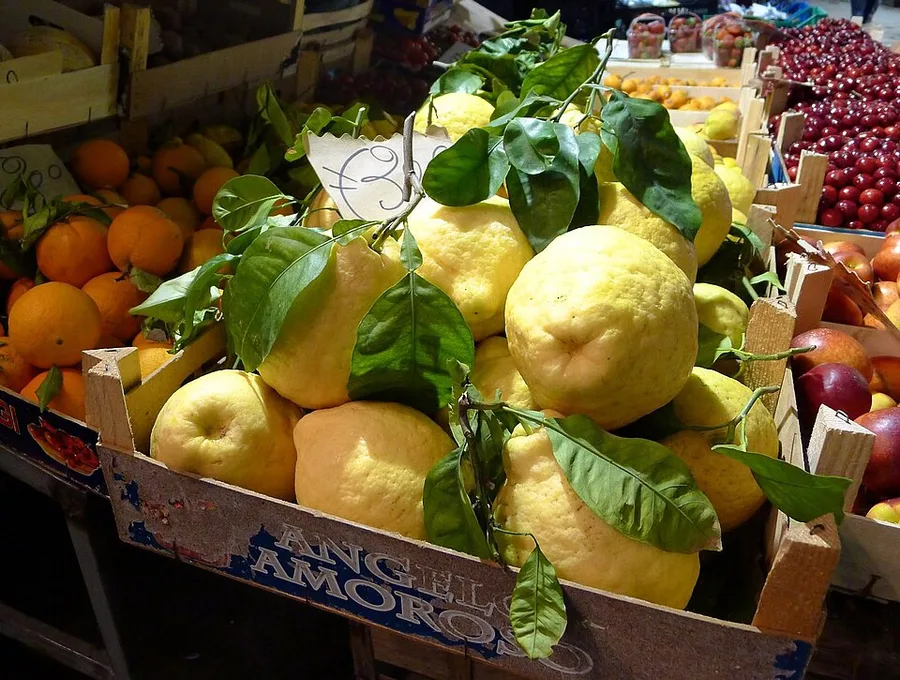
campania · 2.5-4 €/kg
Harvested from February to October, with the bulk between April and July and the peak in May and June. It is the lemon of the peel, and limoncello is made from that: the juice does not enter the recipe.
 Roger469 · CC BY-SA 4.0
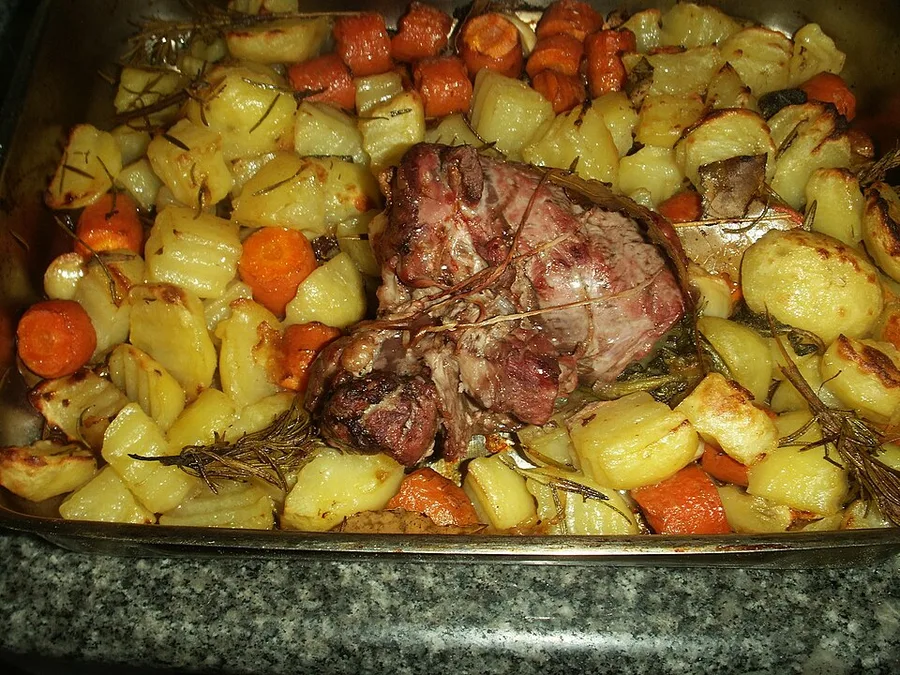
sardegna · 14-22 €/kg
The Sardinian breed at pasture, slaughtered young, in three weight categories. It is the Easter meat, and the very pale, mild flesh takes simple seasoning: rosemary, oil, potatoes.
campania · 1 h 20′
The nineteenth of March, and not loosely: choux pastry, confectioner's custard and a sour cherry. An hour and twenty, and the real choice is between fried and baked, which give two different sweets.
campania · 2 h 50′
It is made on Maundy Thursday or Good Friday and eaten from Sunday, because it wants two days' rest to settle. Cooked wheat, ricotta, candied peel, orange flower water: nearly three hours' work.
 Gmrozz · CC BY-SA 4.0
campania · 1 h 50′
The Neapolitan Easter bread, with lard, pecorino and cured meats in the dough and whole eggs set on top. It is eaten at room temperature and keeps three days: it was made for the Easter Monday outing.
One last thing
One thing often bought by mistake in spring: alpine cheese. The herds go up in June and come down in September, so a Bitto, an alpine Formai de Mut or an Ossolano d'Alpe bought in April comes from the previous season, which is legitimate and stated on the label, or it is the valley-floor version, which is another product under the same name. In spring the good milk is sheep's milk, because the ewes are in lactation: that is why marzolino is named after March, and why pecorino with broad beans is a May dish rather than an October one.
The questions this list answers
These are real questions put to an AI assistant, in the period when Bing cited this site among its sources to answer them. The number is how many times we were cited. We read them in Bing Webmaster Tools, under AI performance, and they decide what goes on this page rather than the other way round.
- cipolla rossa di tropea84 citations
- carciofo romanesco63 citations
- tropea onion50 citations
- cosa sono le puntarelle60 citations
- pecorino toscano cheese8 citations
- what is puntarelle3 citations
- zeppole600 citations
- what is zeppole28 citations
Frequently asked questions
When does the artichoke season start?
In February, with the Carciofo di Paestum IGP, which ripens earlier than the rest on the Piana del Sele thanks to the mild climate. The Carciofo Romanesco del Lazio runs from February to May, and the cimarola, the top head used for carciofi alla giudia, is cut in that window.
How late can you find Bassano asparagus?
Until the thirteenth of June, Saint Anthony's day: local tradition ends the cutting there, to let the plants rebuild their roots. The harvest starts in mid-March and the bulk arrives between mid-April and mid-May.
Why is marzolino called that?
Because it is made with the first spring milk, March milk, when the ewes come back into lactation. It is a fresh Tuscan pecorino, oval in shape, and outside that seasonal window a cheese sold under the same name does not have the same raw material.
Can you buy alpine cheese in spring?
Yes, but it comes from the previous season, because the herds go up in June. Where the DOP separates alpine from valley-floor production, as with Ossolano or Formai de Mut, the label says so: in spring, any alpine version on sale is by definition from the year before.