Twelve Italian names that mean something else two hundred kilometres away
Maccheroni, fusilli, toma, soppressata, mozzarella, bacalà, gnocco fritto, crescia, lonza, pesto, friarielli. One name, two products, and an argument with no end.
Italy had twenty states and a hundred dialects until 1861, and its food still carries that linguistic cadastre. The result is that some names denote not a product but a category, and change meaning from region to region: asking for maccheroni in Naples, in Abruzzo and in the inland south gives three different things, and all three are maccheroni.
The cases fall into two kinds. In the first the name describes a gesture, and the gesture is performed everywhere: soppressata and soppressa come from pressing, and are two distinct products; Genoese pesto and Modenese pesto come from pounding, and the second is lardo with garlic and rosemary, no basil. In the second the name has been borrowed: in the Veneto bacalà is dried stockfish rather than salted cod, and half of Italy's confusion about preserved fish starts there.
The third group, the trickiest, is generic names that have absorbed a specific one. Mozzarella covers both cow's milk fiordilatte and Mozzarella di Bufala Campana DOP; toma in Piedmont is a category covering dozens of valley cheeses, and the DOP codifies only part of them. Here the only remedy is to ask at the counter, because the label alone is not enough.
 Holapaco77 · CC BY-SA 4.0
campania · abruzzo · 1.1-2.2 €/kg
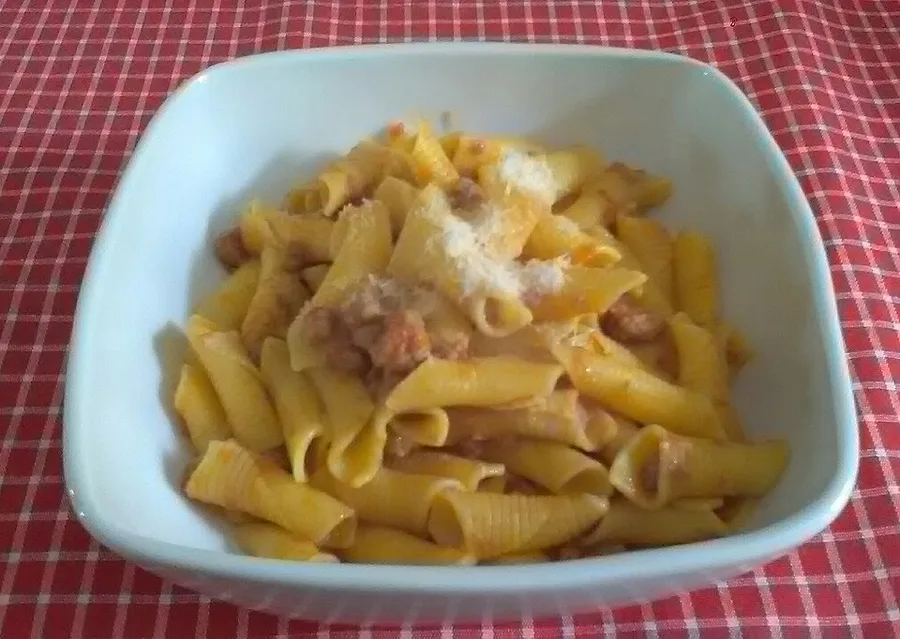
In Naples it means semolina pasta in general, in Abruzzo a square egg shape cut on a chitarra, in the inland south a tube rolled by hand on a ferretto. Three things, one name.
 Nnaluci · CC BY-SA 3.002
Fusilli
campania · molise · 1.1-2.2 €/kg
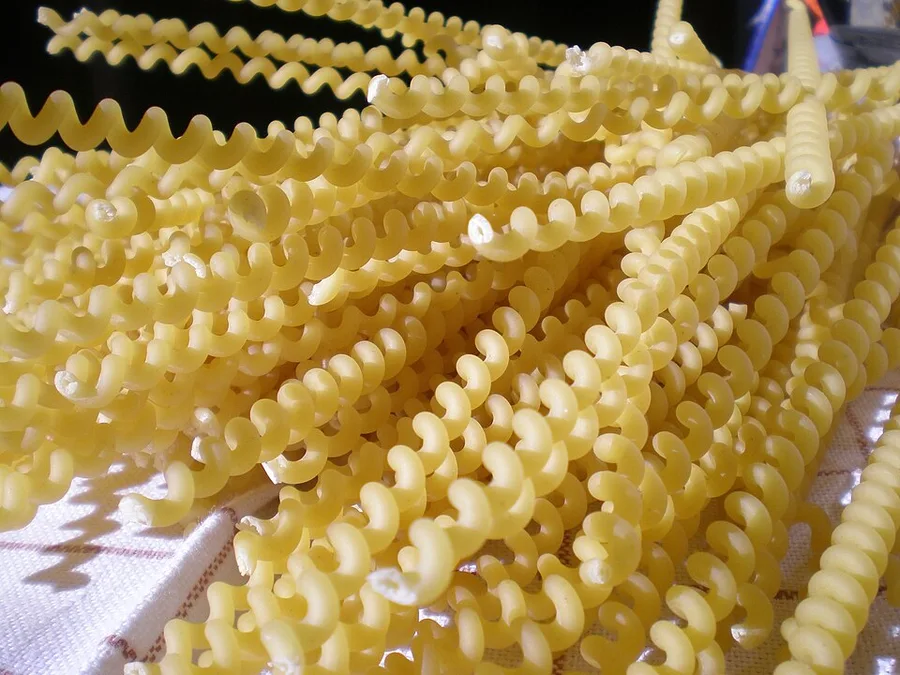
Two different pastas: the industrial helix, solid, which holds sauce outside, and the hand-rolled fusillo on a ferretto, hollow and twisted, which collects it inside. You choose by the sauce.
piemonte · 10-15 €/kg
In Piedmont toma is not a cheese but a category covering dozens of valley cheeses, and the DOP codifies only part of them. A tomino, by contrast, is a small fresh cheese, not a little toma.
 Florixc · CC0
calabria · basilicata · 26-38 €/kg
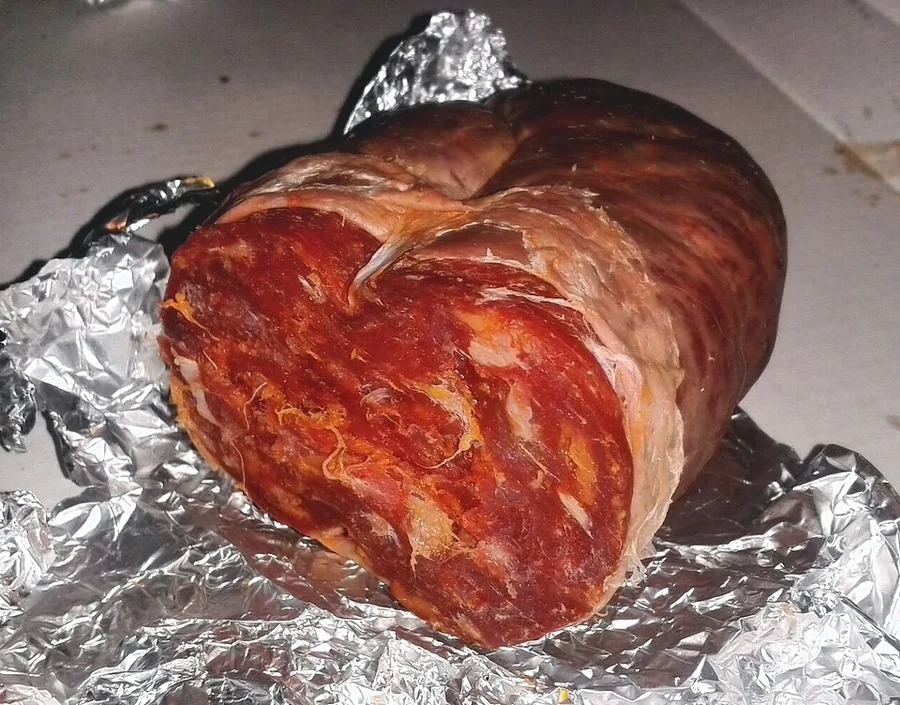
Calabrian and Lucanian, coarsely ground, pressed between two boards, often hot, DOP since 1998 in its Calabrian version. The same verb as the Venetian soppressa, two cured meats that are nothing alike.
veneto · 17-25 €/kg
Large, DOP, from heavy Vicenza pigs, not hot, to be cut in thick slices. Anyone ordering it expecting the southern soppressata is surprised, and the other way round.
 Jon Sullivan · Public domain
campania · puglia · 12-18 €/kg
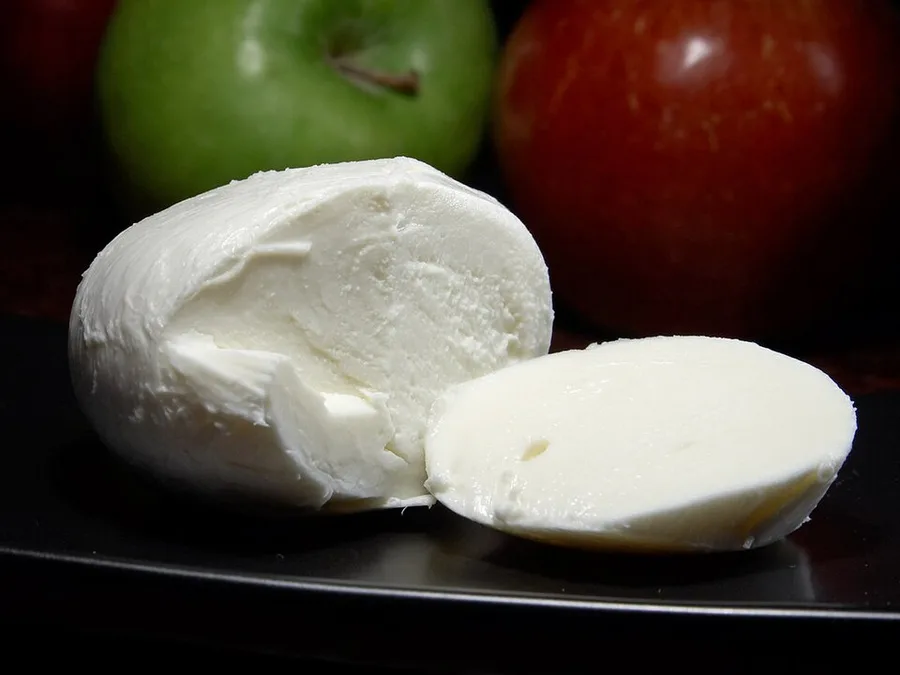
The name is a verb, mozzare, and it covers two products: cow's milk fiordilatte and Mozzarella di Bufala Campana DOP. In many regions it is used generically, and at the counter it pays to ask which.
 MoDs92 · Public domain07
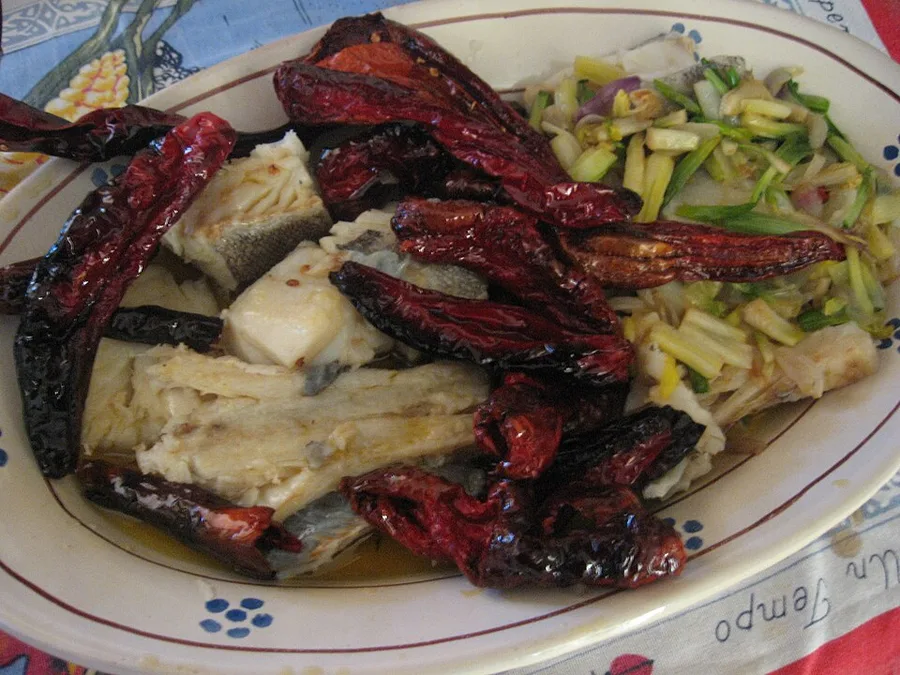
Baccalà
veneto · 14-22 €/kg
Salted cod, to be desalted over days. In the Veneto, though, bacalà means stockfish, which is dried and not salted: baccalà alla vicentina is made with that, and the name misleads.
 Nerodiseppia · CC BY-SA 3.0
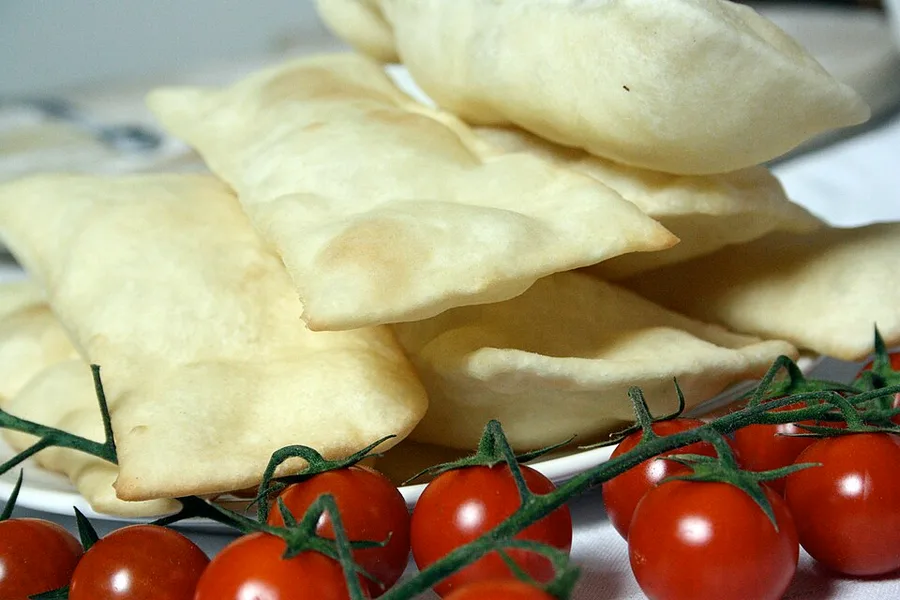
emilia romagna · 5-8 €/kg
It changes name every twenty kilometres in Emilia: torta fritta in Parma, crescentina in Bologna, gnocco fritto in Modena and Reggio. The same diamond of bread dough fried in lard.
 Nerodiseppia · CC BY-SA 3.009
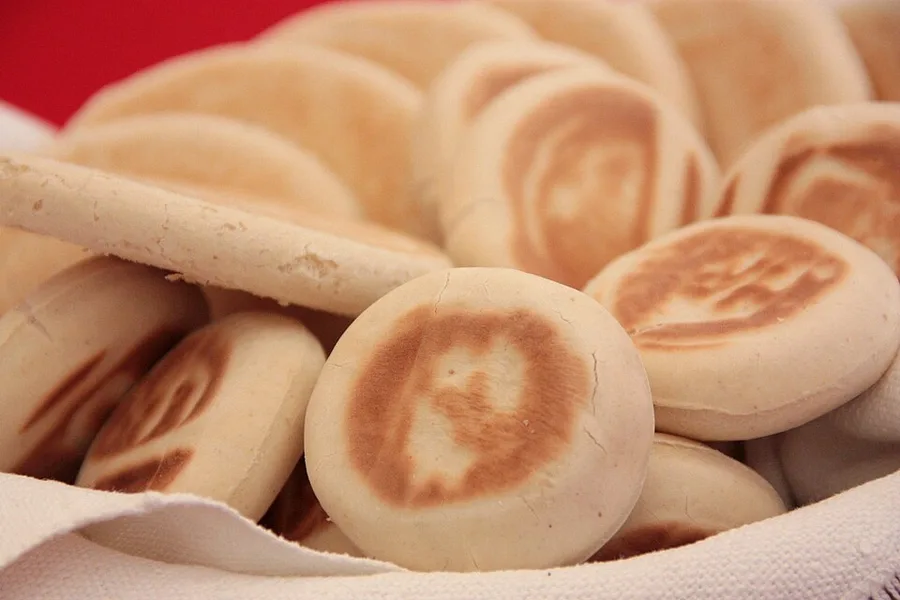
Tigelle
emilia romagna · 6-10 €/kg
In Modena they are called tigelle after the cooking disc, in Bologna crescentine: exactly the reverse of what Modena calls gnocco fritto. The pesto that fills them is lardo, not basil.
marche · 8-12 €/kg
In the Marche it is a layered flatbread with eggs, pepper and lard between the layers. It is not the Romagna piadina, and elsewhere crescia means other things again, between bread and focaccia.
 AntonioCaso93 · CC BY-SA 4.0
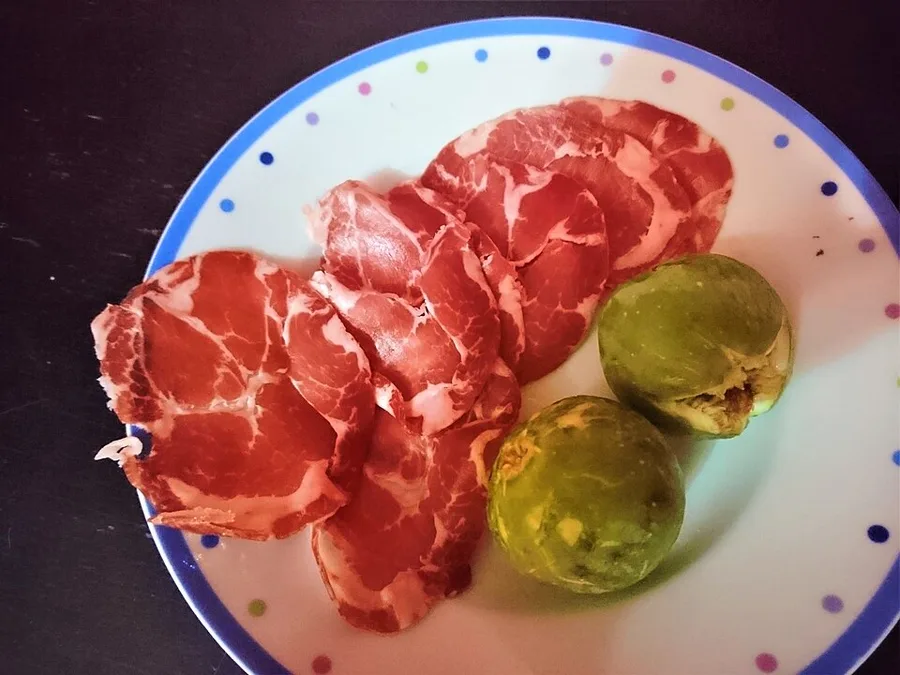
puglia · calabria · 22-35 €/kg
The neck muscle, called coppa in Emilia and lonza in some areas. Lonzino, by contrast, is the loin: ordering a lonza without saying more can bring two different cuts.
campania · 1.5-3 €/kg
In Naples they are the flowering shoots of a turnip, picked before the flower opens. In other regions friarielli means small green frying peppers, which are another plant and another dish.
One last thing
Behind nearly every one of these cases lies a dialect verb, and recognising it resolves half the confusion. To tear, to press, to pound, to fry, to grate: the name describes the action, and the action is performed all over Italy with different raw materials. That is why soppressata and soppressa are relatives rather than synonyms, and why Modenese and Genoese pesto have nothing to do with each other. The practical rule at the counter is single: ask which animal, which cut and where from, instead of trusting the word.
The questions this list answers
These are real questions put to an AI assistant, in the period when Bing cited this site among its sources to answer them. The number is how many times we were cited. We read them in Bing Webmaster Tools, under AI performance, and they decide what goes on this page rather than the other way round.
- sopressata1,226 citations
- what is soppressata284 citations
- sopressa veneta89 citations
- maccheroni alla chitarra50 citations
- mozzarella di bufala291 citations
- toma cheese18 citations
- baccalà alla vicentina ricetta originale88 citations
- fusilli pasta type3 citations
- soppressata meaning34 citations
- tigella234 citations
- friarielli cosa sono16 citations
- soppressa6 citations
- capocollo6 citations
- mozzarella bufala63 citations
Frequently asked questions
Why does the same food have different names in Italy?
Because until 1861 Italy was divided into many states and food was handed down in dialect: the names often describe a gesture rather than a product, and the same gesture is performed with different raw materials. Hence maccheroni, soppressata, pesto, crescia.
Are soppressata and soppressa the same thing?
No. Soppressata is Calabrian and Lucanian, coarsely ground, often hot; soppressa is from Vicenza, DOP, large and not hot. They share the verb, to press, and the technique of drying between boards, not the product.
Why is baccalà stockfish in the Veneto?
A local usage: bacalà means dried cod, that is stockfish, which Venice imported from the Lofoten islands from the fifteenth century. Baccalà alla vicentina is made with that, and salted cod is another product with another soaking.
Is Modenese pesto a pesto?
It is a pesto in the sense of the verb: lardo pounded with garlic and rosemary, used to fill hot tigelle. It contains no basil and has no relation to Genoese pesto beyond the gesture from which both take their name.