Chianti: where to eat and stay
Chianti is the most visited piece of Tuscany and therefore the easiest to get wrong: the Chiantigiana road is lined with wine shops built for people passing through once. Chianti and Chianti Classico are not the same thing, and you see the difference in the glass before you see it on the bill.
The first thing to settle is the geography, because almost every misunderstanding starts there. Chianti Classico is the historic area between Florence and Siena: nine municipalities (Greve, Radda, Gaiole, Castellina, Castelnuovo Berardenga, Barberino Tavarnelle, San Casciano in Val di Pesa, plus parts of Poggibonsi and Impruneta), and it is the one with the Black Rooster on the neck of the bottle. Chianti on its own, without Classico, is a much larger denomination reaching into the provinces of Pisa, Pistoia and Arezzo, with sub-zones such as Colli Senesi and Colli Fiorentini. They are different wines and different places: when someone says they are going to Chianti, they almost always mean the Classico.
The landscape is what you expect, vines, olives, holm oak woods, cypresses in a line along the white roads, but it is more wooded than photographs suggest: nearly two thirds of the surface is forest, and the vineyards are islands in it. Since the 1970s the area has had a long Anglo-Saxon colonisation, the one the papers called Chiantishire, and you still hear it in the villages: in Panzano and Radda in August half the square speaks English.
What that means in practice: the supply of farm stays with a pool is enormous and the quality of the food served inside them is the least predictable variable in the territory. There are real working farms making wine, oil and home cooking, and there are restored villas where dinner is outsourced. They sit in the same price band and look identical in the photographs.
How people eat here
At the base of Chianti cooking is unsalted bread, which goes hard after two days and has therefore generated half the local repertoire: panzanella in summer, with soaked bread, tomato, onion and basil; pappa al pomodoro; ribollita in winter, a soup of bread, black kale and beans cooked one day and boiled again the next, and the dish in which an honest kitchen is immediately distinguishable from one that copies. Black kale picked after the first frost is a different ingredient from July kale, and serious restaurants simply do not make ribollita in summer.
The antipasto is nearly always the same and that is fine: crostini neri of chicken liver, finocchiona, Tuscan ham (very salty, because the bread is not), pecorino, and in autumn new oil on a slice of toasted bread, which in November catches at the back of the throat and is the best way to understand why Chianti Classico oil has a protected name of its own. First courses are pappardelle with hare or wild boar, potato tortelli towards the Mugello, pici as you drop towards Siena. Wild boar is everywhere because there is too much of it, and stewed or in dolceforte, with bitter chocolate, pine nuts and raisins, it is a serious dish rather than folklore.
Then there is the bistecca alla fiorentina, which deserves plain speaking. It is a T-bone at least four fingers thick from a large animal: it is sold by weight, a kilo and two hundred grams is the smallest sensible piece and feeds two or three people, and it is eaten rare because otherwise it is just dry, expensive meat. Well-aged Chianina or Maremmana runs 50 to 70 euro a kilo in a restaurant. A twenty-euro steak per head exists, and it is an ordinary slice of beef cooked too long: it is not that dish. You finish with cantucci and Vin Santo, the real thing, aged in small barrels for at least three years, amber and with the acidity to hold the sweetness up, not the sweet stuff that arrives in a carafe at the end of a meal you did not order.
Working farms that take guests
Real places in this territory, checked one by one on their own site. What you read is what they state: the editorial visit has not happened yet, and when it does we will say so.
Podere Campriano
Greve in Chianti (FI)A family estate in its fourth generation, making organic Chianti Classico DOCG, extra virgin olive oil and cooked grape must. Rooms with a pool, a few minutes on foot from the centre of Greve, with tastings and cellar visits.
poderecampriano.itPodere Tegline
Radda in Chianti (SI)A sixteenth-century farmhouse on fifty hectares, twenty-seven of them oak woodland: organic Chianti Classico DOCG and ICEA-certified organic extra virgin oil, cold extracted. Four apartments sleeping two to five.
agriturismo-tegline.comAgriturismo San Sano
Gaiole in Chianti (SI)The guest side of the Matteoli farm, which produces Chianti Classico, extra virgin oil and Vin Santo. Sixteen rooms in four categories plus a separate villa with its own pool, at San Sano.
agriturismosansano.itLe Macie
Castelnuovo Berardenga (SI)An estate certified organic since 2001, forty-seven hectares at 480 metres under the Terra di Seta label: Chianti Classico DOCG, IGT Toscana, extra virgin oil and honey. Five apartments with their own entrance and kitchen, a panoramic pool and stabling for guests' horses.
lemacie.itThe foods of this territory
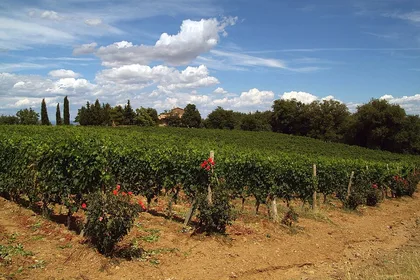 DOPBrunello di MontalcinoBrunello di Montalcino is pure Sangiovese aged five years, at least two of them in oak…
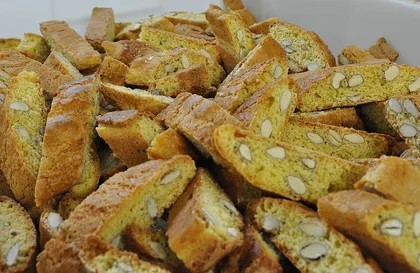 IGPCantucciCantucci are hard, twice-baked Tuscan almond biscuits. A log of dough is baked, sliced on…
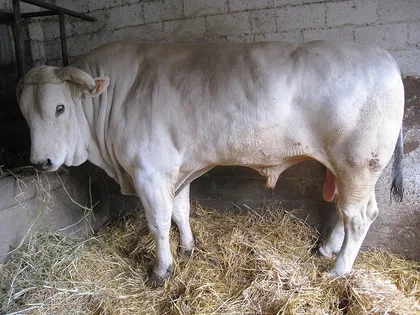 IGPChianina BeefChianina is the largest cattle breed in the world: porcelain-white, bulls over 1,700 kg…
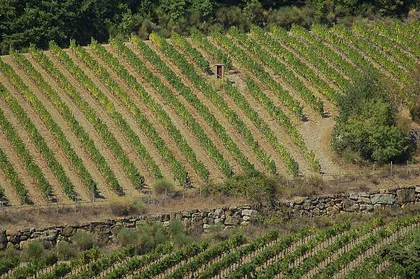 DOPChianti ClassicoChianti Classico is the Black Rooster wine: at least 80 per cent Sangiovese from nine…
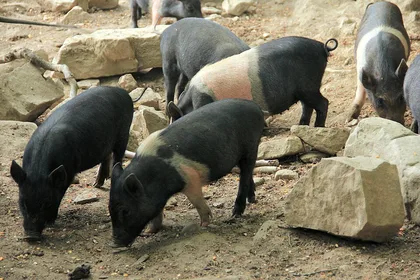 DOPCinta Senese PorkCinta Senese is the black pig with a white belt across its shoulders, raised semi-wild in…
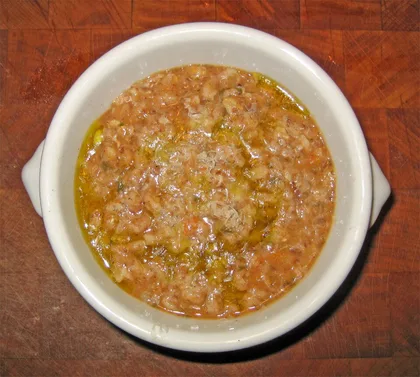 IGPGarfagnana FarroFarro della Garfagnana IGP is emmer wheat, Triticum dicoccum: the grain the Romans called…
What to do here
Cellar visits here are organised better than almost anywhere in Italy, which is both a strength and a limit: many estates have tasting rooms for fifty people and a timetable every hour. A standard tasting of four or five wines costs 25 to 45 euro, with oil and pecorino on the table; verticals of Riserva and Gran Selezione reach 60 to 120 euro. The small estates of Radda and Gaiole are where the owner is most likely to receive you. Booking two or three days ahead is enough, except from mid-September to mid-October.
From late October to late November the mills are pressing, and watching the pressing is free almost everywhere: you walk in, you watch, you buy the cloudy new oil and you eat a slice of bread rubbed with it on the spot. It is the best experience in the territory and it is not for sale on any platform.
The Chiantigiana, the SR222 from Florence to Siena, can be cycled: it is beautiful and busy, with constant climbs that are never long. The white side roads are better and want a gravel bike. On foot, the Radda to Volpaia to Badia a Coltibuono stretch is the most sensible walk for understanding the landscape without doing the whole Via Francigena.
One thing to avoid: the coach tours from Florence promising three wineries and lunch in half a day. They make two stops at estates equipped to receive them, with a lunch designed for fifty, and spend the rest of the time on a road full of bends.
The year, month by month
From December to February Chianti is cold, damp and empty: many farm stays close, but it is the season of real ribollita, of black kale after the frosts, and of low prices. March and April are unpredictable on weather and extremely convenient on everything else.
May and June are the best time of all: green, long light, quiet cellars, reasonable temperatures. July and August are hot (forty degrees in the Val di Pesa is not exceptional) and crowded: booking dinner becomes necessary and value for money gets worse everywhere. In Greve, in September, the Expo del Chianti Classico is a real fair with the producers behind the counters.
September and October are the harvest, with the best light of the year; from late October to late November come the olive picking and the pressing, which for anyone who travels to eat is more interesting than the grape harvest, because you can walk into a mill without an appointment. November also brings the white truffle markets of San Miniato, outside the zone but an hour away.
Getting there and getting around
The natural airport is Florence Peretola, forty minutes from the first Chianti Classico villages; Pisa is an hour and a half and often cheaper; Bologna two hours. By train you reach Florence Santa Maria Novella, and from there a car is effectively compulsory.
Regional buses link Florence to Greve and Siena to Radda and Gaiole, with four or five runs on weekdays and almost nothing on Sundays: it is possible to base yourself in Greve or Radda without a car, but the cellars and farm stays are outside the villages and you will need taxis, which here cost 20 to 40 euro each way.
Driving in Chianti is pleasant and slow: the Chiantigiana is all bends and on summer weekends it is full of motorbikes and cyclists. The white roads that lead to the farms are normal and well kept, but several rental companies forbid them by contract: it is worth reading the terms before booking a farmhouse at the end of three kilometres of gravel. Florence has a restricted traffic zone with cameras that fine without appeal: if you sleep in the centre, the hotel has to register your plate the same day.
Frequently asked questions
What is the difference between Chianti and Chianti Classico?
They are two different denominations. Chianti Classico is the historic area between Florence and Siena, carries the Black Rooster on the bottle, has lower yields and at least 80 per cent sangiovese. Chianti without Classico covers a far larger territory across half of Tuscany, with looser rules and generally lower prices. It is not that one is good and the other is not, but they are wines with different ambitions.
What does a bistecca alla fiorentina actually cost?
It is sold by weight: 50 to 70 euro a kilo in a restaurant for well-aged Chianina or Maremmana, and the smallest reasonable piece is a kilo and two hundred grams, which feeds two or three people. A fixed twenty-euro portion is not a fiorentina, it is a slice of beef. It is worth asking about the breed, the ageing and the weight before you order.
Better to stay on a farm or in a village?
In a village (Greve, Radda, Castellina, Panzano) if you do not want to depend on the car for every dinner and you want to eat in different places. On a farm if you want the pool, the silence and one dinner a day. The worst compromise is an isolated farmhouse with no kitchen of its own: it means driving every evening and giving up the wine.
Do you need to book cellar visits in Chianti?
Yes, but with less notice than elsewhere: two or three days is almost always enough, except between mid-September and mid-October. Large estates have fixed slots bookable online; small ones answer by email and often have the owner show you round, which is the reason to prefer them.