Fourteen Italian winter things, feast days included
Blood oranges from December to May, bergamot from November to March, puntarelle from November, late radicchio from December, and then cotechino, panettone, pandoro, struffoli, cartellate, the salt cod of Christmas Eve.
The Italian table in winter divides in two: citrus and cold-weather vegetables on one side, the calendar of feasts on the other. The citrus has precise, overlapping dates: the Moro starts in December and ends between February and March, the Tarocco runs from December to May peaking between January and March, the Sanguinello comes from February onwards. Bergamot is harvested from November to March, and outside that window the fresh fruit does not exist.
The winter vegetables are the ones cold improves. Puntarelle mark the Roman season from November to March; late Treviso radicchio arrives from December and ends between late January and February; the broccolo fiolaro is picked only after the first frost. In all three the cold is not a risk but the reason for waiting.
The rest is the calendar. Cotechino with lentils at New Year, where the pairing is a wish rather than a question of flavour; salt cod or stockfish on Christmas Eve, on the meatless days; and five Christmas cakes that are not interchangeable, panettone, pandoro, pandolce, struffoli, cartellate, each with its own dough and its own region.
sicilia · 1.2-2.5 €/kg
Three varieties with three calendars: the Moro from December to February or March, the Tarocco from December to May peaking between January and March, the Sanguinello from February onwards. The red comes from the cold nights.
calabria · 1.5-3 €/kg
The harvest runs from November to March, with the bulk between December and February: outside that window fresh bergamot does not exist. Around ninety per cent of world production sits on a hundred kilometres of coast.
 JP · CC0
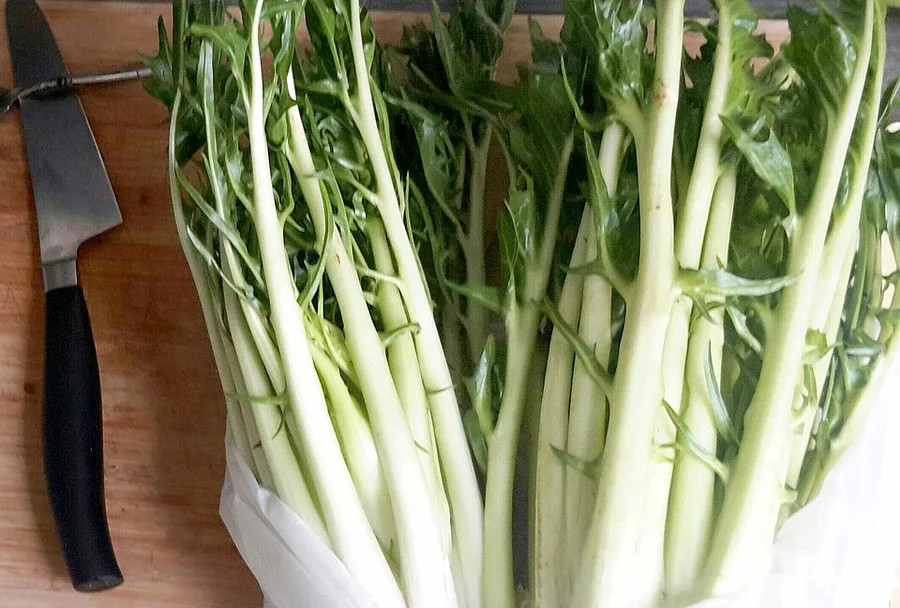
lazio · 2-3.5 €/kg
In Rome they are the side dish that marks the winter, November to March: hollow inner shoots, cut into strips and curled in iced water, with a sauce of anchovy, garlic, vinegar and oil.
 Zetagroup · CC BY-SA 3.0
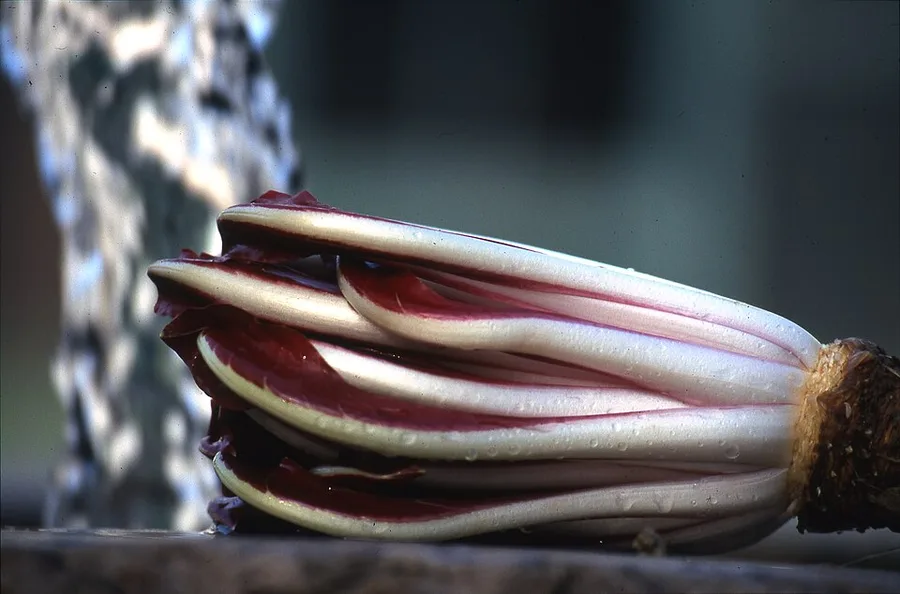
veneto · 8-15 €/kg
The late type reaches the stalls from December and ends between late January and February. It is not grown in a field: it is forced in the dark in tanks of spring water, after being lifted once the frosts have come.
 Lichinga · CC BY-SA 4.0
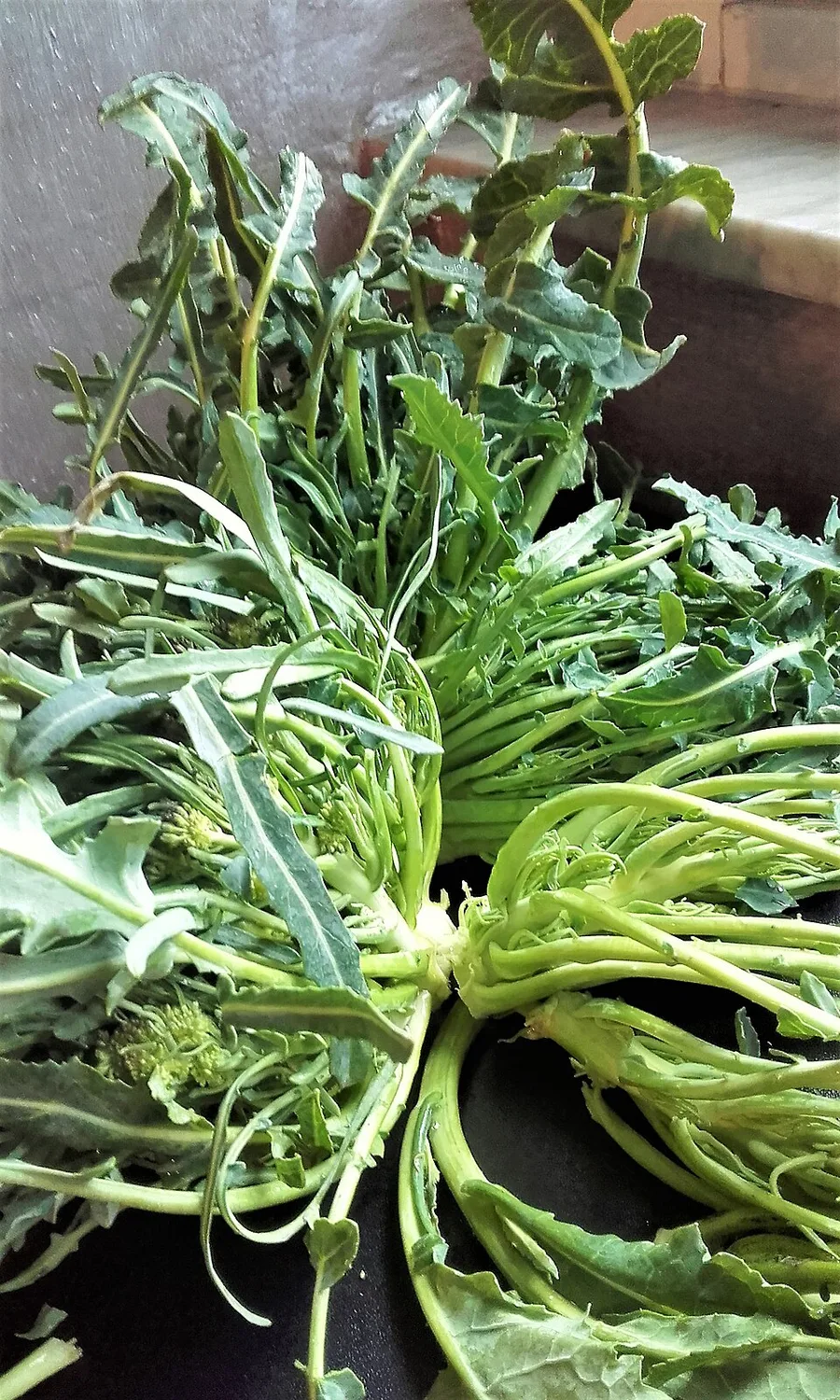
veneto
It is not picked before the first frost: below zero the plant converts part of its starch into sugar. What you eat are the side shoots, and the plant keeps producing them all through the cold season.
 Popo le Chien · CC BY-SA 3.0
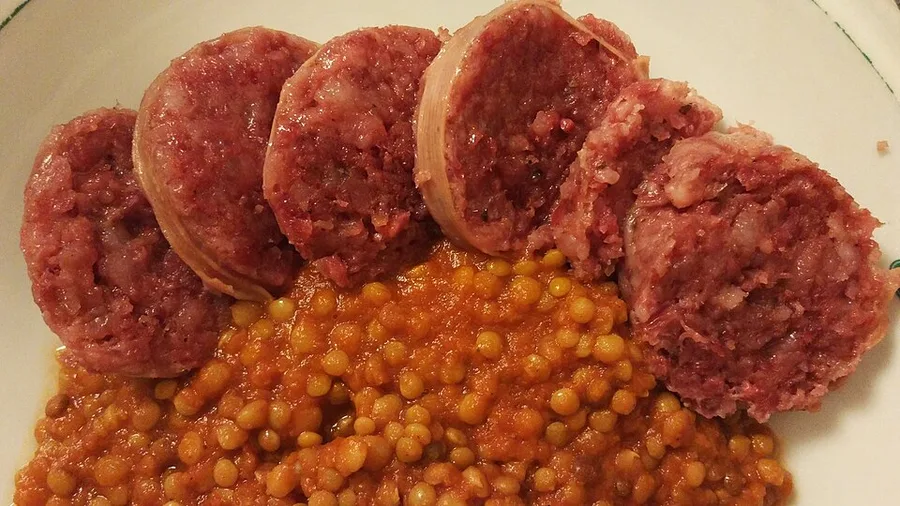
emilia romagna · 12-20 €/kg
Simmered long in barely moving water and cut thick. At New Year it goes with lentils, and the reason is a wish rather than a flavour pairing: lentils look like coins.
 Zyance · CC BY-SA 2.5
umbria · 18-25 €/kg
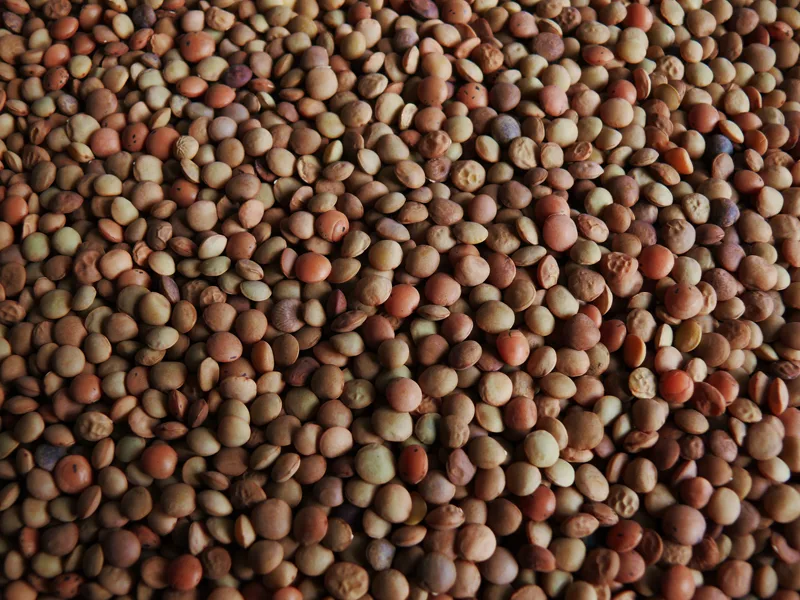
They are not soaked: the skin is so thin that water opens them, and in the pot they turn to cream instead of staying whole. Twenty or thirty minutes from cold water, salt at the end.
 MoDs92 · Public domain08
Baccalà
veneto · 14-22 €/kg
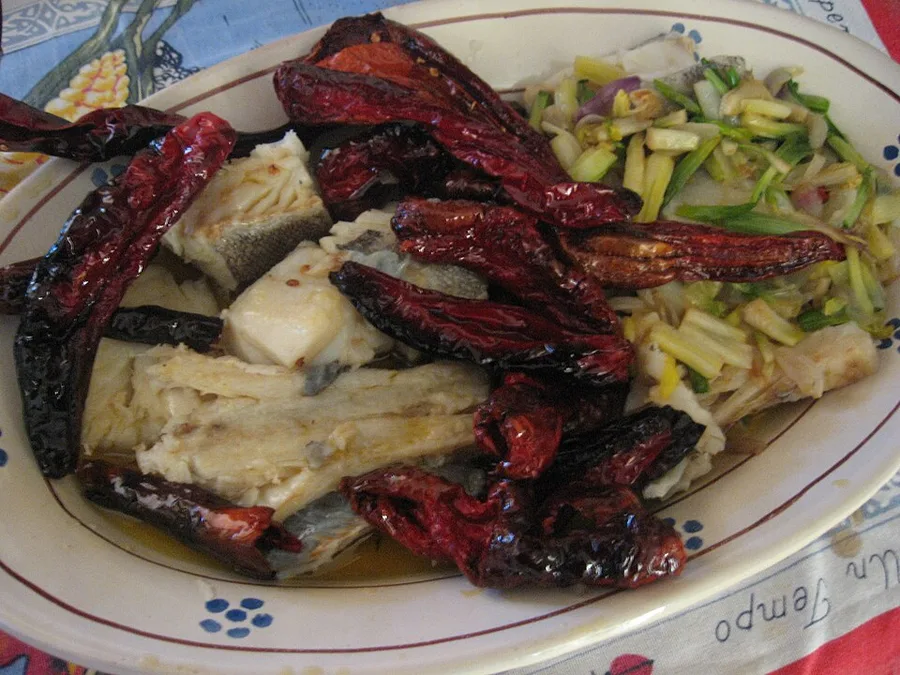
Salted cod, to be desalted in running or frequently changed water for two or three days: it is the fish of meatless days and of Christmas Eve, because it reached places fresh fish never did.
 Hartung · Public domain
lombardia
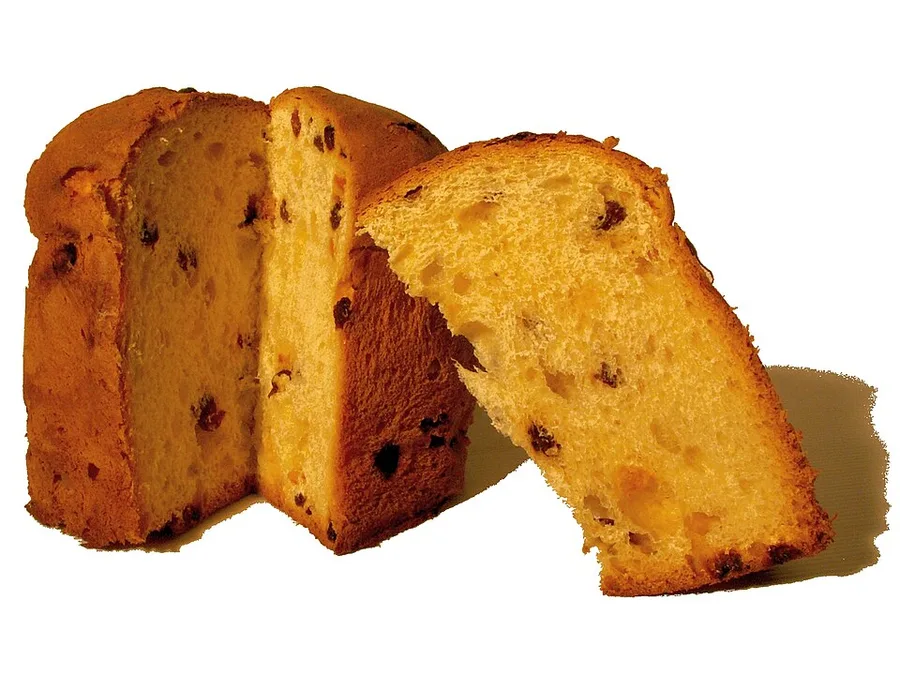
Natural leaven, three doughs, candied peel and raisins, and a dome that has to stay high. From a Milanese cake it became December's cake for all of Italy, and the difference between artisan and industrial is read in the ingredients.
 Kuebi = Armin Kübelbeck · CC BY-SA 3.010
Pandoro
veneto
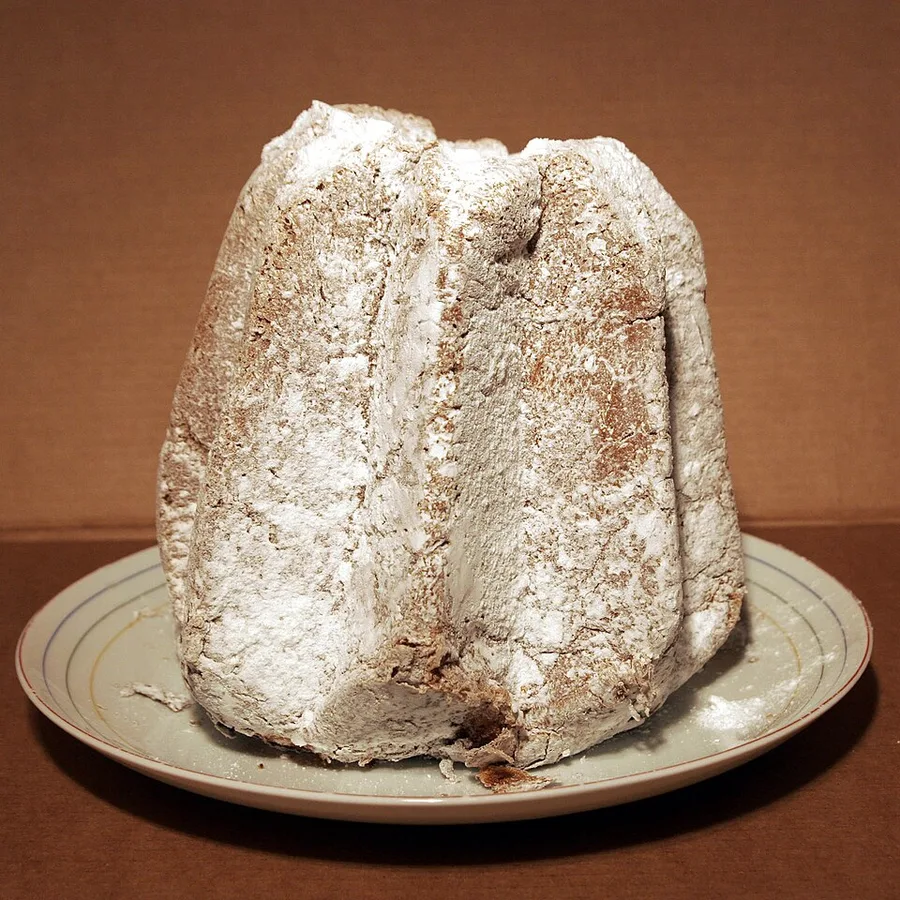
An eight-pointed star, no candied peel, at least twenty per cent butter and a vanilla sugar to shake in the bag. It is from Verona, and it is the alternative to panettone rather than its variant.
liguria · 18-28 €/kg
Raisins, pine nuts, candied citron and fennel seed, in two versions that are two cakes: the tall one leavened with mother dough and the low, crumbly one made with baking powder.
 Steve-081 · Public domain
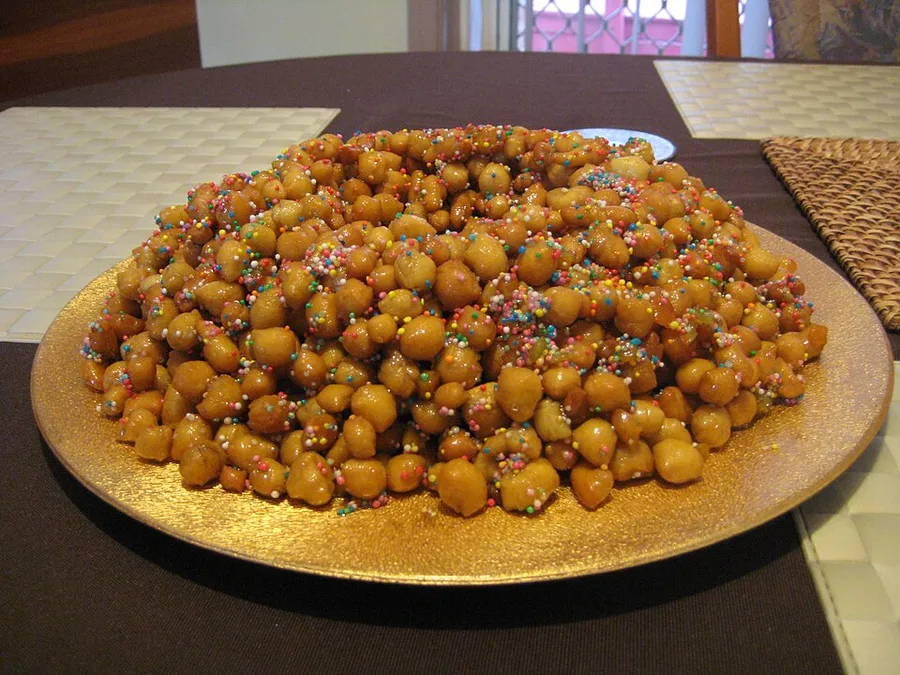
campania · 18-28 €/kg
Little balls of fried dough bound with honey and scattered with sugar strands: the Neapolitan Christmas sweet, made in quantity and kept in the house for the days of visits.
 Florixc · CC0
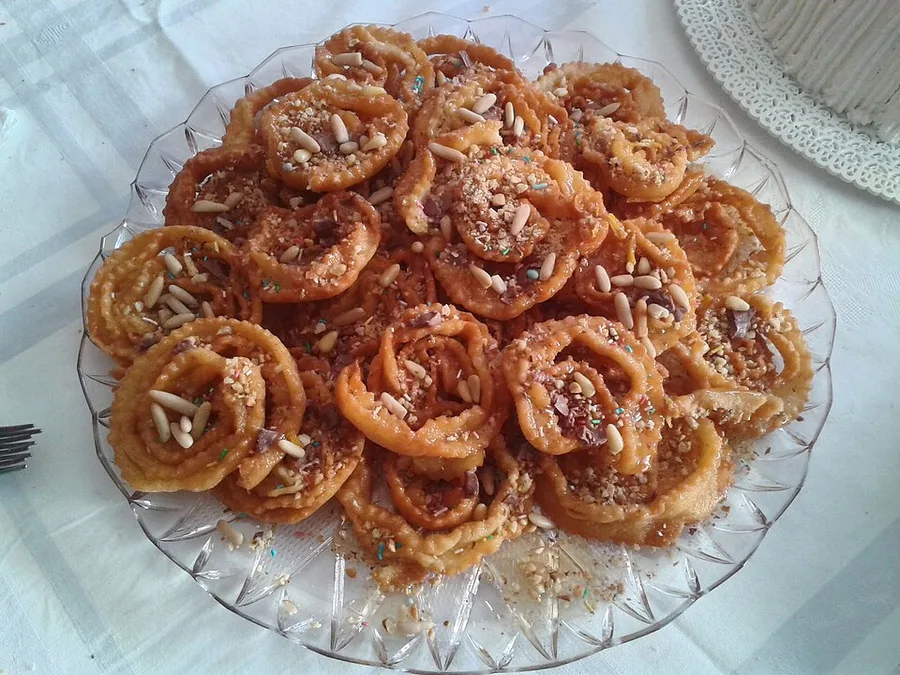
puglia · 20-32 €/kg
Strips of very thin dough pinched and coiled into roses, fried and dipped in vincotto or honey. They are the Apulian Christmas sweet, made from the Immaculate Conception onwards, because they keep for weeks.
 OppidumNissenae · CC BY-SA 4.0
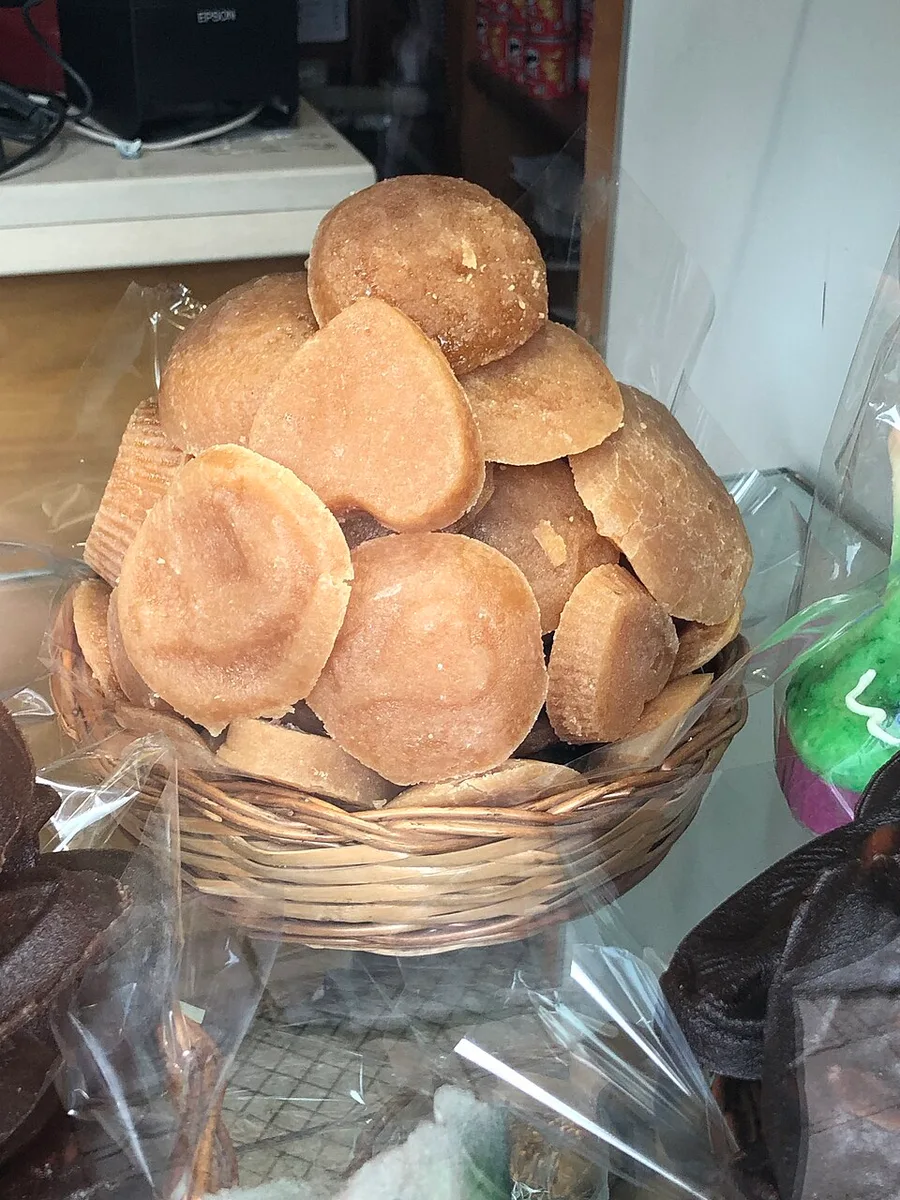
sicilia · puglia · 2-4 €/kg
Quince pulp cooked with sugar until solid, dried in the sun in terracotta moulds. It is cut into squares and keeps for months: the fruit preserve that carries the winter.
One last thing
A warning about the Christmas leavened cakes, because this is the case where the label says more than the price. An artisan panettone is made with mother dough and three doughs, and its label shows butter, eggs, candied peel and raisins: if margarine, flavourings or preservatives appear, that is another product, legitimate but different, and it costs less for a reason. A pandoro has no candied peel by definition and wants at least twenty per cent butter. Genoese pandolce exists in two distinct versions, tall and low, and they are not grades of quality: they are two cakes with two leavenings.
The questions this list answers
These are real questions put to an AI assistant, in the period when Bing cited this site among its sources to answer them. The number is how many times we were cited. We read them in Bing Webmaster Tools, under AI performance, and they decide what goes on this page rather than the other way round.
- arancia rossa135 citations
- sicilian orange75 citations
- cosa sono le puntarelle60 citations
- cotechino13 citations
- arancia rossa di sicilia16 citations
- what is puntarelle3 citations
- baccalà alla vicentina ricetta originale88 citations
- cotognata590 citations
Frequently asked questions
When are blood oranges at their best?
It depends on the variety: the Moro starts in December and ends between February and March, the Tarocco covers December to May peaking between January and March, the Sanguinello runs from February onwards and closes the season. The red depends on cold nights, so in mild years it is fainter.
Why are cotechino and lentils eaten at New Year?
For a wish: lentils look like coins and promise abundance, and cotechino is the rich meat of the year's end. It is not a pairing built on flavour, which is why it works just as well with zampone, the same mixture in another casing.
What is the difference between panettone and pandoro?
The dough and the shape. Panettone is Milanese, with candied peel and raisins and a tall dome; pandoro is from Verona, shaped as an eight-pointed star, has no candied peel and requires at least twenty per cent butter. They are not variants of each other: they are two different cakes.
Why is salt cod eaten on Christmas Eve?
Because Christmas Eve is a meatless day, and salt cod was the fish that reached inland places where fresh fish never did. From that come baccalà alla vicentina, the Neapolitan escarole pie with anchovies, and Venetian bigoli in salsa.