Thirteen alpine cheeses, from the western Alps to the Dolomites
Fontina, Bitto, Castelmagno, Puzzone di Moena, Montasio, Asiago, Toma, Raschera, Ossolano, Formai de Mut, Valtellina Casera, Strachitunt, Salva Cremasco: thirteen DOP cheeses born from the problem of getting milk down the mountain.
Mountain cheese is not a culinary genre, it is a logistics answer. In summer the herds go up where the grass is; the milk was drawn up there and coming down with churns every day was impossible. So it was turned into cheese on the spot, in a form that could wait months and then make the mule track once.
Everything people now pay for comes from that constraint. Large wheels, because they are efficient; cooked or semi-cooked paste, because it keeps; a tough rind, because it protects; long ageing, because it had to cover the winter. Raschera exists in a square shape for a practical reason: more of them fitted on a mule's load.
The list runs west to east, from the Aosta valley to Trentino, and it includes the cheeses that came down from that tradition into the plain. Where the DOP separates the two versions, as with Ossolano d'Alpe or Formai de Mut, the label shows it: same denomination, different cheese.
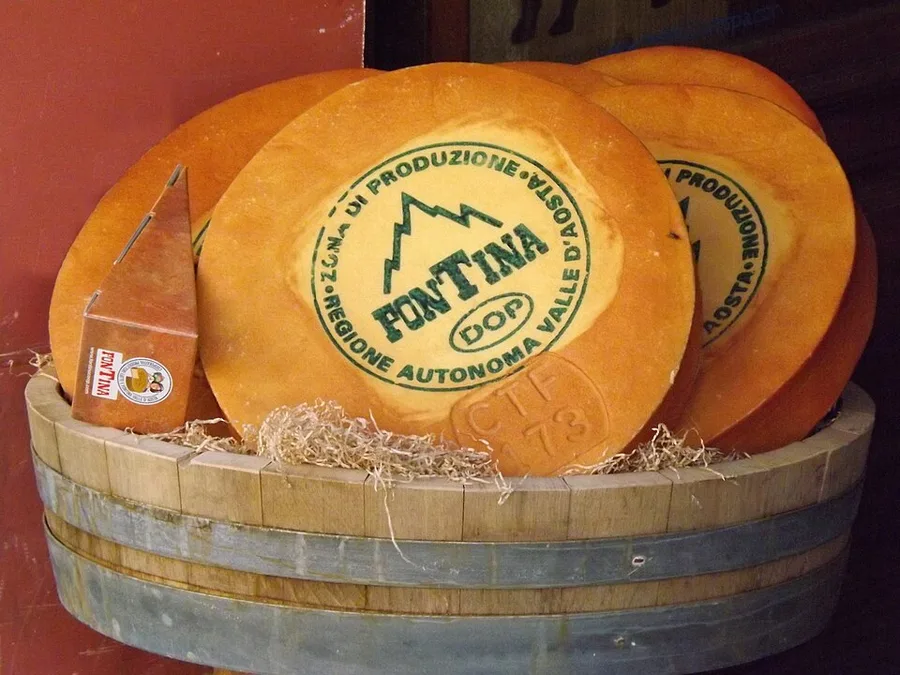 Luigi Chiesa · CC BY 3.0
valle d aosta · 14-20 €/kg
Aosta valley, whole raw milk from a single milking, eighty days minimum in the caves. It is the cheese that melts to a cream without stringing, which is why the Aosta fonduta is made with it and nothing else: stringing, it would become a thread rather than a sauce.
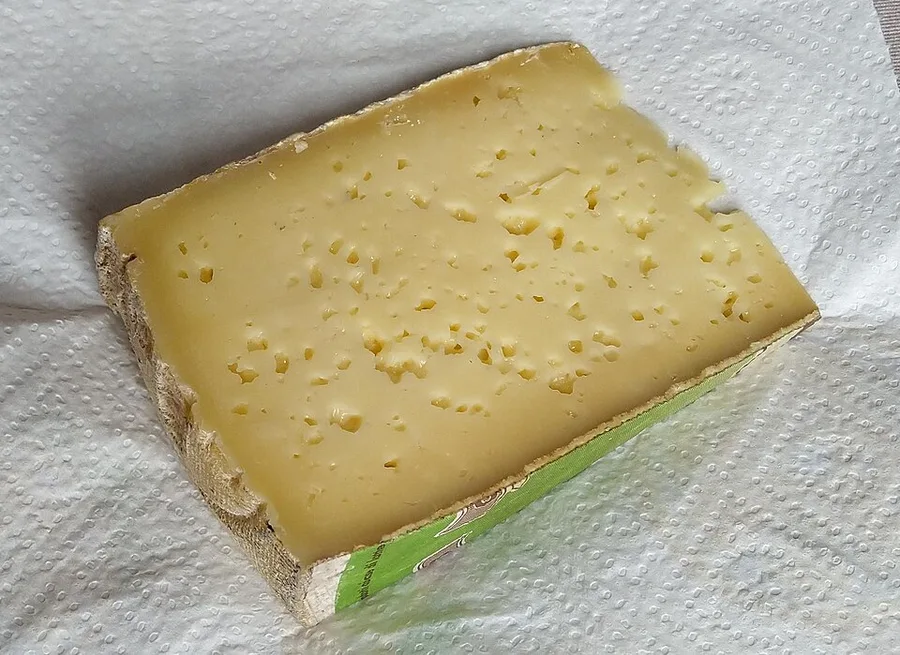 Yozh · CC BY-SA 4.0
piemonte · 16-22 €/kg
From the val d'Ossola, the most alpine corner of Piedmont, recognised as DOP only in 2017. Two distinct forms: the ordinary valley-floor one, made all year, and Ossolano d'Alpe, made high up in summer. The second costs more, and the rules keep them apart.
piemonte · 22-32 €/kg
Three comuni of the Valle Grana, in the province of Cuneo. Crumbly and sharp, with blue veining that forms on its own as it ages. It is one of the most intense Italian cheeses, and the high-pasture versions are almost another product from the valley ones.
piemonte · 10-15 €/kg
In Piedmont toma is not a cheese but a category, covering dozens of valley cheeses. The Toma Piemontese DOP codifies only part of it, and knowing what the mark leaves out is how you avoid disappointment in front of a toma with no seal.
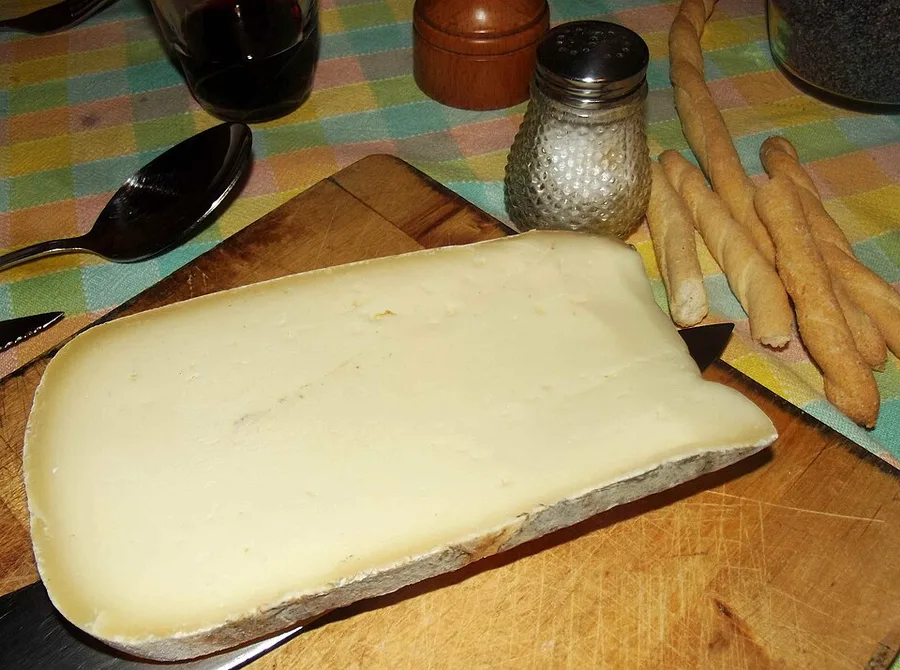 F Ceragioli · CC BY-SA 4.0
piemonte · 11-16 €/kg
From Lake Raschera, below the Mongioie, and one of the very few Italian cheeses that exists in two shapes, square and round: the square one appeared so more could be loaded on a mule. The high-pasture version is made only above an altitude set by the rules.
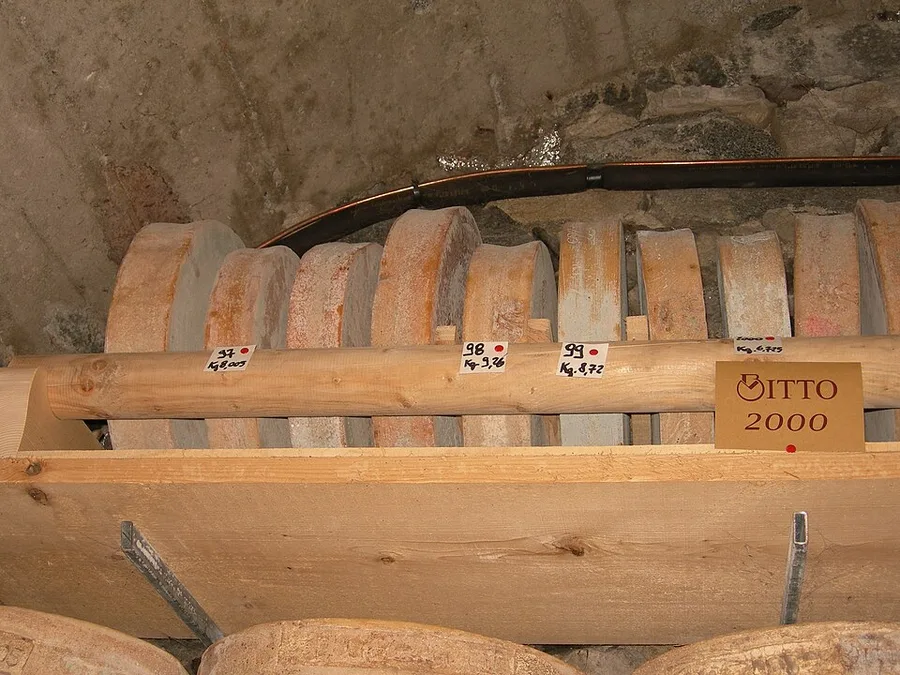 Fabio · CC BY 2.0
lombardia · 18-28 €/kg
Only on the high pastures, from the first of June to the thirtieth of September, in the calècc that follows the herd. Up to ten per cent Orobica goat milk, and ageing that reaches ten years: one of the few cheeses in the world that still improves after the fifth.
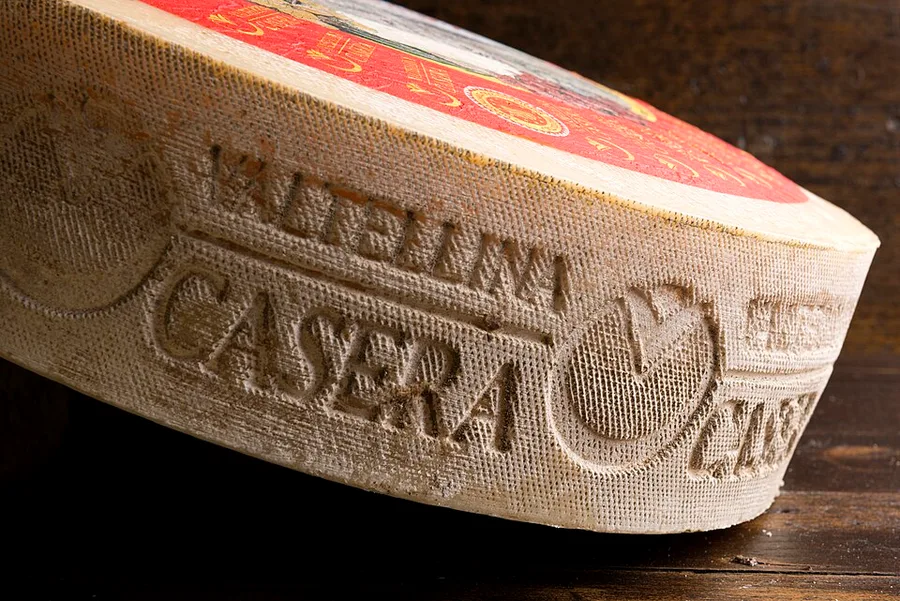 Distretto Agroalimentare di Qualità della Valtellina · CC BY-SA 4.0
lombardia · 12-17 €/kg
Partly skimmed milk for an economic reason: the cream was needed for butter, which was worth more. Seventy days minimum in the casere, the maturing rooms that give it its name. It is the cheese of pizzoccheri, and it melts without splitting.
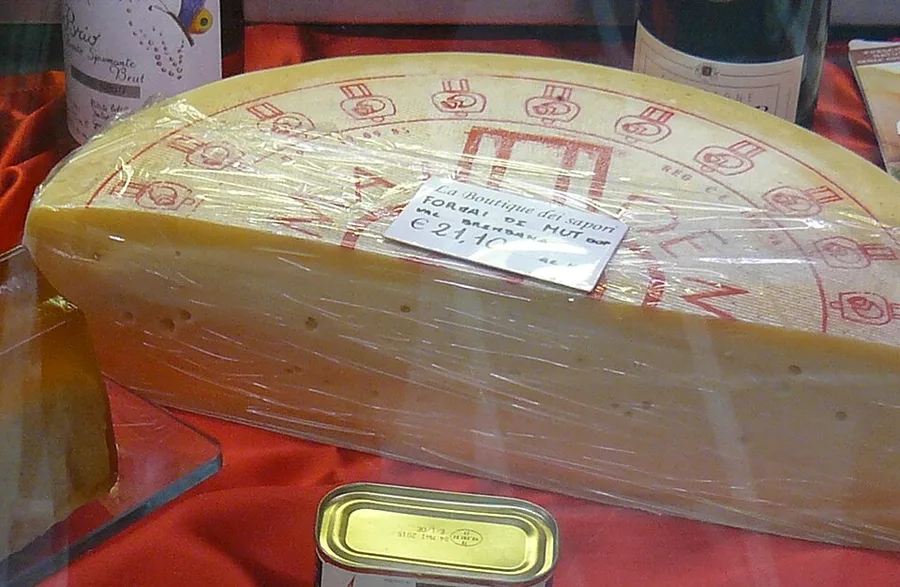 MOs810 · CC BY-SA 3.0
lombardia · 14-20 €/kg
Upper Val Brembana, semi-cooked paste from raw milk, DOP since 1996. Mut means high pasture: the summer version made up there and the valley-floor one live under the same name, and it is one of the labels worth reading closely.
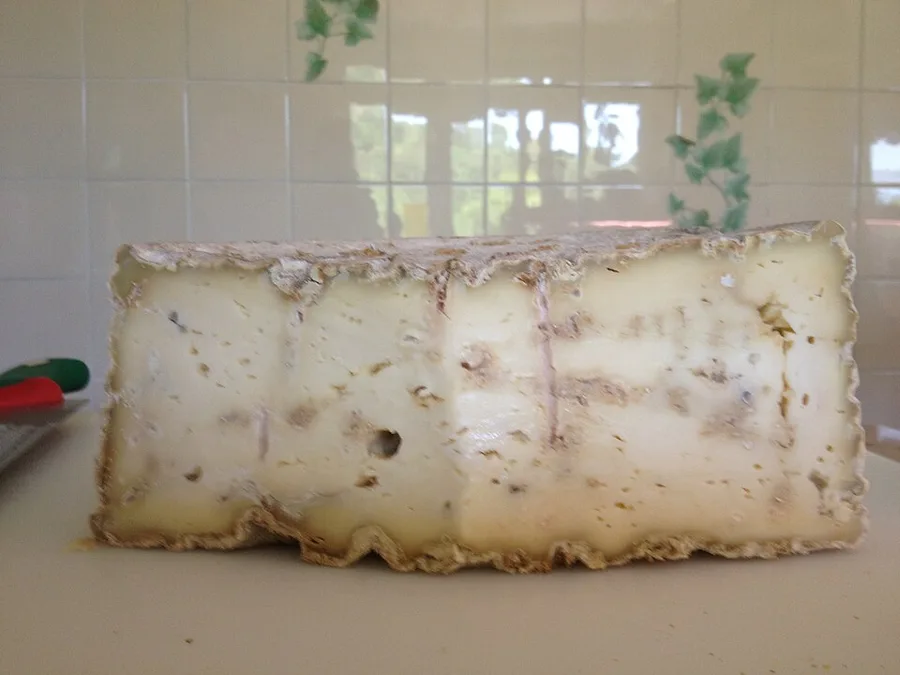 Sistoiv · CC BY-SA 3.0
lombardia · 22-32 €/kg
The round stracchino of the Val Taleggio, ancestor of gorgonzola: two alternating curds, cold from the evening and warm from the morning, with moulds that arise on their own. Few makers, few wheels, and a blue cheese like nothing else.
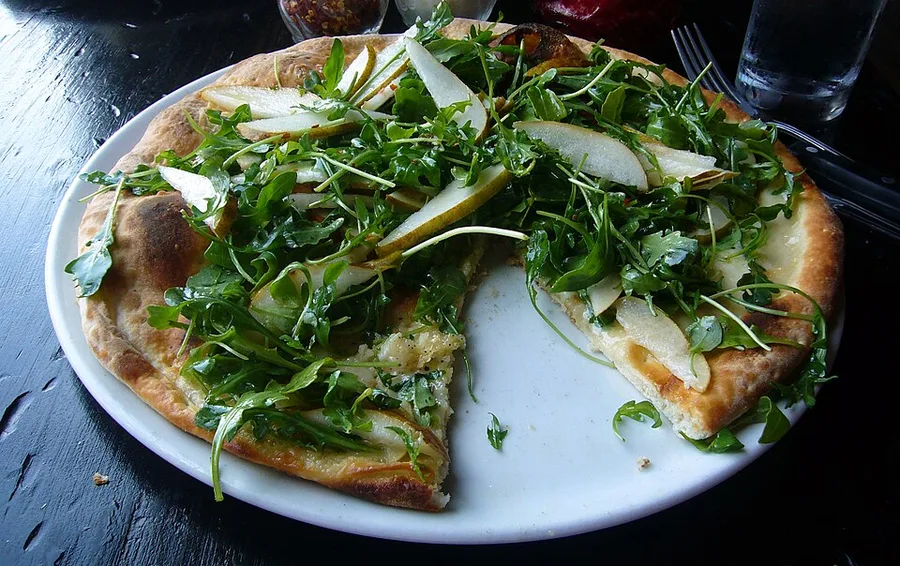 Kent Wang from London, United Kingdom · CC BY-SA 2.0
lombardia · 12-18 €/kg
Square, washed rind, cow's milk, at least thirty-five days. It comes from the Val Taleggio in the province of Bergamo and smells far stronger than it tastes: anyone avoiding it for the smell is missing a mild cheese. It is among the best melting cheeses in Italy.
lombardia · 13-19 €/kg
It is called this because it saved: in spring the cows gave more milk than could be used, and that milk became a cheese that kept for months. Washed rind, square shape, and locally it is eaten with tighe, green chillies in oil.
 Pvt pauline · CC BY-SA 3.0
friuli venezia giulia · 10-14 €/kg
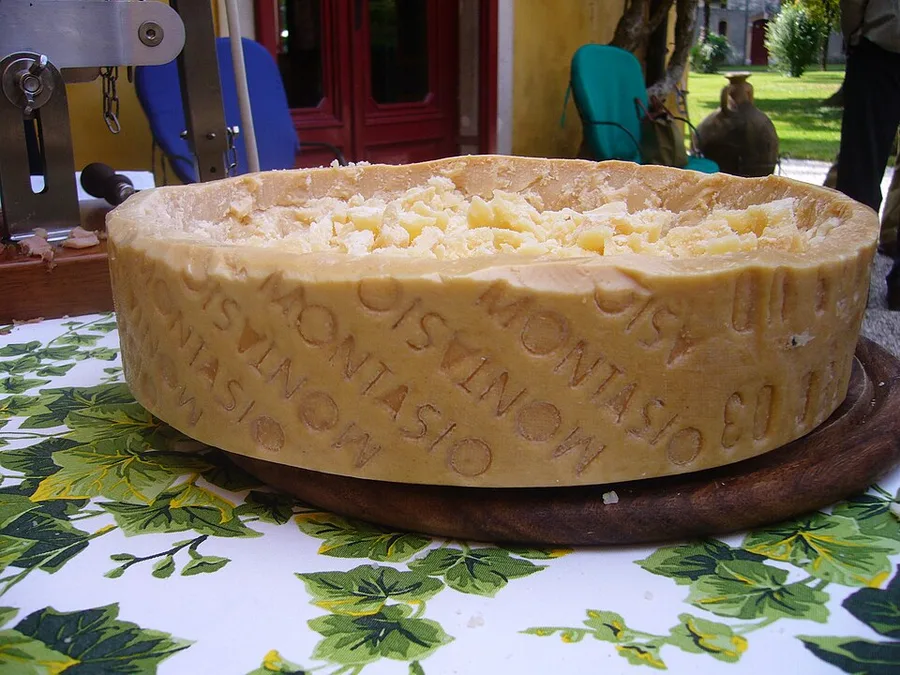
The cheese of Friuli: semi-cooked paste, wheels of six to eight kilos and a ladder of ageing from two months to two years. Young it melts, half-aged it is the table cheese, aged it is grated. It is also the base of frico, which will not hold together without it.
 Thomon · CC BY-SA 4.0
veneto · trentino alto adige · 9-13 €/kg
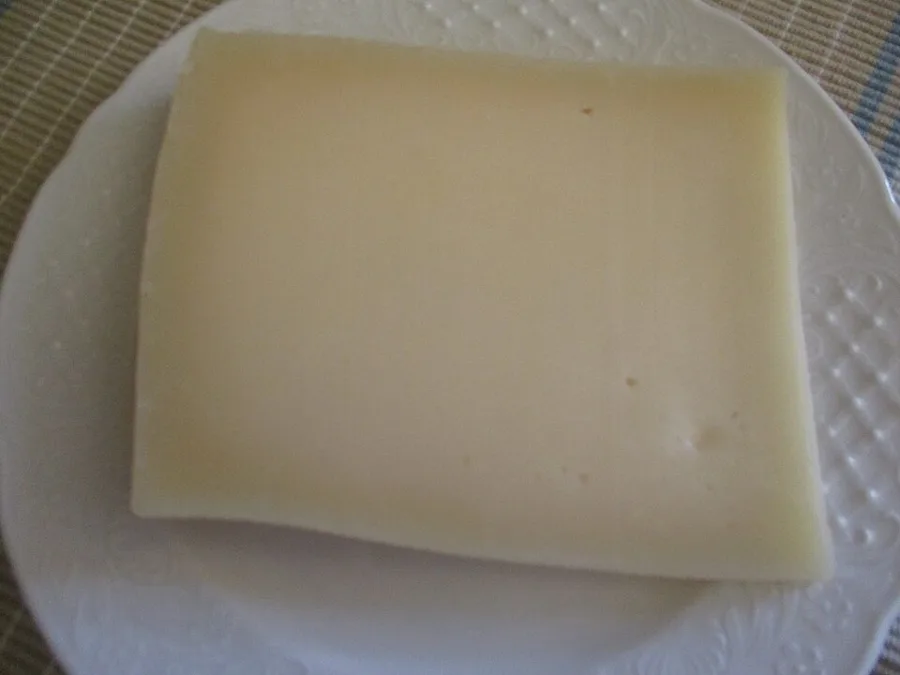
Two cheeses under one name, and nobody would confuse them at the counter: Pressato, fresh and soft, aged barely twenty days, and Stagionato or d'Allevo, hard, grainy and sharp after months. The Veneto plateau and Trentino, the same DOP.
One last thing
Something worth knowing before spending: in several of these denominations the alpine version is an additional mention rather than the standard product. Ossolano d'Alpe, Formai de Mut d'alpe, Raschera d'alpeggio and Bitto are made high up in summer, from cows eating grass rather than hay, and they cost accordingly. The rest of the denomination is made all year on the valley floor, with the same technique and another raw material. Neither is a deception: they are two products the rules keep apart, and the distinction is printed on the label.
The questions this list answers
These are real questions put to an AI assistant, in the period when Bing cited this site among its sources to answer them. The number is how many times we were cited. We read them in Bing Webmaster Tools, under AI performance, and they decide what goes on this page rather than the other way round.
- taleggio672 citations
- formaggio montasio118 citations
- asiago formaggio72 citations
- bitto formaggio40 citations
- castelmagno formaggio43 citations
- toma cheese18 citations
- taleggio formaggio18 citations
- formaggio Quartirolo3 citations
- tallegio cheese12 citations
- formaggio castelmagno7 citations
Frequently asked questions
What is the difference between an alpine cheese and a valley one?
The milk. On the high pastures the cows eat fresh grass from mixed meadows at altitude, and the milk carries those scents into the wheel; on the valley floor the ration is largely hay and silage, the same in every season. Where the DOP provides for it, the alpine mention appears on the label and production is limited to the summer months.
Which Italian cheese ages longest?
Of those on this list, Bitto, which reaches ten years and in those extreme ages turns crumbly and concentrated. Parmigiano Reggiano, from the plain, commonly passes seventy-two months. These are rare cases: most wheels are sold between two months and two years.
Does Taleggio smell?
It does, because of the washed rind, which grows very aromatic bacteria on the surface. The taste, though, is mild and milky, far gentler than the smell. The extreme case is Puzzone di Moena, where that washing is repeated every two or three days throughout the ageing.
Are toma and tomino the same thing?
No. In Piedmont toma is a broad category covering very different valley cheeses, and only part of it falls under the Toma Piemontese DOP. A tomino is a small fresh cheese, to be eaten within days or warmed in a pan.