Fourteen Italian autumn things, from truffle to new oil
White truffle from the first of October, saffron in October, rice from late September, new oil in November, chestnuts, quinces, radicchio after the frosts, colatura drawn between October and December.
Autumn is the richest season in the Italian calendar, and also the shortest: in ten weeks almost everything that will last the year is gathered. The national white truffle season runs from the first of October to the thirty-first of December, and regions may vary it; saffron is picked in October, flower by flower, for twenty consecutive days, holidays included, because the flower does not wait.
In autumn the cold is not an obstacle but a tool. The broccolo fiolaro is not picked before the first frost, because below zero the plant converts part of its starch into sugar and turns sweet; late Treviso radicchio is lifted after the frosts and then forced in the dark in tanks of spring water. In both cases the date is not a convention: it is a chemical reaction.
And then there is the new oil, the only product on this list where the date on the label matters more than the best-before. What to look for is the harvest year: a November extra virgin, cloudy and peppery, and the same oil eighteen months later are two different things, and the second does not come back.
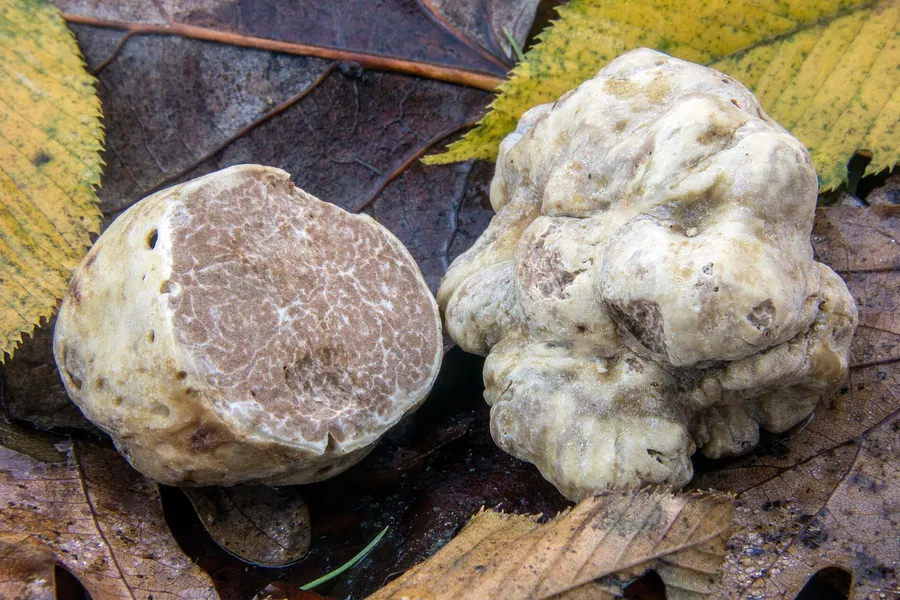 Nicolò Oppicelli (Mushroom Observer) · CC BY-SA 3.0
piemonte · marche · 4000-5000 €/kg
The national season runs from the first of October to the thirty-first of December, and regions may vary it. It is not farmed but hunted, and the price per kilo rises with size: large pieces are a market of their own.
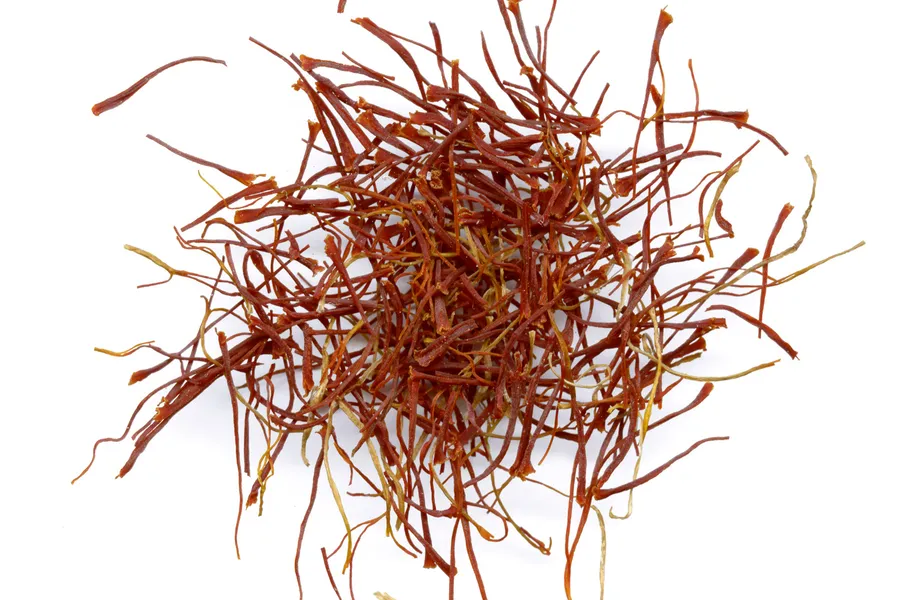 Rainer Zenz · Public domain02
Saffron
abruzzo · sardegna · 15000-40000 €/kg
The harvest is by hand, flower by flower, bent over, for twenty consecutive days in October, holidays included, because the flower does not wait. Three stigmas per flower, and a hundred and fifty thousand flowers to the kilo.
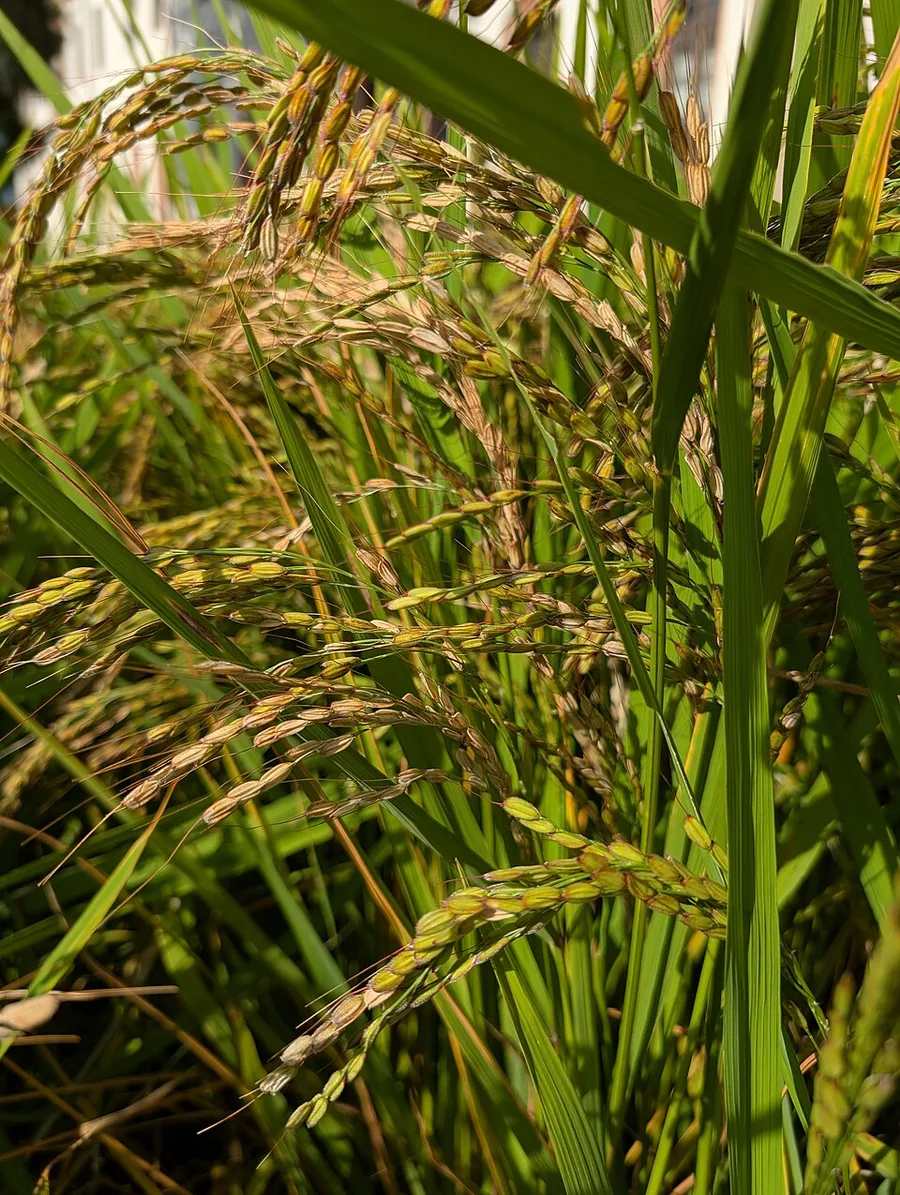 Ivanbranco · CC BY-SA 4.0
lombardia · piemonte · 2.5-4 €/kg
The harvest comes between late September and October, by combine, when the grain is at twenty-two to twenty-four per cent moisture. The new crop reaches the shops in autumn.
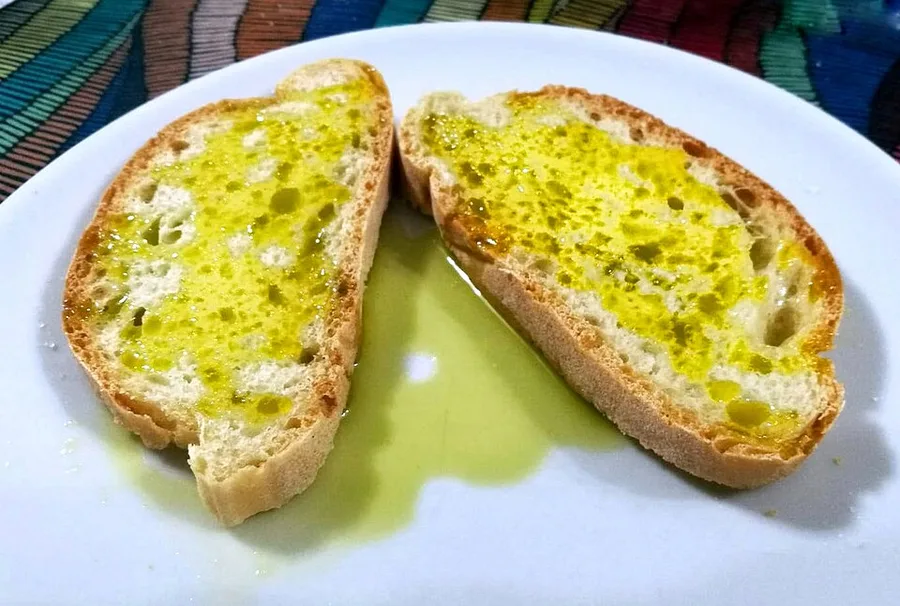 PROPOLI87 · CC BY-SA 4.0
toscana · puglia · 0.5-1.2 €/kg
The figure to look for on the label is the harvest date, not the best-before: November's new oil is cloudy and peppery, and the same oil eighteen months later is another thing that does not come back.
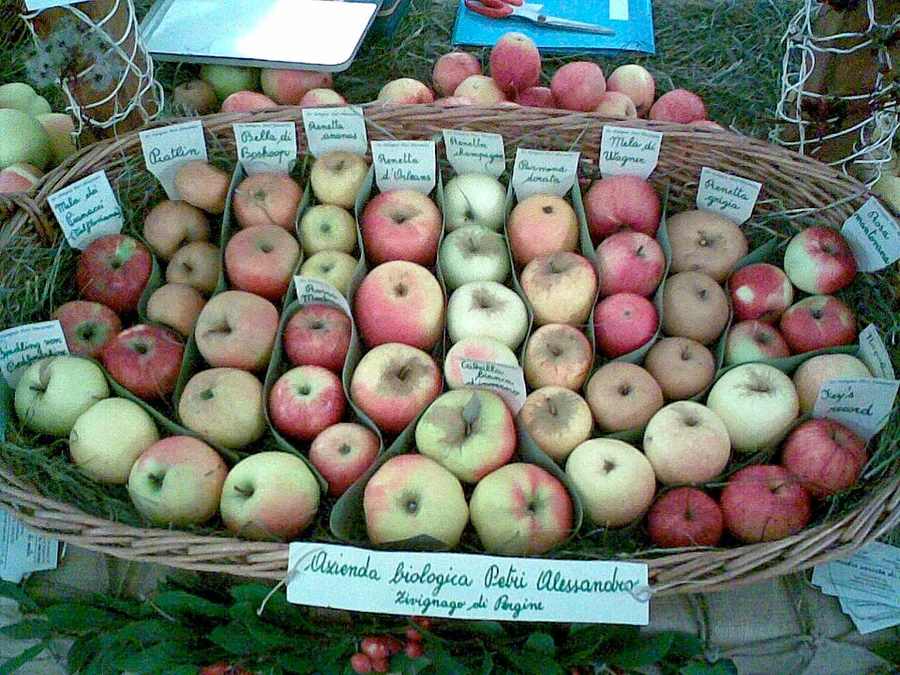
calabria · 1.2-2.5 €/kg
The harvest runs from late August to October, with a tail into early November in cold years. Above a thousand metres, on granite soils: thick skin, little water, firm flesh that does not break up.
 Xaura · CC BY-SA 3.0
trentino alto adige · 1.2-2.2 €/kg
The harvest is in September, on dense plantings that allow picking from the ground. Three varieties between six hundred and a thousand metres, and altitude gives more acidity and more crunch.
toscana · campania · 4-8 €/kg
Autumn in the Apennines: roasted, boiled, dried or milled into flour, because for centuries they made bread rather than dessert. The distinction that matters at the stall is between castagna and marrone.
 OppidumNissenae · CC BY-SA 4.0
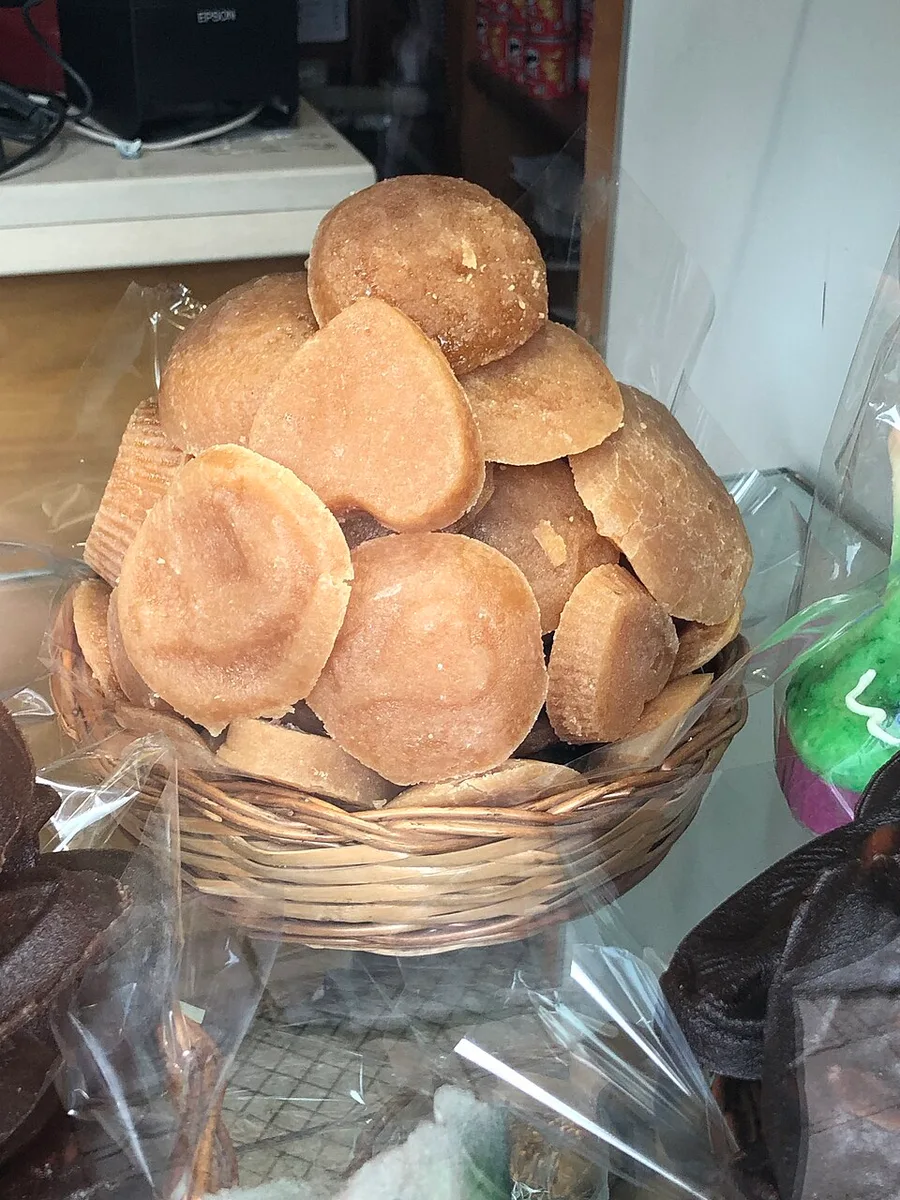
sicilia · puglia · 2-4 €/kg
Quinces ripen in autumn, and an artisan cotognata is always made between October and December: pulp cooked with sugar until solid, pressed into terracotta moulds, dried in the sun.
umbria
Harvested in October and November, on a valley floor of a few dozen hectares: a mature plant reaches a metre and weighs one to two kilos. Stringless, it is eaten raw or stuffed.
 Lichinga · CC BY-SA 4.0
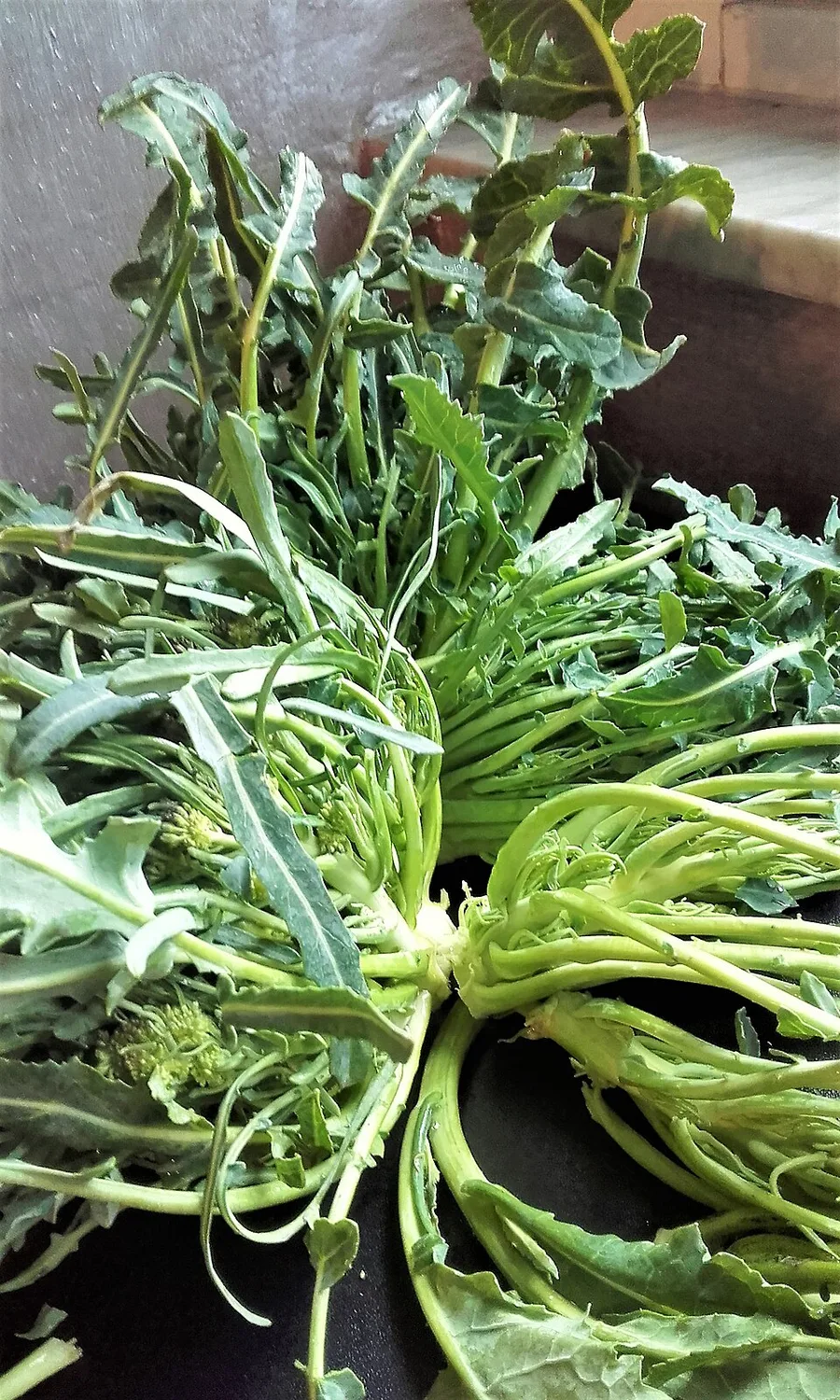
veneto
It is not picked before the first frost, and that is not folklore: below zero the plant turns part of its starch into sugar and becomes sweet. What you eat are the fioi, the side shoots along the stalk.
 Zetagroup · CC BY-SA 3.0
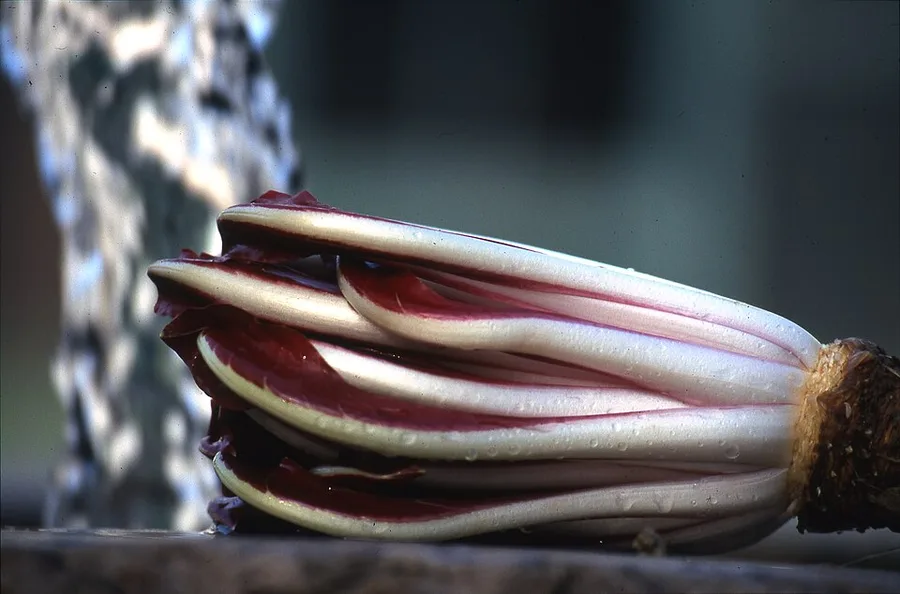
veneto · 8-15 €/kg
The early type reaches the stalls from September; the late one is lifted after the frosts and then forced in the dark in tanks of spring water, arriving from December. Two vegetables, two seasons, one name.
 Derbrauni · CC BY-SA 4.0
campania
It is drawn from the terzigni between late October and December, in time for Christmas Eve: the liquid that drips from the barrels where the anchovies of Cetara sit under salt and weight for months.
sardegna · 45-50 €/kg
The strawberry tree flowers between October and December, when bees barely fly: the yield is tiny and the price reflects it. It is bitter, and not by fault: one of the few bitter honeys in the world.
sicilia · 1.2-2.5 €/kg
Italia grapes picked as late as December in the hinterland of Agrigento, thanks to the sheets covering the pergolas. The late harvest is precisely what the IGP protects.
One last thing
Two autumn rules that are worth money. First: extra virgin olive oil is bought by looking at the harvest date, not the best-before, and used within a year of that date; afterwards the polyphenols fall and the pepperiness disappears, and the oil becomes gentle through age rather than choice. Second: white truffle is paid for by piece size, so a price per kilo without the weight of the piece says nothing. Outside the national season, the first of October to the thirty-first of December with regional variations, fresh white truffle does not exist, and what is on sale is preserved, which is another product.
The questions this list answers
These are real questions put to an AI assistant, in the period when Bing cited this site among its sources to answer them. The number is how many times we were cited. We read them in Bing Webmaster Tools, under AI performance, and they decide what goes on this page rather than the other way round.
- cotognata590 citations
- riso carnaroli148 citations
- carnaroli rice46 citations
- castagne cosa sono3 citations
- la castagna è un frutto29 citations
- miele amaro9 citations
- colatura di alici195 citations
Frequently asked questions
When is the white truffle season?
The national season runs from the first of October to the thirty-first of December, and regions may vary it: Piedmont has opened it earlier since 2024. Outside that window fresh white truffle is not available, and what is on sale is preserved or another species.
How do you recognise new oil?
By the harvest date on the label, which matters more than the best-before. Freshly pressed oil is cloudy, green and peppery in the throat, and that pepperiness is the sign of polyphenols: it fades over the months, so a mild oil may simply be old.
Why does late radicchio only arrive in December?
Because it has an extra stage: it is lifted after the frosts and then forced in the dark in tanks of spring water, where the plant puts out new crisp leaves. That process takes weeks, and the product reaches the stalls from December to February.
Why is the broccolo fiolaro picked after the frost?
Because cold below zero makes the plant convert part of its starch into sugar, as a defence: the result is a sweet rather than bitter shoot. It is a physiological reaction rather than a tradition, which is why before the frost the fiolaro is another vegetable.