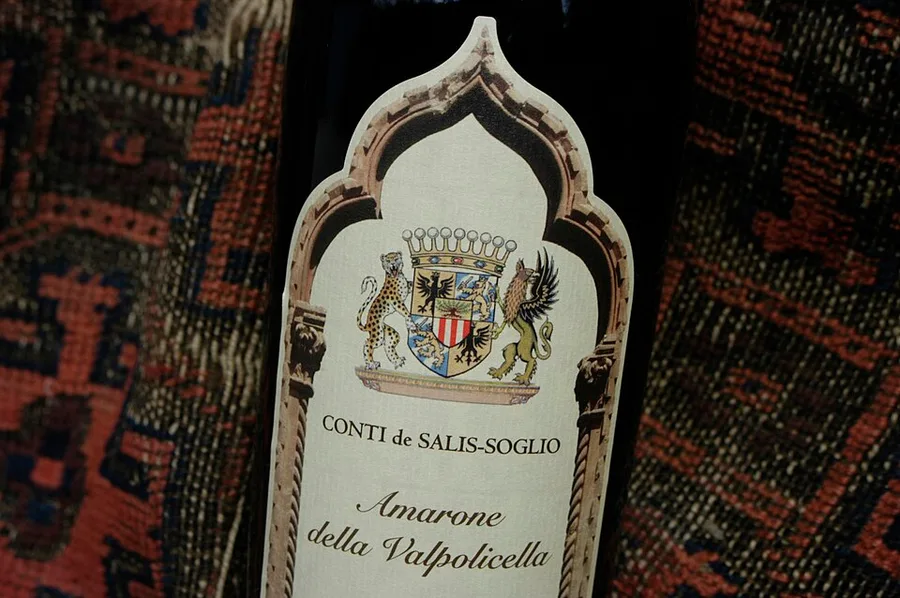
What is Amarone della Valpolicella?
Amarone della Valpolicella has been a DOCG since 2010. Before that it was a style within the Valpolicella DOC, under the cumbersome name Recioto della Valpolicella Amarone, recognised in 1968.
The grapes are the standard Valpolicella set: Corvina Veronese at 45 to 95 per cent, up to half of which may be replaced by Corvinone, a separate variety and not a clone as was long assumed, plus Rondinella at 5 to 30 per cent and up to 25 per cent of other non-aromatic reds from the province, capped at 10 per cent each. Molinara, compulsory under the old rules, became optional in 2003 and most producers dropped it.
What separates Amarone from every other Italian red is not the blend but the drying loft. Bunches are hand-picked before full ripeness and dried for three to four months; the rules forbid pressing them before 1 December. Hence the legal minimum of 14 per cent, unreachable without drying: real bottles sit between 15 and 16, and 16.5 is not rare. Minimum ageing is two years from 1 January after harvest, four for Riserva.
The zone is on the label. Valpolicella Classica means the five historic communes north-west of Verona: Fumane, Marano, Negrar, San Pietro in Cariano and Sant'Ambrogio. Valpantena is the valley immediately east, around Grezzana. Then comes the zone enlarged eastwards in 1968 (Illasi, Mezzane, Tregnago, Cazzano di Tramigna, Colognola ai Colli) which holds some of the most sought-after estates, Dal Forno above all. The zone tells you where the fruit grew, not what the wine is worth.
What does it taste like?
Sour cherry in spirit, dried plum, fig, candied orange peel, cocoa, clove and pipe tobacco, with leather and a balsamic edge after ten years.
The first impression reads as sweet, and almost none of that is sugar. Residual sugar is usually 4 to 9 grams per litre, below the threshold where most people register sweetness; the sensation comes from alcohol, glycerol and extract. Then the wine dries out and the bitter finish arrives, bitter almond and quinine, the thing that gave it its name, and holds. A bottle that stays sweetish to the end with no bitter close was badly made.
The body is full, the tannin rounder than Nebbiolo, the whole thing warm rather than fresh. Cooked plum and caramel with no lift is the failure mode, common in hot vintages and cheap bottles.
How to use it
Serve at 17-18°C in a large bowl glass. Warmer and the alcohol burns while the bitter finish sharpens; cooler and the wine closes up. Twenty minutes in the fridge in a warm room is usually right.
Decant by age. Between four and ten years old it wants an hour or two in a decanter and keeps moving all evening. At twenty-five years do the opposite: stand the bottle up a day ahead, open it, pour slowly and leave the sediment behind, because too much oxygen flattens an old Amarone within half an hour.
At the table it needs fat, protein and long cooking. Braised beef cheek, oxtail, venison, wild boar, duck, slow-roast lamb; pappardelle with game ragù; hard cheeses at two years and beyond, especially Monte Veronese d'allevo and aged Parmigiano. It does not work with fish, salad, fried food, fresh cheese, anything dressed with vinegar or citrus, or dessert, because the bitter finish fights sugar, which is why Recioto exists.
In the kitchen there are two Veronese dishes: risotto all'Amarone, made with local Vialone Nano rice and finished with butter and aged cheese, and pastissada de caval, a horsemeat stew marinated a full day in wine, then cooked for hours and served with polenta. Both call for a cheap bottle: long cooking burns off exactly what an expensive Amarone is expensive for.
How long it keeps
An unopened bottle wants to lie on its side so the cork stays wet, in the dark, at a steady 12 to 15°C. Steadiness matters more than the exact number, because repeated warming and cooling pushes wine past the cork. Stored upright for months the cork dries and shrinks. Given those conditions this is a wine built for the long haul: the high alcohol and the concentration from the dried grapes mean bottles typically hold ten to twenty years from the vintage, and Riserva longer.
What happens inside is visible. Tannins and colouring matter link up and fall out as sediment, so old bottles need standing upright for a day and decanting off the deposit. The colour moves from garnet towards brick at the rim, and dried fruit, tobacco and leather take over from the fresher fruit. Once opened, the same alcohol and extract slow oxidation down, so a recorked bottle in the fridge stays expressive for three to five days, gradually losing aromatic lift and going flatter and more raisiny.
Spot the real thing
The label has to carry the full wording Amarone della Valpolicella DOCG, optionally with Classico, Valpantena or Riserva. Over the neck there should be a numbered state seal issued through the consortium. Alcohol is the other giveaway: the drying of the grapes concentrates the sugars, so you will almost never see less than 15 per cent, and 15.5 or 16 is normal. The colour in the glass is dense garnet with very little light through the core.
On a shop shelf the neighbours cause most of the confusion. Valpolicella Ripasso is a different and much cheaper wine made by refermenting on Amarone skins, and the word Ripasso is on the label. Recioto della Valpolicella uses the same dried grapes but stays sweet. Plain Valpolicella DOC is light and unappassimento. Then there are appassimento or passimento style reds from Puglia and Sicily built to resemble the style at 12 to 15 euro or dollars. Amarone effectively does not exist below about 30 euro at retail; the usual band abroad is $50 to $90, with Classico and Riserva running higher.
How to pronounce Amarone della Valpolicella
ah-mah-ROH-neh dell-ah val-poh-lee-CHEL-lah
Four syllables in Amarone, stress on the third, and the final e is pronounced, never silent. In Valpolicella the ci is soft: val-poh-lee-CHEL-lah, not val-poly-SELL-a. Corvina is kor-VEE-nah, appassimento ah-pahs-see-MEN-toh, Recioto reh-CHOH-toh, Ripasso ree-PAHS-soh.
Amarone della Valpolicella compared
vsValpolicella Classico Superiore
The comparison that saves you money. Superiore uses the same grapes without drying, ages a year, and sits at 12 to 13 per cent. It is what gets drunk with dinner in Fumane and Negrar every night of the week, because Amarone at 16 per cent cannot be drunk through a meal. It costs about a third as much, and a good Superiore beats a cheap Amarone from anyone.
| This | Valpolicella Classico Superiore | |
|---|---|---|
| Drying | 100-120 days, 35-40% weight loss | None, fresh fruit |
| Alcohol | 15-16% | 12-13% |
| Minimum ageing | 2 years, 4 for Riserva | 1 year |
| Drink it | With braises, or after dinner | Through the whole meal |
| Price | EUR 35-70 / USD 50-100 | EUR 12-20 / USD 18-28 |
vsValpolicella Ripasso
A Valpolicella refermented in spring on the still-sugary skins left over from Amarone, which adds a degree or two of alcohol plus colour and body. A DOC in its own right since 2010, and each estate may only make a limited multiple of its Amarone volume, because the skins are the constraint.
| This | Valpolicella Ripasso | |
|---|---|---|
| Method | Dried grapes, fermented dry | Fresh wine refermented on Amarone skins |
| Alcohol | 15-16% | 13-14.5% |
| Ageing | 10-30 years | 3-8 years |
| Price | USD 50-100 | USD 18-30 |
vsRecioto della Valpolicella
The father of Amarone, not a variation on it. Same grapes, same drying loft, but fermentation is stopped while sugar remains, giving a sweet red of 12 to 13 per cent with 50 grams of sugar or more. Amarone was born in 1936 when a cask of Recioto was forgotten and fermented dry. Recioto is what you drink with chocolate; Amarone is not.
| This | Recioto della Valpolicella | |
|---|---|---|
| Fermentation | Taken to dryness | Stopped early |
| Residual sugar | 4-9 g/l | 50 g/l and up |
| Alcohol | 15-16% | 12-13% |
| Serve with | Braised meat, aged cheese | Dark chocolate, dry cakes, blue cheese |
Amarone della Valpolicella substitutes
- Valpolicella Ripasso
The closest thing in weight and flavour, from the same cellars and often the same vineyards, at half the money. For any meal that is not an occasion. USD 18-30, GBP 15-25.
- Valpolicella Classico Superiore
Not a smaller Amarone but a different wine: fresh, sour-cherry driven, drinkable across a whole dinner. The local answer, and the honest one. USD 18-28, GBP 14-22.
- Sforzato di Valtellina
Nebbiolo dried the same way on Alpine terraces in Lombardy. Same technique, leaner and higher in acid. The best substitute if the dried-grape character is what you want. USD 45-80, GBP 35-65.
- Primitivo di Manduria
The commercial stand-in: ripe, warm, 14.5-15 per cent, sometimes with noticeable residual sugar. Simpler and cheaper, and what many people who think they like Amarone actually like. USD 15-25, GBP 12-20.
Where to buy it
Amarone is widely distributed in the US and the UK: around seventeen million bottles a year, most of them leaving the country. That volume is why label reading matters.
Check three things. Alcohol: below 15 per cent suggests a short drying period, above 16 a long one. Zone: Classico means the five historic communes, Valpantena the valley round Grezzana, and no mention at all means the enlarged eastern zone, which contains both bulk producers and superb ones. Riserva: four years of ageing instead of two.
Expect USD 50 to 100 for a straightforward bottle from a good estate and USD 100 to 250 for a Riserva or single vineyard; GBP 40 to 80 and GBP 80 to 180. Cult names such as Quintarelli and Dal Forno Romano start in the several hundreds. Reliable mid-priced estates include Speri, Tedeschi, Begali, Ca' La Bionda, Tommasi, Allegrini and Bertani.
Below about USD 35 the wine is almost always bought-in fruit, briefly dried, with sugar left in to fill the gaps; a Ripasso or a Superiore from a real grower beats it. Of recent vintages 2013, 2015, 2016 and 2019 are the successes, while 2003, 2012 and 2017 were hot and gave cooked wines to drink sooner.
Where to eat it in Italy
Verona is the base, twenty minutes from the first vineyards, and the valley opens north-west from San Pietro in Cariano, the crossroads of the Classico zone.
Fumane has Villa della Torre, a sixteenth-century villa with fireplaces carved as monstrous faces, now owned by Allegrini and open for tastings. Above the village the valley climbs to Molina, with its waterfall park, and to the Ponte di Veja, a vast natural rock arch that local tradition claims Dante used as the model for the Malebolge.
Negrar, where Amarone was invented in the cellar of the local cooperative, is also where Giuseppe Quintarelli made wine until 2012. Just outside, at Pojega, the eighteenth-century garden of Villa Rizzardi has a green theatre cut from cypress hedges, open March to October.
Two dates worth planning around: Amarone Opera Prima in Verona in early February, where the new release is poured at public tasting tables, and Vinitaly in April, a trade fair rather than a tourist event. October, with harvest under way and the lofts filling, is the best month to visit; January, when the dried grapes are pressed, is the quietest.
Further reading
Frequently asked questions
What is the difference between Amarone, Ripasso and Valpolicella?
Four wines, one set of grapes. Valpolicella is made from fresh fruit at 11-13 per cent and drunk young. Ripasso is Valpolicella refermented on the leftover Amarone skins, which adds a degree or two and more body. Amarone uses only grapes dried for three to four months and reaches 15-16 per cent. Recioto uses the same dried grapes but stops fermentation early and is sweet.
Is Amarone a sweet wine?
No. It is dry, with residual sugar usually between 4 and 9 grams per litre, below the level most drinkers notice. The sweet impression comes from alcohol and extract, and resolves into the bitter almond finish the wine is named for. The sweet wine from the same valley is Recioto.
What do people in Valpolicella actually drink with dinner?
Valpolicella Classico Superiore. It costs about a third of Amarone, sits at 12-13 per cent, and can be drunk through a whole meal. Amarone in the valley is a wine for occasions and for after dinner; ordering it at lunch marks you out immediately.
Why is Amarone so expensive?
Because drying removes 35 to 40 per cent of the weight of the fruit before pressing, so a hectare yields far less wine; the grapes are hand-picked and sorted twice; the lofts must be managed for three months against rot; and the wine sits in wood for two to four years before it can be sold. The cost is built into the method.
Sources
Where to check what you just read.
- 1
Da qui si scarica il disciplinare vigente dell'Amarone della Valpolicella: base ampelografica, rese, gradazione minima e invecchiamento obbligatorio.
- 2
Cosa è cambiato di recente: dove devono avvenire appassimento, vinificazione e invecchiamento, la quota di uve acquistabili da altri vigneti della DOCG e le regole su formati e tappatura.
- 3Consortium · interested partyConsorzio Tutela Vini Valpolicella
La scheda del consorzio sull'Amarone: durata dell'appassimento in fruttaio e posizionamento rispetto alle altre tipologie della valle.
Related foods
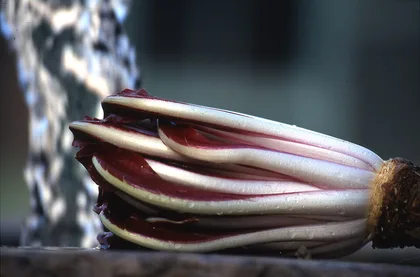 Vegetables and fruitTreviso RadicchioTreviso radicchio comes in two forms that are effectively different vegetables.
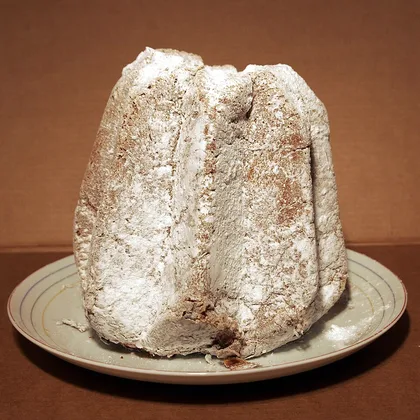 SweetsPandoroPandoro is Verona's Christmas cake: a tall eight-pointed star, at least 20% butter, no candied fruit at all…
 WineProseccoProsecco is made from Glera grapes by the Martinotti tank method, not the traditional bottle method used for…
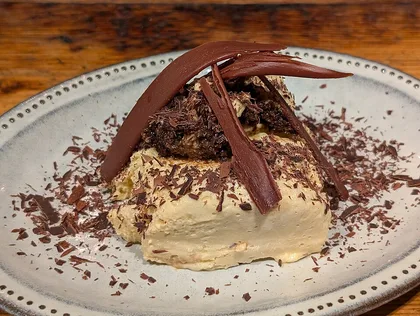 SweetsTiramisuNothing here goes near an oven. Savoiardi dipped in cold espresso, raw egg yolk whipped with mascarpone…Pasta and breadGnocchiGnocchi are small boiled dumplings, in their modern form made of potato bound with a little flour.
 CheeseAsiagoOne name covers two cheeses nobody would mistake for each other at the counter.
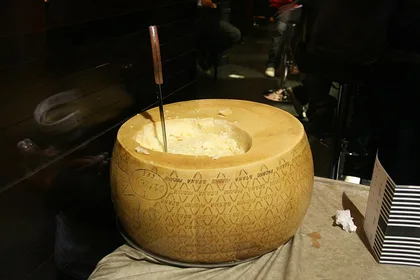 CheeseGrana PadanoNine months is the floor the specification sets before a wheel may carry the name.
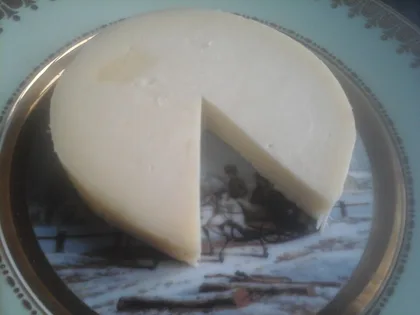 CheeseProvoloneProvolone is a stretched-curd cow's milk cheese from northern Italy, rope-tied and hung to age in shapes from…