Langhe: where to eat and stay
The Langhe are the part of Italy where wine pulled up the price of everything else: rooms, dinners, even the coffee in the square in Alba. You eat very well here, but between a real kitchen and a shop window for visitors there are three kilometres of bends.
The Langhe are the hills south of the Tanaro, between Alba and Ceva, and they are not one place. The Bassa Langa (Barolo, Barbaresco, La Morra, Serralunga, Monforte, Neive, Verduno) is the one in the photographs: low hills of white marl, combed rows of vines, a fortified village on every crest. The Alta Langa starts roughly at Bossolasco and climbs to eight hundred metres: woods, hazelnut groves, villages of four hundred people, serious winters. They are half an hour apart and prices differ by double.
The winegrowing landscape has been a UNESCO site since 2014, and what usually happens happened: the farmhouses abandoned in the 1980s became guesthouses, and in some Barolo villages there are now more beds than residents. The practical consequence is that from mid-September to the end of November, between harvest and the truffle fair, a decent room under 150 euro is rare and good restaurants are booked three weeks ahead. In January the same rooms cost half, and half the Langa is shut.
The most useful thing to know, if you are coming to eat and drink: wine is tasted in the cellar by appointment. No serious producer opens the door to someone who has not written first, and the few who do live off coach parties. Two emails the week before change the whole trip.
How people eat here
Langa cooking is built on meat, butter and eggs, not oil and tomato: we are closer to Lyon than to Naples, and you taste it in the first mouthful. A traditional lunch opens with a run of antipasti that in a village osteria can be six or seven (raw beef chopped with a knife and barely dressed with lemon, vitello tonnato with the real egg sauce, Russian salad, young tomini cheeses, anchovies in green sauce, peppers with bagna cauda), and by the time the pasta arrives you have already eaten. This is not staging for visitors: it is the order in which people have always eaten, and the bill assumes it. If you want to go lighter, ordering the antipasti as your whole meal offends nobody.
There are essentially two first courses. Tajarin, very thin ribbons made with twenty or more egg yolks per kilo, dressed with butter and sage or with the juices of a roast; and agnolotti del plin, tiny parcels pinched one by one, which in their driest version are served with no sauce at all on a napkin. After that come brasato (almost always cooked with a young Nebbiolo rather than with Barolo, whatever the menu says), bollito misto with green sauce, rabbit cooked in Arneis. From November to February bagna cauda appears: garlic, salted anchovies and oil, the edible residue of the salt road between Piedmont and Liguria, eaten from a shared pot with raw and cooked vegetables.
Two things to know about the bill. Hazelnut is everywhere in the sweets, because the Tonda Gentile of the Langhe is a local crop and not an import: torta di nocciole, bonet with cocoa and amaretti, hazelnut semifreddo. And the cheese trolley is worth it here, because Robiola di Roccaverano, Castelmagno and Bra are produced within an hour of your table.
Working farms that take guests
Real places in this territory, checked one by one on their own site. What you read is what they state: the editorial visit has not happened yet, and when it does we will say so.
Azienda Agricola Mario Gagliasso — Agriturismo Il Torriglione
La Morra (CN)A cellar in the medieval hamlet of Torriglione, inside the Barolo zone: Barolo, Barolo Riserva, Barbera d'Alba, Dolcetto. Rooms and the farm's own dining room sit above the cellar.
gagliassovini.itErbaluna
La Morra (CN)Certified organic wines since 1986, Dolcetto, Barbera, Nebbiolo and Barolo, at the Annunziata hamlet. Five double rooms with bathroom and an apartment for two to four people, breakfast included.
erbaluna.itAgriturismo Bric di Gài
Monforte d'Alba (CN)Barbera, Dolcetto and Nebbiolo vineyards at San Sebastiano. Three double rooms and a studio, each with private bathroom and terrace.
bricdigai.itCascina Barroero
Cortemilia (CN)An Alta Langa farm growing hazelnuts and working them in its own laboratory (spreads, cakes, biscuits, chocolates); it also produces acacia, chestnut and wildflower honey. Guests stay in holiday houses converted from historic buildings, with an inn for lunches and tastings.
barroero.itThe foods of this territory
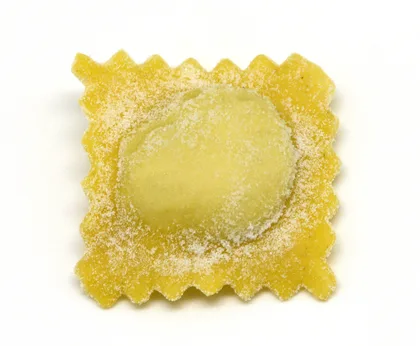 PATAgnolottiAgnolotti are Piedmont's stuffed pasta: thin egg dough around a filling of roasted meat…
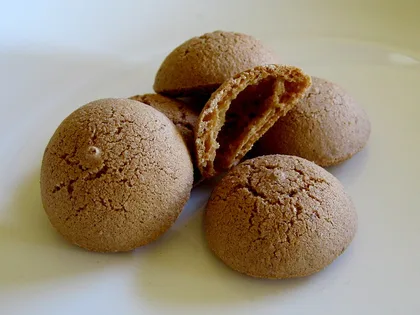 FoodAmarettiAmaretti are flourless almond cookies whose bitter edge comes from apricot kernels, not…
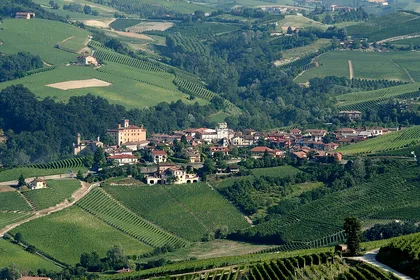 DOPBaroloBarolo is one hundred per cent Nebbiolo from eleven villages in the Langhe hills of…
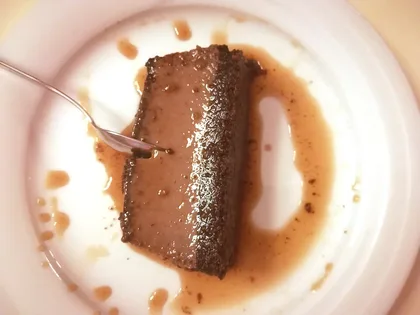 FoodBonetBonet is the baked custard of Piedmont's Langhe hills: eggs, milk, bitter cocoa, crushed…
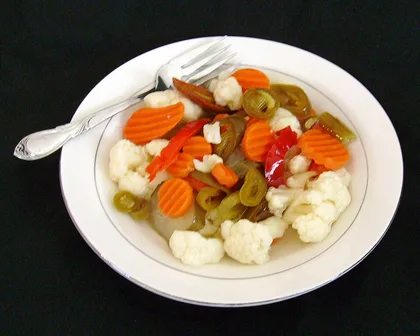 FoodGiardinieraGiardiniera means two very different jars. In Italy it is a mild mix of vegetables pickled…
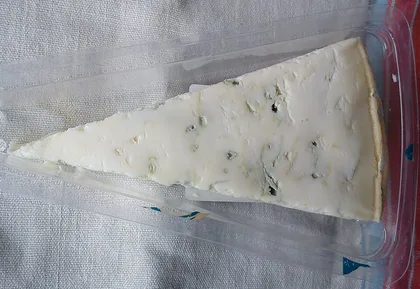 DOPGorgonzolaThe green veining is the product, not a flaw anyone tolerates: it grows from a mould added…
What to do here
The most interesting thing to do here is the simplest: two or three cellar visits, booked by email a week ahead and spread over different days rather than crammed into one afternoon. A serious visit lasts an hour and a half, starts in the vineyard, goes through the barrels and ends with four or five tastings sitting down; it costs between 20 and 40 euro a head at small estates, more where there is a designer tasting room. Asking to spit is not rude, it is normal: the legal limit is 0.5 g/l and the road between Barolo and Monforte is what it is.
A truffle hunt with a trifolau and his dog can be booked from October to December, lasts about an hour and costs 70 to 120 euro a head with a tasting at the end. It should be said plainly: it is a demonstration, not a real hunt, which happens at night and takes no strangers along, but if the dog is good and the man talks, it is worth the money.
For the rest: the WiMu inside Barolo castle is a wine museum done better than you would expect; the castle of Grinzane Cavour hosts the world truffle auction in November; the Saturday market in Alba is still a town market and not a fair. On a bike the hills are harder than the photographs suggest: gradients of 8 to 10 per cent on narrow roads that are busy in October. Good in April or May, less good in the middle of the harvest.
The year, month by month
January and February are the bottom of the season: many restaurants close for a fortnight, but it is the time of bagna cauda, bollito and the hunchback cardoon of Nizza, and rooms cost half. March and April reopen everything; between late April and May the hills are green, visitors few and producers have time to talk, which is probably the best moment for a first trip.
June and July are hot but bearable on the hills, with cherries and the peaches of Canale on the stalls. August is the month of village festivals and of cellars on holiday: check who is open before you travel, because many estates close for two solid weeks. In odd-numbered years, in September, Bra hosts Cheese, which fills the whole area for four days.
From mid-September to mid-October comes the harvest: the most interesting thing to watch and the hardest time to book, because estates work fifteen-hour days and have little appetite for visits. From the second weekend of October to the first of December the International White Truffle Fair runs in Alba, with the market in the Maddalena courtyard and a panel that checks the goods on every stall: it is the one place around here to buy a truffle from someone who answers for it. The Palio degli Asini falls in the same weeks, on the first Sunday of October, and fills Alba and the villages around it.
Getting there and getting around
The useful airports are Turin Caselle (an hour and a quarter from Alba), Milan Malpensa (two hours) and Genoa (an hour and three quarters); from Nice it is two and a half hours by motorway. By train you reach Alba from Turin Porta Nuova changing at Asti or Bra, about an hour and a half: the line is single track, services are sparse and on Sundays almost absent.
Once there you need a car. The Barolo villages are five or ten kilometres apart, but it is all ridge bends and the real average is thirty kilometres an hour: ten kilometres is twenty minutes, not seven. Local buses exist and are designed for schoolchildren, with runs early in the morning and at two in the afternoon. On October weekends, parking in Alba, La Morra and Barolo is a genuine problem: stay in one village and move as little as possible.
If you intend to taste seriously, budget for a driver. Three tastings in an afternoon take you over the limit without your noticing, the checks on the Alba to Monforte road are real, and losing a licence in Italy as a foreign visitor is a serious complication. A car with a driver for half a day costs between 200 and 300 euro, which split four ways is less than a bottle each.
Frequently asked questions
When is the best time to visit the Langhe?
May and the first half of June if you want green hills, producers with time to talk and normal prices. October and November if you want white truffle and the harvest, accepting double the price and the need to book everything weeks ahead. January and February are cheap and genuine, but half the places are closed.
Do you need a car in the Langhe?
Yes, unless you base yourself in Alba and take organised tours only. The hill villages are linked by school buses with two or three runs a day and none on Sundays. The alternative is to pick one village as a base and move on foot and by taxi, though taxis here are few and need calling ahead.
How much does white truffle cost in a restaurant?
Truffle is sold by weight, between 6 and 10 euro a gram depending on the year, and it is weighed at your table in front of you. An honest shaving over a plate of tajarin is six to eight grams, so 40 to 70 euro on top of the price of the pasta. Ask the price per gram before you say yes: it is a normal question and nobody takes offence.
Can you visit a winery without booking?
Almost never. Langhe estates are mostly family businesses where two or three people do everything, and they receive by appointment. An email a few days ahead is enough, and English is perfectly fine. The few cellars that take anyone who turns up are built for coach parties, and the quality of the visit reflects that.