Ten Italian stretched-curd cheeses, from mozzarella to Ragusano
Mozzarella, buffalo mozzarella, burrata, scamorza, Nebrodi provola, caciocavallo, podolico caciocavallo, Ragusano, provolone, vastedda del Belìce: one technique, ten results.
Stretched curd is a technique rather than a family of flavours: the acidified curd is plunged into boiling water and worked until it turns elastic, like a dough, and at that moment it can be pulled, torn, tied or spun. Everything that follows, fresh or aged, depends on what is done with that paste in the next few minutes.
The first choice is water. If the paste is torn off at once and put into its whey, you get mozzarella; if it is pinched in the middle and hung to dry, you get scamorza; if it is tied in pairs and hung astride a beam, you get caciocavallo, and the pear shape with its little head is the result of that way of hanging.
The second choice is time. Ragusano ages in blocks of ten to sixteen kilos and becomes a grating cheese with a grassy note; provolone exists in wheels from half a kilo to a hundred and in two versions that are not degrees of one thing, mild with calf rennet and sharp with kid rennet. The vastedda del Belìce closes the list as an absolute exception: the only stretched-curd sheep cheese in the world.
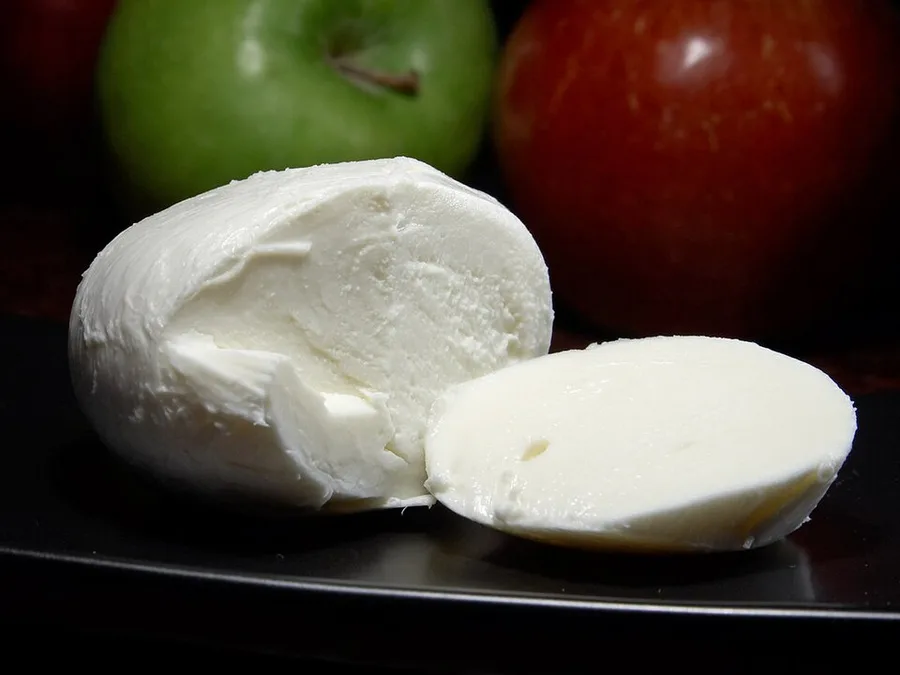 Jon Sullivan · Public domain
campania · puglia · 12-18 €/kg
The name is a verb: mozzare, to tear off cleanly, which is what the cheesemaker does by hand after spinning. Two products live under the name, cow's milk fiordilatte and Mozzarella di Bufala Campana DOP.
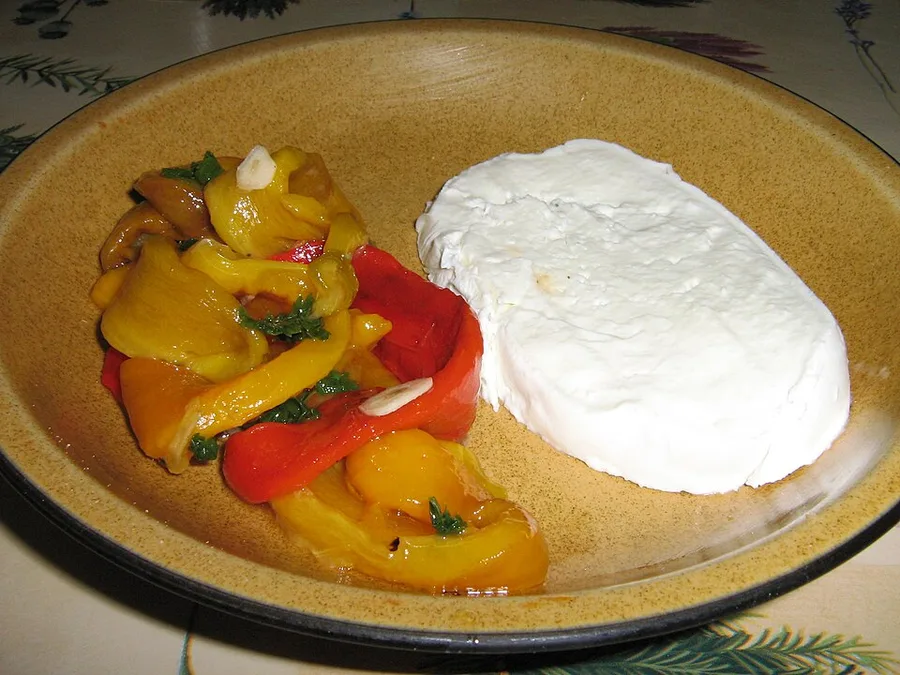 10Rosso · CC BY 2.0
campania · 11-15 €/kg
Whole milk from the Italian Mediterranean buffalo, spun in boiling water and torn by hand, DOP. Porcelain white and slightly sour, to be eaten within days and kept in its whey.
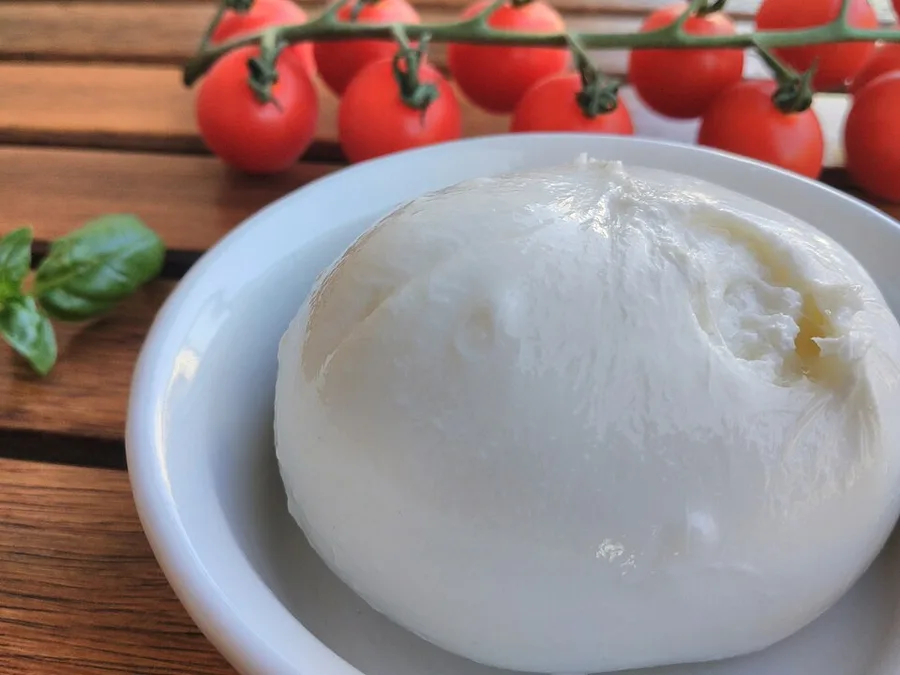 Popo le Chien · CC0
puglia · 14-20 €/kg
Here the stretched curd is the container: a pouch filled with stracciatella and cream, that is the trimmings of spinning drowned in cream. Andria, the nineteen twenties, IGP.
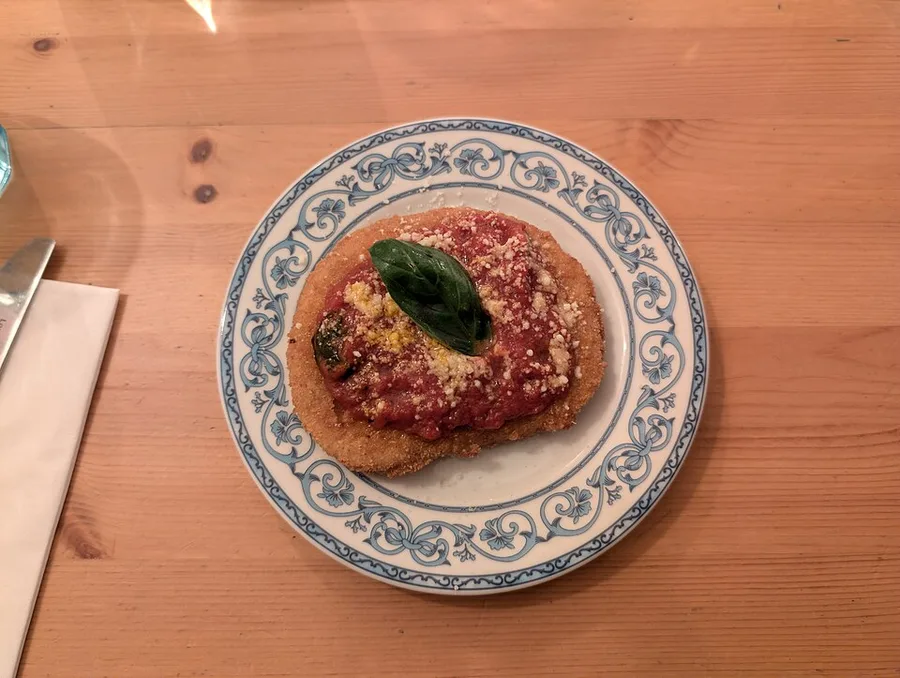 Andy Li · CC004
Scamorza
abruzzo · molise · 9-13 €/kg
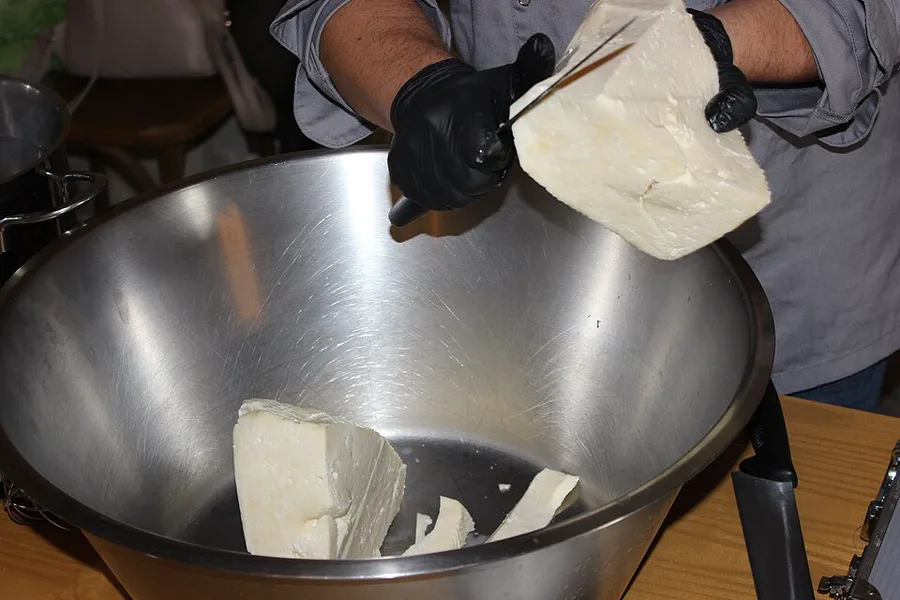
Stretched curd pinched in the middle and hung to dry for a week or two: it loses water and becomes firm, and on a hot plate it holds its shape instead of melting into a puddle.
 8w9d · CC0
sicilia · 12-16 €/kg
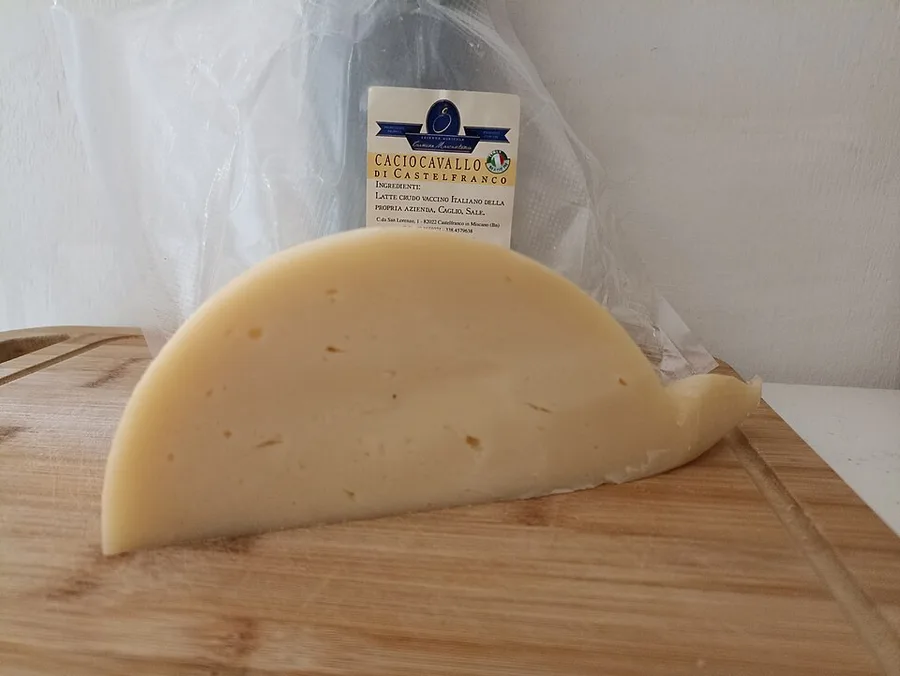
A stretched-curd cheese of raw cow's milk from the mountains behind Messina, spun by hand and tied in pairs. The smoking, where it happens, is brief and done with straw: it dries the surface.
 VallVit · CC0
basilicata · calabria · molise · 11-15 €/kg
The pear shape with its small head comes from the way it is hung: tied in pairs and set astride a beam. As Caciocavallo Silano the DOP covers five regions of the southern Apennines.
basilicata · campania · 40-80 €/kg
Milk from free-ranging Podolica cows, which give very little and only for a few weeks a year: forty to eighty euro a kilo, with ageing that reaches several years.
sicilia · 13-18 €/kg
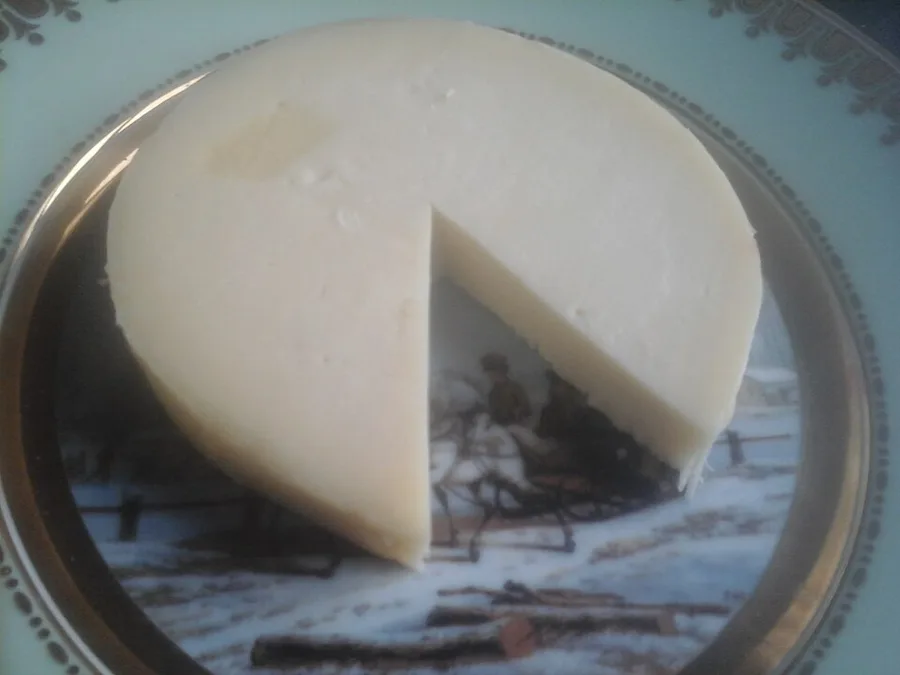
Blocks of ten to sixteen kilos from the raw milk of Modicana cows, tied in pairs and hung: in the Iblean dialect it is called scaluni, steps, from the way those rows look.
 Thomon · CC BY-SA 4.0
lombardia · veneto · 10-14 €/kg
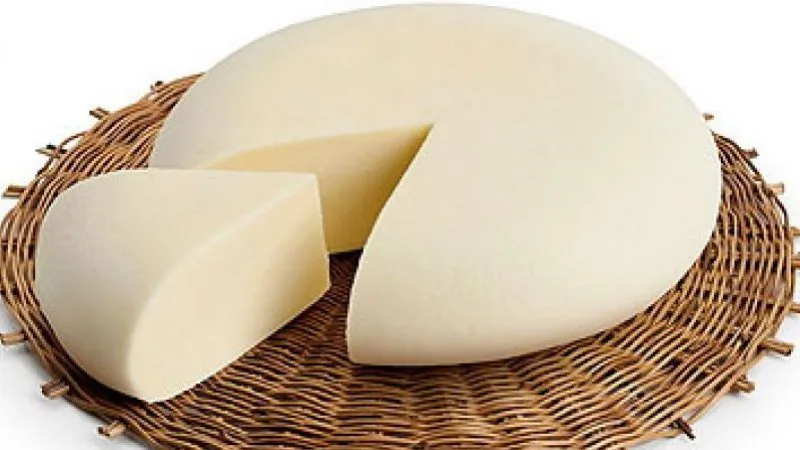
Two versions that are not degrees of one thing: the mild, with calf rennet, and the sharp, with kid or lamb rennet. Wheels from half a kilo to a hundred, tied with string and hung.
 Lele1989 · CC BY-SA 4.0
sicilia · 14-20 €/kg
The only stretched-curd sheep cheese in the world, DOP: born from a summer fault, when pecorino wheels swelled and the shepherds broke them up and spun them in boiling water.
One last thing
In the kitchen stretched curd divides into two behaviours, and it is worth knowing which one you are holding. The fresh, water-rich ones, mozzarella and buffalo, release liquid when cooked: on a pizza they should be drained, and in a parmigiana the fiordilatte is left to drip first. The dry ones, scamorza, provola, young caciocavallo, melt without wetting, which is why they belong on a hot plate and in baked dishes. The long-aged ones, Ragusano and sharp provolone, do not melt well but grate, and over pasta they bring a grassy or pungent note no grana gives.
The questions this list answers
These are real questions put to an AI assistant, in the period when Bing cited this site among its sources to answer them. The number is how many times we were cited. We read them in Bing Webmaster Tools, under AI performance, and they decide what goes on this page rather than the other way round.
- mozzarella di bufala291 citations
- scamorza189 citations
- mozzarella bufala63 citations
- bufala mozzarella15 citations
- scamorza cheese14 citations
- scamorza cheese taste description6 citations
Frequently asked questions
What is stretched curd?
A technique: the acidified curd is plunged into boiling water and worked until it becomes elastic, and at that point it can be pulled, torn, tied or hung. From that same paste come mozzarella, scamorza, caciocavallo, provolone and Ragusano.
Why does caciocavallo have that shape?
Because of how it is hung: the wheels are tied in pairs with a cord and set astride a beam, and the weight creates the constriction that gives the little head above the pear. The name itself comes from that beam, the cavallo.
Which stretched curd goes on a pizza?
Drained fiordilatte or buffalo mozzarella, sliced and left to drip before use, because they are rich in water and release liquid in the oven. Dry stretched curds such as scamorza melt without wetting, but they give a different result.
Is vastedda a pecorino?
It is a sheep cheese but not a pecorino in the usual sense: it is the only stretched-curd ovine cheese in the world, born to salvage pecorino wheels that swelled in summer. It is eaten fresh, within days, and it is elastic and tangy.