What is Malloreddus?
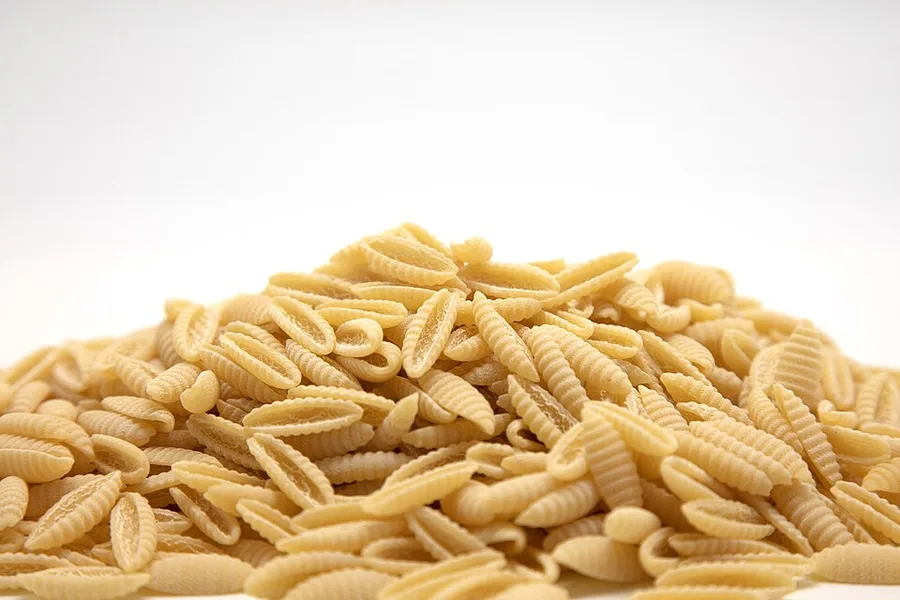
Malloreddus are Sardinia's signature dried pasta: short, ridged, hollow little shapes made from durum wheat semolina and water. Nothing else goes in: no egg, no fat, no soft wheat flour, no potato. That makes them naturally vegan and considerably more robust in the pot than their size suggests. They measure roughly 2 to 3 cm, curve inward at both ends, and carry a band of deep ridges across the back.
That shape is engineering, not decoration. The ridges catch sauce on the outside and the hollow collects it on the inside, so malloreddus hold onto thick, granular sauces (sausage meat, grated bottarga, lamb ragù, pulses) that would slide straight off a smooth pasta. It is the same logic as Puglia's orecchiette, applied to a smaller and thicker shape.
In the Campidano plain, the traditional dough is coloured with saffron dissolved in the mixing water, which turns the pasta a deep yellow and adds a faintly earthy, balsamic note. Plenty of malloreddus are made without it and stay the amber colour of plain semolina, so a yellow packet and a pale one can both be authentic.
The island uses several names for the same thing. Cigiones and ciciones in the north around Sassari and the Logudoro, macarones caidos in the Barbagia and around Nuoro, malloreddus in the south. The Italian trade name gnocchetti sardi is a twentieth-century export label, and it has confused more English-speaking cooks than any other name in the Italian pasta aisle.
What does it taste like?
Firmly, plainly wheaty. With only semolina and water in the dough, what you taste is the grain itself: nutty, faintly sweet, with the clean mineral edge that good durum has and soft-wheat pasta does not. There is no richness of the kind egg pasta brings, and none is wanted: the sauce supplies that.
The texture is the point. Malloreddus are dense and chewy, with real resistance under the tooth, and they stay that way on the plate for a good five minutes after draining. Anyone expecting the pillowy softness of potato gnocchi will be startled: this is closer to a very short, very thick rigatoni than to a dumpling.
When saffron is in the dough, it shows up as aroma more than flavour: a warm, hay-like note in the background rather than anything sharp. In the classic dish it meets the fennel seed in the Sardinian sausage and the sheep-milk tang of grated pecorino, and that trio, sweet tomato underneath, is what most people mean when they say a plate of pasta tastes like Sardinia.
How to use it
Boil them in plenty of well-salted water for 10 to 13 minutes and start tasting at eight. They are thicker than they look and the centre stays raw easily. Unlike long pasta they forgive an extra minute, but do not drain them early to finish them in the pan for a long time, because the hollow fills with water and releases it onto the plate.
The dish to make first is malloreddus alla campidanese. Squeeze fresh Sardinian sausage out of its casing (the fennel-seed kind) and brown it hard in a little oil with finely chopped onion, breaking it up as it goes. Add passata, season, and let it simmer gently for forty minutes. Near the end, dissolve a pinch of saffron in a spoonful of the pasta water and stir it through. Drain the pasta while it still has bite, toss it in the sauce for a minute, and finish each plate with plenty of grated Sardinian pecorino. No cream, no garlic, no herbs beyond the fennel already in the sausage.
Beyond that, malloreddus take to the sea very well: grated bottarga over a base of garlic, olive oil and parsley, off the heat so it does not turn bitter; clams with their strained liquor; prawns and cherry tomatoes. Inland, they go with lamb or wild boar ragù, with salted ricotta, or with nothing more than fresh tomato and pecorino.
Two practical notes. Make more sauce than you would for a long pasta, because this shape absorbs and holds a lot of it. And grate the pecorino over the plate rather than stirring it into a hot pan, where it strings and clumps.
How long it keeps
Dried malloreddus is a pantry product: unopened, the bag or box carries a best-before date printed by the producer, usually a long way out, and that date is the reference. Keep it somewhere dry and dark at 15 to 20 C, away from the stove and away from anything strongly scented, because semolina takes on smells. Once the pack is open, tip it into a sealed jar. Left loose in a humid kitchen the pasta draws moisture and the surface goes tacky, then the pieces stick where they touch; in very dry conditions it does the opposite and gets brittle and dusty, and the colour fades toward grey.
Fresh malloreddus bought from a shop counter is a different product with a short life, kept at 0 to 4 C for the few days the seller specifies. It freezes well spread on a tray until firm, then bagged, and goes into boiling water straight from minus 18 C. Cooked and dressed, it keeps covered in the fridge for a couple of days and keeps absorbing sauce, softening as it does.
Spot the real thing
The shape is small and specific: a stubby ridged shell about two centimetres long, curved, hollow underneath, with fine parallel grooves running along the outside from the basket or board it was rolled on. On a pack the name will be malloreddus or gnocchetti sardi, and the ingredients should read durum wheat semolina and water, with no egg. Bronze-drawn pasta, trafilata al bronzo, looks matte, chalky and pale with a dusting of flour; the smooth glossy yellow kind has most likely been pushed through a teflon die. Saffron versions are a deeper gold and say so on the label.
Several shapes get sold as near enough. Cavatelli from Molise and Puglia are similar in size but smooth, without the ridges. Potato gnocchi are soft, fresh and several times the weight. Conchiglie shells are machine-made, larger and open. A Sardinian bronze-drawn pack costs noticeably more than a supermarket own-brand bag of the same weight, and the difference shows in the rough surface.
How to pronounce Malloreddus
mahl-loh-REH-doos
Four syllables, stress firmly on the third: mahl-loh-REH-doos. The double L is held slightly longer than an English L, as in the pause inside 'tall lamp'. The double D is likewise doubled, and the final 'us' is a Sardinian ending pronounced 'oos', never 'us' as in 'bus'. Typical English attempts, 'mal-or-EE-dus' and 'mallo-RAY-dus', both go wrong by stressing the wrong vowel and softening the doubled consonants. The name comes from Campidanese Sardinian: malloru means bull, and malloreddus is its diminutive, so the word literally means little bulls or calves. The Italian label gnocchetti sardi, 'little Sardinian gnocchi', came much later and was invented to sell them.
Malloreddus compared
vsPotato gnocchi
The English name gnocchetti sardi has convinced a great many cooks that these are miniature gnocchi. They are not related at all. Malloreddus are a dried semolina pasta that keeps for a year and boils for 12 minutes; gnocchi are a fresh potato dumpling that keeps for days and boils for 2. Everything downstream of that (texture, sauce, method) follows from the difference.
| This | Potato gnocchi | |
|---|---|---|
| Dough | Durum semolina and water | Boiled potato, flour, usually egg |
| Egg | Never | Usually one per kilo of potato |
| Format | Dried pasta, shelf-stable | Fresh, made and eaten the same day |
| Shelf life | 12-24 months in the cupboard | 2-3 days chilled, or frozen |
| Cooking time | 10-13 minutes | 2-3 minutes, until they float |
| Texture | Firm, chewy, holds its bite | Soft, yielding, pillowy |
| Sauce logic | Thick, granular sauces caught by the ridges | Light butter, sage, tomato or gorgonzola |
| Vegan | Yes, as standard | Only the egg-free versions |
vsCavatelli
The closest genuine relative, and the best substitute. Both are semolina-and-water pastas shaped by hand into a hollow, and in a bowl they do the same job. The difference is in the gesture: cavatelli are dragged with two fingers and come out smooth and open, while malloreddus are rolled across a ridged surface, which curls them tighter and prints the ribbing on the back.
| This | Cavatelli | |
|---|---|---|
| Dough | Semolina and water | Semolina and water |
| Shaping | Rolled on a ridged basket or gnocchi board | Dragged with the fingertips |
| Surface | Deeply ridged | Smooth |
| Shape | Arched, ends curling in | Open, elongated hollow |
| Size | 2-3 cm | 2-4 cm, region depending |
| Saffron | Common in the Campidano version | Never |
| Home region | Sardinia | Puglia, Molise, Basilicata, Campania |
| Swap | n/a | 1:1, no adjustment needed |
vsConchiglie (pasta shells)
Shells look like the industrial cousin of malloreddus and behave differently. Conchiglie are extruded through a die into a thin, wide, scoop-shaped shell; malloreddus are formed from a much thicker piece of dough and stay dense. Shells carry sauce in their cavity; malloreddus carry it in the ridges and chew back at you.
| This | Conchiglie (pasta shells) | |
|---|---|---|
| Made by | Hand-rolled, or extruded and shaped | Extruded through a die |
| Wall thickness | Thick, 3-4 mm | Thin, 1-2 mm |
| Ridges | Deep, across the whole back | Fine, on the rigate versions only |
| Cavity | Small and tight | Wide and scooping |
| Bite | Dense and chewy | Light, can go floppy |
| Best sauces | Meat, sausage, bottarga, thick tomato | Baked dishes, pesto, cream, pasta salad |
Malloreddus substitutes
- Cavatelli
The closest thing by a wide margin: same flour, same water, same hollow, same cooking time. Dried cavatelli are stocked by most Italian delis and by many supermarkets in the US. Sauce quantity stays the same.
1:1 by weight - Industrial gnocchetti sardi
The mass-market version of the real thing, sold under the Italian trade name by every large Italian pasta brand. Check the ingredients say durum wheat semolina only, and prefer bronze-drawn if you have the choice, for the rougher surface.
1:1 by weight - Small ridged shells (conchigliette rigate)
Widely available and the right size, though thinner-walled and lighter in the mouth. Cook them a minute short of the packet time so they keep some resistance, and drain them well, since the cavity holds boiling water.
1:1 by weight - Orecchiette
Same semolina-and-water family from Puglia, and easy to find. They are flatter and wider, so they catch less of a chunky sauce in a single bite; chop the sausage finer to compensate. They usually need a minute or two longer than malloreddus.
1:1 by weight - Casarecce
A rolled, twisted semolina shape with a groove down the middle. Not the same silhouette, but the groove traps sauce well and the bite is comparably firm: the best fallback in an ordinary supermarket.
1:1 by weight - Homemade malloreddus
Genuinely worth doing, and no machine is needed. Mix 400 g finely milled durum semolina with 200 ml warm water and a good pinch of salt; for the Campidano version, dissolve one sachet of saffron powder, or about ten threads, in the warm water first. Knead for ten minutes to a firm, smooth dough, rest it covered for thirty minutes, then roll into pencil-thin ropes, cut into 1 cm pieces, and press each one down the back of an upturned grater or a wooden gnocchi board with your thumb so it curls and takes the ridges. Dry on a semolina-dusted tray. Note that the pasta is already vegan; the classic sauce goes vegetarian by swapping the sausage for browned mushrooms or lentils with a pinch of fennel seed, keeping the saffron and the pecorino.
400 g semolina + 200 ml water serves 4
Where to buy it
In the US, look for them labelled gnocchetti sardi as often as malloreddus. Italian importers, Eataly, online specialists and most well-stocked supermarkets carry the industrial version at roughly $3 to $5 per pound; bronze-drawn Sardinian artisan brands, and the saffron versions, run about $8 to $14 per pound. In the UK, Italian delis and online grocers stock them at around £5 to £9 per kilo for standard packs and £12 to £18 per kilo for small Sardinian producers.
Read the ingredient list before the front of the pack. It should say durum wheat semolina and water, full stop. Egg, soft wheat flour or starch means you are holding something else. Colour is the second check: a warm amber tells you the semolina is good, a deep even yellow means saffron in the dough, and a pale chalky white means neither.
The supporting cast is harder to source than the pasta. Fresh Sardinian fennel sausage is the one ingredient worth hunting for at an Italian butcher; failing that, buy a coarse Italian sausage and add half a teaspoon of crushed fennel seed per 300 g. Pecorino sardo is stocked by good cheese counters. Pecorino romano works but is saltier and will bury the saffron. Bottarga di muggine, grey mullet roe, keeps for months in the fridge and is sold whole or grated by the same importers.
Where to eat it in Italy
Sardinia, and specifically the south. The Campidano plain between Cagliari and Sanluri is where the dish comes from, and the towns across it (Serramanna, Villacidro, Guasila, Samassi) cook it as everyday food rather than as heritage. San Gavino Monreale and Turri, a little further north, grow the saffron that goes into it, harvested by hand every autumn.
Cagliari is the easy base. Trattorie in the Marina district below the old town serve malloreddus alla campidanese as a matter of course, and the Mercato di San Benedetto, one of the largest covered markets in Europe, sells the sausage, the pecorino and the bottarga under one roof. On 1 May the city fills up for the feast of Sant'Efisio, when thousands of people in traditional dress process through the streets and the food is at its most emphatically Sardinian.
Inland the name changes and so does the hand that makes them: ask for macarones caidos in the Barbagia and around Nuoro, cigiones or ciciones in the Logudoro and around Sassari. On the north-east coast, in Gallura, the version to order is the seafood one, with bottarga or clams, alongside the Vermentino di Gallura DOCG grown on the granite hills behind the beaches.
Frequently asked questions
Are malloreddus the same as gnocchi?
No, despite the Italian name gnocchetti sardi, which means little Sardinian gnocchi. Malloreddus are a dried semolina pasta made from durum wheat and water that keeps for a year and boils for 12 minutes; potato gnocchi are a fresh dumpling made from boiled potato, flour and usually egg that boils for 2 minutes. The names are related, the foods are not.
How do you pronounce malloreddus?
mahl-loh-REH-doos, with the stress on the third syllable and both the double L and the double D held slightly. The final syllable is 'doos', not 'dus'. It is a Sardinian word, not an Italian one: malloru means bull, so malloreddus are little bulls.
How long do malloreddus take to cook?
Ten to thirteen minutes in plenty of salted water, depending on thickness and producer. Start tasting at eight minutes, since the centre is thick and stays raw easily. They hold their texture well after draining, so a minute either way is not a disaster.
Do malloreddus contain egg?
No. The traditional dough is durum wheat semolina, water and salt only, which makes the pasta itself vegan. It does contain gluten and is not suitable for coeliacs. The classic sauce can be made vegetarian by replacing the sausage with browned mushrooms or lentils and a pinch of fennel seed.
What sauce goes with malloreddus?
The signature one is alla campidanese: crumbled fresh Sardinian fennel sausage, tomato passata, a pinch of saffron and grated pecorino sardo. Seafood versions with bottarga or clams are equally traditional, as are lamb and wild boar ragù. The rule is that the sauce should be thick and slightly chunky, so the ridges have something to hold.
Related foods
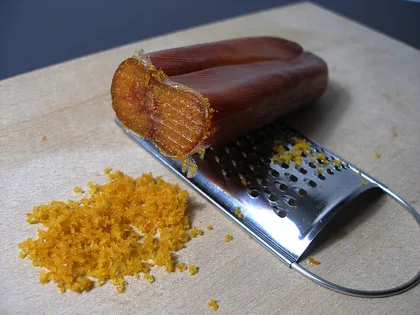 Fish and seafoodBottargaFifteen grams a head is enough, and that is not meanness: bottarga is the salted, pressed, air-dried roe sac…
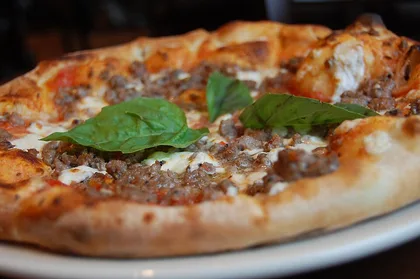 Cured meatsSalsicciaCoarsely ground pork, salt, pepper, wine and usually garlic, packed into natural hog casing and sold raw.Pasta and breadGnocchiGnocchi are small boiled dumplings, in their modern form made of potato bound with a little flour.
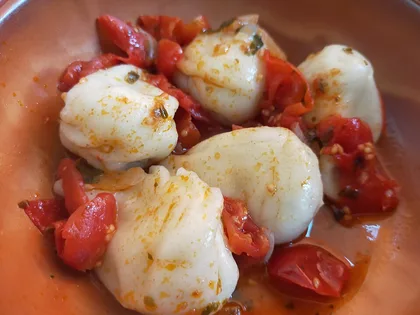 Pasta and breadCulurgionesCulurgiones are Sardinian filled pasta: potato, pecorino and mint sealed inside a semolina wrapper by hand…
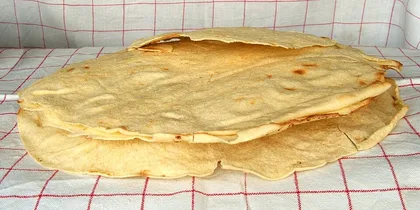 Pasta and breadPane carasauBaked twice because it had to survive months in a shepherd's saddlebag: a paper-thin disc of durum semolina…
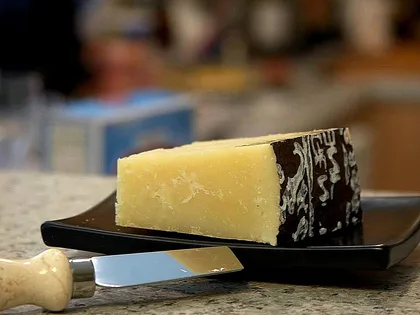 CheesePecorino RomanoPecorino Romano DOP is a hard, dry-salted sheep's milk cheese aged at least five months, made in Sardinia…
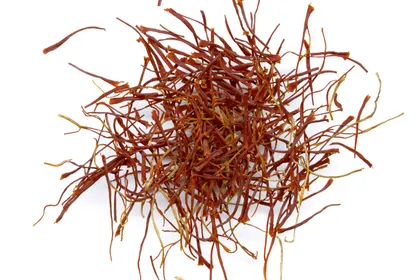 Oil and preservesSaffronOne kilo takes between 150,000 and 200,000 flowers, and every flower gives up three stigmas that have to be…
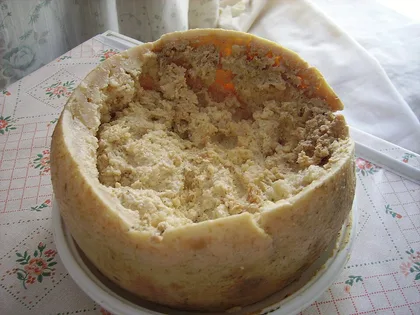 CheeseCasu MarzuCasu marzu is a Sardinian sheep's cheese whose ripening is carried on by the larvae of the cheese fly.