Valdadige: where to eat and stay
The Valdadige is the corridor everyone crosses at a hundred and thirty on the way to the Dolomites without ever looking: narrow gorges, Austrian forts on the ridges, and two grape varieties that exist nowhere else on earth. It is the one area in this guide where you drink well for twelve euro a bottle at the cellar.
The Valdadige is the stretch where the Adige narrows between the Lessini mountains and Monte Baldo, between Verona and Trento: on the right bank Dolcè, Peri, Volargne and Rivoli Veronese; on the left Brentino Belluno, and further north, already in Trentino, Avio, Sabbionara and Ala. It has been a transit valley for two thousand years, with the Brenner railway, the A22 motorway and the main road running side by side along the floor, and for that very reason it has stayed a place where nobody stops.
The denomination that matters is called Valdadige Terradeiforti, and the name comes from the Habsburg forts built on the ridges between 1850 and 1860 to close the valley: Forte Rivoli, Forte Ceraino, Forte Chiusa. The wine is made from two native varieties that survive only here. Enantio, which older growers call Lambrusco a foglia frastagliata, is genetically distinct from every Emilian lambrusco and gives a dark, acidic, spicy red. Casetta is rarer still, with a few dozen hectares in the whole world. These are not prestige wines and never will be: they cost ten or fifteen euro at the cellar and you will not find them in any other province.
The thing to settle immediately is the geography, because the confusion is systematic. Valpolicella, the Amarone one, begins ten kilometres west, between Sant'Ambrogio, Fumane, Negrar and Marano: a different territory, with different prices and a different economy. Dolcè to Fumane is twenty minutes by car and a jump in price category. Anyone who comes to the Valdadige for Amarone has missed the valley by a little; anyone who comes for Enantio knows where they are.
How people eat here
The cooking is Verona hill cooking, with a Trentino pull that grows as you climb. The base is polenta, made yellow and fairly soft here, and the dish that defines Verona is lesso with pearà: boiled meats served with a sauce of breadcrumbs, beef marrow, broth and an amount of pepper that looks like a mistake and is not. Pearà cooks for three hours on the lowest heat and cannot be improvised; in the trattorie that really make it, it is a winter and seasonal dish, and anyone offering it in July is buying it in.
The other Veronese signature is pastissada de caval, horse meat marinated in wine and stewed for hours, served with polenta. Horse is eaten normally across the province, with dedicated butchers in the villages, and the trattorie do not hide it: if the idea does not appeal, it is useful to know before reading the menu. The third is risotto all'isolana, from Isola della Scala out on the plain: Vialone Nano Veronese IGP rice, pork and veal chopped by hand, butter, cinnamon and rosemary, finished without tomato. It is a poor man's risotto and much better than the description promises.
On produce, the valley has some specific things worth seeking out. The white asparagus of Rivoli Veronese, grown on the gravel terraces above the river, picked from mid-April to early June and eaten boiled with crushed hard-boiled eggs and oil. The chestnuts of the Brentino Belluno slopes and the Trentino Adige valley. Extra virgin olive oil, because the northern limit of the European olive runs through here: the groves at Brentino and Avio are among the most northerly on the continent, the oil is light and barely bitter, and it has a protected name covering the Garda area. And down from the Lessini comes Monte Veronese DOP, a cow's milk cheese whose long-aged d'allevo version is a serious and underrated thing. To drink, besides Enantio and Casetta, there are Pinot grigio and Chardonnay under the Valdadige name, honest everyday wines and nothing more.
Working farms that take guests
Real places in this territory, checked one by one on their own site. What you read is what they state: the editorial visit has not happened yet, and when it does we will say so.
Azienda agricola Roeno
Brentino Belluno (VR)A family cellar in Terradeiforti, at Belluno Veronese: Enantio, Rhine Riesling, Pinot Grigio, Chardonnay, Müller Thurgau, Gewürztraminer, Marzemino and Teroldego. Next to the cellar, an inn open since 1989 cooking Trentino and Veneto dishes, with rooms.
cantinaroeno.comAgriturismo Tre Forti
Rivoli Veronese (VR)A farm in a restored nineteenth-century house at Canove di Tessari. It makes extra virgin oil from centuries-old olives on the eastern side of Lake Garda, pressed within two days of picking, sold bottled or loose by appointment. Rooms and apartments with breakfast.
agriturismotreforti.comAzienda Agricola Vallarom
Avio (TN)A wine estate at Masi, on the Trentino bank of the valley, with vineyards farmed without pesticides. The guest side occupies a restored maso among the vines, with rooms and a cellar visit.
vallarom.comAgritur al Picchio
Ala (TN)A farm at Contrada Sdruzzina on the floor of the Adige valley, growing grapes, vegetables and apples. En-suite rooms and breakfast made with the farm's own produce.
agrituralpicchio.itThe foods of this territory
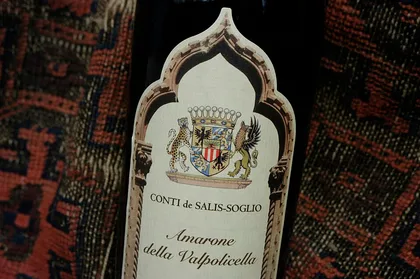 DOPAmarone della ValpolicellaAmarone is made from Corvina, Corvinone and Rondinella dried on racks for 100 to 120 days…
 DOPAsiagoOne name covers two cheeses nobody would mistake for each other at the counter.
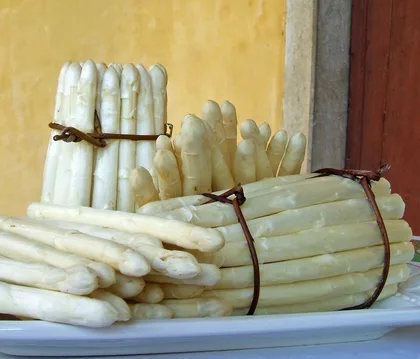 DOPBassano White AsparagusBassano white asparagus is white because it never sees daylight: the spear grows inside a…
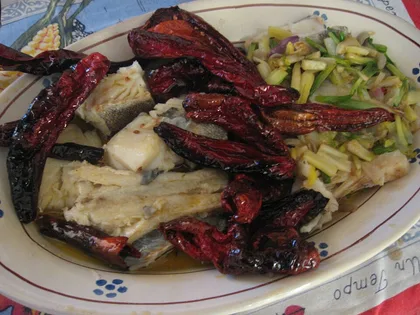 FoodBaccalàBaccalà is North Atlantic cod preserved in salt. It is not the same thing as stoccafisso…
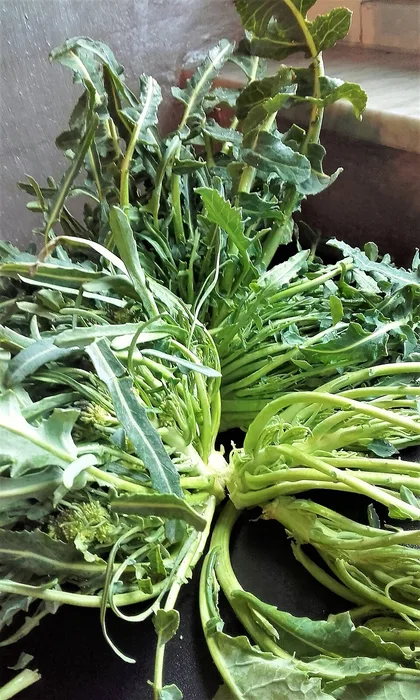 FoodFiolaro BroccoliFiolaro broccoli is not grown for its head but for the fioi, the side shoots that sprout…
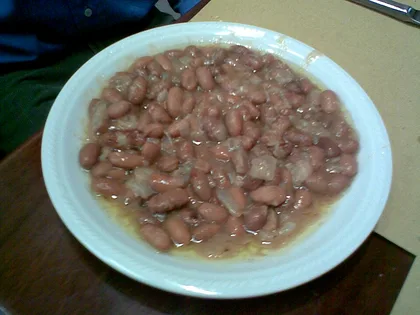 IGPLamon BeansLamon beans are mountain-grown borlotti with a skin so thin it disappears in the mouth and…
What to do here
The forts are why the valley has its name and the most visible thing in the landscape. Forte Rivoli, Forte Ceraino, Forte Chiusa and Forte Monte are mid-nineteenth-century Habsburg works on the ridges above the Adige; some can be visited on tours run by the municipalities or local associations, others are reached only on foot and looked at from outside. The Forte museum at Rivoli Veronese opens at weekends and costs a few euro.
Cellar visits here are the most informal you will find in the Veneto: estates of twenty or thirty hectares, tastings free or five to fifteen euro, and the person receiving you is almost always the owner. Asking to compare Enantio and Casetta is the request that opens the conversation: these are two varieties at risk of commercial extinction and the growers have a great deal to say about it. Booking two days ahead is almost always enough.
The Ciclabile del Sole runs along the Adige from Verona towards Trento on its own right of way for most of the route, flat, wide and well kept: Verona to Borghetto is about forty kilometres, and you can come back by train because the Brenner line runs parallel and the regional services carry bikes. It is the best way to see this valley, far better than by car.
Twenty minutes away is the Valpolicella of Amarone, which is another thing and deserves a day of its own: structured cellars, visits from 25 to 60 euro, booking required. It is worth doing on the same trip precisely for the contrast. On Lake Garda, another twenty minutes, there are the oil mills and the shore. To avoid: the tastings in the bars of Bardolino and Lazise designed for beach tourism, which sell Amarone by the glass at hotel wine list prices.
The year, month by month
From December to February the valley is cold, windy and empty: the Adige funnels air down from the north and the valley floor is several degrees colder than Verona. It is the season of lesso with pearà, of pastissada and aged cheese, and rooms cost little. Several places close in January.
April and May are the best moment: the cherry trees flower on the terraces, the white asparagus of Rivoli begins (mid-April to early June, with its festival around May) and the days are long without being hot. June brings the cherries of the Verona slopes and the first village festivals.
July and August are hot, and the valley closed between its walls holds the mugginess; the A22 in August is the most congested road in Italy on changeover weekends, with queues of hours towards the Brenner. The Lessini above the valley, on the other hand, sit at fifteen hundred metres and their pasture huts are open.
September and October are the harvest and the months with the best light. October and November bring chestnuts, with festivals at Brentino and the Baldo villages, and the start of the radicchio and boiled meat season. In November, in neighbouring Valpolicella, the grapes for Amarone go into the drying lofts: that is when the appassimento can actually be seen.
Getting there and getting around
The airport is Verona Villafranca, forty minutes from the valley floor; Venice Marco Polo is two hours, Bergamo Orio al Serio an hour and three quarters, Milan Malpensa two and a half. From Munich it is four and a half hours down over the Brenner.
The train is the pleasant surprise. The Brenner line runs down the middle of the valley and the Verona to Trento regional trains stop at Domegliara-Sant'Ambrogio, Peri, Dolcè, Borghetto, Avio and Ala, roughly hourly. Verona Porta Nuova to Dolcè is twenty-five minutes. You can arrive by train, take a bike and not touch a car for the whole stay.
By car you use the A22 Brenner motorway, exits Affi and Ala-Avio, or the SS12 along the valley floor. The thing to know is that the A22 on July and August weekends, and on the mid-August return, is saturated, with queues measured in hours, and the parallel main road fills accordingly. Outside those weeks you cross the valley in twenty minutes.
Internal distances really are short: Dolcè to Rivoli Veronese five minutes, to Sant'Ambrogio ten, to Verona thirty, to Trento forty. Lake Garda starts twenty minutes from Rivoli, which makes the Valdadige a cheap base for visiting an area that costs twice as much.
Frequently asked questions
Is the Valdadige the same thing as Valpolicella?
No, and the confusion is common. The Valpolicella of Amarone lies to the west, in the valleys of Fumane, Marano, Negrar and Sant'Ambrogio; the Valdadige is the river corridor towards Trentino, with the Valdadige Terradeiforti denomination and its native varieties. They are twenty minutes apart and priced differently: a bottle of Enantio at the cellar costs ten or fifteen euro, an Amarone of the same quality level thirty or forty.
What wine do you drink in the Valdadige?
Enantio and Casetta, two red varieties found in no other zone. Enantio, known locally as Lambrusco a foglia frastagliata, is unrelated to the Emilian lambruschi and gives a dark, acidic, spicy red that stands up to meat. Casetta is grown on a few dozen hectares worldwide. Alongside them are Pinot grigio and Chardonnay under the Valdadige name, correct and unpretentious.
Is it worth staying in the Valdadige rather than Valpolicella?
It depends on budget and on what you want. Valpolicella has the great wines, the structured cellars and the prices that follow. The Valdadige has grapes you will not find elsewhere, cellars where the owner receives you, room and restaurant prices about a third lower, and a railway that stops in the villages. The most efficient answer is to sleep in the Valdadige and give one day to Valpolicella.
When can you eat the white asparagus of Rivoli?
From mid-April to early June, peaking in the second half of May, and then it stops. It is grown on the gravel terraces above the Adige, cut while still underground so that it stays white, and eaten boiled with crushed hard-boiled eggs, oil and pepper. Out of season, the white asparagus in the valley's restaurants comes from elsewhere, usually abroad, and it is not the same thing.