Fourteen Italian products that really do cost a lot, and why
White truffle at four thousand euro a kilo, saffron at fifteen thousand, bottarga at three hundred, culatello at a hundred and twenty. In every case the price is a yield, a length of time or hand work, and it can be checked.
A high food price nearly always comes from one of three things: a very low yield, a long time, or work that can only be done by hand. The rest is marketing, and you recognise it because none of the three explains it.
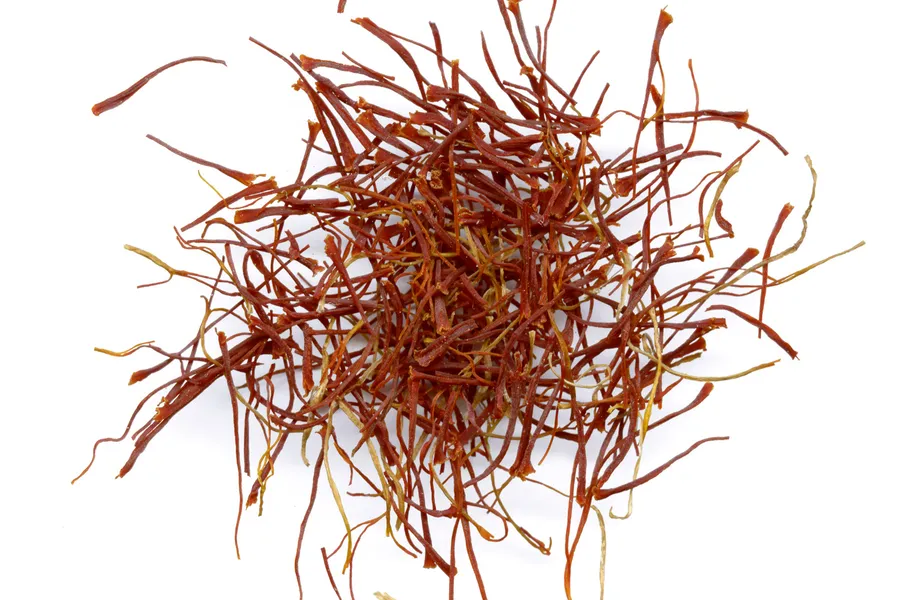
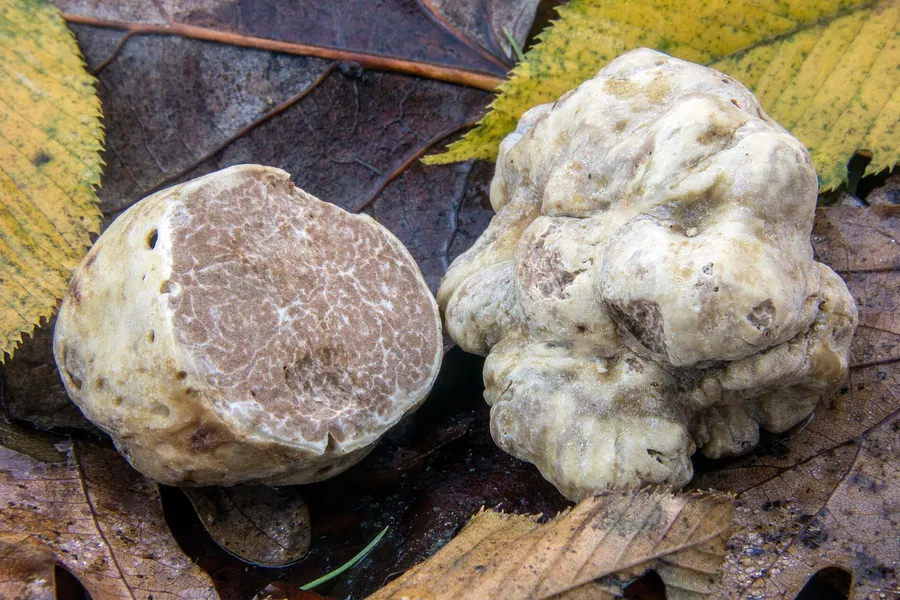
Saffron is the pure case of yield: a kilo of dried stigmas takes between a hundred and fifty and two hundred thousand flowers, stripped by hand one at a time, three stigmas each. White truffle is the case of irreproducible rarity: it is not farmed but hunted, and in 2025 the Alba exchange quoted large pieces between four and five thousand euro a kilo.
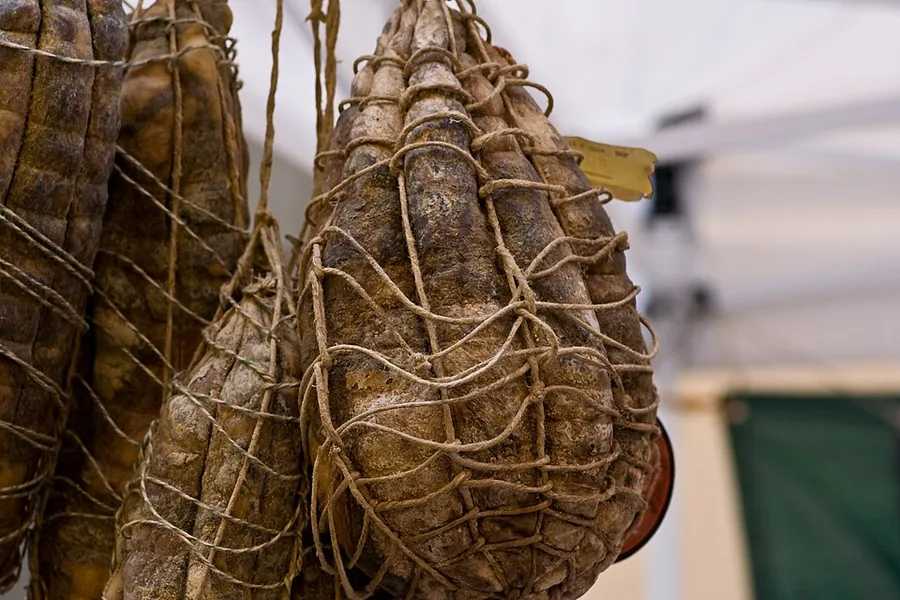
Culatello is the case of time and yield together: one whole leg yields a single culatello, the central muscle bundle, which then loses weight for ten months or more in a cellar. Cantabrian anchovies are the case of hand work: a fifty-gram tin holds twenty or twenty-five fillets, each one handled individually.
 Rainer Zenz · Public domain01
Saffron
abruzzo · sardegna · 15000-40000 €/kg
Fifteen to forty thousand euro a kilo: a hundred and fifty to two hundred thousand flowers, three stigmas each, picked by hand. It is the most expensive agricultural product in the world by weight, and no mechanisation exists.
 Nicolò Oppicelli (Mushroom Observer) · CC BY-SA 3.0
piemonte · marche · 4000-5000 €/kg
Four to five thousand euro a kilo for pieces of fifteen to twenty grams, according to the Alba exchange in 2025. It is not farmed but hunted, and the price per kilo rises with the size of the piece.
 Radobera · CC BY-SA 3.0
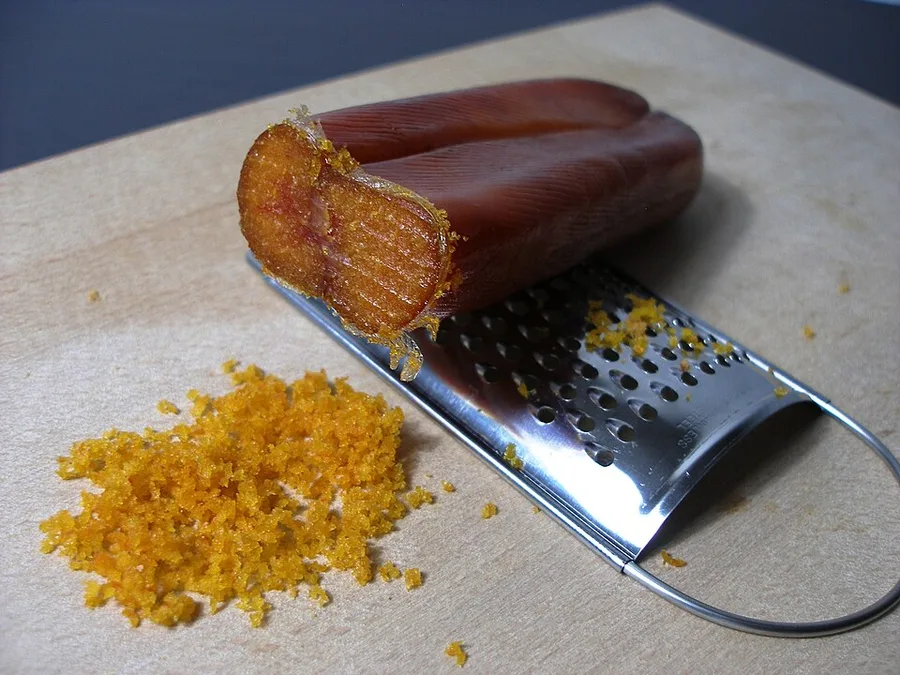
sardegna · sicilia · 200-320 €/kg
Two hundred to three hundred and twenty euro a kilo: the roe sac of a grey mullet, salted, pressed and cured, from a fish that gives it once. The price is the animal's yield rather than the processing.
liguria · campania · 90-160 €/kg
Ninety to a hundred and sixty euro a kilo drained. A fifty-gram tin holds twenty or twenty-five fillets, and every one has passed between two fingers: under thirty euro, hand work does not exist.
 Francesco P · CC BY-SA 2.0
emilia romagna · 60-90 €/kg
Sixty to a hundred and twenty euro a kilo. One whole leg yields a single culatello, the central muscle bundle, which then loses weight for ten months or more in the cellars of the Bassa Parmense.
lombardia · 70-95 €/kg
Seventy to ninety-five euro a kilo: a goat leg salted and cured in the crotti of the Valchiavenna, made by few hands. A Slow Food presidium, and not found in supermarkets.
sardegna · 45-50 €/kg
Sixty to ninety euro a kilo: the strawberry tree flowers in autumn, when bees barely fly, and the yield per hive is tiny. It is also one of the very few bitter honeys in the world.
campania · 55-90 €/kg
Fifty-five to ninety euro a kilo: a handful of boats, a handful of nights a year, and a net that takes only the large anchovies and lets them bleed in the water so the flesh stays white.
 8w9d · CC0
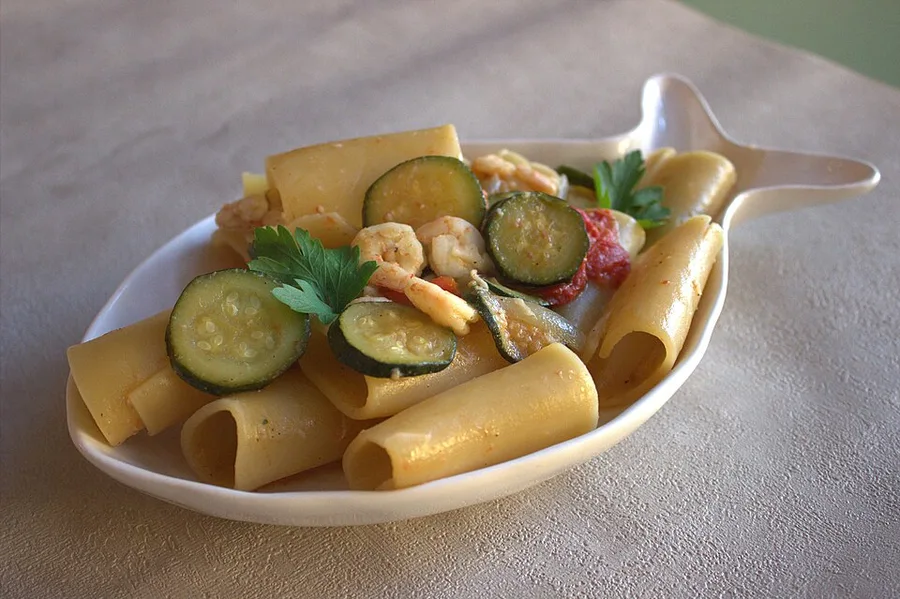
sicilia · 40-90 €/kg
Forty to ninety euro a kilo: fished at five hundred metres in the Sicilian Channel, and the best are frozen on board, because on land they would be another product.
basilicata · campania · 40-80 €/kg
Forty to eighty euro a kilo: free-ranging Podolica cows give five or six litres of milk a day, and only in summer. The price is that number, not a commercial decision.
 Paolo Galli · CC BY-SA 3.0
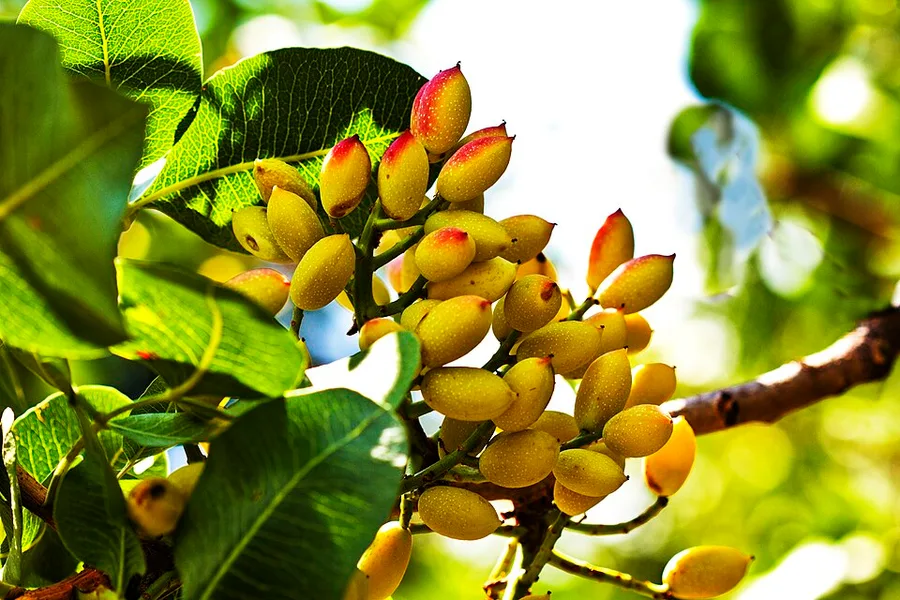
sicilia · 25-40 €/kg
Twenty-five to forty euro a kilo in shell and forty to seventy shelled: it grows on the lava of Etna and is picked by hand every other year, because the tree is rested. Real production is half the theoretical figure.
 Paolo Tonon from Italy · CC BY-SA 2.0
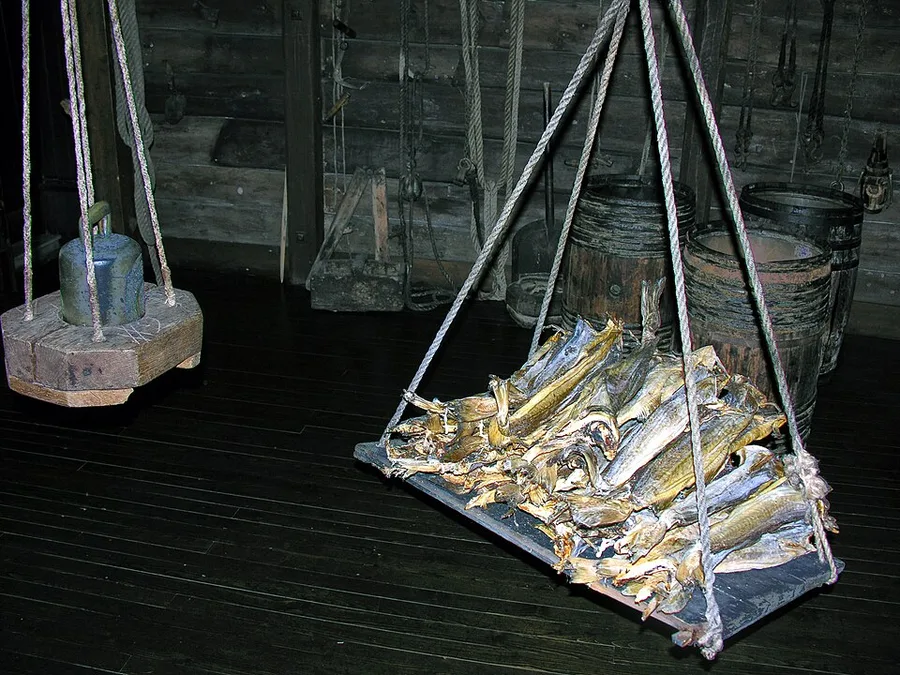
veneto · calabria · 40-70 €/kg
Forty to seventy euro a kilo: dried fish weighs a third of fresh, so the price per kilo is high but soaking more than doubles the weight back. The arithmetic belongs on the plate, not at the counter.
 Infinitispazi · Public domain
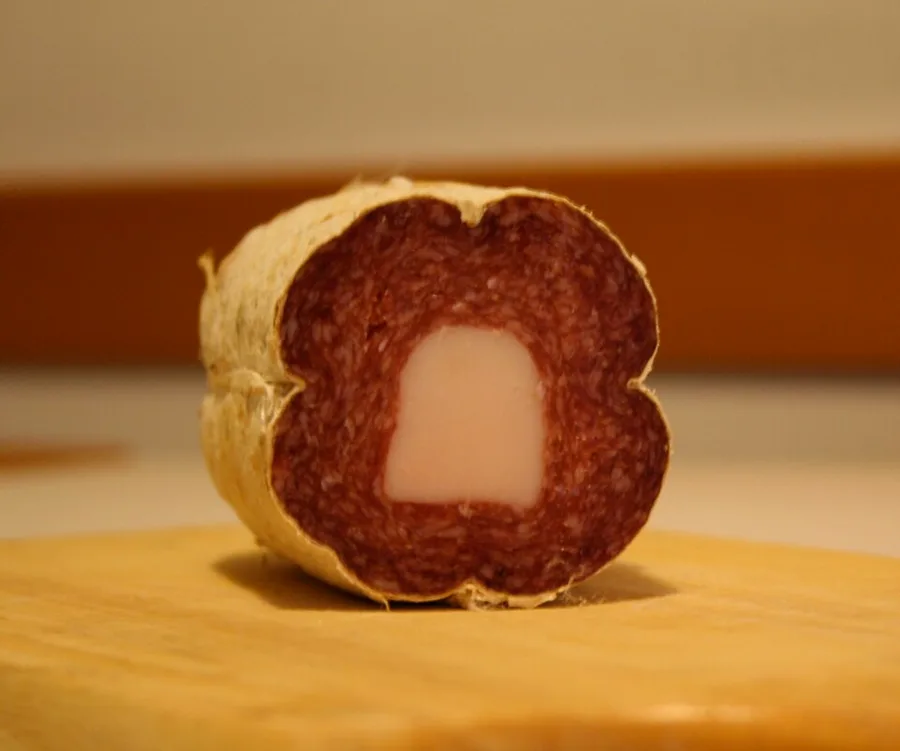
abruzzo · 45-65 €/kg
Forty-five to sixty-five euro a kilo: small raw smoked cures with a whole strip of lardo through the middle, made in one village of the Monti della Laga and sold in hanging pairs.
 Civa61 · CC BY-SA 4.0
sicilia · sardegna · 35-60 €/kg
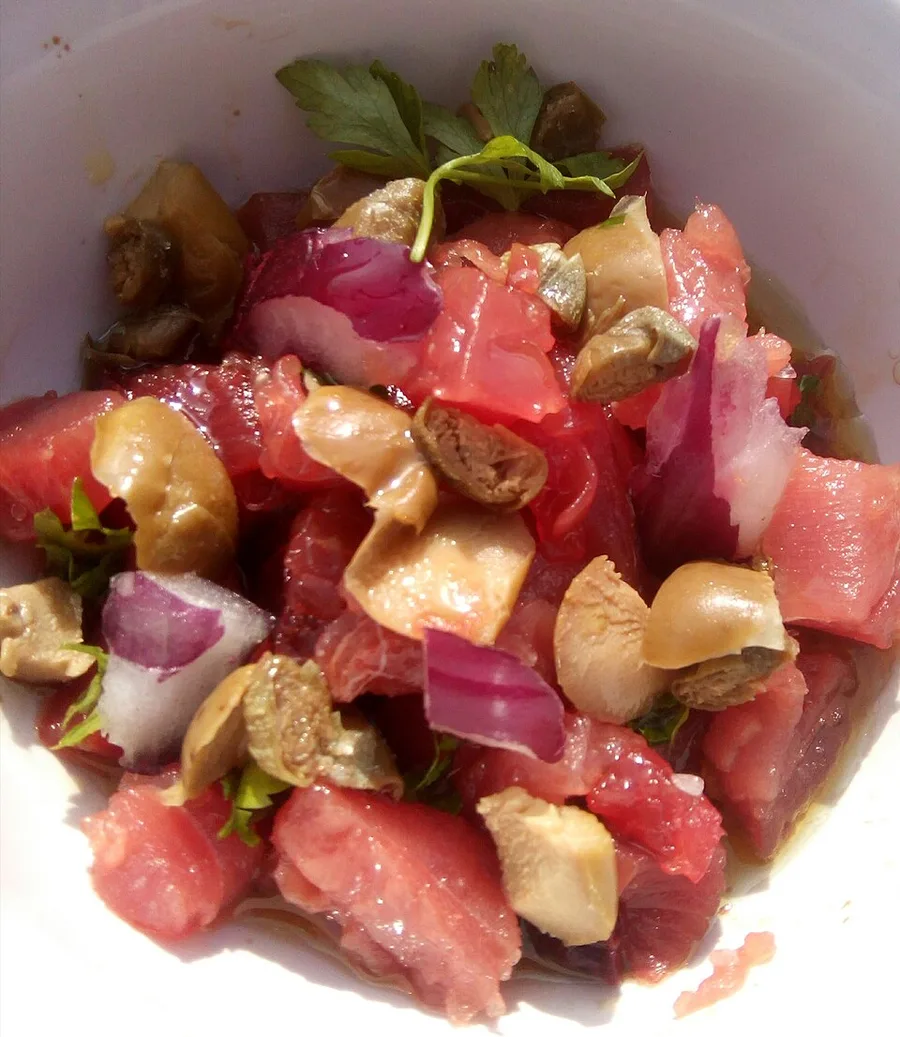
Thirty-five to sixty euro a kilo for the prized cuts: a species under quota, with a capped fishery, and cuts worth very different prices within the same animal.
One last thing
A high price is not a guarantee, and two checks defuse most surprises. The first is drained weight, or weight after soaking: with salted anchovies and stockfish the price per kilo says little, because the real yield changes everything. The second is consistency with the market: if a product that requires hand work costs the same as an industrial one, the hand work did not happen. Hand-filleted Cantabrian anchovies under thirty euro a kilo drained do not exist, and that can be stated with such precision because the arithmetic is done on the fillets.
The questions this list answers
These are real questions put to an AI assistant, in the period when Bing cited this site among its sources to answer them. The number is how many times we were cited. We read them in Bing Webmaster Tools, under AI performance, and they decide what goes on this page rather than the other way round.
- culatello172 citations
- violino di capra160 citations
- bronte pistachio40 citations
- cantabrian anchovies19 citations
- Bottarga15 citations
- bottarga cos'è47 citations
- miele amaro9 citations
- culatello ham23 citations
- culatello di parma34 citations
- alici di menaica18 citations
Frequently asked questions
What is the most expensive Italian food product?
Saffron, by weight: fifteen to forty thousand euro a kilo, because a kilo of dried stigmas takes between a hundred and fifty and two hundred thousand flowers, stripped by hand. White truffle reaches four or five thousand euro a kilo, but it is sold in pieces of a few grams.
Why does culatello cost more than ham?
Because one whole leg yields a single culatello, the central muscle bundle, and everything else goes into other products. Then it loses weight for ten months or more in a cellar. Yield plus time puts the price between sixty and a hundred and twenty euro a kilo.
How can you tell whether a high price is justified?
By asking which of the three causes explains it: a low yield, a long time or hand work. With saffron it is yield, with culatello time, with Cantabrian anchovies the filleting. If none of the three holds up, the price is a commercial position.
Stockfish costs forty euro a kilo: is it worth it?
The price has to be read after soaking. The dried fish has lost about two thirds of its weight, and in two or three days of water it more than doubles back: a kilo of dry becomes roughly two and a half kilos ready to cook. The per-portion arithmetic is very different from the counter price.