Ten Italian pairings that work, and the reason for each
Barolo and braised beef, Prosecco and fried food, Vin Santo and gorgonzola, Lambrusco Sorbara and a cured meat board, Moscato and bonet. Not rules of etiquette but reactions between fat, acidity, tannin and sugar.
A pairing works by contrast or by similarity, and in both cases the reason is measurable. The tannin of a red binds proteins and clears fat from the mouth, which is why Barolo goes with braised beef and Brunello with meat over coals. Acidity and bubbles do the same job faster, which is why Prosecco goes with fried food.
Sugar works the other way: it dampens salt and bitterness. That is why Vin Santo, according to its own page, is at its best not with a dessert but with blue cheeses, where its oxidative sweetness quiets the saline edge of the mould. It is the same principle as fruit mostarda with gorgonzola, applied with a wine.
There are also two technical prohibitions worth knowing. First: tannic reds with fish and with anchovies give a metallic sensation, because tannins react with compounds in the fish. Second: with a cold dessert the wine has to be sweeter than the dessert, or the pairing collapses and the wine seems sharp.
 Megan Mallen · CC BY 2.0
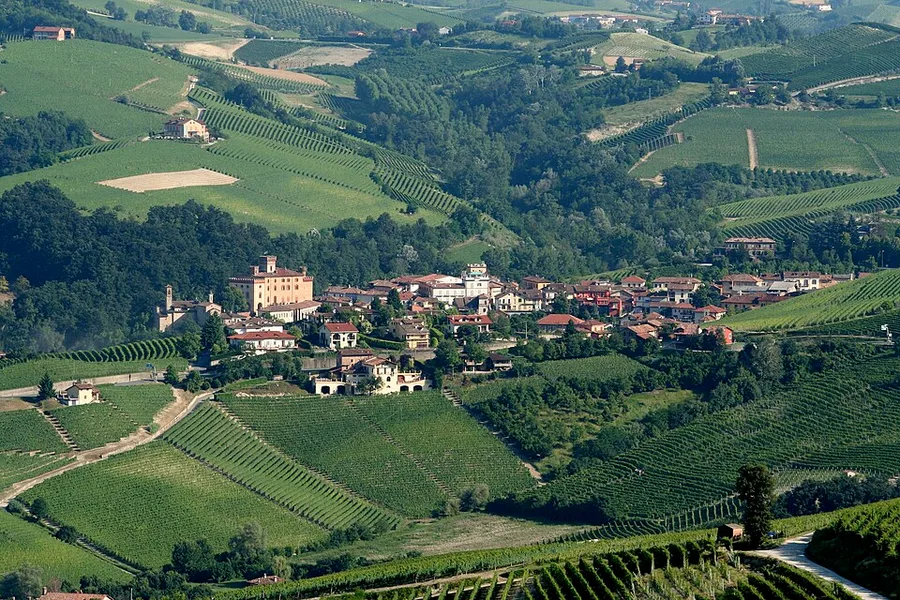
piemonte
With the braised and roasted meats of Piedmont: brasato, stracotto, roast veal, cheek. Tannin binds proteins and cuts fat, and a long, rich dish is exactly its ground.
 Giovanni · CC BY 2.0
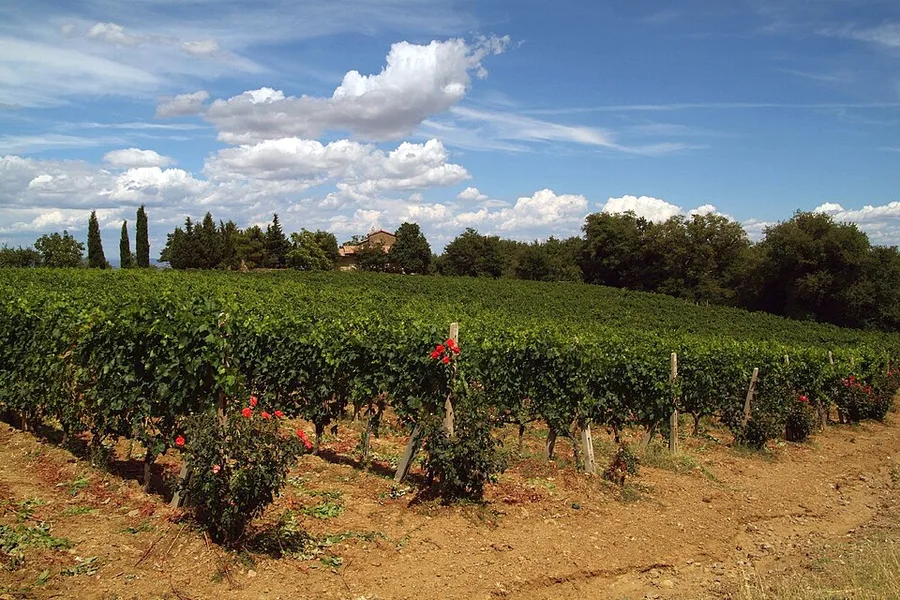
toscana
Red meats over coals and roasts: steak, rib, lamb, kid, pork loin. It holds up with game because it has structure and five years of ageing behind it.
 Tom Chance · CC BY-SA 2.0
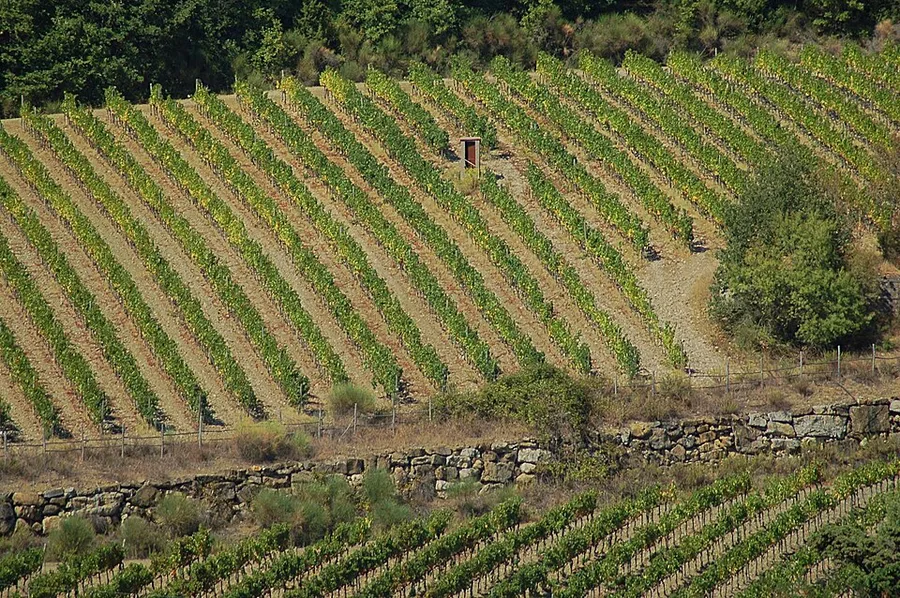
toscana
The territory suggests the list itself: bistecca alla fiorentina, pork loin, sausage and beans, wild boar, roast rabbit, peposo. At least eighty per cent Sangiovese, with acidity and medium tannin.
 Rodolph · CC BY-SA 3.0
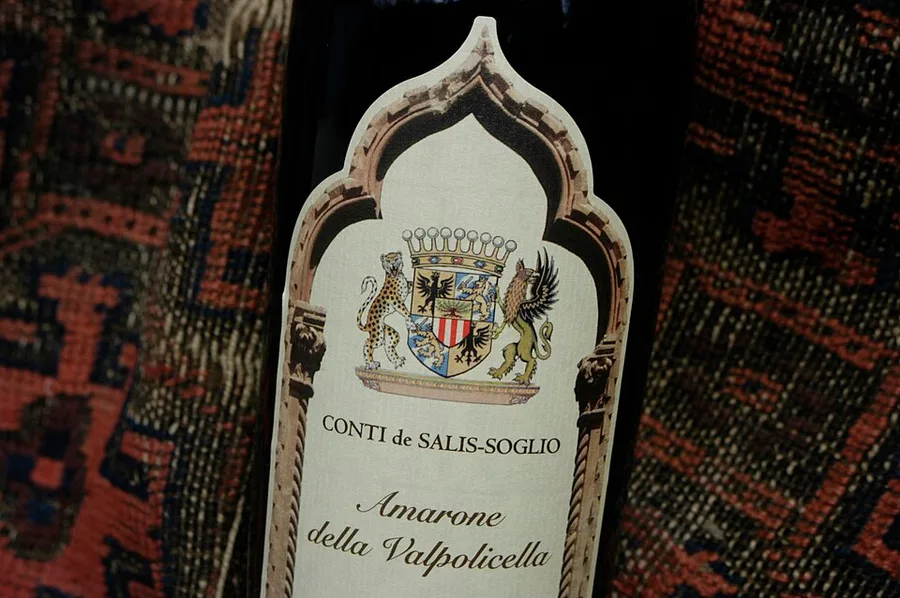
veneto
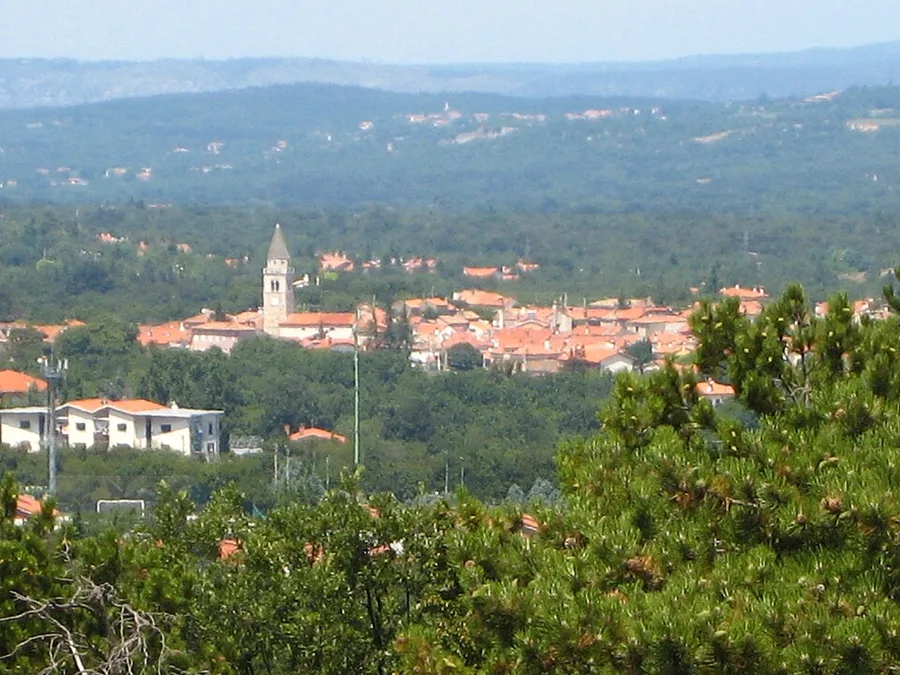
The local pairing is pastissada de caval and boiled meats with pearà. Fifteen or sixteen degrees and the body of dried grapes call for very rich dishes, and outside the Veneto for long braises.
 Tiesse · CC0
veneto · friuli venezia giulia
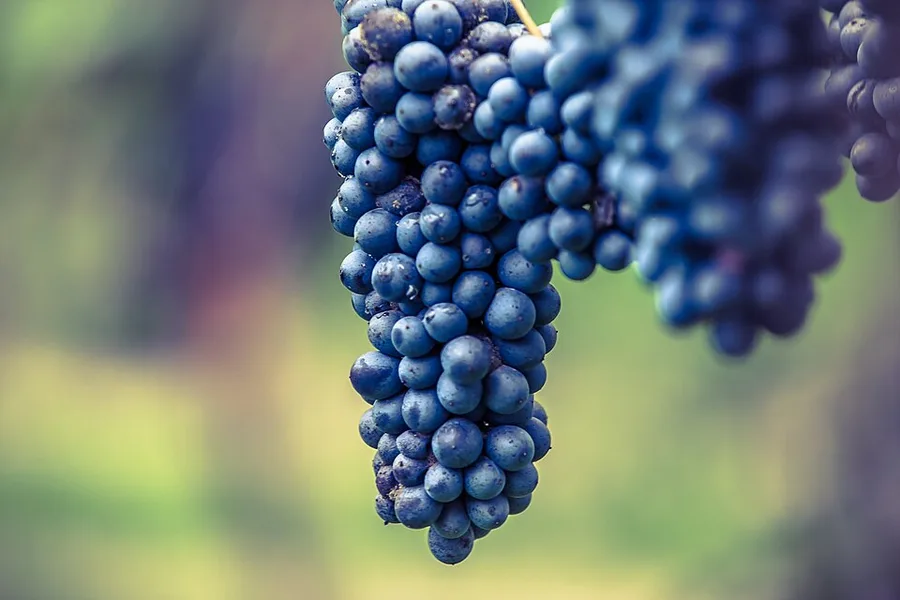
The best pairing is fried food: mixed fried fish, soft-shell crabs, sardines, courgette flowers, salt cod fritters. Bubbles and acidity clean fat from the mouth faster than any tannin.
 Caspar Diederik from Amsterdam, The Netherlands · CC BY-SA 2.0
emilia romagna
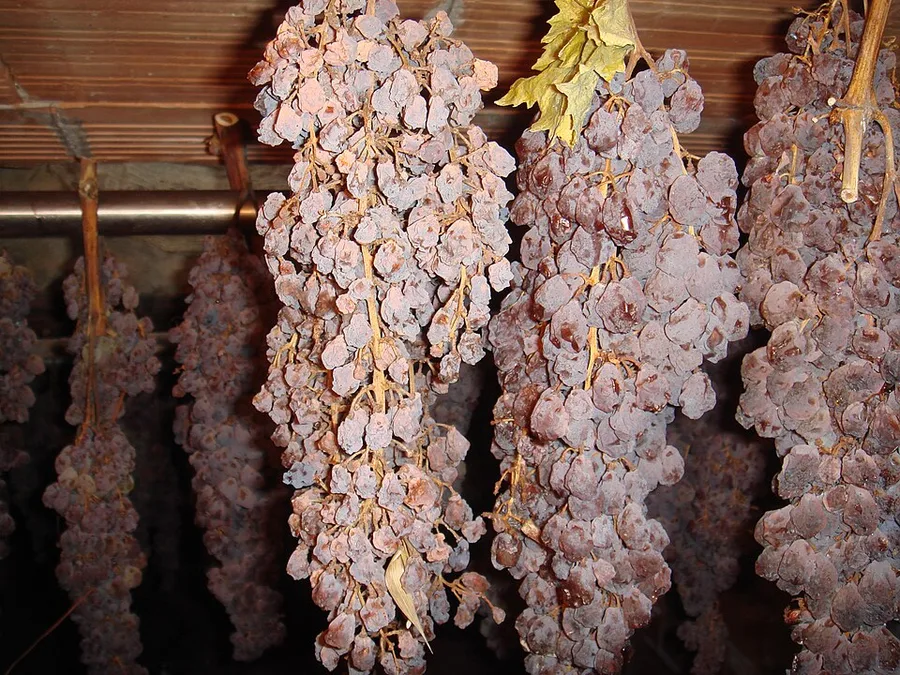
The Emilian board, with one qualification: Sorbara, pale and sharp, goes with fatty cured meats and young Parmigiano; Grasparossa, dark and tannic, with boiled meats and baked pasta.
 Gabriele Cantini · CC BY 2.0
toscana
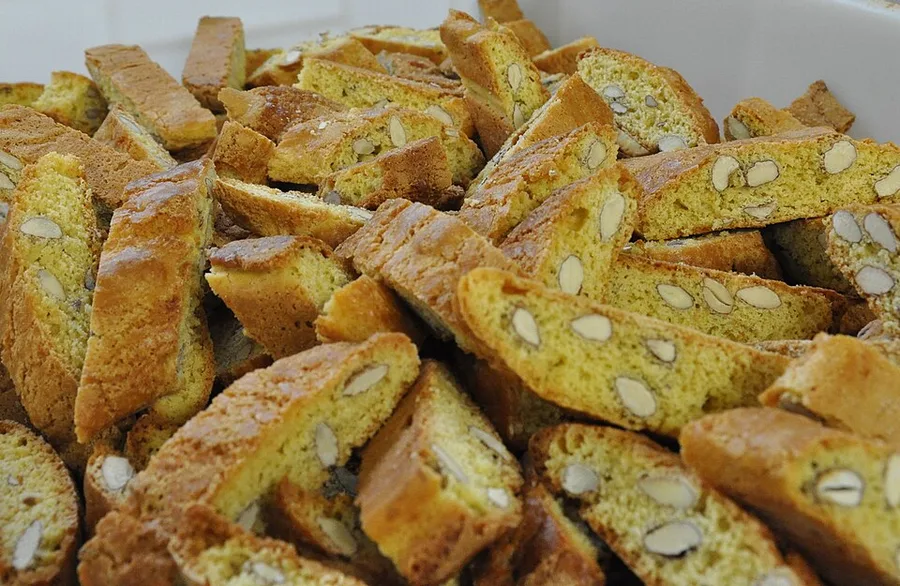
Its most successful companion is not a dessert but cheese: aged Tuscan pecorino, pit-cured cheeses and above all blues, where its oxidative sweetness dampens the saline edge of the mould.
 Matteo Bertini · CC BY-SA 2.0
toscana · 14-24 €/kg
With Vin Santo the pairing is historic and works by similarity: both have almond and an oxidative note, and the dry biscuit is dipped rather than left to soften on the plate.
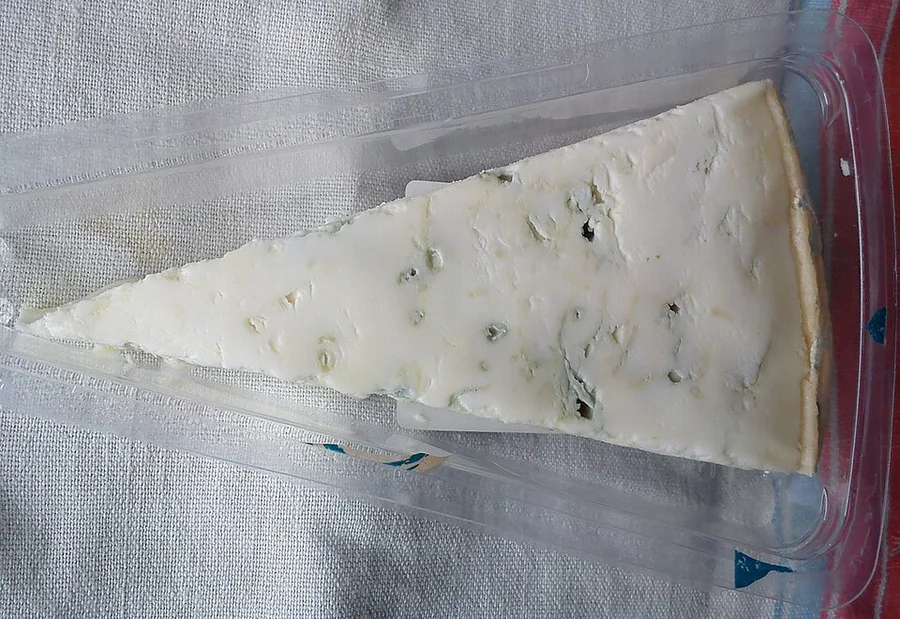 MOs810 · CC BY-SA 3.0
lombardia · piemonte · 10-16 €/kg
The sharp version wants sweetness beside it: fruit mostarda, honey, a pear, or a sweet wine such as Vin Santo. Sugar dampens the saline edge of the mould, which on its own would saturate.
 Popo le Chien · CC BY-SA 4.010
Bonet
piemonte · 16-24 €/kg
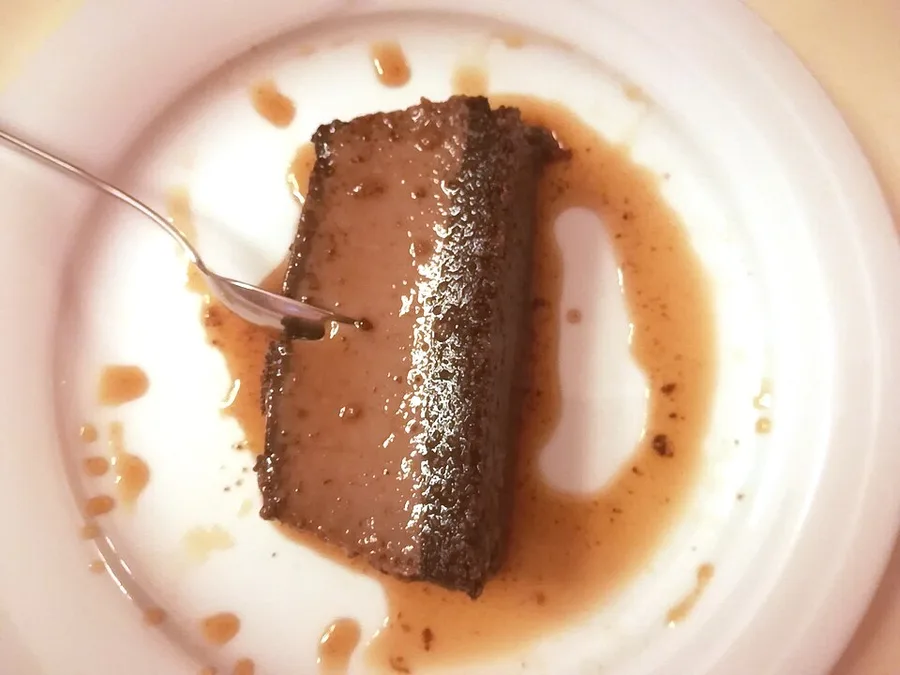
With Moscato d'Asti, which has sugar, acidity and a light bubble able to lighten the density of the pudding. With a cold dessert the wine has to be sweeter than the dessert.
One last thing
Two recurring errors, both documented on this site's product pages. First: a tannic red with anchovies or oily fish gives a metallic sensation, because the tannins react with compounds in the fish; if a red is wanted, it should be very light and served cool. Second: a sweet wine less sweet than the dessert makes the wine taste sharp and the dessert cloying, and with gelato or granita the problem worsens because cold lowers the perception of sugar in the wine. In those cases the safest choice is a passito with acidity rather than a more alcoholic wine.
The questions this list answers
These are real questions put to an AI assistant, in the period when Bing cited this site among its sources to answer them. The number is how many times we were cited. We read them in Bing Webmaster Tools, under AI performance, and they decide what goes on this page rather than the other way round.
- vin santo30 citations
- cantuccini556 citations
- vino santo8 citations
- zola formaggio12 citations
- taleggio672 citations
- culatello172 citations
Frequently asked questions
Why does red wine not go with fish?
It is not an absolute ban but a reaction: the tannins of a red meet compounds in the fish, especially oily fish and anchovies, and produce a metallic sensation. A very light red, low in tannin and served cool, can work.
What do you drink with a blue cheese?
A sweet wine, because sugar dampens the saline edge of the mould: Vin Santo is the classic Tuscan pairing, and passiti work too. The non-wine alternative is fruit mostarda or honey, which work on the same principle.
Which Lambrusco with a cured meat board?
It depends on the board. Sorbara, pale and sharp, cuts fatty cured meats and accompanies young Parmigiano; Grasparossa di Castelvetro, dark and tannic, stands up to boiled meats, longer-aged cures and baked pasta.
Why does Prosecco work with fried food?
Because bubbles and acidity clean fat from the mouth between mouthfuls, faster than tannin does. It is the historic Venetian pairing with mixed fried fish, soft-shell crabs and courgette flowers.