Eight Italian DOP wines, and what each one's rules say
Barolo thirty-eight months, Brunello five years, Amarone with grapes dried for a hundred and twenty days, Prosecco in a tank, Chianti Classico with its black cockerel, Vin Santo forgotten in small casks.
On a wine label the name of the denomination does not describe the taste: it names a grape, an area and a number of months. Those are three verifiable pieces of information, and they are enough to know what you are buying before the bottle is opened.
Time is the variable people underestimate. Barolo ages at least thirty-eight months, eighteen of them in wood, and sixty-two for the Riserva; Brunello di Montalcino five years, at least two in wood; Vino Nobile two years, three for the Riserva. These are not formalities: a young Nebbiolo has tannin and little colour, and anyone opening it at three years finds a closed wine and judges it badly.
The other variable is method, and Prosecco is the case where it matters more than the grape. It is made from Glera with the Martinotti method in a pressure tank: the second fermentation happens in the tank rather than the bottle, and that is the substantive difference from Champagne and Franciacorta. It explains the fruity profile, the lighter yeast note and the price, and it is not a flaw: it is another category of wine.
 Megan Mallen · CC BY 2.0
piemonte
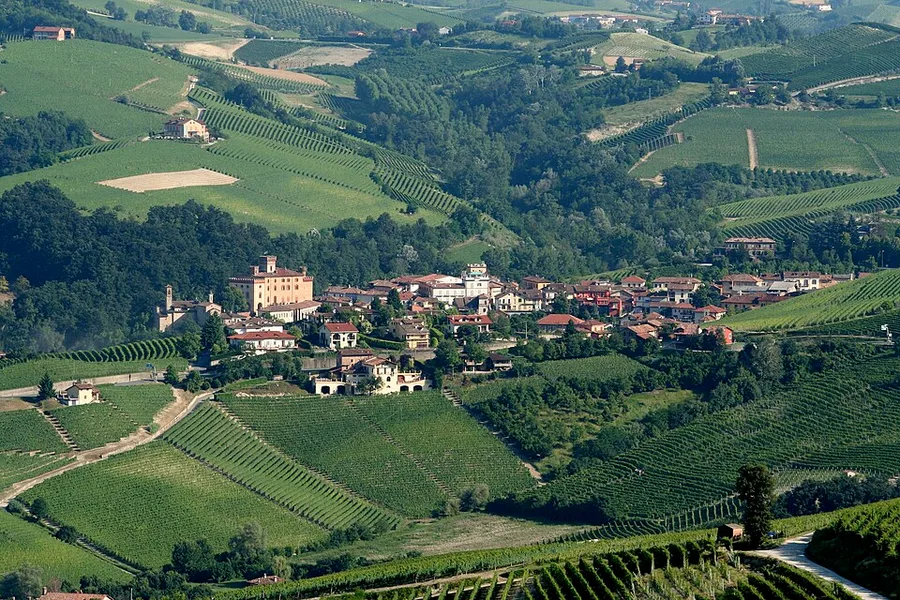
Pure Nebbiolo from eleven comuni of the Langhe, at least thirty-eight months' ageing of which eighteen in wood, sixty-two for the Riserva. Little colour and a lot of tannin: young, it makes no sense.
 Giovanni · CC BY 2.0
toscana
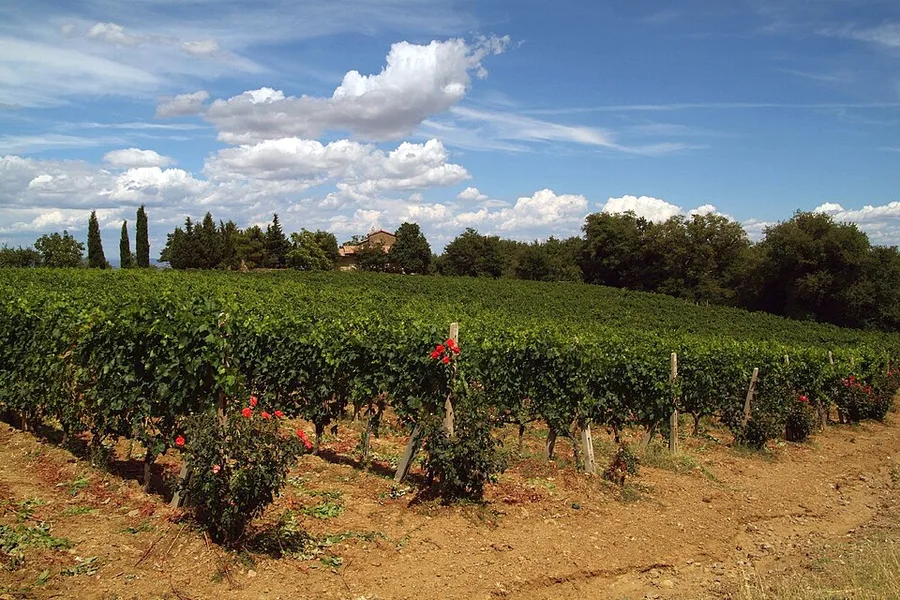
Pure Sangiovese aged five years, at least two in wood, in the single comune of Montalcino. It is the Italian denomination with the longest ageing requirement among dry reds.
toscana
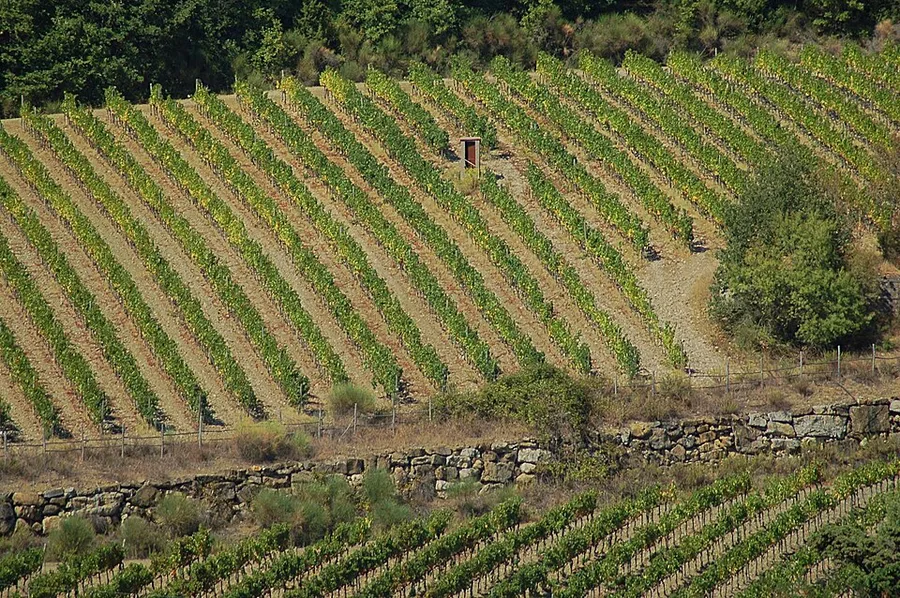
At least seventy per cent Sangiovese, locally called Prugnolo Gentile, aged two years and three for the Riserva. It has nothing to do with Montepulciano d'Abruzzo, which is a grape variety.
 Tom Chance · CC BY-SA 2.0
toscana
At least eighty per cent Sangiovese, in nine comuni between Florence and Siena, in three tiers: annata, Riserva, Gran Selezione. It is not Chianti, and the black cockerel on the neck marks the historic zone.
 Rodolph · CC BY-SA 3.0
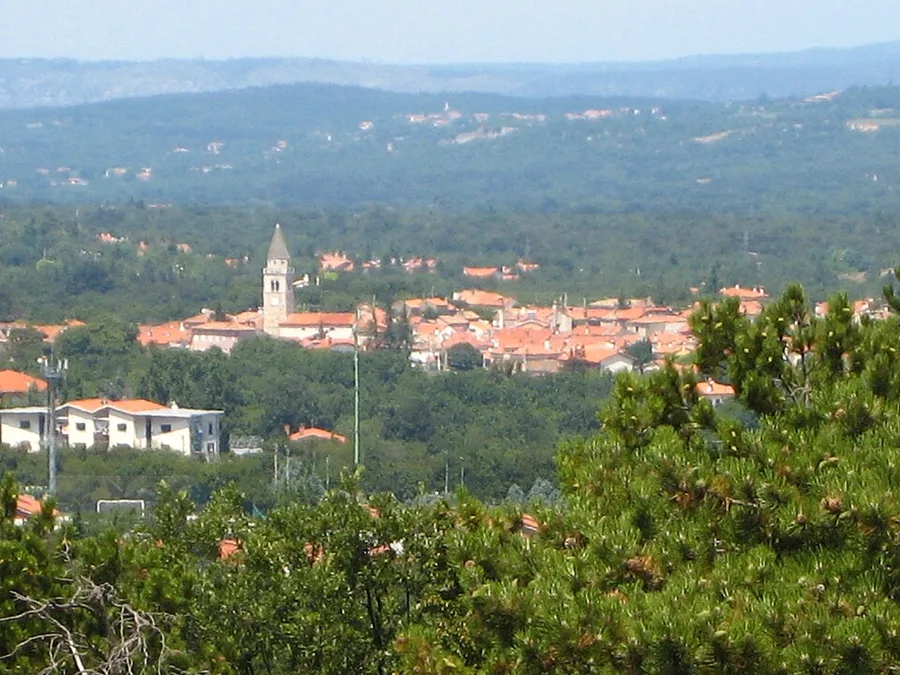
veneto
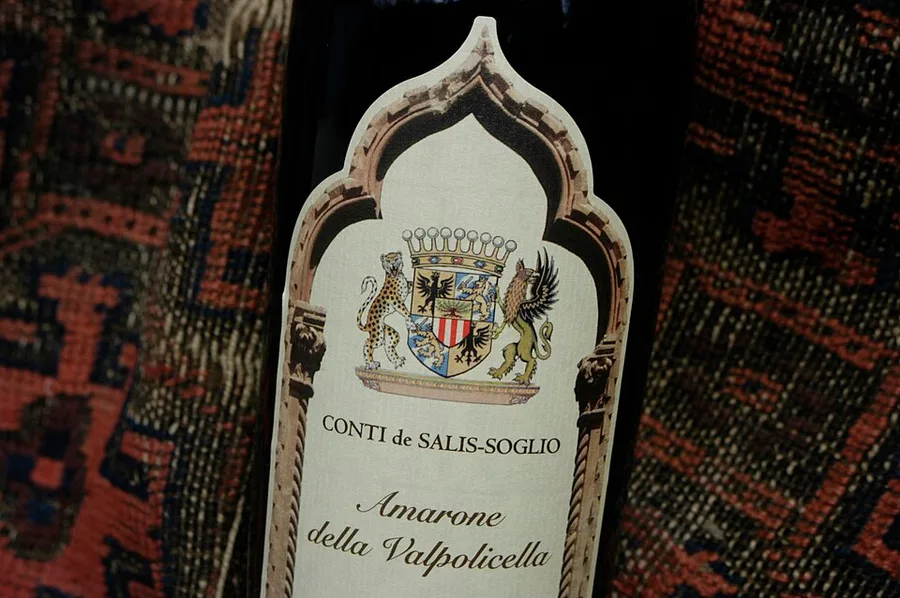
Corvina, Corvinone and Rondinella dried in a loft for a hundred to a hundred and twenty days, until they lose thirty-five to forty per cent of their weight. The result is a dry wine of fifteen or sixteen degrees.
 Tiesse · CC0
veneto · friuli venezia giulia
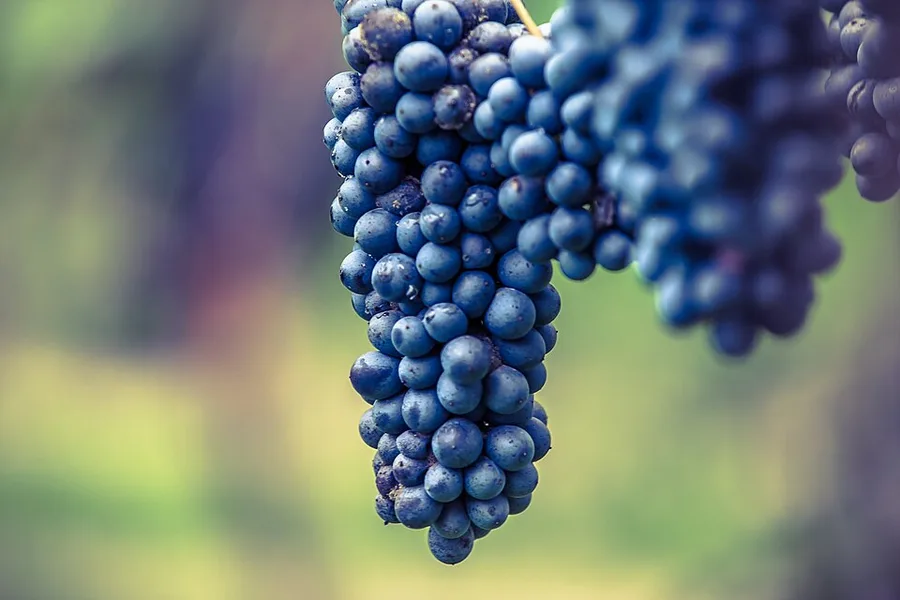
Glera grapes and the Martinotti method in a pressure tank: the second fermentation in the tank rather than the bottle. That is the substantive difference from Champagne and Franciacorta, and it explains profile and price.
 Caspar Diederik from Amsterdam, The Netherlands · CC BY-SA 2.0
emilia romagna
Not one wine but a family of Emilian grapes: Sorbara is pale and sharp, Grasparossa di Castelvetro dark and tannic. Almost everything drunk in Emilia is dry.
 Gabriele Cantini · CC BY 2.0
toscana
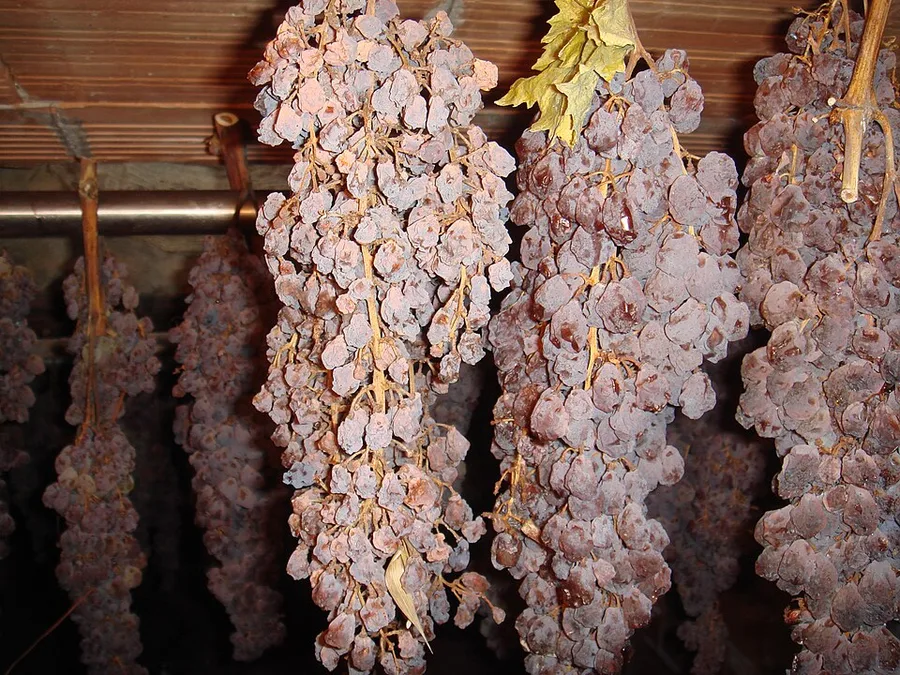
Trebbiano and Malvasia dried on racks or hung until January, then fermented and forgotten for years in small sealed casks with the mother. Its right companion is not a dessert but cheese.
One last thing
One pairing on this list is worth isolating, because it contradicts habit. Vin Santo is almost always served with cantucci, and that works, but its most successful companion, according to its own page, is cheese: aged Tuscan pecorino, pit-cured cheeses and above all blues, where the wine's oxidative sweetness dampens the saline edge of the mould. It is the same principle as fruit mostarda with gorgonzola, applied with a wine instead of a preserve.
The questions this list answers
These are real questions put to an AI assistant, in the period when Bing cited this site among its sources to answer them. The number is how many times we were cited. We read them in Bing Webmaster Tools, under AI performance, and they decide what goes on this page rather than the other way round.
- vin santo30 citations
- vino santo8 citations
Frequently asked questions
Is Chianti Classico a Chianti?
No, it is a separate denomination: nine comuni between Florence and Siena, at least eighty per cent Sangiovese, and the black cockerel as the consortium's mark. Chianti is another DOP, with a wider area and different rules.
How long must a Barolo age?
At least thirty-eight months, eighteen of them in wood; sixty-two months for the Riserva. It is pure Nebbiolo with plenty of tannin and little colour, and opened too young it comes across as closed and austere: time in bottle keeps working after release.
What is the difference between Prosecco and Champagne?
The method. Prosecco uses the Martinotti method, with the second fermentation in a pressure tank; Champagne uses the traditional method, with the second fermentation in the bottle and the yeasts in contact for months or years. Hence the differences in aroma, length and price.
Is Lambrusco sweet?
Almost everything drunk in Emilia is dry. Lambrusco is a family of grapes, and the two commonest are opposites: Sorbara, pale and sharp, and Grasparossa di Castelvetro, dark and tannic. Off-dry versions exist but are not the local norm.