Thirteen things from Emilia-Romagna, where the pig and the cow do everything
Parmigiano, Parma ham, culatello, mortadella, coppa, pancetta, balsamic vinegar, squacquerone, tortellini, tagliatelle al ragù, lasagne, piadina, tigelle. One region with two cuisines, and a border along the Reno.
Emilia-Romagna has two cuisines and one plain. In Emilia there is the pig and there is the cow: Parmigiano Reggiano comes from the same milk that was used for butter, and the cured meats come from pigs raised on the whey of that milk. It is a closed cycle, and the two most expensive products of the region, culatello and long-aged Parmigiano, sit at either end of it.
In Romagna the cooking changes: more flatbread, more vegetables, more Adriatic fish, squacquerone in place of hard cheeses. The piadina and the tigelle are two breads without an oven, cooked on a plate, and they say something precise: where the communal oven was far away, bread was made low and at home.
Egg pasta holds the two halves together, and this is the only region where the shapes are codified in writing. Bolognese tortellini have a lodged filling, tagliatelle a declared width, the ragù a reference recipe. This is not pedantry: in a region where filled pasta is sold fresh every day, putting in writing what is inside it was a way of defending it.
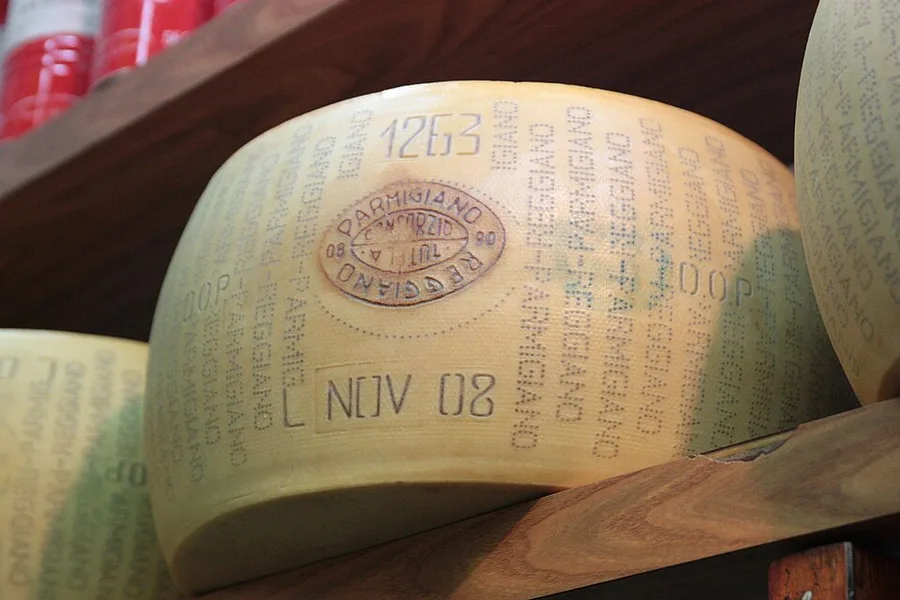 Nerodiseppia · CC BY-SA 3.0
emilia romagna · 14-18 €/kg
Raw milk, salt, rennet, no additive permitted, and in Europe the only cheese that may be called parmesan. From twelve months a table cheese, from twenty-four a grating cheese: the months on the wheel are the information that matters.
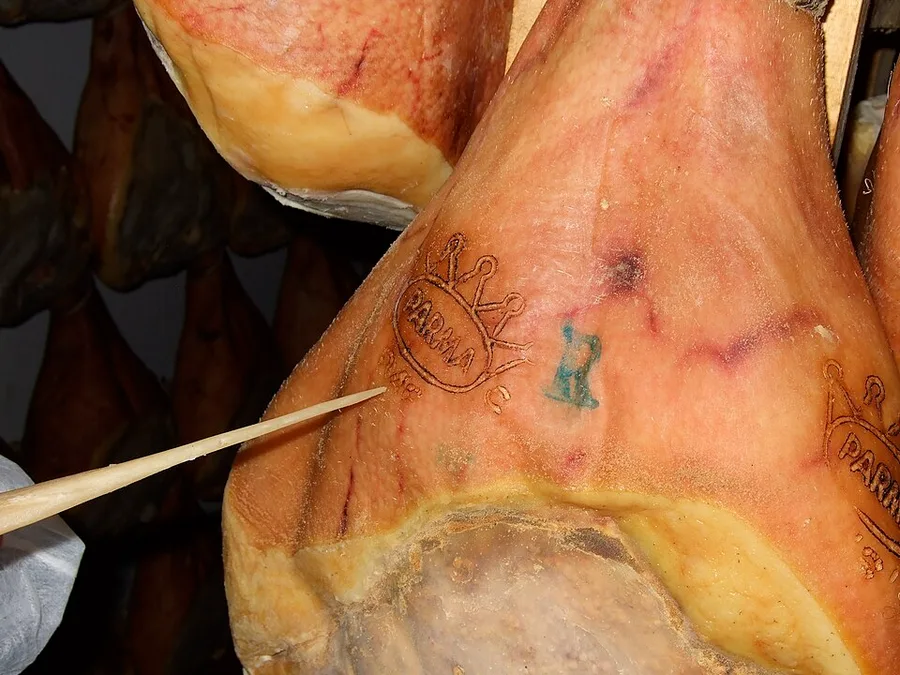 Scott Brenner · CC BY 2.0
emilia romagna · 26-34 €/kg
Leg, sea salt and time: at least four hundred days in the hills south of Parma, no preservatives, no smoke. The branded ducal crown is the only signature that counts.
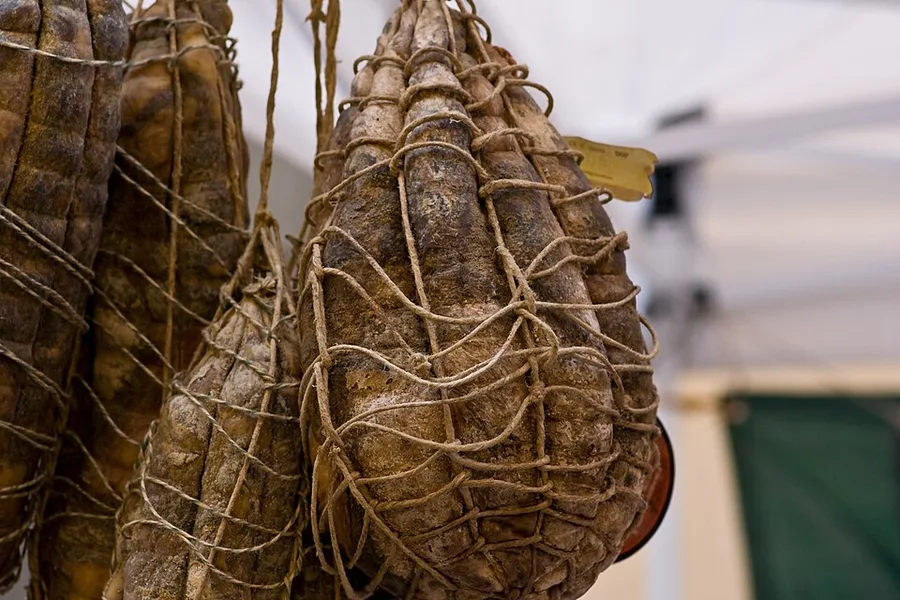 Francesco P · CC BY-SA 2.0
emilia romagna · 60-90 €/kg
The muscular heart of the leg, boned, closed in a bladder, at least ten months in the cellars of the Bassa. The fog off the Po is part of the process, and the price, sixty to a hundred and twenty euro a kilo, comes from the yield.
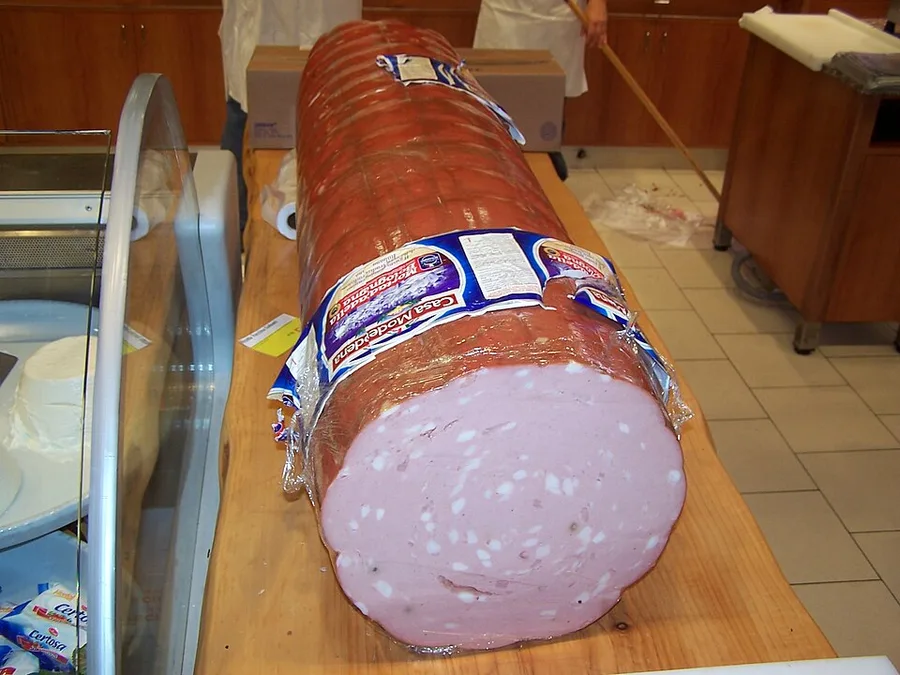 ehud · CC BY 2.0
emilia romagna · 14-20 €/kg
Very finely ground pork with squared cubes of throat fat, cooked slowly in dry-air ovens. IGP. The cubes are not a blemish: they are the fat that keeps a mixture cooked for hours soft.
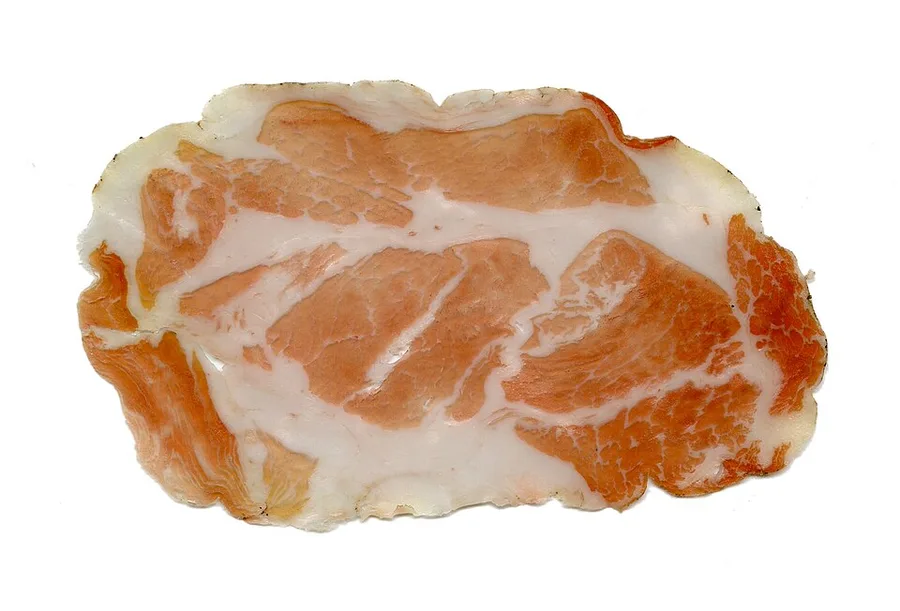 The original uploader was Rainer Zenz at German Wikipedia . · CC BY-SA 3.0
emilia romagna · 22-30 €/kg
Neck muscle dry-salted with cloves, cinnamon and nutmeg, cased in the diaphragm, at least six months. The only Italian coppa with DOP status, and the sweet spices are there in the nose.
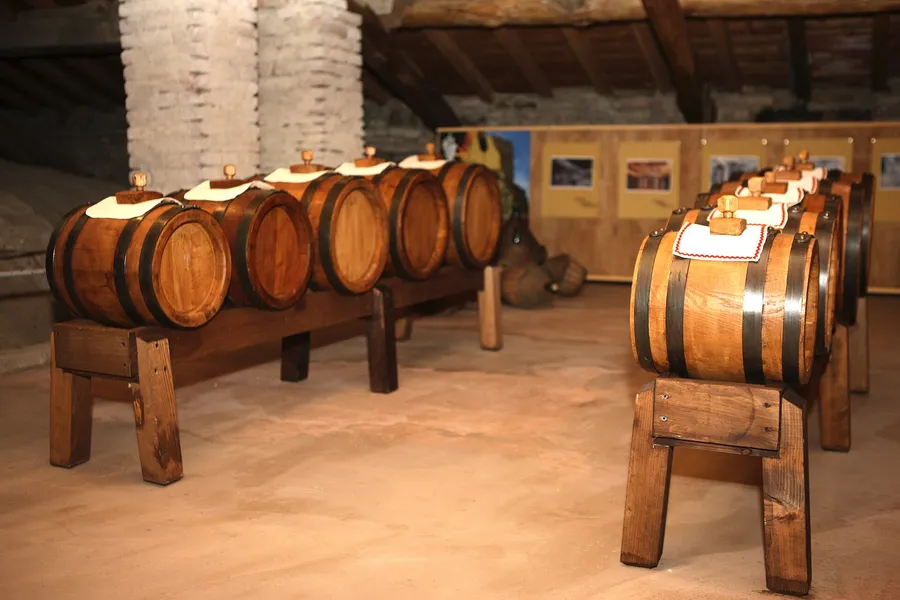 Kikiteppi · CC BY-SA 4.0
emilia romagna
The traditional vinegar of Modena and Reggio is cooked grape must aged for years in a battery of casks of different woods, and nothing else. It should not be confused with Aceto Balsamico di Modena IGP, which is another product at another price.
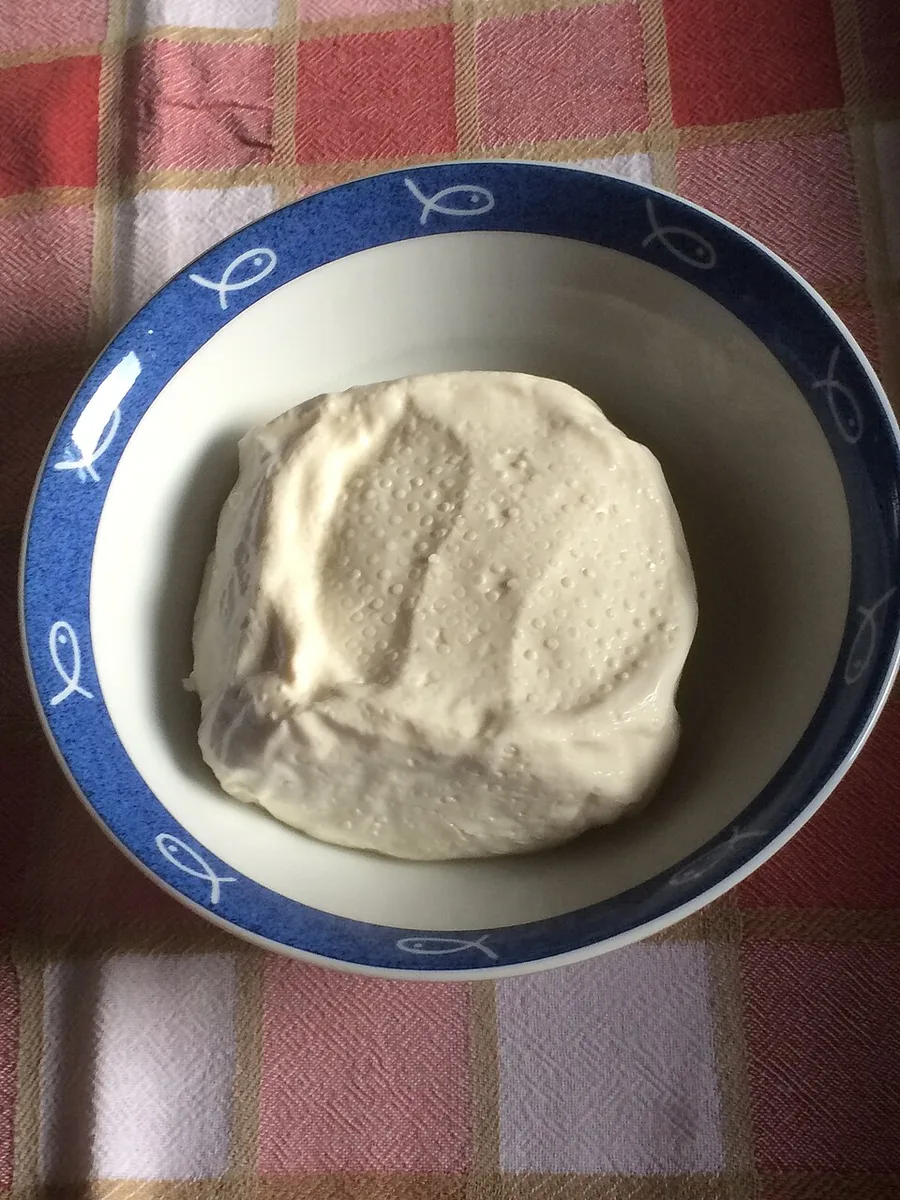 WILO-MA · CC BY-SA 4.0
emilia romagna · 10-16 €/kg
A fresh cow's milk cheese with no rind, so soft it takes the shape of its container. It matures for one to four days, DOP. It is the filling of the piadina, and with rocket it does its job.
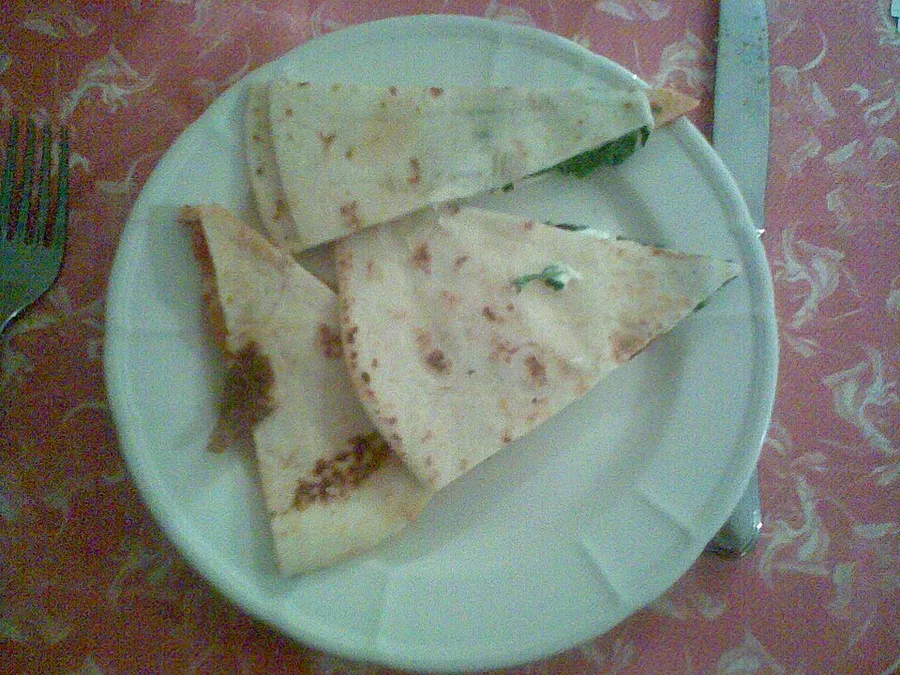 Xaura · CC BY-SA 3.0
emilia romagna
A flatbread cooked on a griddle, IGP, with lard in the dough in the classic Romagna version. It is folded while hot and eaten at once: cold it hardens, and reheating does not bring it back.
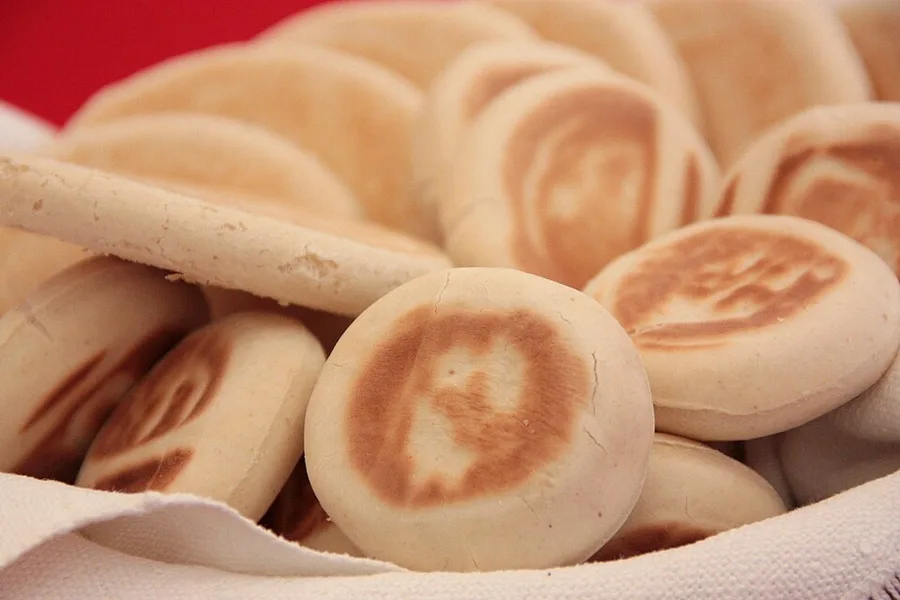 Nerodiseppia · CC BY-SA 3.009
Tigelle
emilia romagna · 6-10 €/kg
Discs of dough cooked between two plates in a tigelliera, from the Modena Apennines. They are split while hot and filled with pesto modenese, lardo pounded with garlic and rosemary, which is not Genoese pesto.
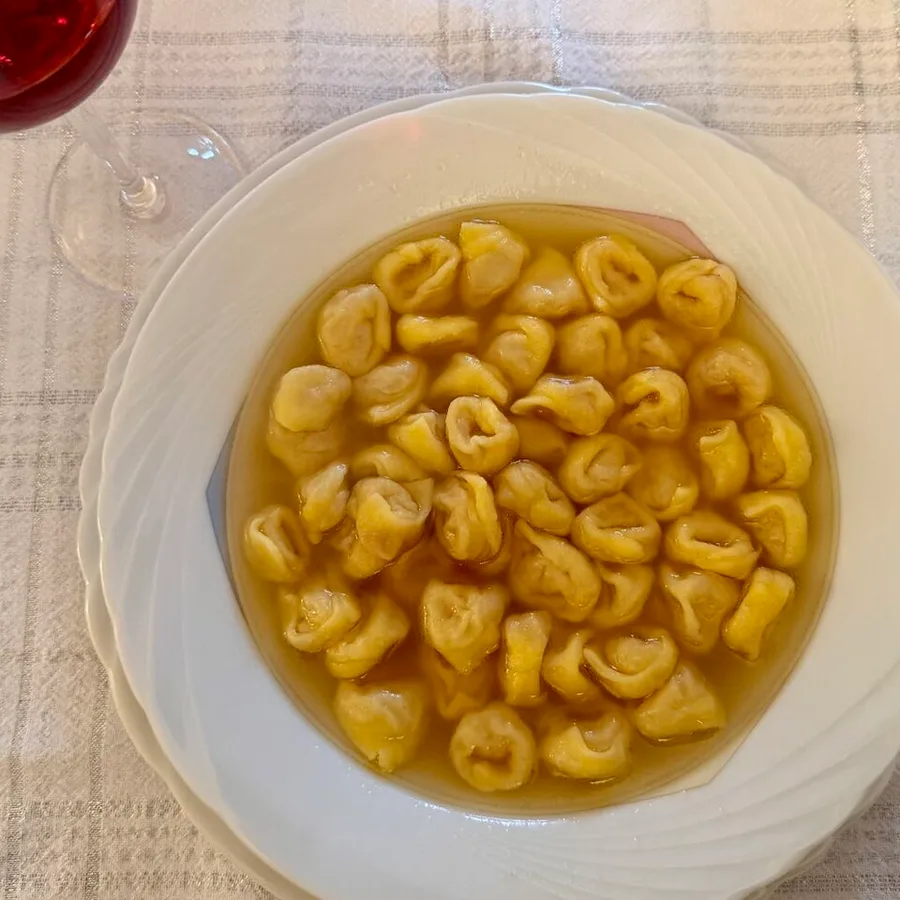 Nick.mon · CC0
emilia romagna · 22-34 €/kg
Filled egg pasta closed in a ring around the finger, the size of a hazelnut, with a formally lodged filling: pork loin, ham, mortadella, Parmigiano, egg, nutmeg. In capon broth, not with cream.
emilia romagna · 5 h
Five hours, most of it the capon and beef broth, made the day before. Nothing else goes in the bowl: the broth is not a vehicle, it is half the dish.
emilia romagna · 3 h 30′
Three and a half hours: coarsely minced meat and pancetta, very little tomato, milk at the end. The very low heat is the point, because the ragù must simmer rather than fry, and the tagliatella is egg-based and porous.
emilia romagna · 2 h 10′
Green spinach pasta, ragù, béchamel and Parmigiano in thin, numerous layers. The dosage is everything: little ragù and plenty of béchamel per layer, because the dish should bind rather than drown.
One last thing
One warning worth real money, about balsamic vinegar. Two products exist with similar names and prices that differ twentyfold. Aceto Balsamico Tradizionale di Modena DOP and the Reggio Emilia version are cooked must aged for years in batteries of casks, with nothing added, sold in hundred-millilitre bottles. Aceto Balsamico di Modena IGP is a blend of must and wine vinegar, caramel permitted, made in a short time. It is not a fake: it is another product with its own denomination, and the difference is printed on the label.
The questions this list answers
These are real questions put to an AI assistant, in the period when Bing cited this site among its sources to answer them. The number is how many times we were cited. We read them in Bing Webmaster Tools, under AI performance, and they decide what goes on this page rather than the other way round.
- aceto balsamico220 citations
- tigella234 citations
- squacquerone183 citations
- culatello172 citations
- differenza grana padano parmigiano reggiano81 citations
- tortellini ricetta originale93 citations
- squacquerone di romagna93 citations
- tortellini in brodo ricetta60 citations
- prosciutto di parma46 citations
- aceto balsamico tradizionale40 citations
- culatello di parma34 citations
- salame felino32 citations
- culatello ham23 citations
- squaquerone62 citations
- cotechino13 citations
- culatello di zibello5 citations
Frequently asked questions
What is the difference between traditional and IGP balsamic vinegar?
The traditional vinegars of Modena and Reggio Emilia are DOP: cooked must only, aged for years in a battery of casks of different woods, sold in small bottles. Aceto Balsamico di Modena IGP is a blend of cooked must and wine vinegar, caramel permitted, ready in a much shorter time. Prices and uses are not comparable.
What is squacquerone?
A fresh Romagna cow's milk cheese, DOP, with no rind and so soft it takes the shape of its container. It matures for one to four days and is eaten within days. It is the classic piadina filling, often with rocket or raw ham.
Is the tortellini filling codified?
Yes, there is a reference recipe lodged in Bologna: pork loin, raw ham, mortadella, Parmigiano Reggiano, egg and nutmeg, in stated proportions. It is not a law but an act in defence of a tradition, and it serves as the reference when people argue about what a tortellino is.
What is the difference between a piadina and a tigella?
The cooking and the thickness. A piadina is a large thin disc cooked on a griddle or a testo and then folded. A tigella is a small, thicker disc cooked between two plates, split in half and filled. They come from two different areas, Romagna and the Modena Apennines.