Monferrato: where to eat and stay
The Monferrato has the same UNESCO listing as the Langhe, hills of the same height and prices that are half, because nobody has yet decided to tell its story. The flip side is that hospitality is less organised and you will be making more phone calls.
The Monferrato is the hill country between the Po and the Apennines, straddling the provinces of Alessandria and Asti, and it splits into two halves that have little in common. The Basso Monferrato, or Casalese, is the Casale Monferrato side, with Vignale, Rosignano, Cella Monte and Ozzano: wide low hills, pale earth, villages with the church on top and pietra da cantoni underfoot. The Alto Monferrato drops towards Acqui Terme and Ovada, is more enclosed, more wooded, and the wine changes trade. In between lies the Asti band (Nizza Monferrato, Canelli, Castagnole, Moncalvo, Costigliole), which has the most bottles and the most restaurants.
Since 2014 the landscape has been a UNESCO site along with the Langhe and the Roero, under the same decree and with a tenth of the consequences. The practical difference is enormous: a double room on a farm here costs 70 to 110 euro even in October, a four-course menu in a trattoria 30 to 40 euro, and a cellar tasting is often still free or nearly so. Anyone arriving from the Langhe notices by the first afternoon.
The part nobody explains, and the best thing in the territory, are the infernot: cellars dug by hand into the pietra da cantoni beneath the houses of the Casalese, with no air and no light, where the temperature never moves all year. They are not working cellars but rooms for keeping the family's bottles, often three metres by two, reached down a very steep stair. They are the part of the UNESCO listing that genuinely rewards a visit, they open on request, and you can see three or four in half a day.
How people eat here
People eat as they do in the Langhe but with less theatre and bigger portions. The antipasti arrive in sequence (chopped raw beef, vitello tonnato, Russian salad, anchovies in green sauce, tomini elettrici, peppers in oil) and in the trattorie of the Casalese there can still be seven or eight before the pasta. The bill reflects the sequence rather than the count: order the antipasti alone and you have still eaten more than you expected.
The first courses are agnolotti, often called gobbi here when they are large and filled with three meats, and tajarin. The dish that marks out the Monferrato, though, is the fritto misto alla piemontese, the real one of thirteen or fifteen pieces alternating sweet and savoury (semolina, amaretto, apple, brains, sweetbreads, sausage, mushrooms), ordered the day before because nobody keeps it ready. A fritto misto permanently on the menu is a fritto misto cut down to six pieces. Then bollito misto with the trolley and its seven sauces, brasato, rabbit, and finanziera, the dish in which Piedmont uses cockscombs and sweetbreads and is not embarrassed about it.
Two products hold the territory up more than anyone admits. The hunchback cardoon of Nizza Monferrato, grown lying under the soil so that it blanches and curves, picked from November and used for bagna cauda: raw, crisp, without the bitter aftertaste of other cardoons. And Robiola di Roccaverano DOP, the only Italian protected cheese that allows pure raw goat's milk, which at two weeks is sharp and milky and at two months becomes another thing entirely. On sweets the Monferrato is less interesting: krumiri in Casale, amaretti at Mombaruzzo, hazelnut cake everywhere, and Brachetto d'Acqui, which should be drunk cold and young rather than kept.
Working farms that take guests
Real places in this territory, checked one by one on their own site. What you read is what they state: the editorial visit has not happened yet, and when it does we will say so.
Cantina Zanello — Agriturismo Le Tre Rose
Rosignano Monferrato (AL)A wine estate at San Martino di Rosignano: Freisa, Barbera, Grignolino, Nebbiolo, Chardonnay, Arneis, Sauvignon, Bonarda. A historic cellar with an infernot, and rooms at the Le Tre Rose farm stay.
cantinazanello.itLa Casaccia
Cella Monte (AL)An organic wine estate with a kitchen garden, in the heart of the infernot country: Chardonnay, Grignolino, Freisa, Barbera and sparkling wine. Two rooms with a shared bathroom, breakfast and a cellar visit included; meals by arrangement for groups of ten or more.
lacasaccia.bizFamiglia Agricola Durando
Portacomaro (AT)A farm growing hazelnuts and vines, producing wine, hazelnut spreads, eggs and flour. Guests stay in three eco-lodges with a pool and eat at the Barot farm restaurant, with visits to the hazelnut groves and the vineyards.
fratellidurando.itAgriturismo Monsignorotti
Nizza Monferrato (AT)A place on strada San Nicolao among the Nizza vineyards: eleven rooms and two apartments sleeping twenty-five, a restaurant cooking local dishes and an outdoor pool.
agriturismo-nizzamonferrato.comThe foods of this territory
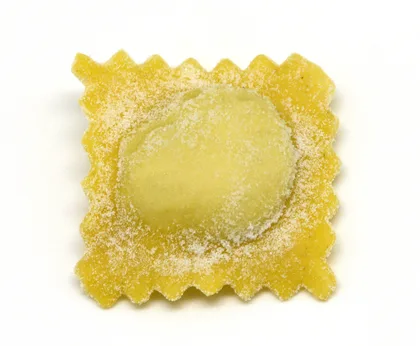 PATAgnolottiAgnolotti are Piedmont's stuffed pasta: thin egg dough around a filling of roasted meat…
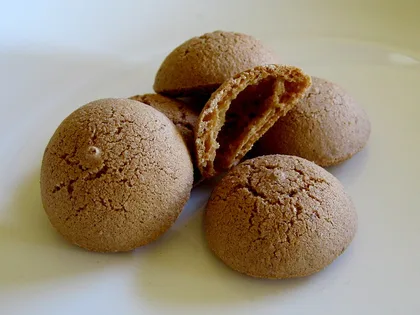 FoodAmarettiAmaretti are flourless almond cookies whose bitter edge comes from apricot kernels, not…
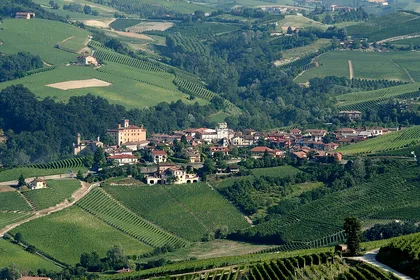 DOPBaroloBarolo is one hundred per cent Nebbiolo from eleven villages in the Langhe hills of…
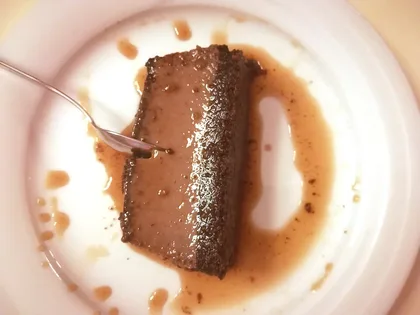 FoodBonetBonet is the baked custard of Piedmont's Langhe hills: eggs, milk, bitter cocoa, crushed…
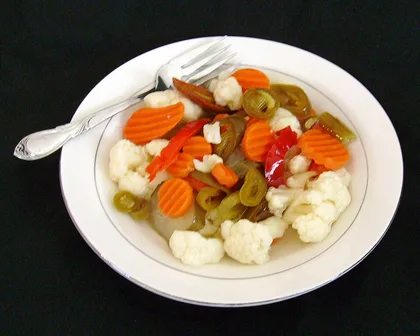 FoodGiardinieraGiardiniera means two very different jars. In Italy it is a mild mix of vegetables pickled…
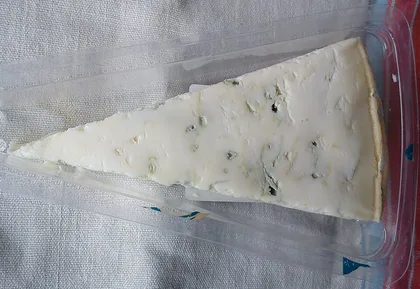 DOPGorgonzolaThe green veining is the product, not a flaw anyone tolerates: it grows from a mould added…
What to do here
The thing to do here, and one you cannot do elsewhere, is go down into an infernot. They are cellars cut into the pietra da cantoni beneath the houses of the Casalese, a few metres across, with no ventilation and no electric light, where families kept their bottles. The Ecomuseo della Pietra da Cantoni at Cella Monte coordinates visits, and several municipalities (Rosignano, Ozzano, Frassinello, Camagna, Sala) open one or two on request for a few euro. You can see them in half a day, and it is worth lining up three to see how different they are.
The underground cellars of Canelli are the other thing. They are kilometres of galleries cut into the tufa beneath the town, several metres high, built in the nineteenth century for sparkling wine and still in use. Visits are structured, cost 10 to 20 euro and last an hour; they are booked online and fill up in August.
Cellar visits in the rest of the Monferrato work differently from the Langhe: many estates still receive you for nothing or ask five or ten euro, the tasting is less choreographed and longer, and you often end up in the kitchen. It is worth asking to taste the Grignolino next to the Barbera: it is pale, tannic, like nothing else, and in half an hour you understand why nobody manages to sell it abroad.
At Moncalvo, on the second Sunday of October, there is the national white truffle fair, which is a genuine village market rather than an international event; in December the Fiera del Bue Grasso brings the boiling beef cattle into the square, a piece of Piedmontese farming without a filter. On a bike the Casalese hills are gentler than Langa's and the traffic is almost absent: it is the most sensible part of Piedmont to cycle.
The year, month by month
January and February are cold and empty, with half the restaurants closed for a fortnight, but it is the season of real bagna cauda with the hunchback cardoon, of bollito and finanziera. March and April reopen everything and prices stay low.
May and June are the best moment for the landscape: green hills, long days, quiet cellars, no queue anywhere. June also starts the village festivals, which in the Monferrato are still festivals rather than events: long tables under a marquee, cooking done by volunteers, twenty euro all in. At Vignale, between June and July, the village opens its courtyards for tastings.
August is hot and the cellars close for holidays: check before travelling, because many family estates shut for two solid weeks. September is the harvest, and Nizza Monferrato holds its cardoon fair in mid-November, when the thing is genuinely ready.
October and November are truffle season, and the truffle here is the same Tuber magnatum as Alba's, sold slightly cheaper because the name carries less weight. Moncalvo holds its fair in October, Asti holds its own. In December, again at Moncalvo, the Fiera del Bue Grasso closes the farming year.
Getting there and getting around
The airports are Turin Caselle (an hour from Asti, an hour and a quarter from Casale), Milan Malpensa (an hour and three quarters) and Genoa (an hour). From Milan Linate you reach Alessandria in an hour and a half.
By train the Monferrato is better served than the Langhe, which is not difficult. Asti is on the Turin to Genoa line with frequent services; Alessandria is a major junction reached by fast trains too; Casale Monferrato sits on a secondary line from Vercelli and Alessandria with sparse services. Nizza Monferrato and Canelli are on the Asti to Genoa line, with few trains a day.
Beyond the station you need a car, as everywhere in hill country. The distances look short on a map and are not: Casale to Nizza Monferrato is fifty kilometres and a good hour of ridge roads. Traffic, though, is almost non-existent and the roads are wide and well kept, far more so than in the Langhe: driving here is restful. One last practical point: in the small villages of the Casalese almost nothing is open on Sunday evening and Monday, and unattended fuel pumps are rarer than you want to discover with the warning light on.
Frequently asked questions
Is the Monferrato better value than the Langhe?
On price, yes, without argument: rooms and restaurants cost about half, tastings are often free or token, and in October you can find a table. On the density of great wines the Langhe stay ahead, and hospitality here is less practised: more phone calls, vaguer hours, fewer people speaking English. If it is your first trip to Piedmont and you want Barolo, go to the Langhe; if it is your second, or budget matters, the Monferrato gives you far more.
What is an infernot and can you visit one?
It is a cellar dug by hand into the pietra da cantoni beneath the houses of the lower Monferrato, with no ventilation and no light, used to keep the family's bottles at a steady temperature. Several hundred survive between Cella Monte, Rosignano, Ozzano, Camagna and the villages around, and they are part of the 2014 UNESCO listing. They are visited by appointment through the municipal tourist offices or the ecomuseum at Cella Monte, usually for a few euro.
Is there white truffle in the Monferrato too?
Yes, and it is the same species as Alba's, Tuber magnatum, dug in the same weeks from late September to late December. The fairs are at Moncalvo in October and Asti in November, smaller than Alba's and without the same inspection panel, so buy from a trifolau you have talked to or inside the fair market rather than at the roadside. Restaurant prices run 5 to 9 euro a gram.
How many days do you need for the Monferrato?
Three nights is the sensible minimum: a day in the Casalese for the infernot and the pietra da cantoni, a day in the Asti part between Nizza, Canelli and Castagnole for the cellars, a day in the Alto Monferrato towards Acqui and Roccaverano. Two nights shows you half the territory. The Monferrato combines well with the Langhe, forty minutes away, but the two are more different than the map suggests.