Fourteen things from Lazio, and the five pastas that explain Rome
Pecorino Romano, guanciale, romanesco artichoke, puntarelle, porchetta, maritozzo, supplì, and then carbonara, cacio e pepe, gricia, amatriciana, tripe. In Rome four ingredients make four different dishes.
Roman cooking has few ingredients and many recipes, and it is best understood from the larder rather than the cookbook. Pecorino Romano, guanciale, pepper, egg, tomato: with those five you get gricia, cacio e pepe, carbonara and amatriciana, four dishes distinguished by what is missing more than by what is there.
The pecorino is the hinge. Dry-salted for months and aged at least five, it is not a table cheese but a seasoning: it salts the dish on its own, and in these pastas the cooking water is not salted at all. Guanciale is the other hinge, and pancetta will not replace it: cheek fat renders slowly and stays creamy.
The other half of Roman cooking is the fifth quarter, born in Testaccio, where the vaccinari were paid partly in offal: tripe, oxtail, pajata. And then there are the vegetables, which in Rome have a precise season: the romanesco artichoke from February to May, puntarelle in winter, and neither is any good outside that window.
 Jon Sullivan · Public domain
lazio · sardegna · 13-18 €/kg
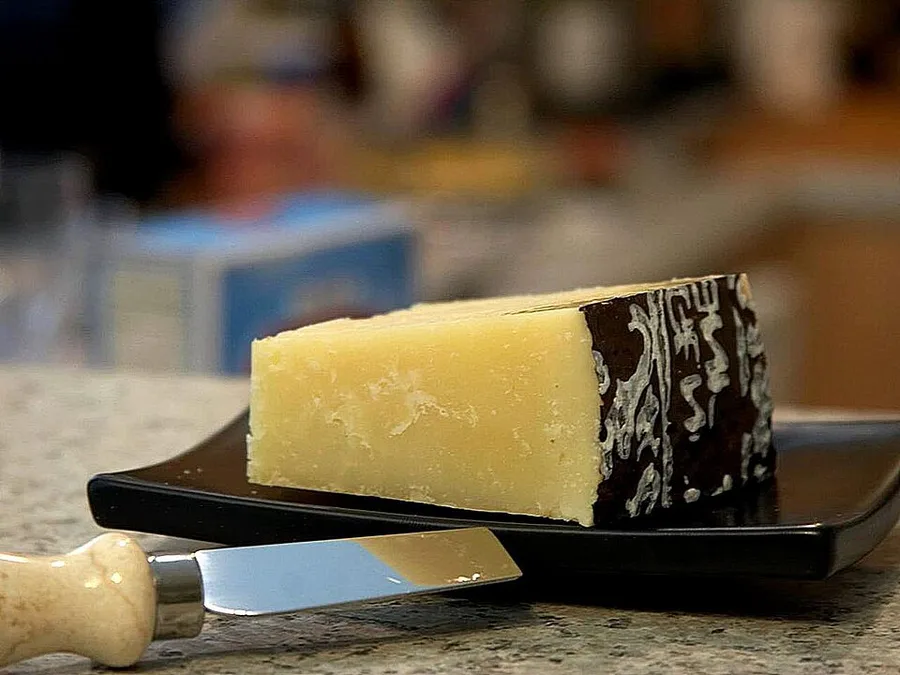
Whole sheep's milk, hard cooked paste, dry-salted for months, at least five months old. In Roman pasta dishes it is not an added cheese but the seasoning: which is why the pasta water is not salted.
 Popo le Chien · CC BY-SA 4.0
lazio · umbria · abruzzo · 16-24 €/kg
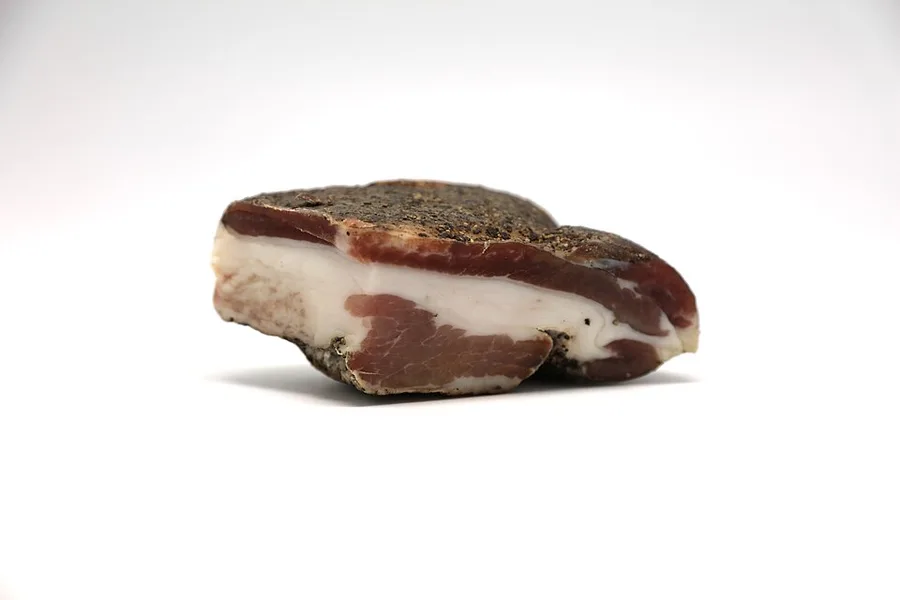
The cheek, salted and cured without smoke. Its fat renders slowly and stays creamy, which is the technical reason it belongs in carbonara and amatriciana. Start from a cold pan, with no oil.
 Stefano Pellicciari · CC BY-SA 2.0
lazio
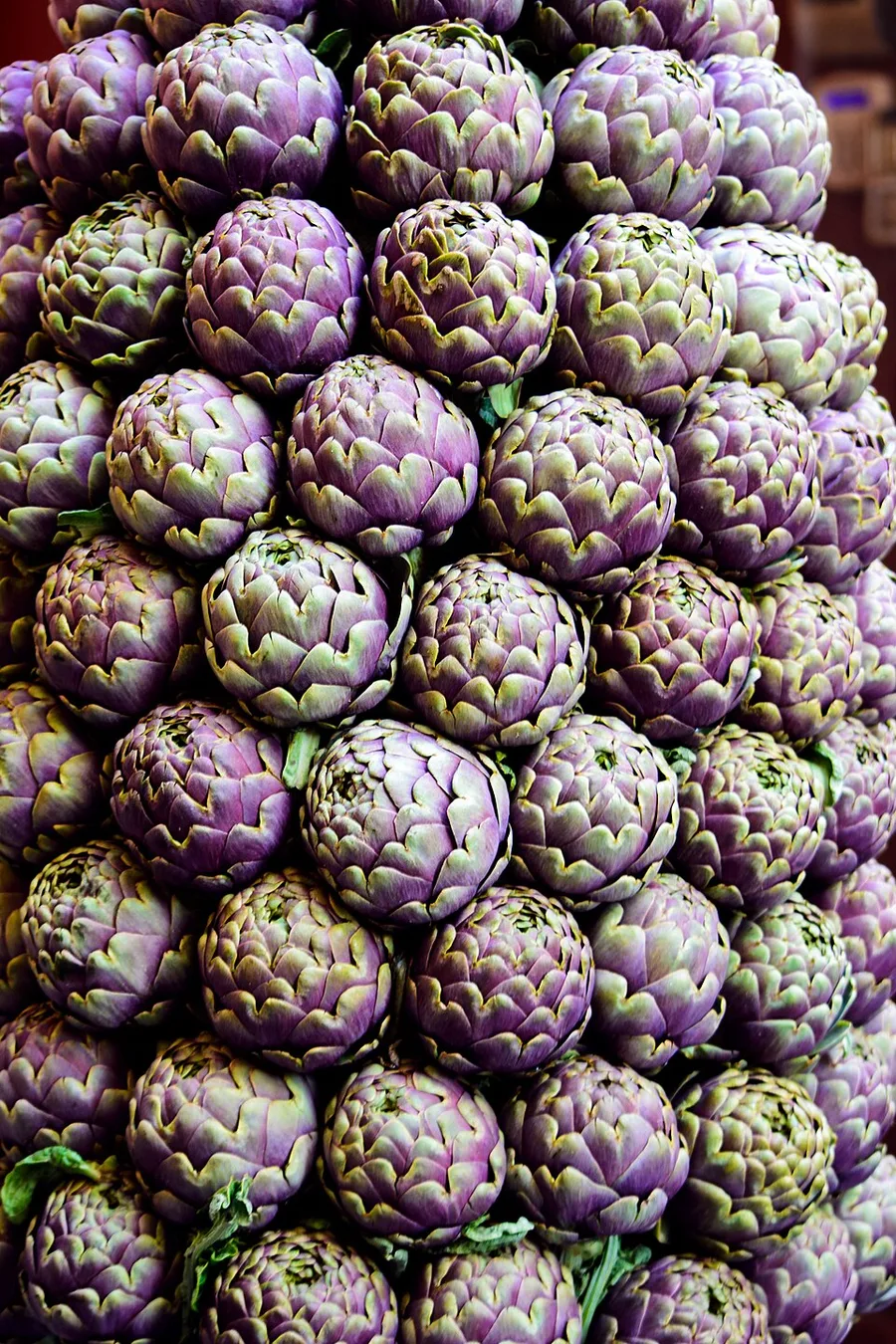
Round, large, spineless. The cimarola, the top head, is the one for carciofi alla giudia and alla romana, picked from February to May on the Lazio coast: out of season it is another artichoke.
 JP · CC0
lazio · 2-3.5 €/kg
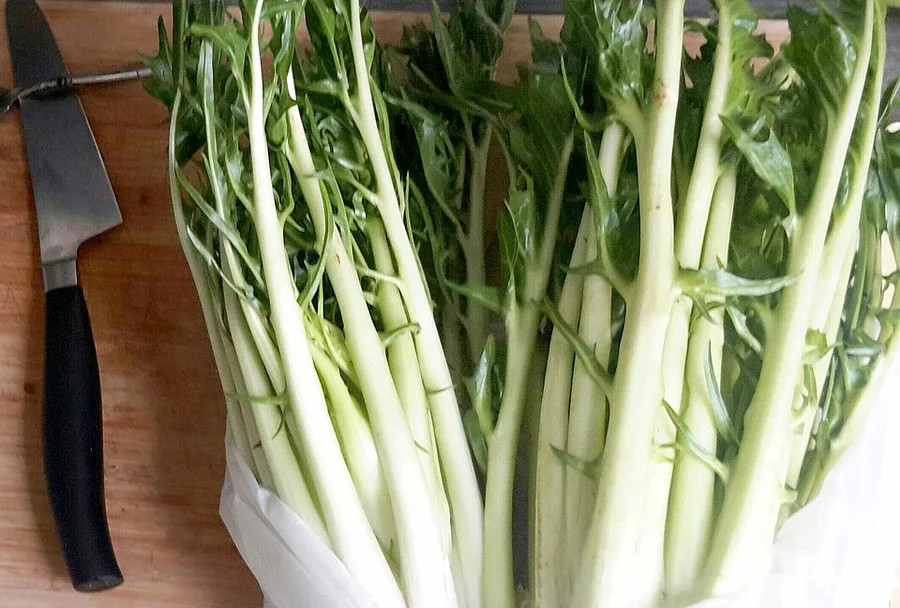
The inner shoots of a catalogna chicory, hollow and crisp: cut into strips, curled in iced water and dressed with pounded anchovy, garlic, vinegar and oil. The season runs November to March.
 Andy Li · CC0
lazio · umbria · 12-18 €/kg
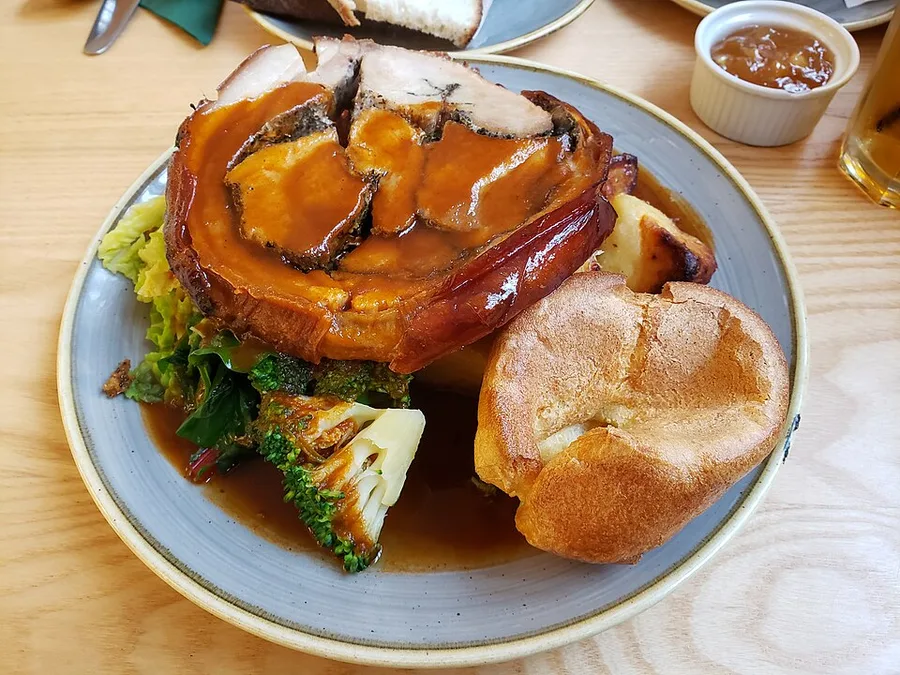
Pork boned, seasoned with salt, pepper, garlic and herbs, rolled tight and cooked six to eight hours. At Ariccia it is IGP and sold in slices inside bread: a glassy rind is the sign the cooking worked.
 Luigi Mancini at Italian Wikipedia · CC BY-SA 3.0
lazio · 3.5-5 €/kg
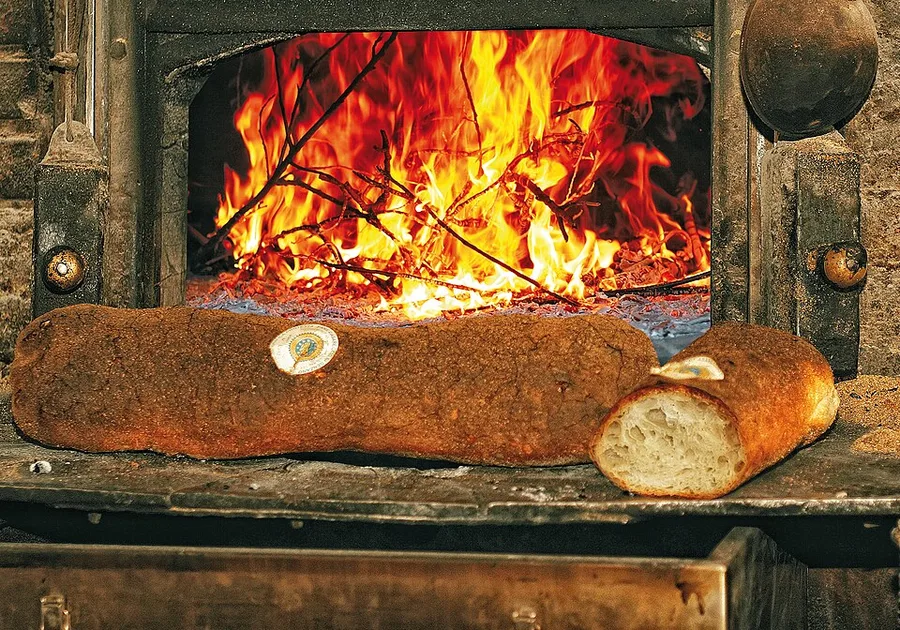
A naturally leavened bread baked in a wood oven, with a thick dark crust and an open crumb, IGP. The bran on the crust is not leftover flour: it is part of the method, keeping the loaves from sticking.
lazio · 17′
Seventeen minutes and three ingredients: pasta, Pecorino Romano, pepper. The cream is made off the heat with the cooking water, and the pasta cooks in half the usual water so that water is starchier.
- 08
Gricia
lazio · 20′
Twenty minutes: guanciale, pecorino, pepper. It is carbonara without egg and amatriciana without tomato, that is the base of both, and it is said to be the oldest of the four dishes.
lazio · 25′
Twenty-five minutes. The pan comes off the heat and is left to cool for a minute before the egg goes in: above sixty-five degrees the white sets and the sauce turns grainy. No cream, no onion.
lazio · 35′
Thirty-five minutes: guanciale, San Marzano, pecorino, chilli. No onion, no garlic, no excess oil, and the guanciale comes out of the pan after browning so it does not harden in the sauce.
 Calabrotto · CC BY-SA 4.0
lazio · 2 h 55′
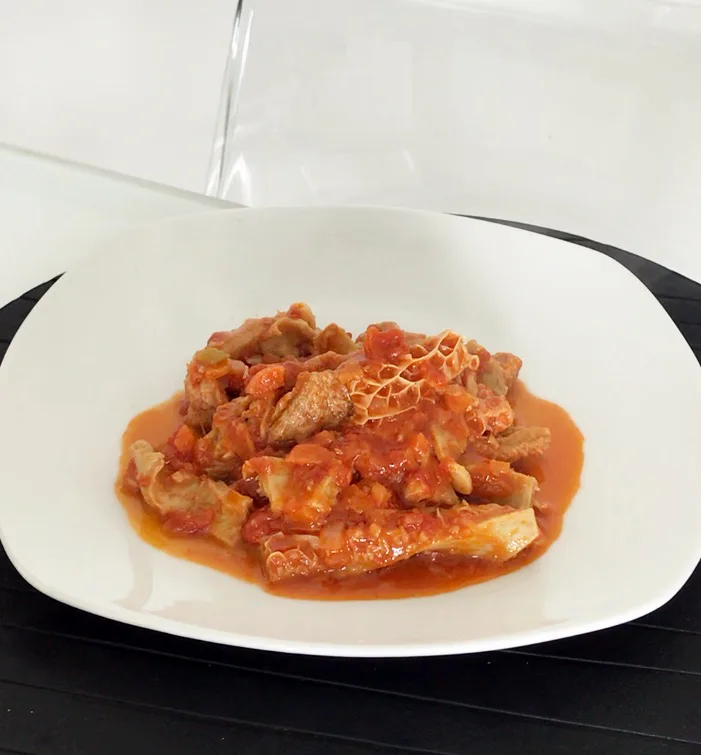
Tripe boiled, cut into strips, cooked in tomato and finished with mentuccia and pecorino. The two aromatics do not substitute: mentuccia is not mint, and without it the dish quietly becomes something else.
lazio · 55′
Two fryings: the first low to cook the heart, the second very hot to open the leaves into a flower. A dish of the Roman ghetto, and it wants the romanesco mammola, which has no spines and is pressed flat on the board.
 FrederikBianko · CC BY-SA 3.0
lazio · 2 h 30′
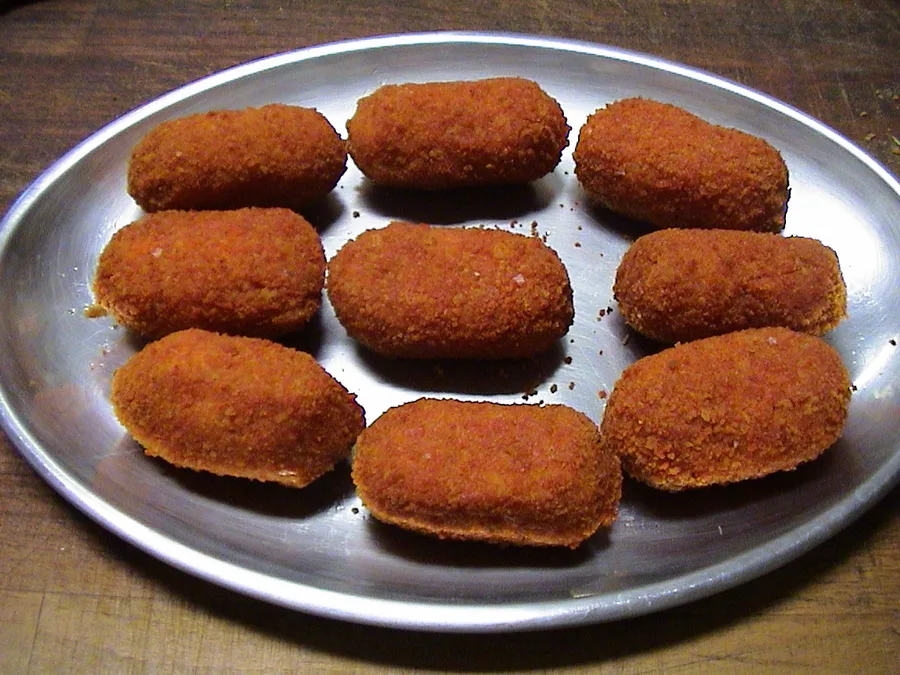
Rice cooked in tomato sauce, a heart of mozzarella, crumbs, frying. The rice has to cool completely before shaping: warm, it will not hold, and the supplì opens in the oil.
 Wikimedia Commons · CC BY-SA 4.0
lazio · 1 h 6′
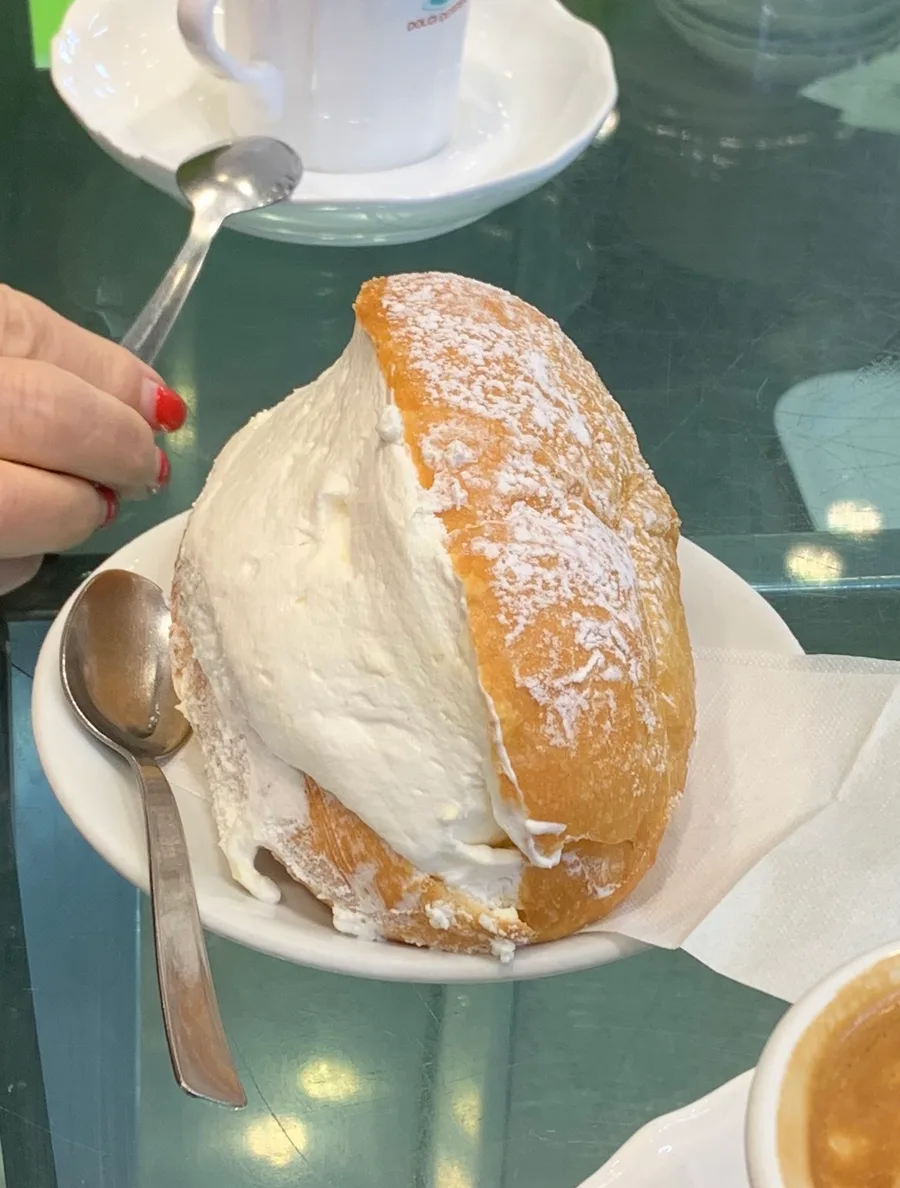
An hour and six minutes: a sweet leavened bun, split and filled with unsweetened whipped cream. It is the Roman breakfast, and the cream goes in at the last moment because the bread absorbs fast.
One last thing
The four Roman pastas differ by subtraction, and lining them up settles everything. Gricia has guanciale, pecorino and pepper. Cacio e pepe drops the guanciale and keeps pecorino and pepper. Carbonara adds egg to the gricia. Amatriciana adds tomato to the gricia. There is no cream in any of the four, no onion, no garlic, and in all four the cooking water is barely salted or not at all, because Pecorino Romano already brings the salt of five months of dry salting.
The questions this list answers
These are real questions put to an AI assistant, in the period when Bing cited this site among its sources to answer them. The number is how many times we were cited. We read them in Bing Webmaster Tools, under AI performance, and they decide what goes on this page rather than the other way round.
- what is porchetta637 citations
- pecorino romano198 citations
- maritozzi con la panna126 citations
- trippa ricetta classica65 citations
- coda alla vaccinara ricetta originale romana60 citations
- cosa sono le puntarelle60 citations
- carciofo romanesco63 citations
- what is a porchetta25 citations
- coda alla vaccinara ricetta originale50 citations
- guanciale di maiale18 citations
- maritozzi14 citations
- what is pecorino romano11 citations
- supplì5 citations
- guanciale4 citations
- what is puntarelle3 citations
Frequently asked questions
What is the difference between gricia, cacio e pepe, carbonara and amatriciana?
They start from the same core. Gricia is guanciale, pecorino and pepper. Cacio e pepe is the same without guanciale. Carbonara is gricia with egg. Amatriciana is gricia with tomato. None of the four includes cream, onion or garlic.
Can pancetta replace guanciale?
It can, and the dish changes. Guanciale is the cheek, with a compact fat that renders slowly and stays creamy; pancetta is the layered belly, and its fat renders sooner and dries more. The difference shows in the sauce, even when the flavour seems similar.
Why is pecorino not added over the heat in Roman pasta?
Because above a certain temperature the cheese proteins tighten and the fat separates, which is how lumps form. Pecorino is melted with hot but not boiling cooking water, off the heat, while stirring: the same principle holds for cacio e pepe and carbonara.
When are romanesco artichokes in season?
February to May. The cimarola or mammola, the top head used for carciofi alla giudia and alla romana, is cut in that window along the coastal strip of Lazio. Out of season you find artichokes of other varieties and other origins, with spines and smaller hearts.