Ten Italian products that keep for years, and how to store them
Parmigiano up to seventy-two months, Bitto up to ten years, traditional balsamic aged in a cask battery, pane carasau, taralli, stockfish, saffron, cotognata, Barolo, Vin Santo.
The Italian larder is full of things that improve by waiting, and that is no accident: before refrigerators, preserving was not an option but the condition for having food in winter. What remains today are products designed for time, and each uses a different strategy.
Removing water is the commonest: pane carasau less than a millimetre thick, taralli blanched and baked, stockfish air-dried, cotognata sun-dried in moulds. Transformation is the second: in a seventy-two-month Parmigiano and a ten-year Bitto the proteins have been broken down by ageing, and the cheese you eat is no longer what it was at twelve months.
The third strategy is the container. Traditional balsamic vinegar ages for years in a battery of casks of different woods, racked from one to the next; Vin Santo sits in small casks sealed with the mother; Barolo keeps evolving in bottle after its thirty-eight months' minimum ageing. In all three, time is not a wait but the making.
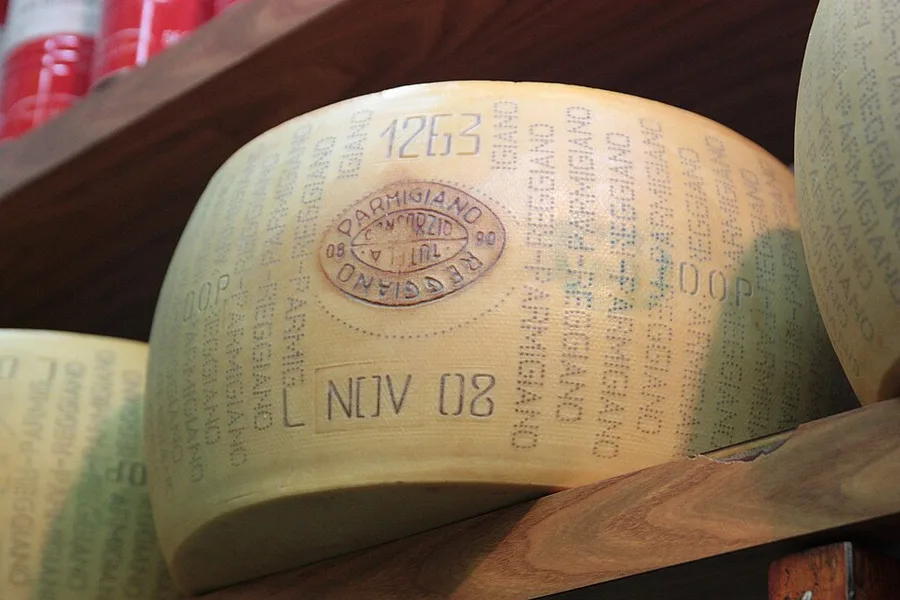 Nerodiseppia · CC BY-SA 3.0
emilia romagna · 14-18 €/kg
Twelve months is the minimum, twenty-four the grating point, thirty-six and beyond the age where tyrosine crystals appear. At seventy-two months it is another cheese, crumbly and salty.
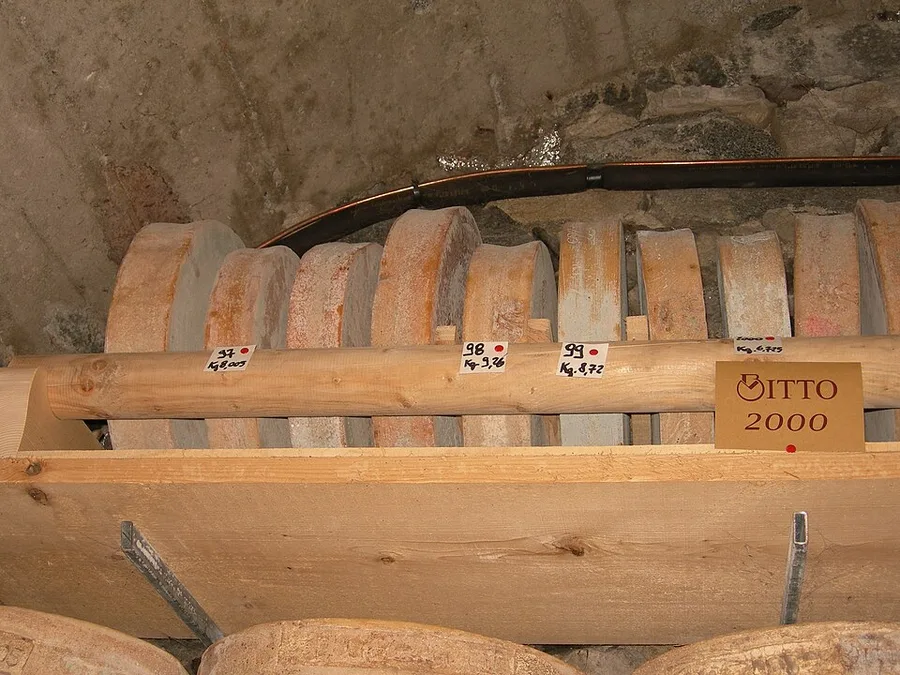 Fabio · CC BY 2.0
lombardia · 18-28 €/kg
From seventy days to ten years: one of the few cheeses in the world that still improves after the fifth. At the end of the season the wheels come down from the pastures to the casera, where they are turned for years.
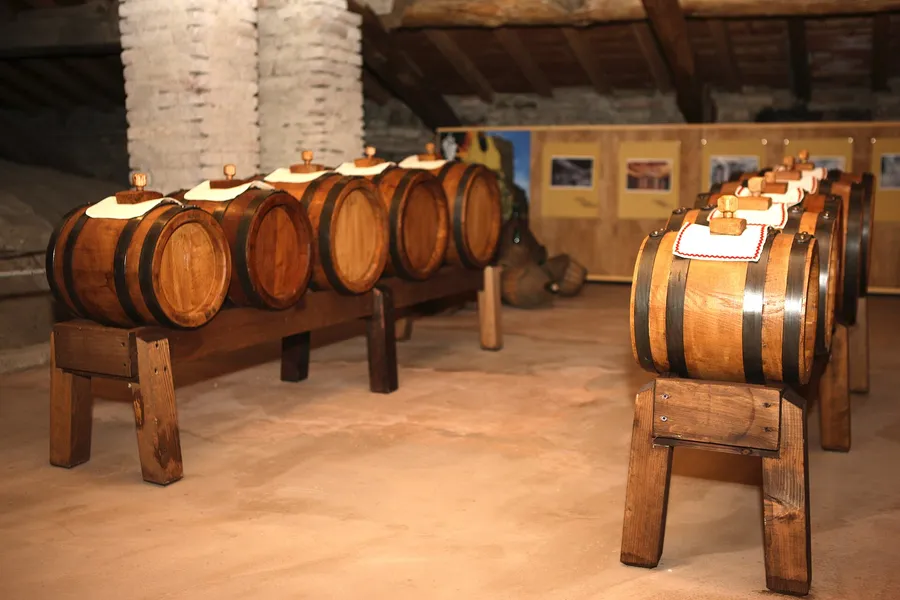 Kikiteppi · CC BY-SA 4.0
emilia romagna
The Tradizionale of Modena and Reggio ages for years in a battery of casks of different woods, with successive rackings: cooked must only, nothing else. It does not go in the fridge and it does not expire.
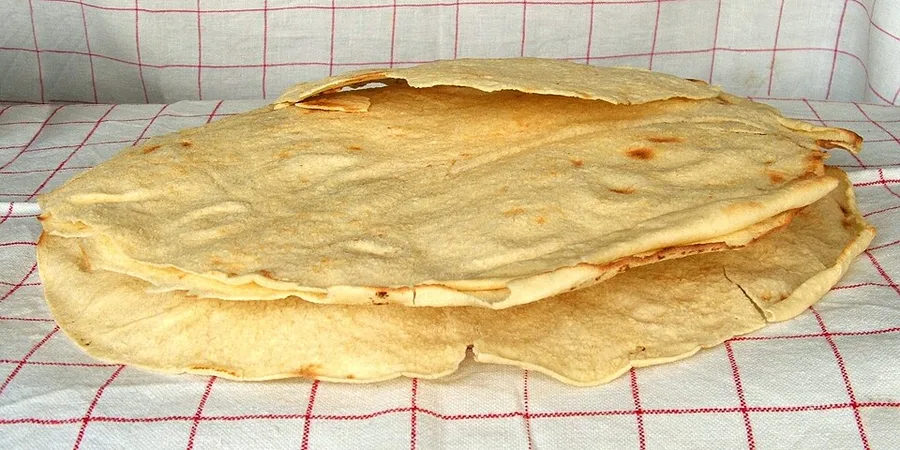 Luigi Chiesa · CC BY 3.0
sardegna · 6-12 €/kg
Baked twice and less than a millimetre thick: with no water it does not mould. Keep it in a paper bag somewhere dry, and soften it with a film of water when needed.
 Haragayato · Public domain05
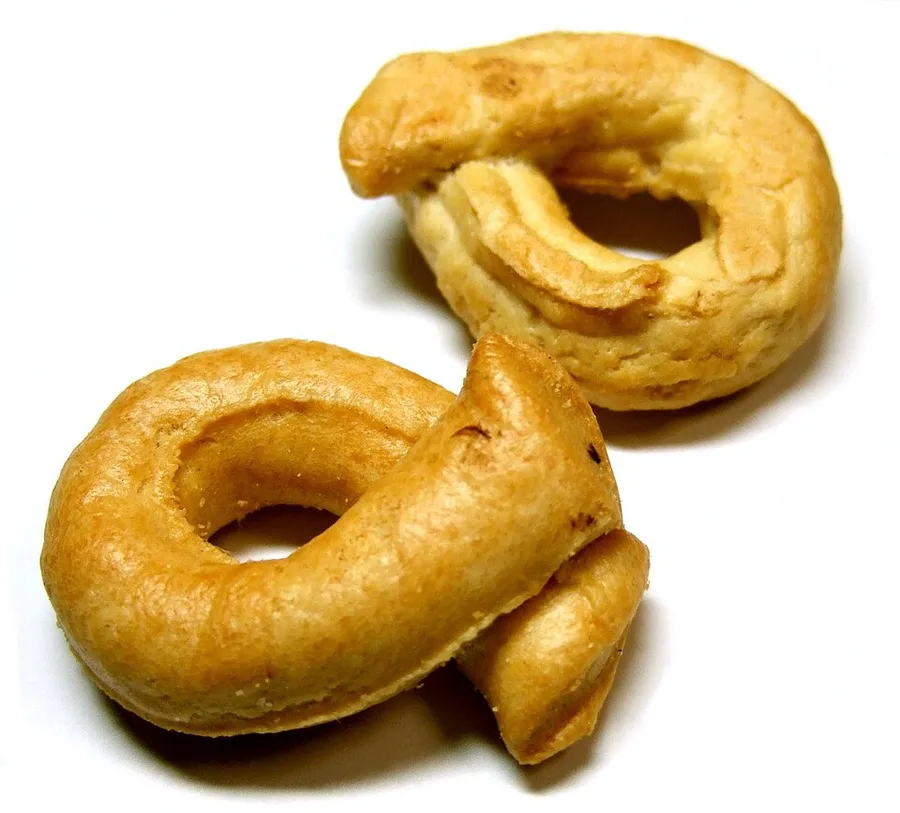
Taralli
puglia · 8-14 €/kg
Four ingredients, blanched and then baked: no eggs, no milk, no butter. They keep for weeks out of the fridge, and their only enemy is humidity, which softens them.
 Paolo Tonon from Italy · CC BY-SA 2.0
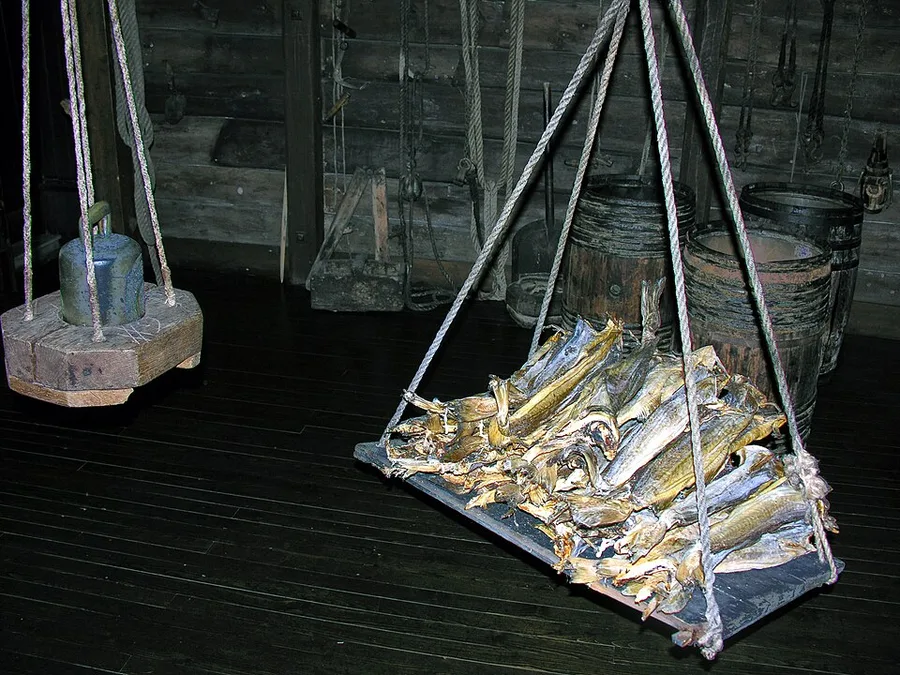
veneto · calabria · 40-70 €/kg
Air-dried without salt, it loses two thirds of its weight and keeps for a long time hung somewhere dry and airy. Before use it wants two or three days of soaking with the water changed.
 Rainer Zenz · Public domain07
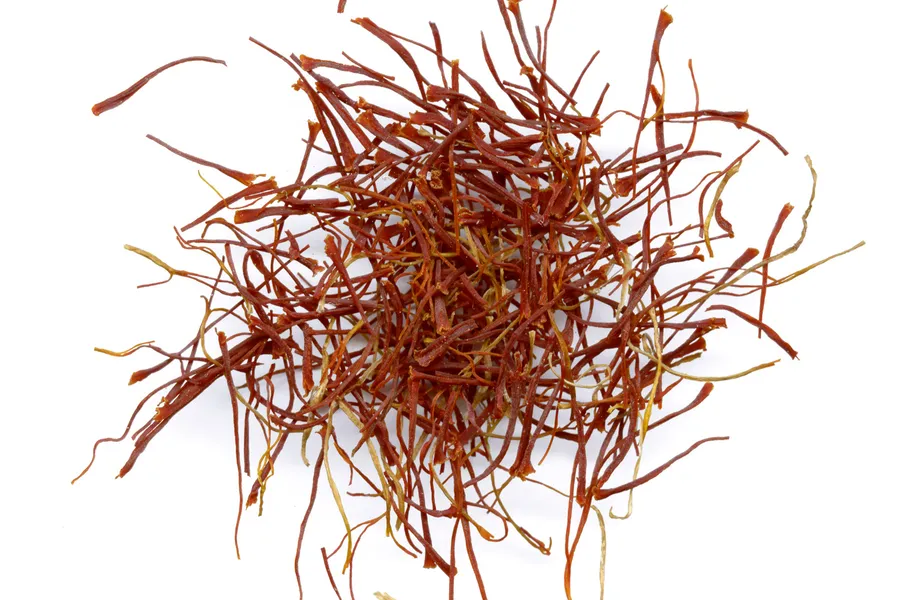
Saffron
abruzzo · sardegna · 15000-40000 €/kg
The dried stigmas keep for years if stored in the dark, away from humidity and in a sealed container: light degrades the pigments and the scent. Buy whole stigmas rather than powder.
 OppidumNissenae · CC BY-SA 4.0
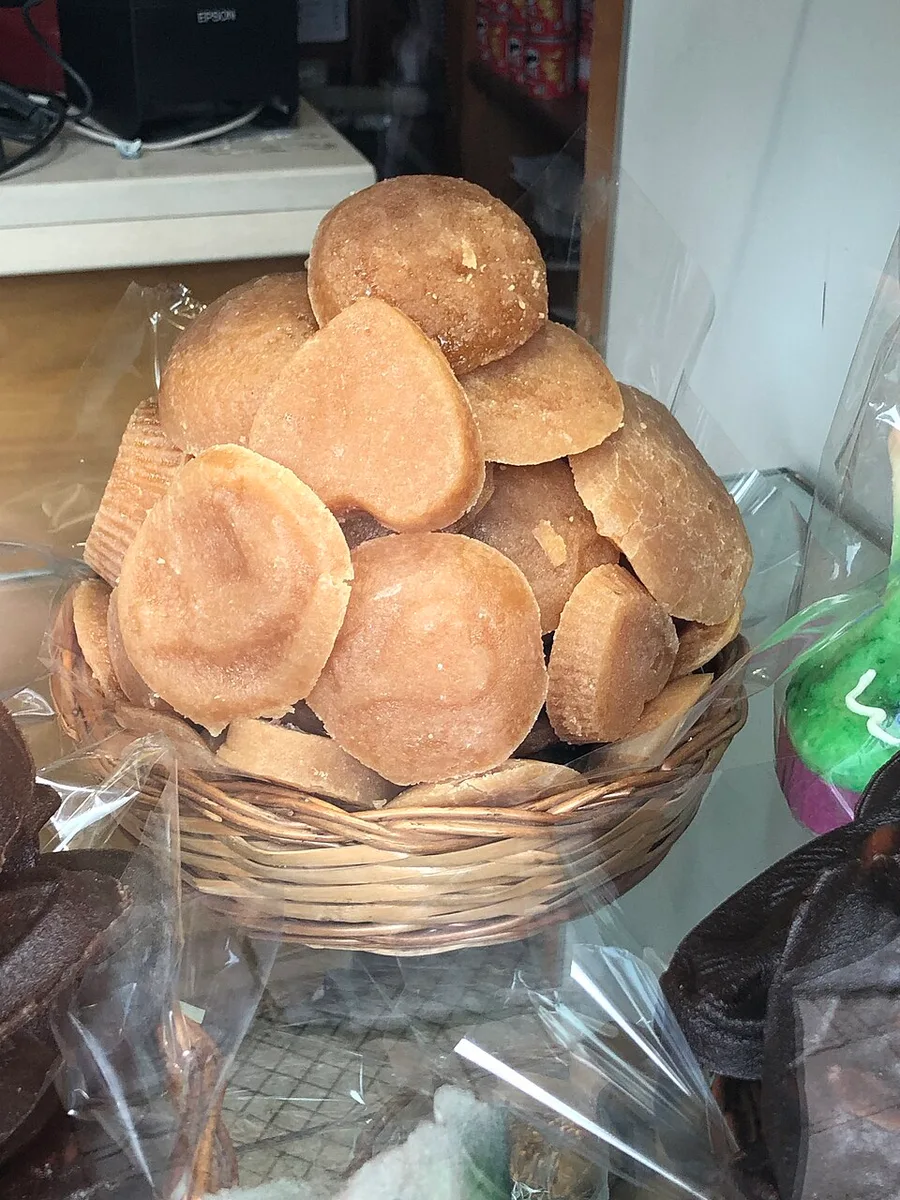
sicilia · puglia · 2-4 €/kg
Quince pulp cooked with sugar until solid and sun-dried in moulds: the sugar binds the remaining water. It is cut into squares and keeps for months in a tin.
 Megan Mallen · CC BY 2.0
piemonte
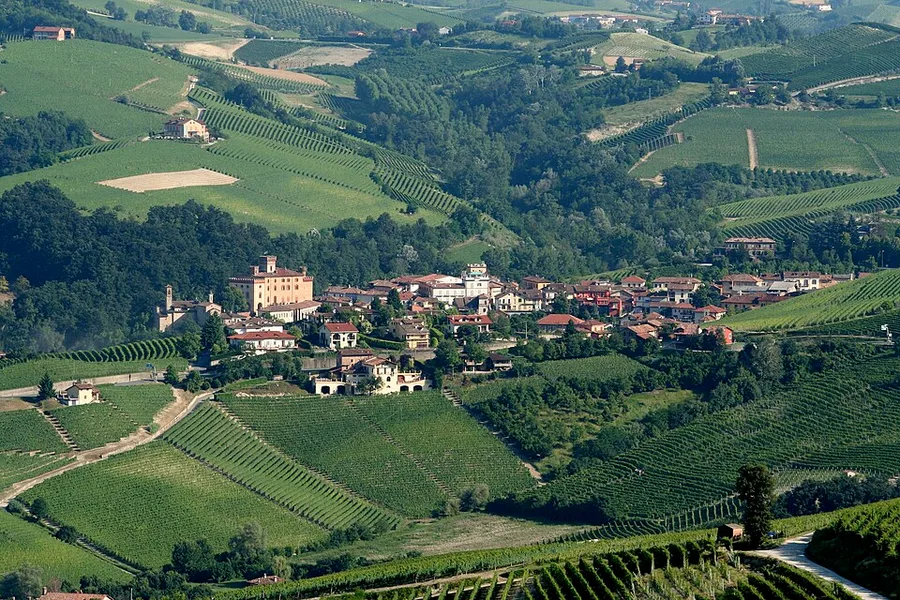
Thirty-eight months' minimum ageing, sixty-two for the Riserva, and then years in bottle: the tannin that makes it austere when young is what allows it to age in a cellar.
 Gabriele Cantini · CC BY 2.0
toscana
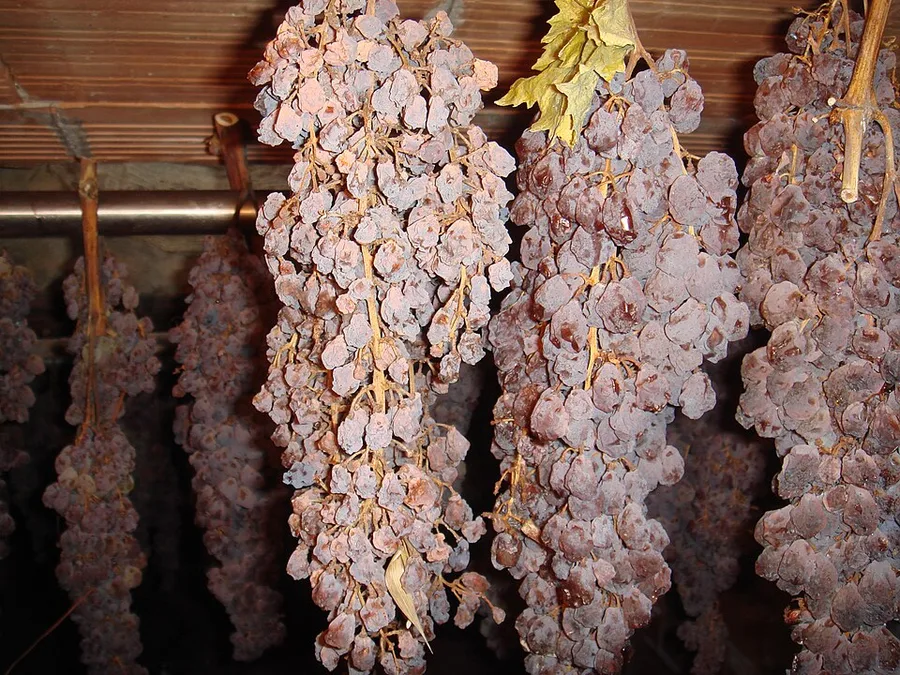
Dried grapes, then fermented and forgotten for years in small casks sealed with the mother: oxidation here is not a flaw but the method, and an opened bottle keeps for weeks.
One last thing
Storage conditions matter as much as the product, and they come down to three enemies: humidity, light and heat. Dry goods, pane carasau, taralli, saffron, dried chestnuts, want a sealed container somewhere dry, and the fridge is the wrong place because it is damp. Long-aged cheeses want the opposite, a cool damp cellar, and in a fridge they are wrapped in paper rather than film, which makes them sweat. Traditional balsamic and wines for ageing want darkness and a steady temperature, and steadiness matters more than the absolute figure.
The questions this list answers
These are real questions put to an AI assistant, in the period when Bing cited this site among its sources to answer them. The number is how many times we were cited. We read them in Bing Webmaster Tools, under AI performance, and they decide what goes on this page rather than the other way round.
- aceto balsamico220 citations
- bitto formaggio40 citations
- aceto balsamico tradizionale40 citations
- taralli738 citations
- differenza grana padano parmigiano reggiano81 citations
- vin santo30 citations
- vino santo8 citations
Frequently asked questions
How long does Parmigiano Reggiano keep?
A whole wheel keeps for years in a cellar, and commercial ages run from twelve to seventy-two months or more. A piece cut at home should be wrapped in baking paper and kept in the fridge, never in cling film, which makes it sweat: it lasts weeks.
Does traditional balsamic vinegar expire?
No, and it does not belong in the fridge. It is cooked must aged for years in wooden casks, with a sugar concentration and acidity that make it stable. Keep it in the dark, at a steady temperature, with the bottle upright.
How do you store saffron?
As whole stigmas, in a sealed container, in the dark and away from humidity: light degrades the pigments and the aromatic compounds. Stored that way it keeps colour and scent for years; powder degrades faster and is easier to adulterate.
Can pane carasau be kept for months?
Yes, and that is why it exists: baked twice and less than a millimetre thick, it contains no water and does not mould. Keep it dry, in a paper bag or a box, and not in the fridge, where it would take up moisture.