Valnerina: where to eat and stay
The Valnerina is where the word norcino was born and where half of Norcia came down in 2016. The food is still very good, but black truffle grated over your pasta in August is not the Norcia truffle.
The Valnerina is the valley of the Nera, from the Marmore falls to the foot of the Sibillini: a narrow trench with villages hung on the slopes (Ferentillo, Arrone, Scheggino, Sant'Anatolia di Narco, Vallo di Nera) that opens into the basin of Norcia at six hundred metres and climbs to the Piano Grande of Castelluccio at fifteen hundred. Twenty kilometres on the map are often forty real minutes.
This should be said at once. In 2016 two earthquakes hit the upper part hard: in Norcia the basilica of San Benedetto collapsed, the old centre is still partly a building site and some businesses work from temporary structures outside the walls; Castelluccio was largely destroyed. The businesses have reopened and the food chain works: what you will not find is the postcard intact.
How people eat here
The word norcino comes from here: the butchers of Norcia used to work pigs house by house across half of central Italy, and in Rome a cured meat shop is still called a norcineria. The reason is climatic, six hundred metres of dry cold air, which lets the curing work without smoke. From that come Prosciutto di Norcia IGP, aged at least twelve months, plus capocollo, lonza and guanciale. Note, though: the protected name covers the processing, and the pigs can come from anywhere in central Italy.
The fine black truffle, Tuber melanosporum, is the other pillar: the season runs December to March, with the Norcia market show between late February and early March. From May to August what is grated over your strangozzi is almost always the summer scorzone, a legitimate truffle that costs 80 to 150 euro a kilo against 400 to 900 for the fine black: if the price of the dish is identical in February and in July, something does not add up. Truffle oil, meanwhile, contains no truffle at all: it is a synthetic molecule.
The rest is mountain cooking of pulses and water. Castelluccio lentils IGP grow above thirteen hundred metres, need no soaking and cook in twenty minutes: they cost 12 to 18 euro a kilo, and the roadside stalls offering them at five are selling something else. Roveja is a wild pea brought back around Cascia, used for farecchiata; at Monteleone di Spoleto they grow a protected spelt; the Nera and the Corno give trout. Then strangozzi alla norcina, with sausage, pecorino and pepper (cream is a city-menu addition) and at Cascia a few kilos a year of saffron, picked at dawn in October.
Working farms that take guests
Real places in this territory, checked one by one on their own site. What you read is what they state: the editorial visit has not happened yet, and when it does we will say so.
Agriturismo Baldassari
Cascia (PG)A family farm working organically: it raises lambs and farmyard animals and grows spelt, wheat, lentils and chickpeas, making cured meats, saffron and preserves. Rooms, with a restaurant and pizzeria.
agriturismocascianorcia.itCasale nel Parco
Norcia (PG)A certified organic farm growing pulses and cereals and harvesting saffron and black truffle. Twelve rooms and a restaurant that works the farm's own produce, a kilometre from the centre of Norcia inside the Sibillini park.
casalenelparco.comLocalità il Piano
Vallo di Nera (PG)Fifty hectares with organic orchards and animals at pasture. Accommodation is two interconnecting apartments for four or five people, with teaching activities and tastings of the farm's produce.
localitailpiano.itAgriturismo Casa Mattei
Arrone (TR)A farm producing organic Umbria DOP extra virgin oil from local cultivars, sold directly on site. Accommodation in apartments with kitchenettes, in the Nera river park.
casamattei.itThe foods of this territory
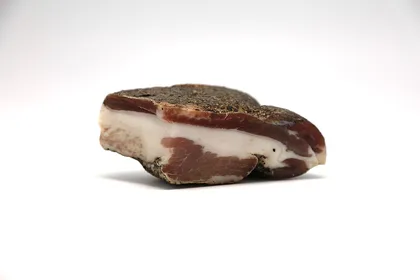 PATGuancialeGuanciale is cured pork jowl: unsmoked, rubbed with salt and pepper, aged for one to three…
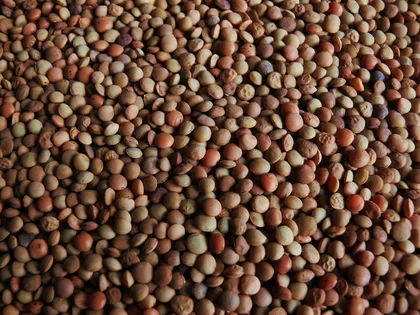 IGPCastelluccio LentilsCastelluccio lentils grow at 1,400 metres on the Pian Grande, a treeless karst plateau…
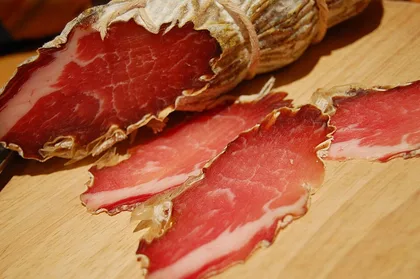 FoodLonzinoLonzino is whole pork loin, dry-salted and air-cured for two to four months: the leanest…
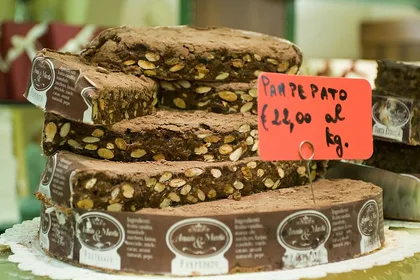 PATPanpepatoHoney, whole nuts, candied peel, cocoa and black pepper pressed into a dense disc and cut…
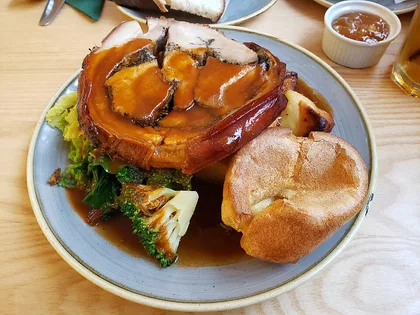 IGPPorchettaSix to eight hours in a wood oven to reach two opposite textures in one piece of meat: skin…
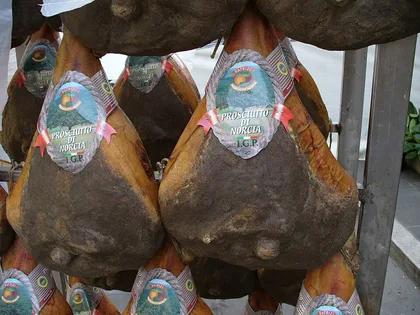 IGPProsciutto di Norcia IGPProsciutto di Norcia IGP is Italy's mountain dry-cured ham, aged for at least twelve months…
What to do here
A truffle hunt with a digger and his dog is booked from December to March for the fine black, lasts an hour and a half and costs 60 to 100 euro a head with a tasting at the end. It is a demonstration rather than a hunt, but here the truffle really is dug a few steps from the car park.
The Marmore falls are artificial and regulated: the water is released at fixed times, so check the timetable before paying or you will be looking at a dry rock face. At Ferentillo there is the Lombard abbey of San Pietro in Valle and the museum of mummies; on the Nera there is rafting from April to September.
The year, month by month
Late February and early March: Norcia holds its black truffle market show. On 21 and 22 May Cascia celebrates Saint Rita and tens of thousands of pilgrims arrive: unless that is why you are coming, you will not find a room within thirty kilometres on those days.
Between late June and mid-July comes the flowering of Castelluccio, which is not a field planted with flowers but the wild flora growing inside the lentil crop: poppies, cornflowers, wild mustard, in a different week each year. On peak weekends there are hours of queueing and access to the plain is managed with shuttles; on a weekday, at seven in the morning, it is another thing.
The lentils are harvested between late July and August, the Cascia saffron in late October, the lower valley olives in November. From November to February the pig is worked and there is room everywhere, but above a thousand metres it snows and the road to Castelluccio can stay shut for days.
Getting there and getting around
The gateway is Spoleto, on the Rome to Ancona line: an hour and twenty from Rome Termini, and from there buses reach Norcia in a little over an hour. For the lower valley you get off at Terni and go up the SS209.
Once here a car is essential: the local buses run two or three services a day designed for schools. The SS209 is narrow, with tunnels and stretches above the river; the climb to Castelluccio in the cold months wants winter tyres or chains in the boot. Above Norcia there are few filling stations: fill up in the valley.
Frequently asked questions
What will you find in Norcia today, after the earthquake?
A town that works, with an old centre still partly under scaffolding: the basilica of San Benedetto is being rebuilt and several businesses operate from temporary structures. The pork shops, restaurants and farm stays have reopened, so if you are coming to eat, the trip makes sense now.
When is the Castelluccio flowering and how do you get there?
Between late June and mid-July, with a peak week that changes every year: updates come out in June on the park's channels. It is half an hour up from Norcia, but at weekends traffic is managed with shuttles and the queues are long.
When is black truffle season and how do you avoid being fooled?
The fine black is dug from December to March. From May to August what is on the plates is the scorzone, which costs a fraction and should be charged accordingly: asking which species it is, is a normal question. Be wary of menus with truffle oil, which is a synthetic aroma.
How do you recognise real Castelluccio lentils?
By the consortium's IGP mark, by the price (12 to 18 euro a kilo; anyone selling at five is selling something else) and by how they behave in the pot: thin skin, no soaking, twenty minutes and the seeds stay whole.