Thirteen things from the Veneto, between the lagoon and the wine hills
Asiago, soppressa vicentina, Bassano asparagus, late radicchio, Lamon beans, salt cod, Prosecco, Amarone, tiramisù, pandoro, Venetian liver, sardines in saor, risi e bisi.
The Veneto is the region of preserved fish, which sounds odd for a region with a lagoon. The explanation is commercial: Venice bought stockfish from the Lofoten islands from the fifteenth century and distributed it inland, where fresh fish never arrived. Baccalà alla vicentina is made with that, not with salt cod, and the Venetian name is the source of half the confusion in Italy.
The second signature is sweet-and-sour with onions, which arrived by the same trade routes. Sardines in saor layer fried fish with a mountain of onions stewed in vinegar and wait a day; bigoli in salsa has two ingredients, onion and salted sardines; Venetian liver wants thirty-five minutes of onion and four of liver. In three dishes out of three the onion cooks longer than the meat or the fish.
Among vegetables the Veneto has two cases that resemble nothing else. Bassano asparagus is white because it grows under earth and is cut before the tip emerges, and the harvest closes on the thirteenth of June by rule. Late Treviso radicchio is not grown in a field: it is grown in the dark, in tanks of spring water, after the frosts.
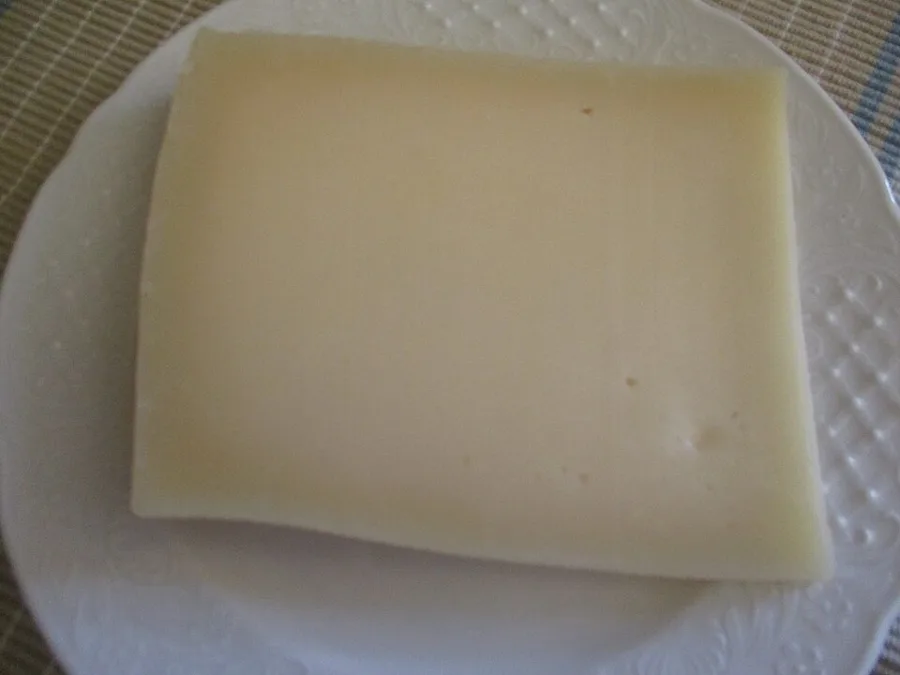 Thomon · CC BY-SA 4.0
veneto · trentino alto adige · 9-13 €/kg
Two cheeses under one name: Pressato, fresh and soft, aged twenty days, and Stagionato or d'Allevo, hard and grainy after months. The Veneto plateau and Trentino, the same DOP, opposite uses in the kitchen.
veneto · 17-25 €/kg
A large, coarsely ground salame from heavy pigs born and raised in the province of Vicenza, DOP. It is cut in thick slices: thin it crumbles. It is not the southern soppressata and it is not hot.
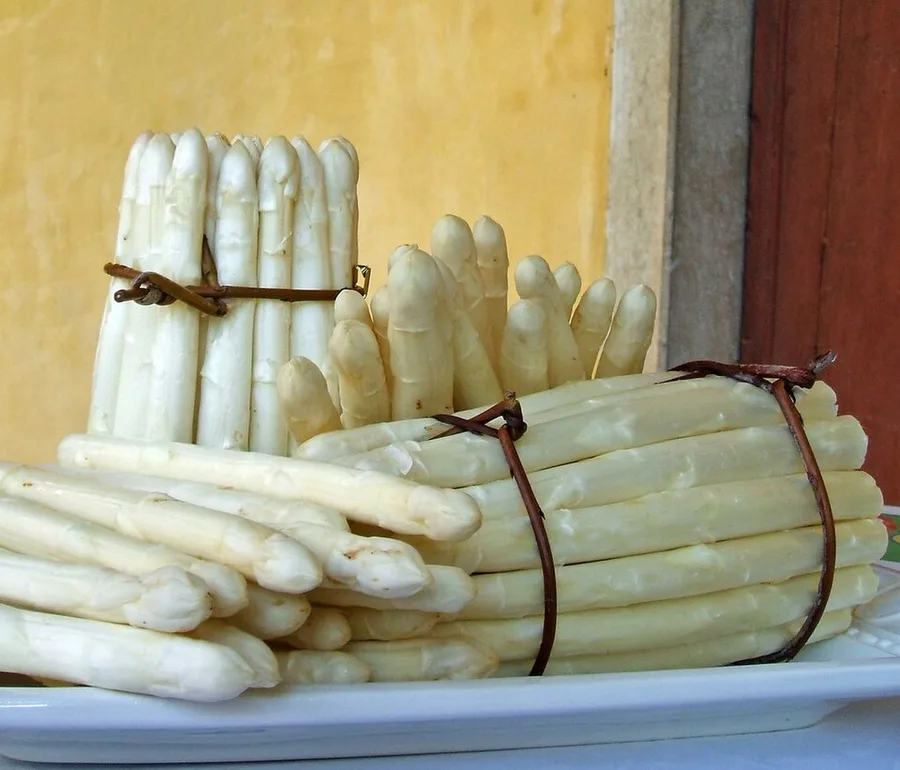 Andrea Martinello · CC BY-SA 2.0
veneto · 18-25 €/kg
White because it never sees light: it grows under a mound of earth and is cut by hand before the tip emerges. The harvest runs from mid-March to the thirteenth of June, Saint Anthony's day: the date is set by local tradition.
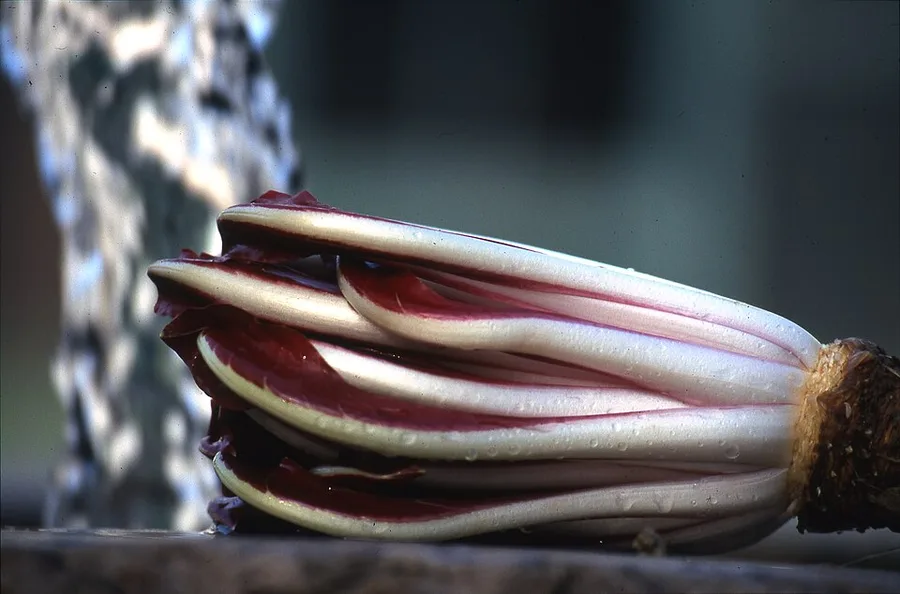 Zetagroup · CC BY-SA 3.0
veneto · 8-15 €/kg
Two types that are two vegetables. The late one is grown in tanks of spring water, in the dark, where the plant lifted after the frosts puts out new leaves: it costs three times the early kind, and the shape says so.
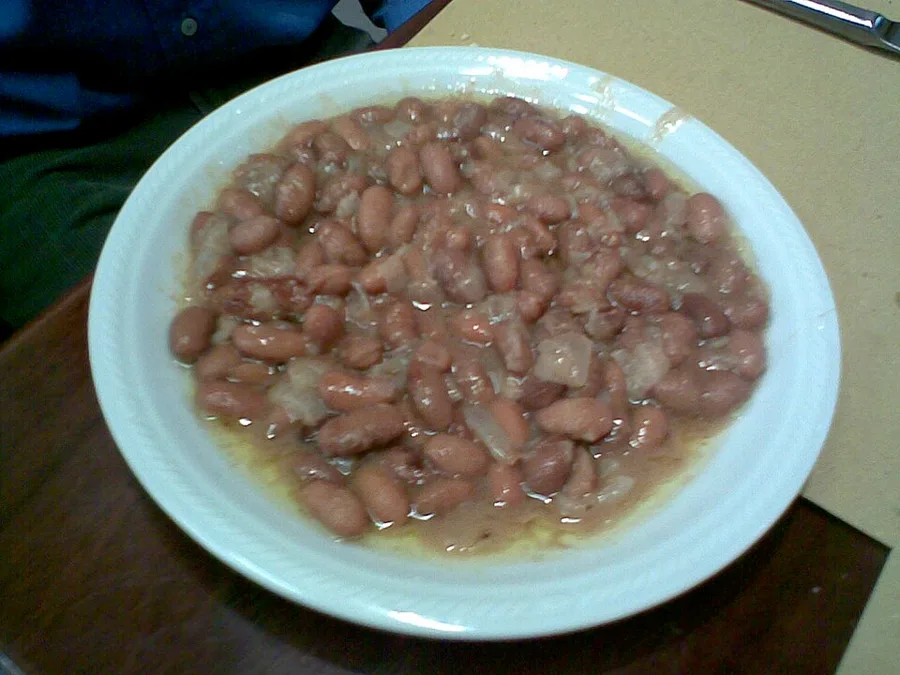 Xaura · CC BY-SA 3.0
veneto · 8-15 €/kg
A mountain borlotto from the Belluno valley, IGP, with a skin so thin it disappears in the mouth and a flesh that breaks into cream. It cooks faster than a lowland borlotto and wants no salt until the end.
 MoDs92 · Public domain06
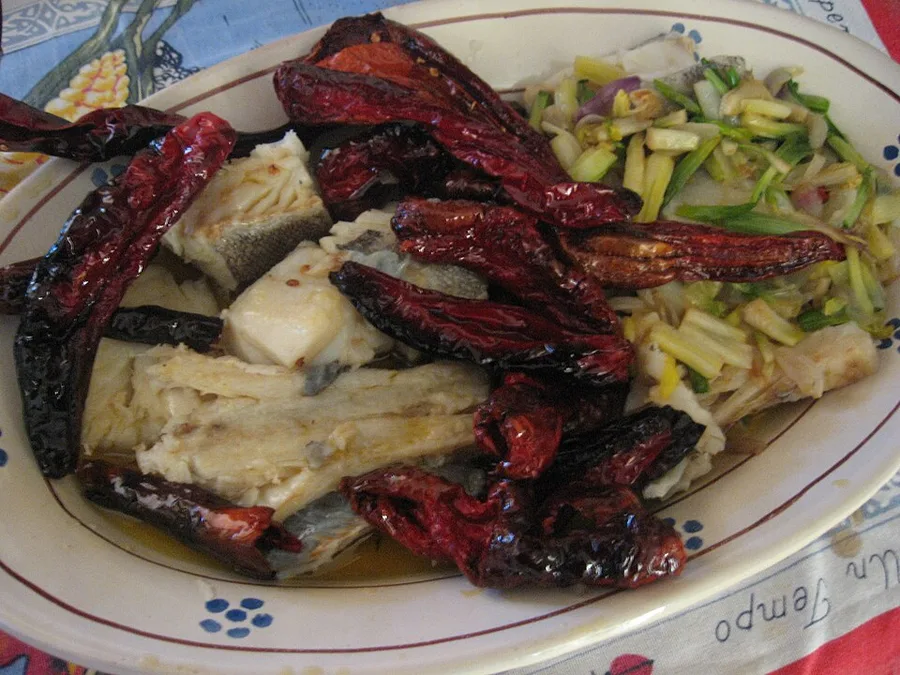
Baccalà
veneto · 14-22 €/kg
North Atlantic cod preserved in salt, to be desalted in running or frequently changed water for two or three days. It is not stockfish, which is the same fish merely air-dried, and in the Veneto the names cross over.
 Tiesse · CC0
veneto · friuli venezia giulia
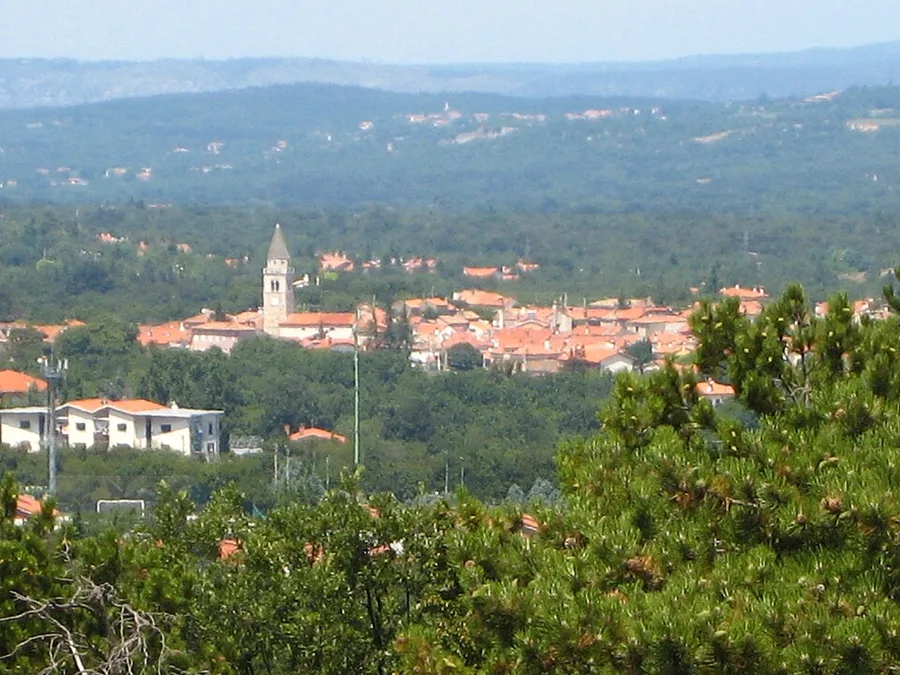
Glera grapes and the Martinotti method in a pressure tank, not the traditional method: that is the substantive difference from Champagne and Franciacorta, and it explains both the fruity profile and the price. The bubble forms in the tank, not the bottle.
 Rodolph · CC BY-SA 3.0
veneto
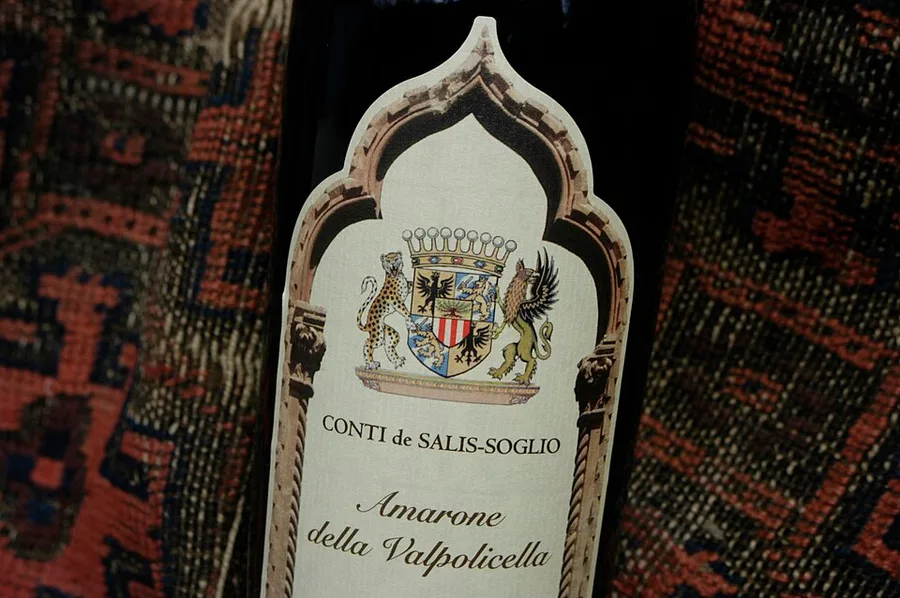
Corvina, Corvinone and Rondinella dried in a loft for a hundred to a hundred and twenty days, until they lose thirty-five to forty per cent of their weight. The result is a powerful, high-alcohol red, and the drying is the whole method.
veneto · 1 h
One hour: onions stewed for thirty-five minutes, thin slices of veal liver tossed for four. The timings are the recipe, and cooking the two together from the start is the sure way to make the liver bitter.
veneto · 1 h 25′
Sardines floured and fried, layered with onions stewed in vinegar, at least a day's rest. The Venetian rule is equal weight of fish and onion, and without the rest the dish is just fried fish with vinegar.
veneto · 1 h 10′
A soup of rice and new peas, with broth made from the pods: thicker than a soup, looser than a risotto, eaten with a spoon. An hour and ten, and the pods are the ingredient that sets it apart.
veneto · 5 h 10′
Five hours, four of them cooking in milk and oil without ever stirring: you only shake the pan. It is made with dried stockfish, and the Venetian name bacalà is the source of the confusion.
- 13
Tiramisù
veneto · 45′
Forty-five minutes and no baking: a cream of mascarpone and eggs whipped with boiling syrup, savoiardi dipped in cold coffee, cocoa only at the moment of serving. Cold coffee keeps the biscuit from collapsing.
One last thing
One detail recurs in four Veneto dishes and is worth isolating: a stewed onion is not a soffritto. A soffritto takes five minutes and lays a base; the onion of Venetian liver, of sardines in saor and of bigoli in salsa cooks thirty or forty minutes over low heat, until it loses all bite and turns sweet and creamy. It is the dressing rather than the accompaniment, and in all three dishes the fish or the meat stays in the pan a tenth of that time.
The questions this list answers
These are real questions put to an AI assistant, in the period when Bing cited this site among its sources to answer them. The number is how many times we were cited. We read them in Bing Webmaster Tools, under AI performance, and they decide what goes on this page rather than the other way round.
- fegato alla veneziana ricetta tradizionale241 citations
- baccalà alla vicentina ricetta originale88 citations
- sopressa veneta89 citations
- asiago formaggio72 citations
- baccala alla vicentina ricetta54 citations
- soppressa6 citations
Frequently asked questions
Is baccalà alla vicentina made with salt cod or stockfish?
With stockfish, cod air-dried without salt. In the Veneto that fish is called bacalà, which is where the confusion starts. Salt cod proper is salted and needs days of soaking: the two are not interchangeable in the Vicenza recipe.
Why is Bassano asparagus white?
Because it never sees light: it grows under a mound of earth and is cut by hand before the tip emerges, so it never develops chlorophyll. The harvest runs from mid-March to the thirteenth of June, Saint Anthony's day, a date set by local tradition: outside that window it is other asparagus.
What is the difference between early and late Treviso radicchio?
The late type is lifted after the frosts and then forced in the dark in tanks of spring water, where it puts out new crisp, faintly bitter leaves: it is long work and costs three times as much. The early type is a field radicchio, larger, with softer and less bitter leaves.
Is Prosecco made by the traditional method?
No, by the Martinotti method: the second fermentation takes place in a pressure tank rather than in the bottle. That is the substantive difference from Champagne and Franciacorta, and it explains the fruitier profile, the lighter yeast note and the price.