Valpolicella: where to eat and stay
In Valpolicella, from the same grapes in the same villages, they make a wine at eighty euro and one at twelve. Knowing when to order Amarone and when to order Classico Superiore is half the trip.
Valpolicella is the set of valleys running down from the Lessini mountains towards Verona, terraced with the dry stone walls that here are called marogne. There are three zones and they are on the label: the Classica (Fumane, Marano, Negrar di Valpolicella, Sant'Ambrogio, San Pietro in Cariano), the Valpantena, which is the Grezzana valley, and the extended area to the east.
Verona is twenty minutes away, Lake Garda half an hour. On the valley floor there are tasting rooms sized for coaches; the family estates, still the majority, receive by appointment and often only in the morning. Two emails sent a week ahead change the trip.
How people eat here
Everything follows from dried grapes. Corvina, corvinone and rondinella stay in crates in the drying loft for a hundred to a hundred and twenty days, lose 35 to 40 per cent of their weight and are pressed between January and February: from that come Recioto, sweet, and Amarone, which is its dry version. But the wine people here eat with every day is Valpolicella Classico Superiore: thirteen degrees, a third of the price, far better suited to a plate of bigoli.
Veronese cooking is meat and freshwater, not sea: bigoli with salted sardines or duck ragù, lesso with pearà (breadcrumbs, marrow, broth and a great deal of pepper) and pastissada de caval, horse stewed in wine. Down from the Lessini come Monte Veronese DOP and Vialone Nano rice; from the valley, protected olive oil and the May cherries.
Two warnings. Risotto all'Amarone is on every menu, but a risotto for four needs half a bottle: at fifteen euro a plate, the Amarone is not in there. And an honest mark-up is double the cellar price, where a basic Amarone leaves at thirty to forty euro: at a hundred and twenty you are paying for the view.
Working farms that take guests
Real places in this territory, checked one by one on their own site. What you read is what they state: the editorial visit has not happened yet, and when it does we will say so.
Agriturismo Corte Cariano
San Pietro in Cariano (VR)The Brunelli family's courtyard estate in Valpolicella Classica, producing Amarone della Valpolicella. Accommodation is one double room and two apartments in the courtyard buildings.
cortecariano.comAgriturismo Ca' Verde
Sant'Ambrogio di Valpolicella (VR)A certified organic farm working since 1978: Valpolicella and Amarone, a dairy making cheese, and vegetables. Eight rooms and a trattoria of its own.
agriturismocaverde.comLe Bignele
Marano di Valpolicella (VR)Vineyards of the Aldrighetti family, who have worked here since 1818, with Valpolicella Classica wines. Accommodation in rooms.
lebignele.itAgriturismo Acinatico
Fumane (VR)The guest side of Stefano Accordini's estate, producing Valpolicella Classico, Ripasso, Amarone and Recioto. Rooms with breakfast, some built inside old barrels.
agriturismoacinatico.itThe foods of this territory
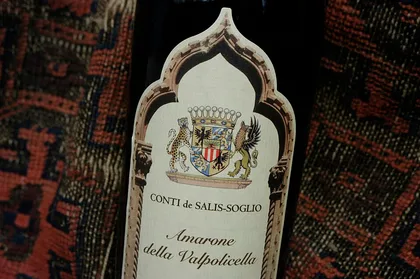 DOPAmarone della ValpolicellaAmarone is made from Corvina, Corvinone and Rondinella dried on racks for 100 to 120 days…
 DOPAsiagoOne name covers two cheeses nobody would mistake for each other at the counter.
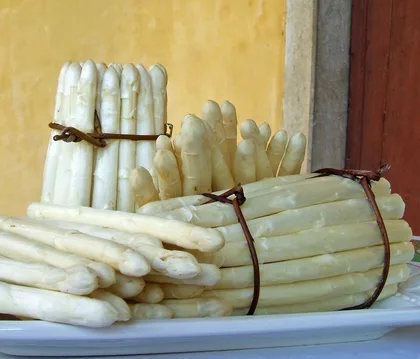 DOPBassano White AsparagusBassano white asparagus is white because it never sees daylight: the spear grows inside a…
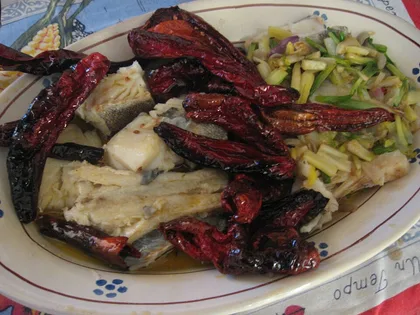 FoodBaccalàBaccalà is North Atlantic cod preserved in salt. It is not the same thing as stoccafisso…
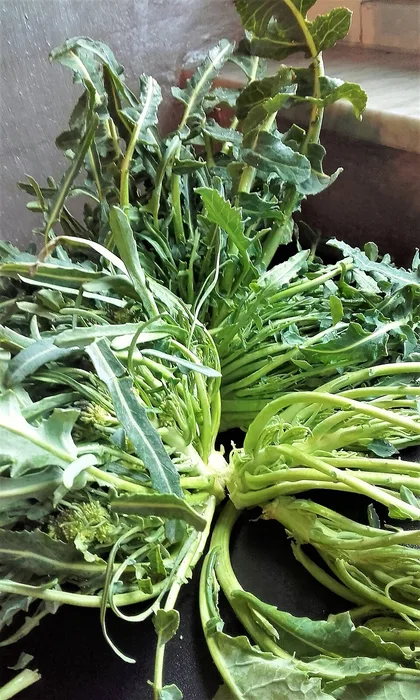 FoodFiolaro BroccoliFiolaro broccoli is not grown for its head but for the fioi, the side shoots that sprout…
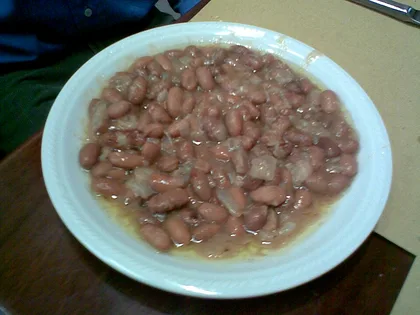 IGPLamon BeansLamon beans are mountain-grown borlotti with a skin so thin it disappears in the mouth and…
What to do here
A cellar visit costs 15 to 35 euro with three or four tastes and has to be booked. If you can choose the month, come between December and February: the drying loft is full or the pressing is under way, and half an hour in front of the crates explains Amarone better than an August tasting.
Beyond wine: the Romanesque church of San Giorgio di Valpolicella with its red marble museum, the Fumane cave (one of the most studied Neanderthal sites in Europe) and the Ponte di Veja up in the Lessini.
The year, month by month
January and February are the months when the dried grapes are pressed: the valley works and there is nobody about. In mid-April Vinitaly fills Verona, and for four days every room within thirty kilometres costs double and is already booked.
May and June are the best: cherries, green hills, quiet cellars. From mid-June the opera at the Arena keeps prices high in Verona, much less so up the valley; in August several estates close. September is the harvest. October and November bring radicchio, new oil and Recioto, without the crowd.
Getting there and getting around
Verona Porta Nuova is on the Milan to Venice line: an hour from Milan, an hour and ten from Venice. Villafranca airport is twenty-five minutes from the valley; by car you leave the A22 at Verona Nord.
Inside the valley you need a car: the buses climb towards Negrar, Fumane and Grezzana on school timetables and are almost absent on Sundays. With three tastings in an afternoon, budget for a driver: the limit is 0.5 g/l and an Amarone is 15.5 degrees.
Frequently asked questions
Amarone, Ripasso or Valpolicella: what should I order at dinner?
Classico Superiore, nearly always: thirteen degrees, right with bigoli and boiled meats, a third of the price. Amarone, at 15 to 16 degrees, is at its best after dinner or with an aged cheese. Ripasso sits in between, but the quality swings a lot.
Can you see the grapes drying?
Only in certain months: the crates go into the loft in late September and the pressing happens between January and February, so from March you find an empty room. Ask when you book, because not every estate has its drying loft on site.
What does a tasting cost and do you need to book?
Between 15 and 35 euro for three or four wines at family estates, more where there is a purpose-built room. An email a few days ahead is enough: the places that welcome anyone who turns up work with coaches.
Better to sleep in Verona or in the valley?
In the valley: you spend less and in the evening you find village kitchens rather than menus in four languages. Verona is worth it only for the opera at the Arena or if you are travelling without a car.