Seven Italian cheeses you can smell from the doorway
Gorgonzola, Strachitunt, Puzzone di Moena, Taleggio, Salva Cremasco, sharp provolone, casu marzu. Behind every strong smell there is a precise technique, and in almost every case it is a washed rind or a mould.
A cheese's smell is not a flaw that time brings along: it is a product of the making, and in Italy it comes from two techniques. The first is the washed rind, rubbing the surface with salted water every few days: that gesture grows bacteria which produce very intense volatile compounds. The second is mould, injected or spontaneous, which breaks down the fats inside the paste.
The gap between smell and taste is the point. Taleggio smells far stronger than it tastes, and anyone avoiding it at the counter is missing a mild cheese; Puzzone di Moena has a name that is a description and a grassy, buttery flavour. In gorgonzola, by contrast, the mould is there in the mouth too, and the whole difference between mild and sharp lies in it.
At the end of the list sit a provolone and a pecorino. Sharp provolone draws its force from kid or lamb rennet rather than from a mould, another road to the same result. Casu marzu is the extreme case and cannot be sold: it is listed among Sardinia's traditional products and does not meet hygiene regulations.
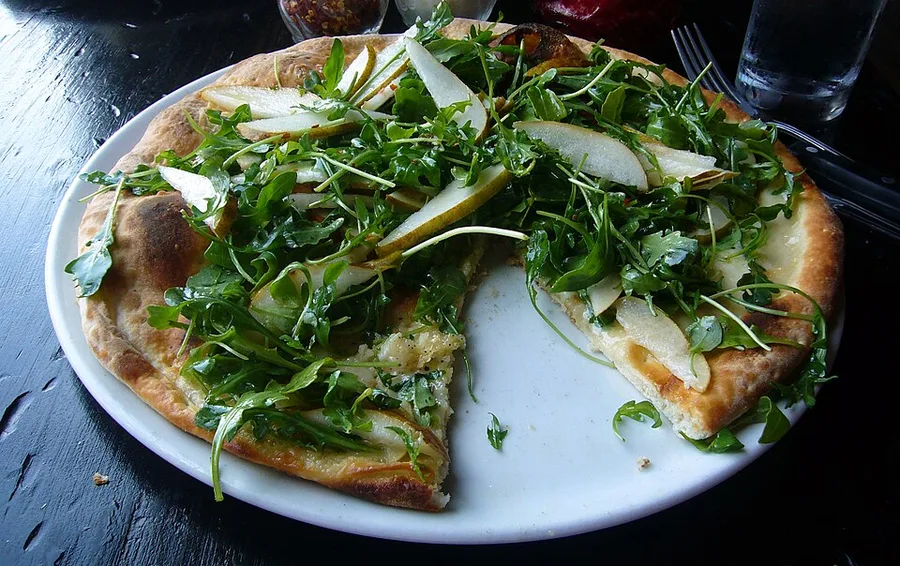 Kent Wang from London, United Kingdom · CC BY-SA 2.0
lombardia · 12-18 €/kg
Square, washed rind, cow's milk, at least thirty-five days in the Val Taleggio. It smells far stronger than it tastes: in the mouth it is mild and buttery. It is also one of Italy's best melting cheeses, over polenta or stirred into a risotto off the heat.
lombardia · 13-19 €/kg
Washed rind, square shape, created to save the spring milk there was too much of. Locally it is eaten with tighe, green chillies in oil: the pairing is not folklore, the vinegar's acidity cuts the fat and quiets the rind's smell.
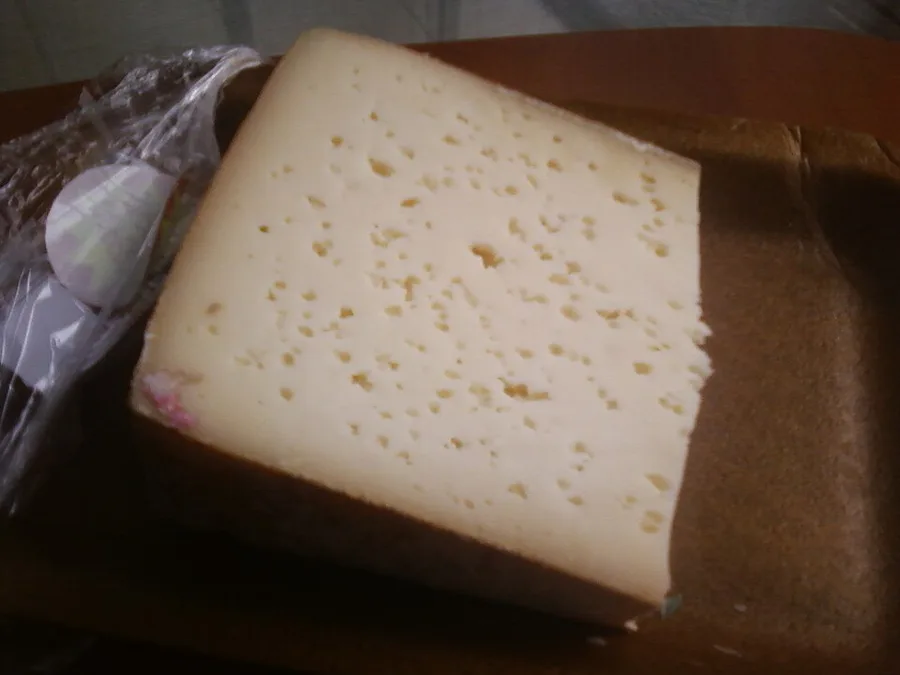 Florixc · CC0
trentino alto adige · 16-24 €/kg
It is called this because it stinks, and it stinks for a precise reason: a rind washed with warm salted water every two or three days throughout the ageing. Raw milk from two milkings, DOP, and a taste far gentler than the smell promises.
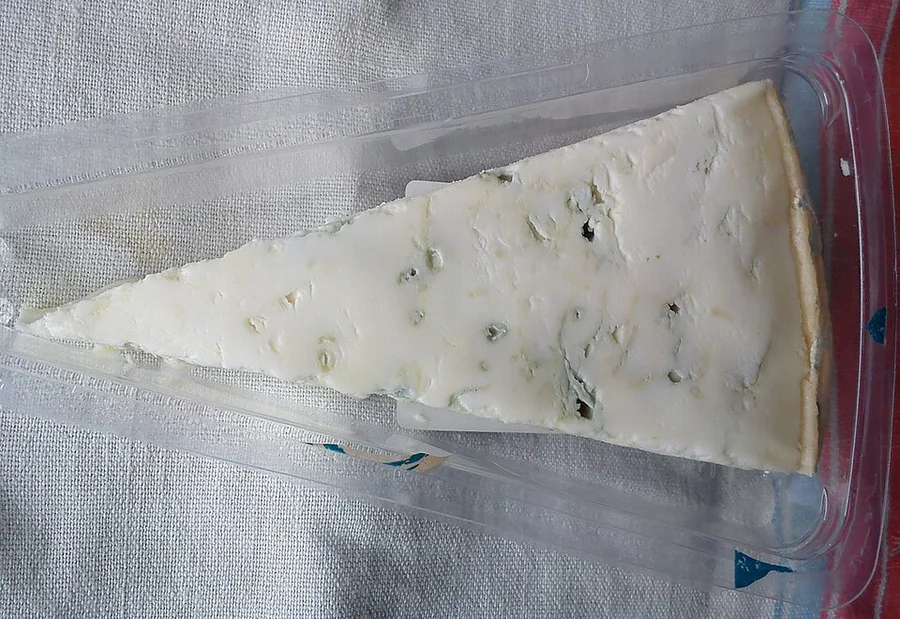 MOs810 · CC BY-SA 3.0
lombardia · piemonte · 10-16 €/kg
The green veins are not a tolerated flaw: they come from a mould inoculated into the milk and then pierced with needles so oxygen can get in. Whole pasteurised cow's milk, Lombardy and Piedmont, two distinct versions, mild and sharp, which are not degrees of one thing.
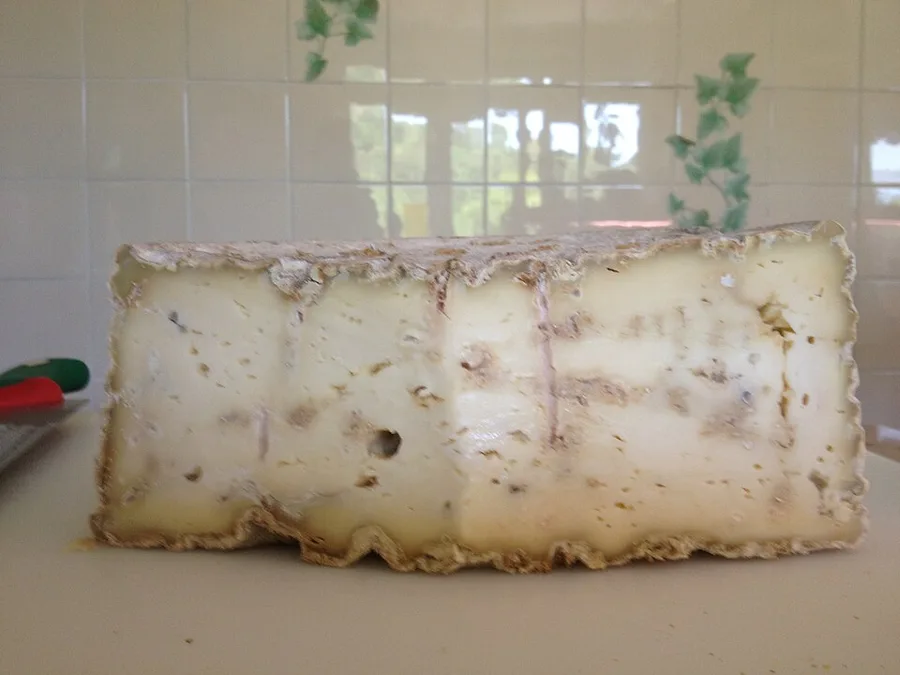 Sistoiv · CC BY-SA 3.0
lombardia · 22-32 €/kg
The ancestor of gorgonzola, in the Val Taleggio: two alternating curds, the cold evening one with the warm morning one, and moulds that arise on their own from the raw milk and the cellar. No inoculation, very few makers, and a blue that is irregular by nature.
 Thomon · CC BY-SA 4.0
lombardia · veneto · 10-14 €/kg
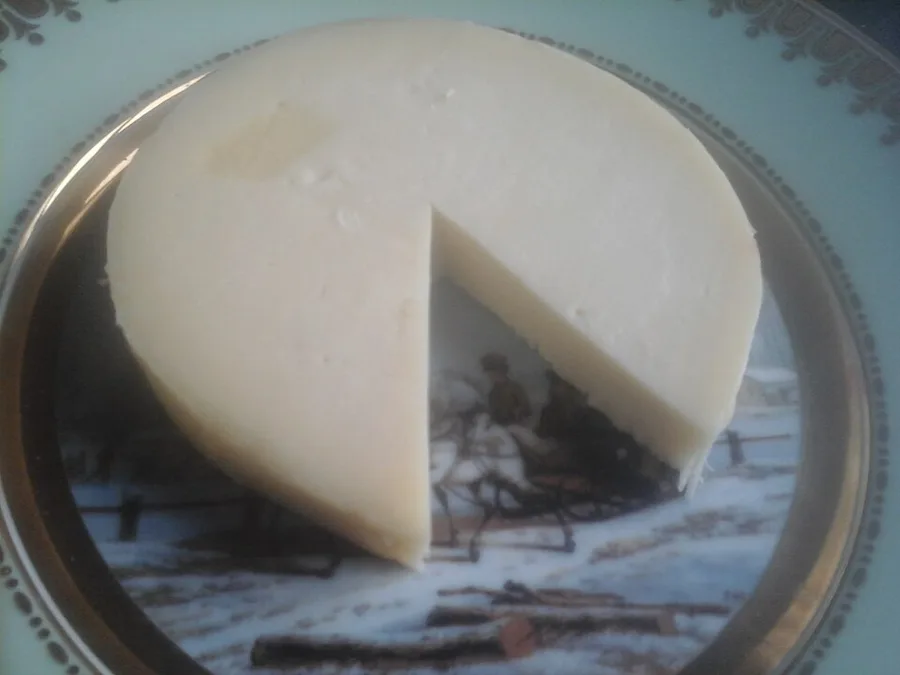
The sharp version takes its force from kid or lamb rennet and from months of ageing, not from a mould. Wheels run from half a kilo to a hundred, tied with string and hung: the larger the wheel, the slower it matures and the further the sharpness goes.
 Shardan · CC BY-SA 2.5
sardegna · 20-50 €/kg
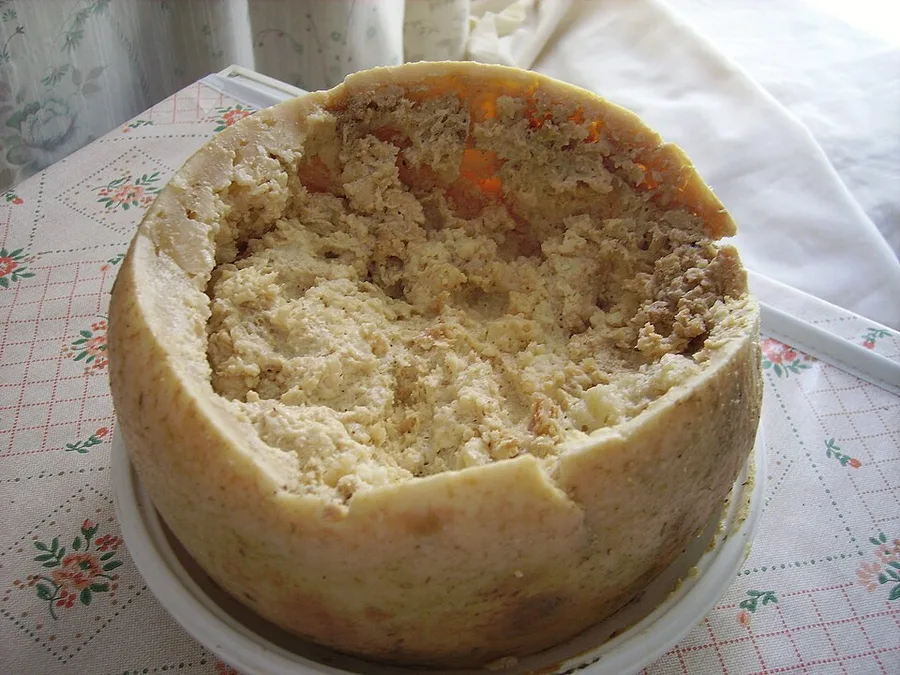
A Sardinian pecorino whose maturing is carried on by the larvae of the cheese fly. Listed among Sardinia's traditional food products and, at the same time, not sellable, because it does not meet hygiene regulations.
One last thing
Smell is handled by what sits next to it on the plate, not by the air in the fridge. A blue wants something sweet beside it, fruit mostarda, honey, a pear: sugar dampens the saline edge of the mould. A washed rind wants the opposite, acidity and crunch, pickles or heavily toasted bread. And a strong cheese must be served at room temperature: cold, the smell stays and the taste does not, which is the worst way to introduce it to someone who claims not to like it.
The questions this list answers
These are real questions put to an AI assistant, in the period when Bing cited this site among its sources to answer them. The number is how many times we were cited. We read them in Bing Webmaster Tools, under AI performance, and they decide what goes on this page rather than the other way round.
- taleggio672 citations
- zola formaggio12 citations
- casu marzu käse223 citations
- taleggio formaggio18 citations
- tallegio cheese12 citations
Frequently asked questions
Why does Puzzone di Moena smell like that?
The washed rind: throughout the ageing the surface is rubbed with warm salted water every two or three days, and that treatment grows bacteria producing very intense volatile compounds. It is a technique, not an accident, and the taste stays far gentler than the smell.
What is the difference between mild and sharp gorgonzola?
Time and paste. The mild one is young, creamy, lightly veined and milky; the sharp one ages longer, has a firm paste, abundant mould and a pungent taste. The rules recognise them as two distinct types, not as degrees of the same cheese.
Is Strachitunt a gorgonzola?
It is its ancestor, and technically a close relative: a two-curd blue in which the moulds arise on their own from the raw milk and the cellar instead of being injected. Modern gorgonzola uses pasteurised milk and selected moulds, and the result is far more consistent.
How do you serve a very strong cheese?
At room temperature, out of the fridge half an hour early, with an accompaniment that works by contrast: sweet for blues, sharp and crunchy for washed rinds. Cold, a strong cheese gives all of its smell and little of its taste.