Fourteen things from Sicily, and the peoples who brought them
Blood orange, Bronte pistachio, salted ricotta, Ragusano, bottarga, cassata, cannoli, granita, arancini, caponata, pasta with sardines. Every layer of Sicilian cooking has a different origin, and you can see it in the ingredients.
Sicilian cooking reads like a stratigraphy. From the Greeks the olive and the vine; from the Arabs citrus, cane sugar, rice, raisins, saffron and dried pasta; from the Normans and Spanish chocolate, tomato and convent sweets. This is not a metaphor: in a single dish, pasta con le sarde, local fish sits with Arab raisins and pine nuts and the island's wild fennel.
The second element is the volcano. The blood orange is red because the nights on Etna are cold and anthocyanins form only that way; the Bronte pistachio grows on lava and is picked every other year; the provola of the Nebrodi and the Ragusano come from uplands where herds still graze. The island does not have one climate, it has four.
The list ends with the sweets, which in Sicily are no side chapter. The cassata is a convent sweet with sheep's ricotta and marzipan; the cannolo is a fried shell filled at the last moment, because filled in advance it goes soft; granita is not an ice cream but another thing, with its own grain and its own temperature.
sicilia · 1.2-2.5 €/kg
Tarocco, Moro and Sanguinello, plus a phenomenon that cannot be copied: the red comes from anthocyanins, which form only where the nights are cold. On the flanks of Etna the temperature swing does the work.
 Paolo Galli · CC BY-SA 3.0
sicilia · 25-40 €/kg
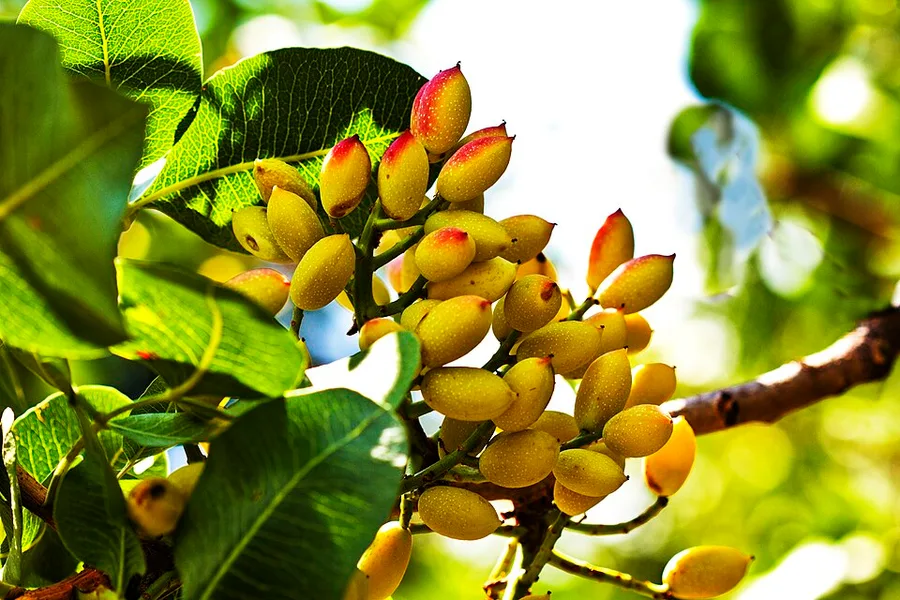
It grows on the lava of Etna, is picked by hand every other year, with a long seed, emerald green right through. Twenty-five to forty euro a kilo in shell, forty to seventy shelled, and the colour is the most honest indicator.
 Paoletta S. · CC BY 2.0
sicilia · 12-18 €/kg
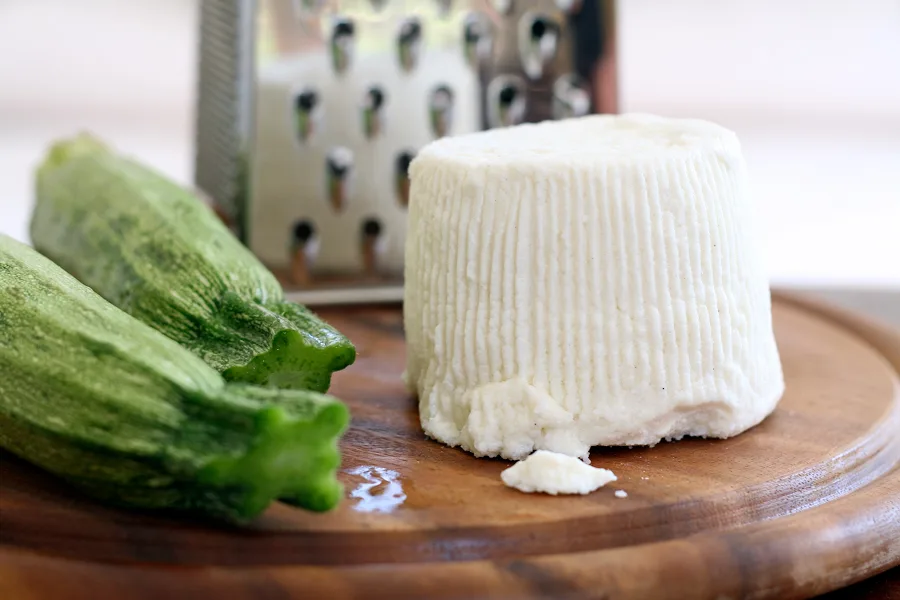
Sheep's ricotta salted, pressed and aged at least three months: white, firm, for grating. It is what goes on pasta alla Norma, and Parmigiano cannot replace it because it must not melt.
sicilia · 13-18 €/kg
A stretched-curd cheese of raw Modicana milk, in blocks of ten to sixteen kilos tied in pairs and hung across a beam. In the Iblean dialect it is called scaluni, steps, from the way those rows look.
 HaguardDuNord · CC BY 4.0
sicilia · 18-25 €/kg
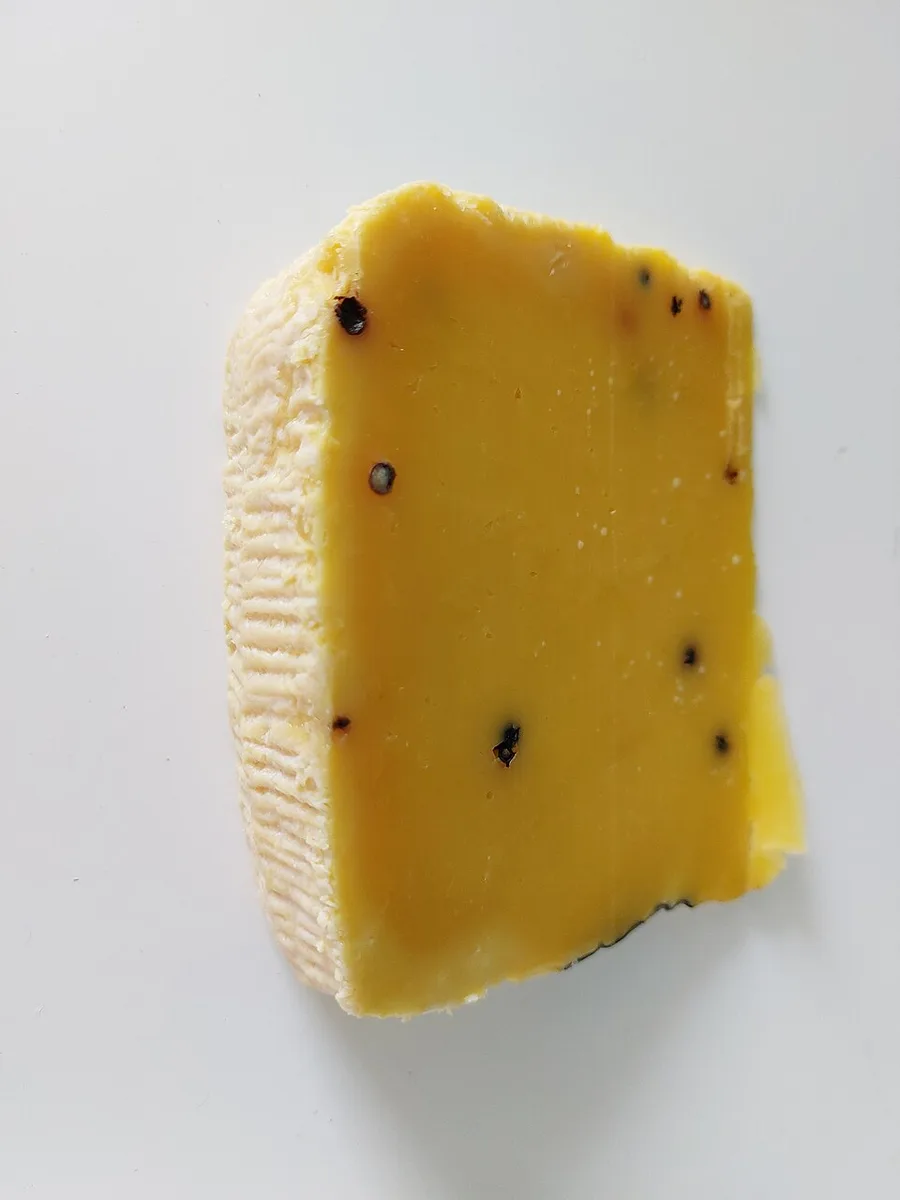
The only Italian cheese made with saffron: paste as yellow as a yolk and whole black peppercorns. A raw-milk pecorino from the interior, and the name has nothing to do with Piacenza.
 Radobera · CC BY-SA 3.0
sardegna · sicilia · 200-320 €/kg
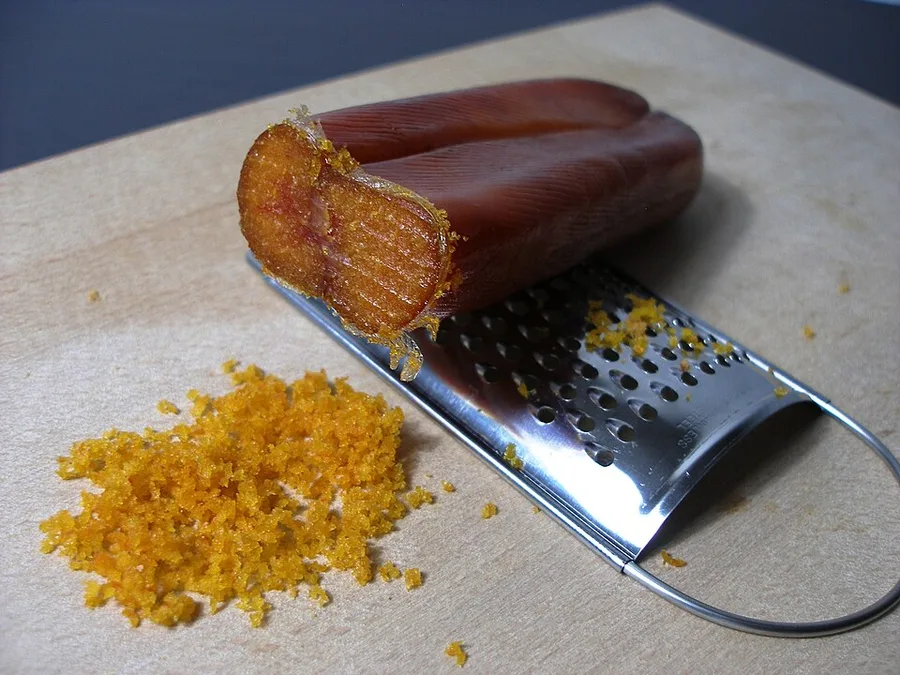
Mullet or tuna roe, salted, pressed and cured. The mullet kind is grated off the heat, because above sixty degrees it turns bitter; the tuna kind is shaved over raw dishes.
 Dedda71 · CC BY 3.0
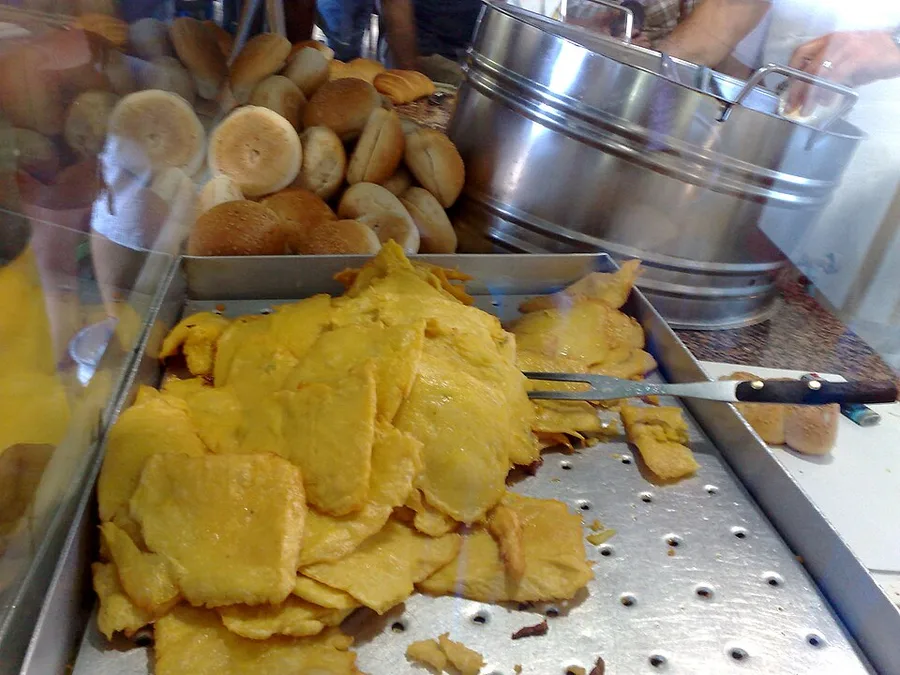
sicilia · 4-7 €/kg
Chickpea flour fritters: a porridge spread very thin, cooled, cut and fried. In Palermo they are eaten inside soft bread with lemon, and they cost about as much as a coffee.
 Rino Porrovecchio · CC BY-SA 2.0
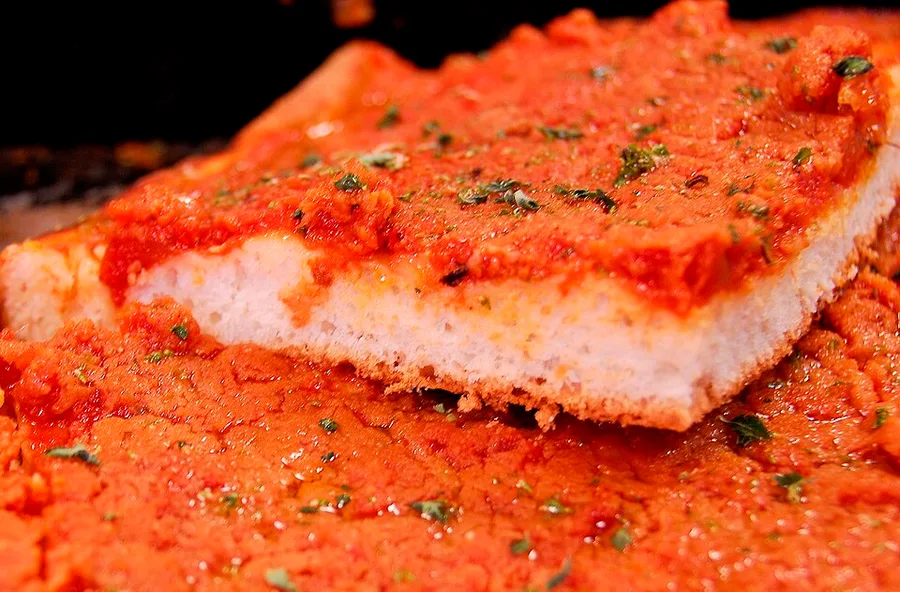
sicilia · 8-14 €/kg
The tall, spongy focaccia of Palermo: onion and tomato, melted anchovies, cubes of caciocavallo in the dough and toasted breadcrumbs on top. No mozzarella, ever.
- 09
Caponata
sicilia · 1 h 20′
Aubergine fried separately, a sweet-and-sour of vinegar and sugar, an hour and twenty. It is eaten at room temperature the next day: the sweet-sour needs time to spread, and freshly made it just tastes sharp.
sicilia · 50′
Fifty minutes: aubergine deep-fried, tomato, basil, flakes of salted ricotta. Oven-roasted aubergine gives another dish, drier: frying is what makes it creamy.
sicilia · 1 h 10′
Bucatini, flaked sardines, wild fennel, raisins, pine nuts, saffron, and toasted crumbs instead of cheese. The wild fennel has no substitute: it is what holds sweet and salt together.
sicilia · 1 h 40′
A hundred minutes. Cooling the rice decides everything: warm, it will not hold its shape and the ball opens in the oil. In Palermo they are arancine and round, in Catania arancini and pointed.
sicilia · 2 h 25′
Two and a half hours: sieved and sweetened sheep's ricotta, sponge, green marzipan, candied fruit. The ricotta is sieved twice and not worked for long, or it releases whey and the cassata weeps.
 OppidumNissenae · CC BY-SA 4.0
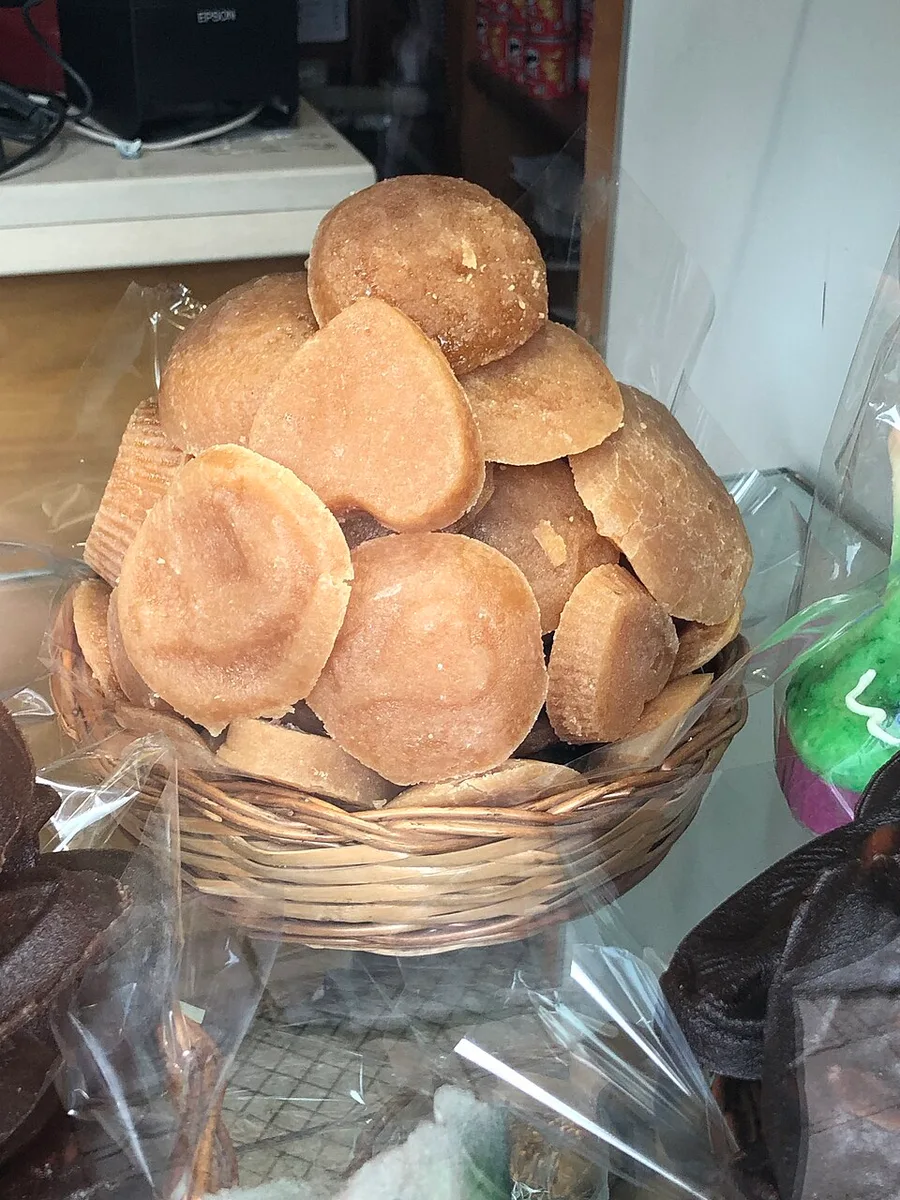
sicilia · puglia · 2-4 €/kg
Quince pulp cooked with sugar until solid, pressed into terracotta moulds and dried in the sun. It is cut into squares and keeps for months: the oldest fruit preserve on the island.
One last thing
Sweet and sour is Sicily's technical signature, and it nearly always wants rest. In caponata the vinegar and sugar go in at the end and the dish is eaten the next day, at room temperature: freshly made, the vinegar stands in front and covers everything else. In pasta con le sarde the raisins and pine nuts do the same work without vinegar, and the wild fennel holds the two registers together. In both cases serving them hot and immediately is the commonest error, and it shows: the sweet and the sour have not finished arguing yet.
The questions this list answers
These are real questions put to an AI assistant, in the period when Bing cited this site among its sources to answer them. The number is how many times we were cited. We read them in Bing Webmaster Tools, under AI performance, and they decide what goes on this page rather than the other way round.
- ricotta salata cheese469 citations
- cotognata590 citations
- casu marzu käse223 citations
- arancia rossa135 citations
- sicilian orange75 citations
- what is ricotta salata cheese36 citations
- ricota salata36 citations
- bronte pistachio40 citations
- what is ricotta salata30 citations
- arancia rossa di sicilia16 citations
- cassatella20 citations
- arancini siciliani ricetta originale7 citations
- tutte le sagre in sicilia19 citations
- capra girgentana8 citations
- ricotta salata10 citations
- Bottarga15 citations
Frequently asked questions
What is salted ricotta?
Sheep's ricotta salted, pressed and aged for at least three months, until firm enough to grate. It does not come from milk coagulated like a cheese but from whey. In Sicily it is the ingredient that finishes pasta alla Norma, and it sits on the plate in flakes because it is not meant to melt.
Why is the Bronte pistachio green?
The variety and the harvest. Pistacchio Verde di Bronte DOP has a long seed, emerald green right through, under a violet skin, and it is picked by hand every other year on lava terraces. In shelled products the colour remains the most reliable indicator.
Arancini or arancine?
It depends on the city: in Catania and along the east coast they are arancini and pointed, in Palermo arancine and round. Both shapes are traditional and the rice, with saffron, is the same. The difference in shape does not change the recipe; the difference in name will not end.
When do you eat caponata?
The day after making it, at room temperature. The sweet-and-sour of vinegar and sugar needs hours to spread through: freshly made, the vinegar dominates. It is also why it is made in quantity, because for the first two or three days in the fridge it keeps improving.