Ten Italian products that grow on a volcano
Piennolo on the ash of Vesuvius, pistachio on the lava of Etna, blood oranges at the foot of Etna, San Marzano on volcanic soils, Sorrento lemons on lapilli and limestone, Genzano bread with the water of the Colli Albani.
Volcanic soil has three characteristics that matter more in farming than any technique: it drains, it warms quickly and it is rich in potassium. Draining means roots that do not suffer standing water; warming means earlier ripening; potassium means sugars and aromas. This is not poetry about terroir, it is agronomy.
The piennolo tomato is the most extreme case: it grows on the lava ash of Vesuvius without a drop of water, and that absence of irrigation concentrates everything. The blood orange is the most precise: the red comes from anthocyanins, which form only with cold nights and warm days, that is on the plain at the foot of Etna and in few other places in the world.
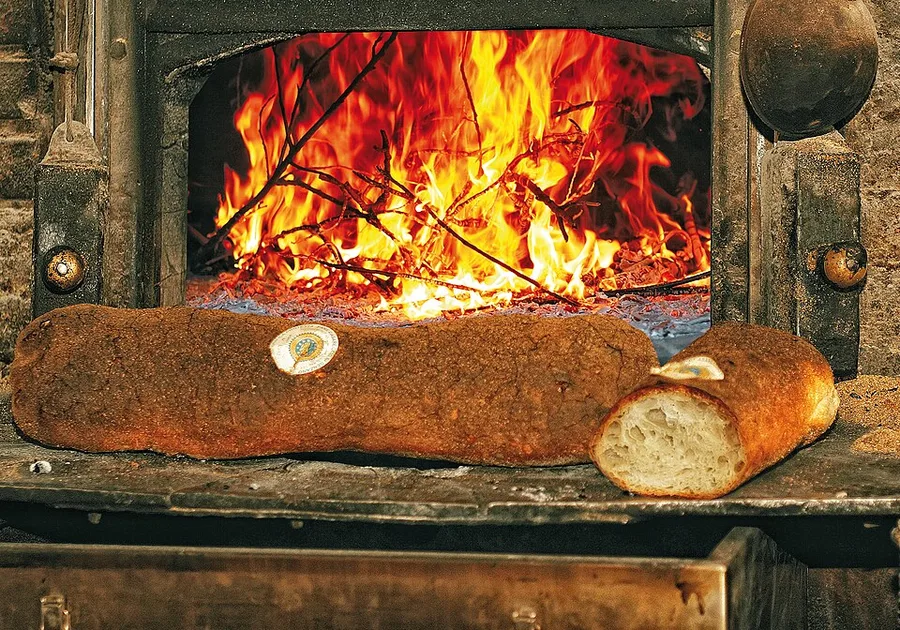
And then there is water, the least obvious case. Genzano bread is IGP partly for the water of the volcanic springs of the Colli Albani, rich in minerals and low in hardness, which goes into the dough. That is not a bureaucratic detail: water hardness changes how gluten behaves, and in a naturally leavened bread it shows.
campania · 6-12 €/kg
It grows on the lava ash of Vesuvius without a drop of water: the absence of irrigation is the reason for the thick skin and high acidity, which keep it hanging in the cellar until winter.
 Assianir · CC BY-SA 3.0
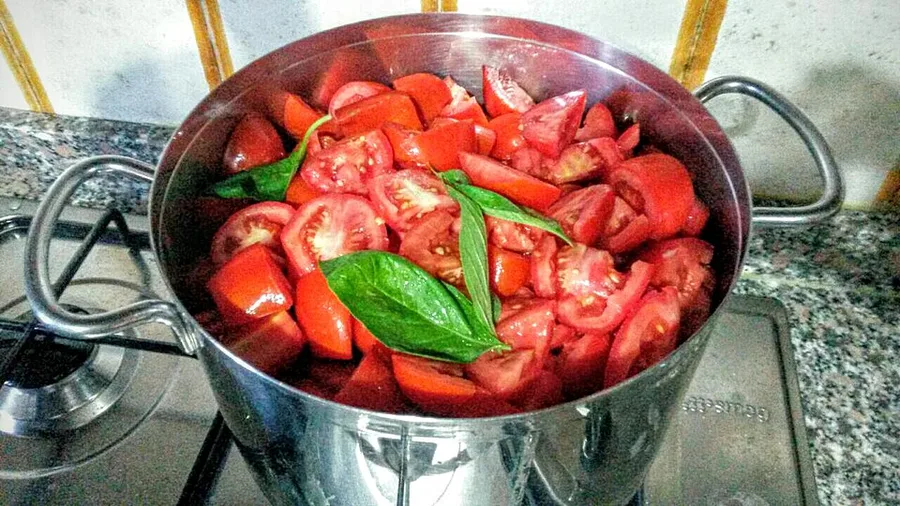
campania
A long peeling tomato grown on the volcanic soils between Salerno and Naples, in the Agro Sarnese-Nocerino: deep, free-draining, rich ground that gives a fruit low in water and in seeds.
 Paolo Galli · CC BY-SA 3.0
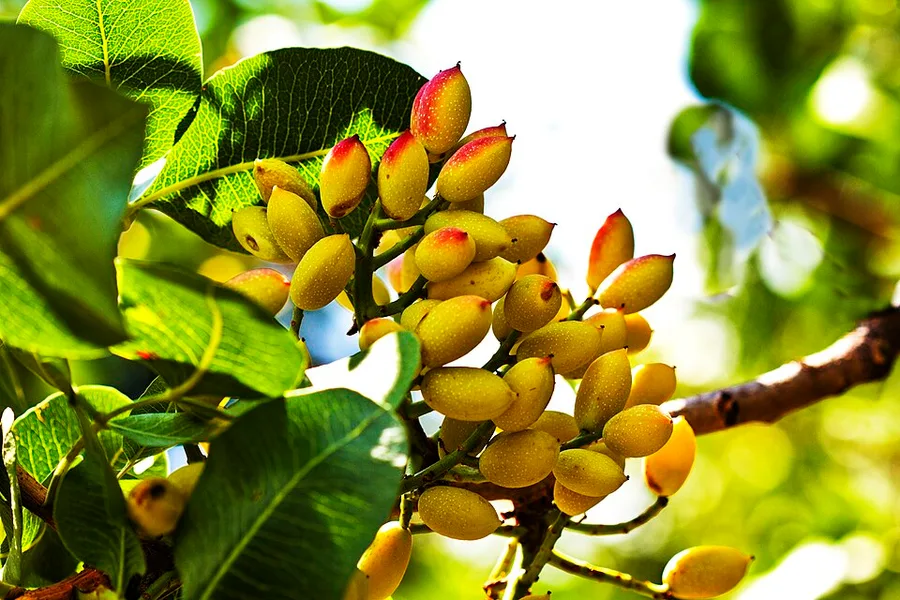
sicilia · 25-40 €/kg
It grows on the lava of Etna, on terraces where no machine can work: picked by hand every other year, because the tree is rested. Twenty-five to forty euro a kilo in shell.
sicilia · 1.2-2.5 €/kg
The red comes from anthocyanins, which form only with cold nights and warm days: the plain at the foot of Etna is one of the few places in the world where that swing happens every year.
 Brad Coy · CC BY 2.0
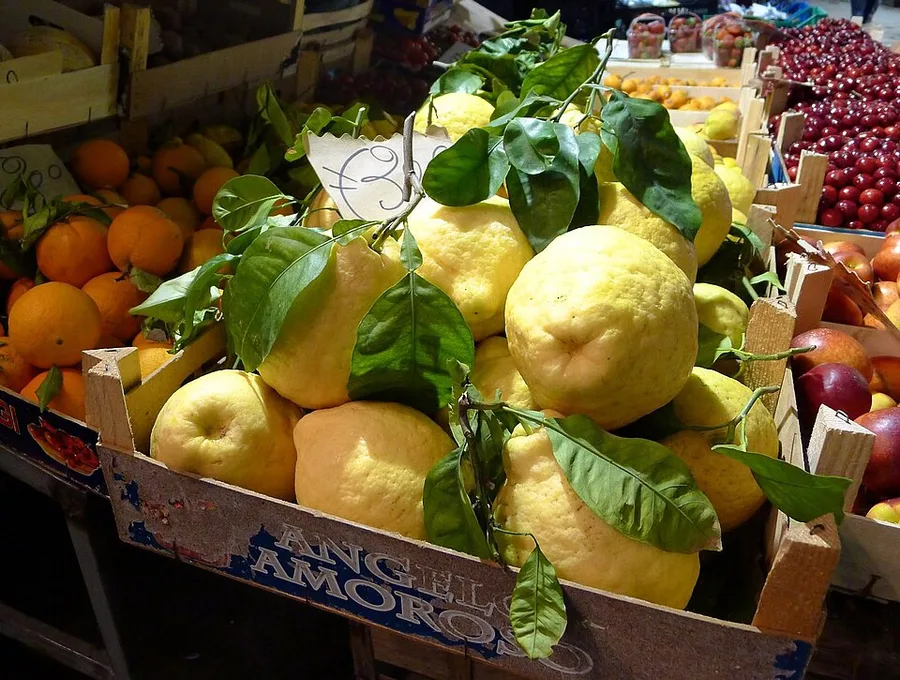
campania · 2.5-4 €/kg
The soil is ash and lapilli from Somma-Vesuvio laid over the limestone of the Monti Lattari: it drains well and warms up, and under the chestnut pergolas it gives the lemon with the most essential oil in its peel.
campania · 1.5-3 €/kg
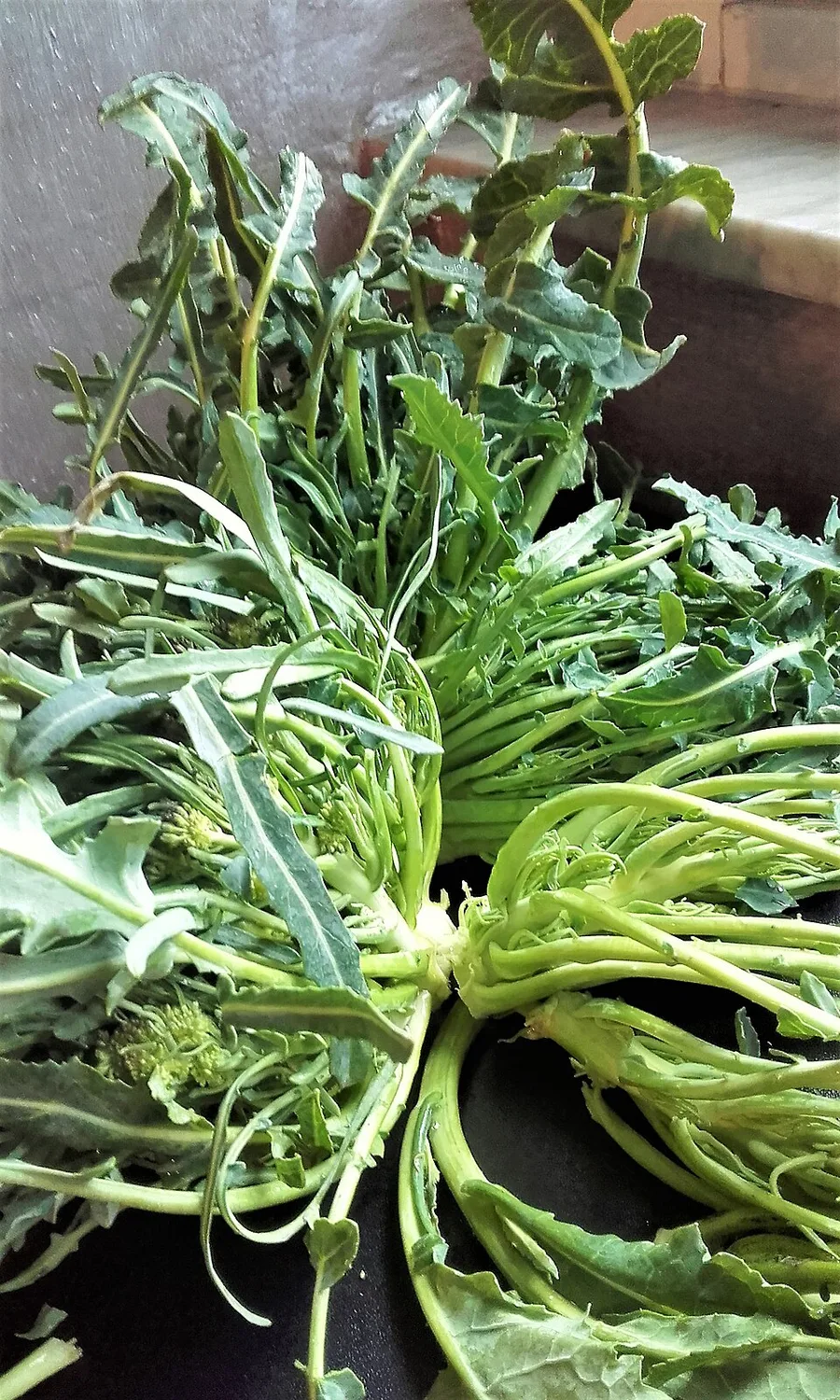
They grow around Acerra, Pomigliano, Marigliano and Nola, where loose volcanic soils and months that are cold but not freezing give tender shoots. It is the same plain as the San Marzano, a different crop.
 Stefano Pellicciari · CC BY-SA 2.0
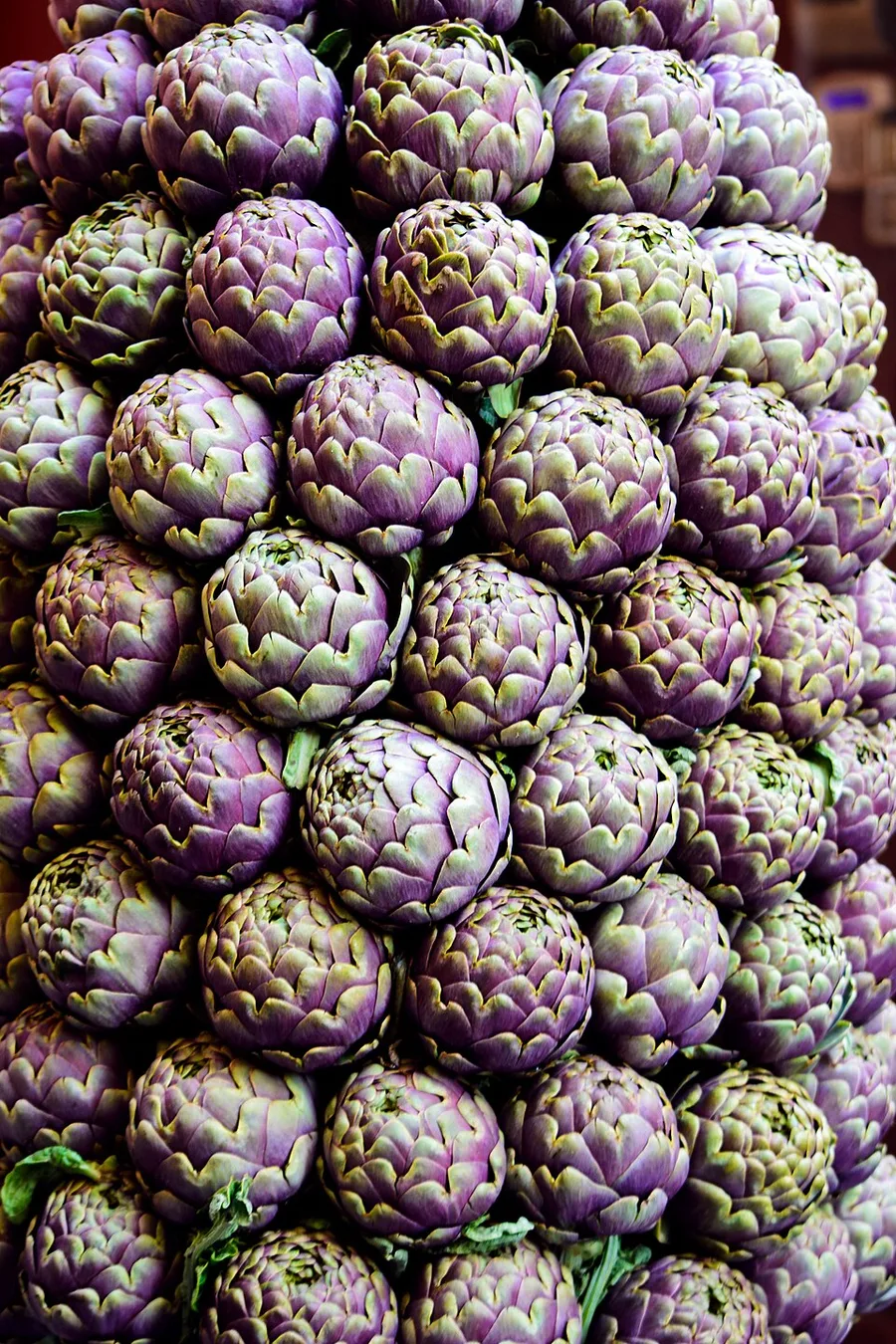
lazio
The soils of the Lazio coastal strip are volcanic or alluvial, deep, well drained and rich in potassium: that is what gives large, spineless heads, from February to May.
 Luigi Mancini at Italian Wikipedia · CC BY-SA 3.0
lazio · 3.5-5 €/kg
IGP partly for its water: that of the volcanic springs of the Colli Albani, rich in minerals and low in hardness, goes into the dough. Water hardness changes how gluten behaves.
 Lichinga · CC BY-SA 4.0
veneto
It grows on Monte Crocetta, little more than two hundred metres but volcanic in origin, like most of the hills between the Berici and the Lessini. It is picked only after the first frost, which makes it sweet.
 Kars Alfrink · CC BY 2.0
basilicata · 3-5 €/kg
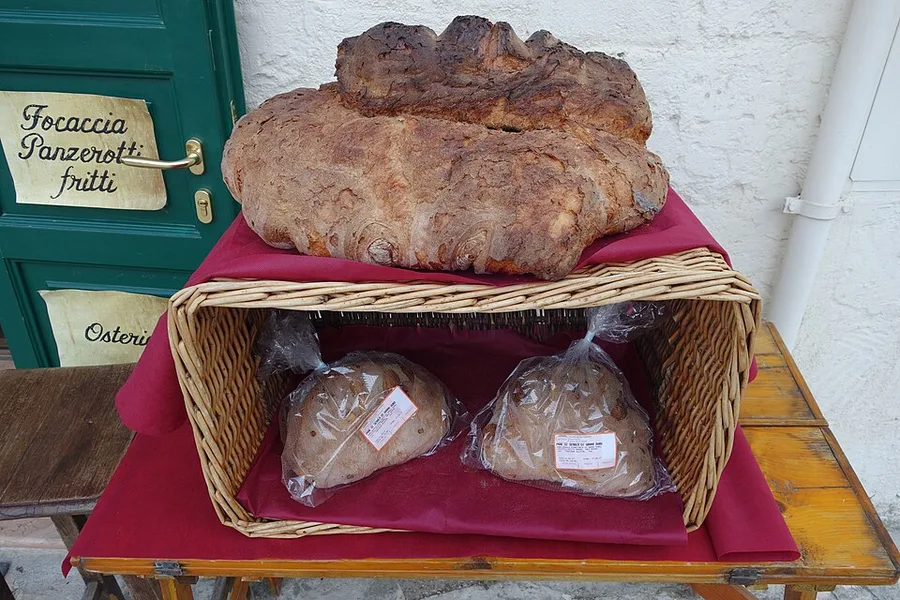
Here there is no volcano but there is the stone: the loaves were taken to neighbourhood ovens dug into the tufo, one for every few clusters of houses. Stone holds heat, and the bread kept for a week.
One last thing
Volcanic soil does not make a product good by magic: it makes possible things that elsewhere would cost water and fertiliser. The piennolo grows dry because the ash holds the little that is needed; the blood orange takes its colour because altitude and position give cold nights; the pistachio sits on terraces no machine can reach, which is also the reason for its price. When a set of rules defines a volcanic zone it is protecting this, not a label: a combination of soil and climate that does not move.
The questions this list answers
These are real questions put to an AI assistant, in the period when Bing cited this site among its sources to answer them. The number is how many times we were cited. We read them in Bing Webmaster Tools, under AI performance, and they decide what goes on this page rather than the other way round.
- arancia rossa135 citations
- sicilian orange75 citations
- bronte pistachio40 citations
- san marzano tomatoes dop20 citations
- pomodori del piennolo7 citations
- friarielli cosa sono16 citations
- carciofo romanesco63 citations
- dop san marzano tomatoes12 citations
- arancia rossa di sicilia16 citations
Frequently asked questions
Why is volcanic soil good for farming?
For three reasons: it drains well, so roots do not suffer standing water; it warms quickly, so ripening comes earlier; and it is rich in potassium, which favours sugars and aromas. That is why the slopes of volcanoes grow crops that elsewhere need irrigation.
Is the piennolo tomato irrigated?
No: it grows dry on the lava ash of Vesuvius, and that is the technical reason for its thick skin and high acidity. Those two characteristics are also what allow the bunches to be hung in a cellar and eaten into the winter.
Why does the water matter in Genzano bread?
Because water hardness changes how gluten and fermentation behave. The water of the volcanic springs of the Colli Albani is rich in minerals and low in hardness, and the IGP rules treat it as part of the product rather than a detail.
Can blood oranges be grown outside Sicily?
The trees yes, the colour no. The anthocyanins that give the red form only with a strong day-night swing, and in more even climates the same clones give orange or barely streaked fruit. It is a climatic condition, not an agronomic technique.