Thirteen Italian pulse dishes, and the two rules that cover them all
Castelluccio lentils that are never soaked, Lamon and zolfino beans, cicerchia, Garfagnana farro, pasta e fagioli, jota, broad bean purée, panissa, chickpea farinata.
Pulses have two rules, and nearly every mistake comes from reversing them. First: the salt goes in at the end, because added at the start it toughens the skins and lengthens the cooking, sometimes considerably. Second: soaking depends on the skin, and it is not the same rule for everyone.
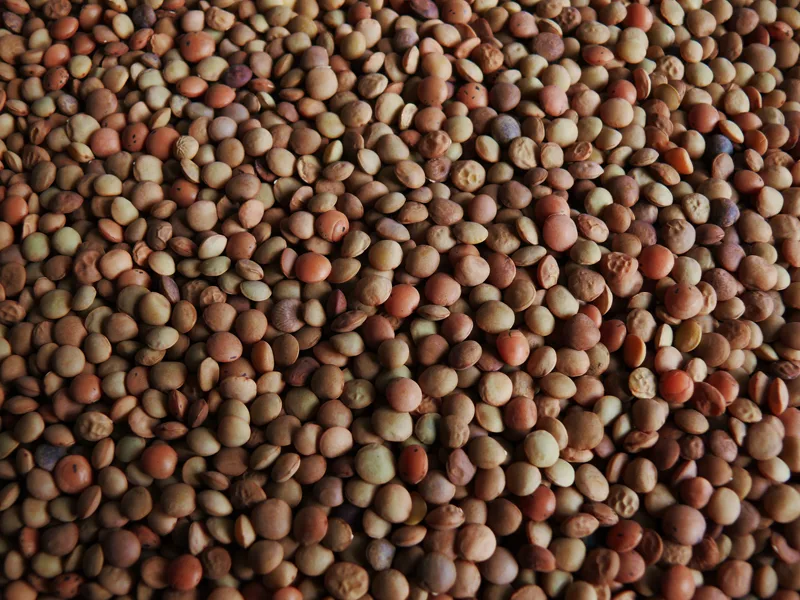
Castelluccio lentils are the exception worth knowing: their skin is so thin that water opens them before cooking, and in the pot they turn to cream instead of staying whole. They are not soaked, and they cook in twenty or thirty minutes from cold water. Cicerchia sits at the other extreme, and its own page explains the long soak with changes of water it requires.
The third element is starch, which in pulses does what crumb does in bread: it binds. In pasta e fagioli part of the beans is puréed and the rest left whole, and the puréed part is the sauce; in broad bean purée you work with a spoon against the bottom of the pot, without a blender; in panissa the body comes from the starch of the Saluggia beans rather than from butter, because there is no mantecatura.
 Zyance · CC BY-SA 2.5
umbria · 18-25 €/kg
They grow at thirteen hundred metres on the Pian Grande and must not be soaked: the skin is so thin that water opens them. Twenty or thirty minutes from cold water, salt only at the end.
 Xaura · CC BY-SA 3.0
veneto · 8-15 €/kg
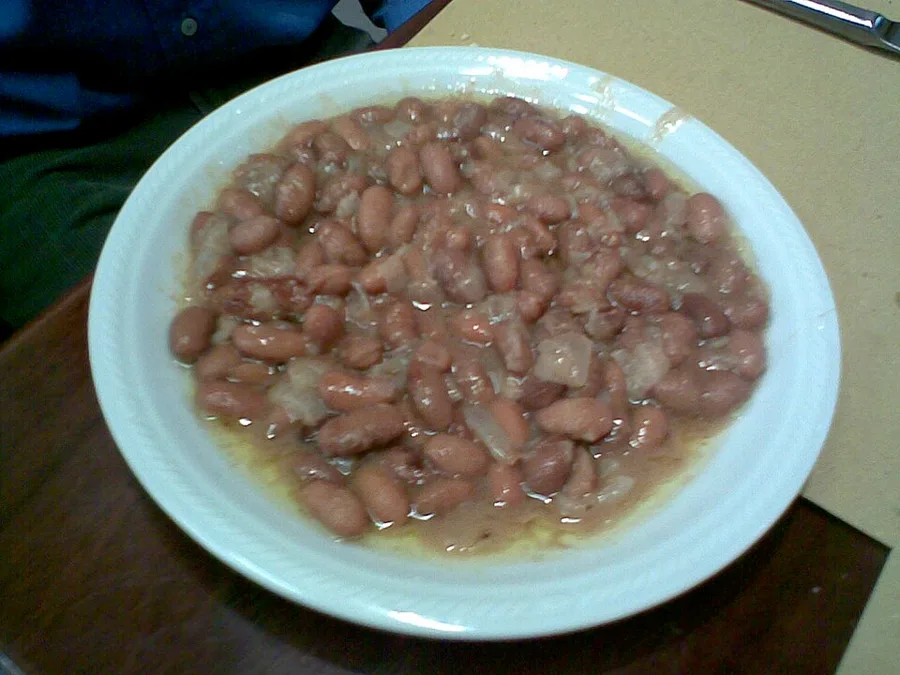
A mountain borlotto IGP with a skin so thin it disappears in the mouth and a flesh that breaks into cream: it cooks faster than a lowland borlotto and wants no salt until the end.
toscana
Small, round, sulphur yellow, with a very thin skin: cooked in an earthenware pot without stirring, because it breaks. It costs four times a cannellino and gives a natural cream.
umbria · marche
The oldest and most awkward pulse in Italy: it feeds where nothing else grows and requires a long soak with changes of water, as its own page explains. It survives in a few Apennine strongholds.
 fugzu · CC BY 2.0
toscana · 4-8 €/kg
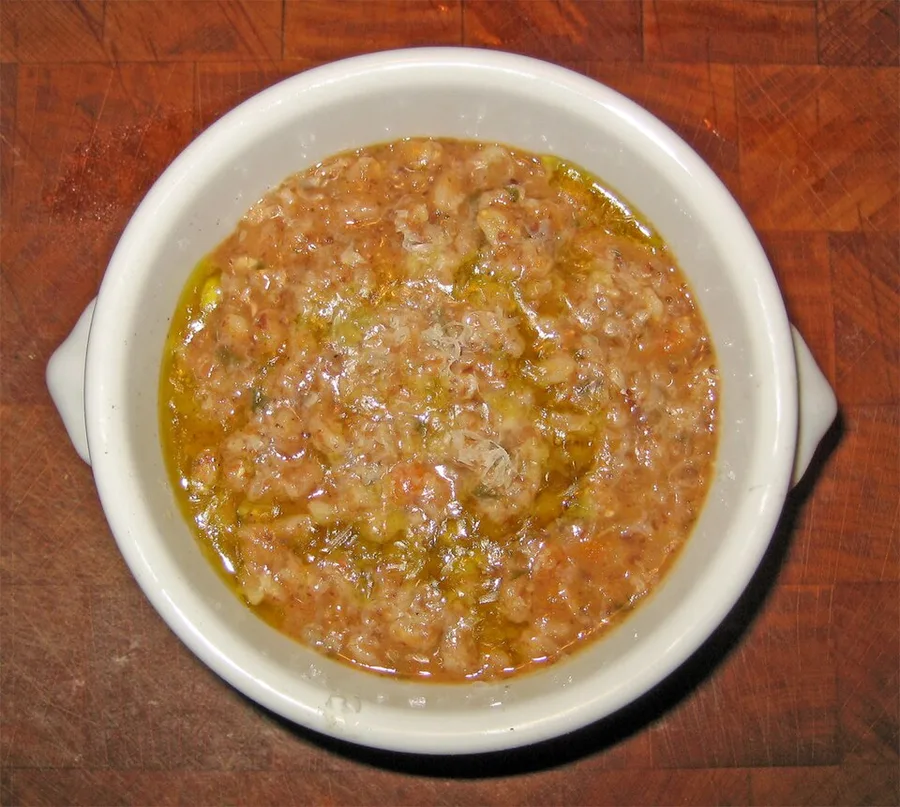
Hulled farro IGP: it wants hours of soaking, and without them it stays hard while the beans beside it collapse. That is why many farro and bean soups fail.
 walimai73 · CC BY-SA 2.0
veneto · 2 h 50′
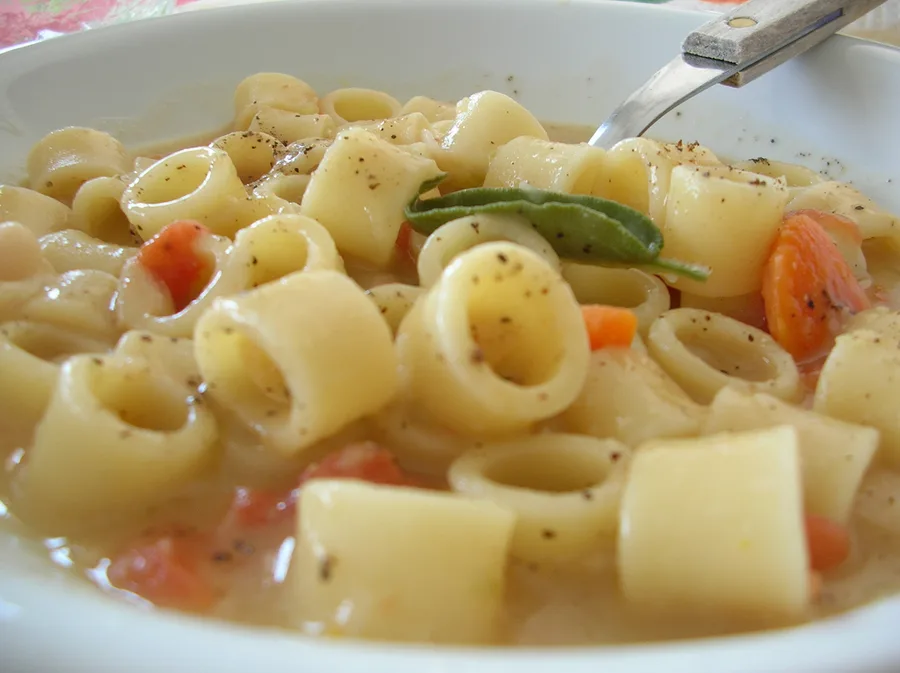
Two hours fifty: part of the borlotti is puréed and part left whole, with the pasta cooked in the pot. Salt only at the end, because earlier it toughens the skins and the beans never soften.
toscana · 2 h 25′
Two hours twenty-five: farro and beans, a base of pounded lardo and part of the pulses puréed to bind. The farro's soaking decides everything, and it is done the night before.
puglia · 1 h 50′
Two hours: dried split broad beans cooked until they collapse and worked to a cream with a spoon, with boiled chicory and raw oil. No blender: the cream is made by moving the spoon against the bottom.
piemonte · 2 h 5′
Two hours and five minutes: Baraggia rice with Saluggia beans, salam d'la duja and pork rind. No mantecatura, and the body comes from the pulses' starch: adding butter would make it another dish.
- 10
Jota
friuli venezia giulia · 2 h 55′
Two hours fifty-five: sour sauerkraut, beans and potato with smoked pork, bound by a pounded paste of lardo, garlic and flour. The kraut's acidity is what separates it from other bean soups.
 Julie Anne Workman · CC BY-SA 3.0
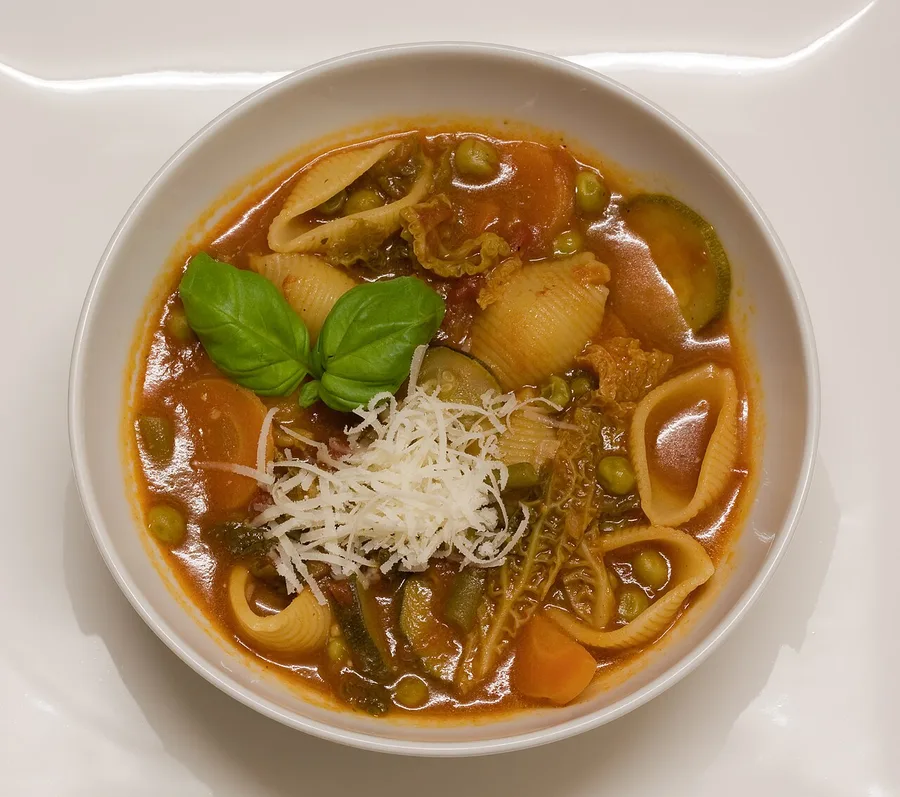
liguria · 2 h 5′
Two hours and five minutes: vegetables and beans cooked with no soffritto, starting from cold in water, with the pesto added off the heat. Cooked pesto oxidises and turns bitter, the one way to get it wrong.
liguria · 29′
Twenty-nine minutes: chickpea flour, water, oil and salt in a pan, a fierce oven. No leavening and no gluten, because the flour is from pulses: the rest serves only to skim the foam.
veneto · 1 h 10′
An hour and ten: rice and new peas, with broth made from the pods, which elsewhere are thrown away. Thicker than a soup and looser than a risotto, it is eaten with a spoon.
One last thing
One thing simplifies everything: the pot. Pulses with thin skins, zolfini, Lamon beans, Castelluccio lentils, break when stirred, and they want a still, slow cooking, traditionally in earthenware, which spreads the heat instead of concentrating it at the bottom. Cover them with cold water, bring them gently to a tremble and leave them alone: if they need moving, shake the pot by its handles. A spoon, in a pot of zolfini, is the fastest way to turn a dish of whole beans into a purée.
The questions this list answers
These are real questions put to an AI assistant, in the period when Bing cited this site among its sources to answer them. The number is how many times we were cited. We read them in Bing Webmaster Tools, under AI performance, and they decide what goes on this page rather than the other way round.
- what are castelluccio lentils1,017 citations
- was sind castelluccio linsen?757 citations
- fagioli zolfini48 citations
- umbrian lentils15 citations
- cicerchie legumi10 citations
- farinata ricetta19 citations
- ricetta farinata di ceci12 citations
- minestrone alla genovese294 citations
- come fare la farinata di ceci6 citations
Frequently asked questions
Do pulses always need soaking?
No. It depends on the skin: dried beans, chickpeas and cicerchia do, for anywhere from eight to twenty-four hours with changes of water. Small lentils such as those of Castelluccio do not, because their very thin skin opens in soaking and they collapse in the pot.
When do you salt a pot of pulses?
At the end, once they are already soft. Salt added at the start toughens the skins and lengthens the cooking, sometimes considerably: it is the commonest cause of beans that never soften, more than hard water or old stock.
Why are zolfino beans never stirred?
Because the skin is extremely thin and breaks easily: a couple of turns with a spoon turn whole beans into purée. They are cooked in an earthenware pot, covered with cold water, over the lowest heat, and if they need moving you shake the pot.
What difference does an earthenware pot make?
It spreads heat more evenly and holds it, so the cooking stays at a steady tremble without swings: exactly what thin-skinned pulses need. In a thin pan the base runs hotter and the pulses stick or break.