Ten Italian things born from a fault, a scrap or a stopgap
Vastedda from pecorino wheels that swelled, burrata from the trimmings of spinning, ribollita from yesterday's bread, fried pizza from bombed ovens, head cheese from what nobody would buy.
A good part of Italian cooking was not invented but salvaged. Something was going off, something was left over, something would not sell, and the solution found to avoid waste became the recipe. It is not a romantic story, it is household accounting.
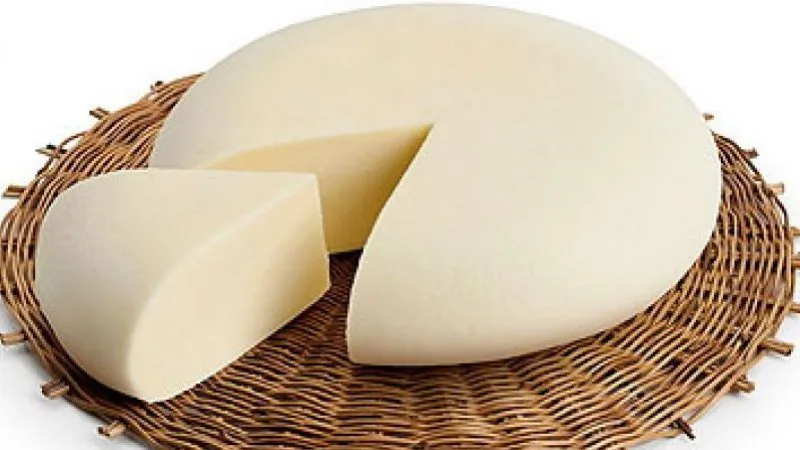
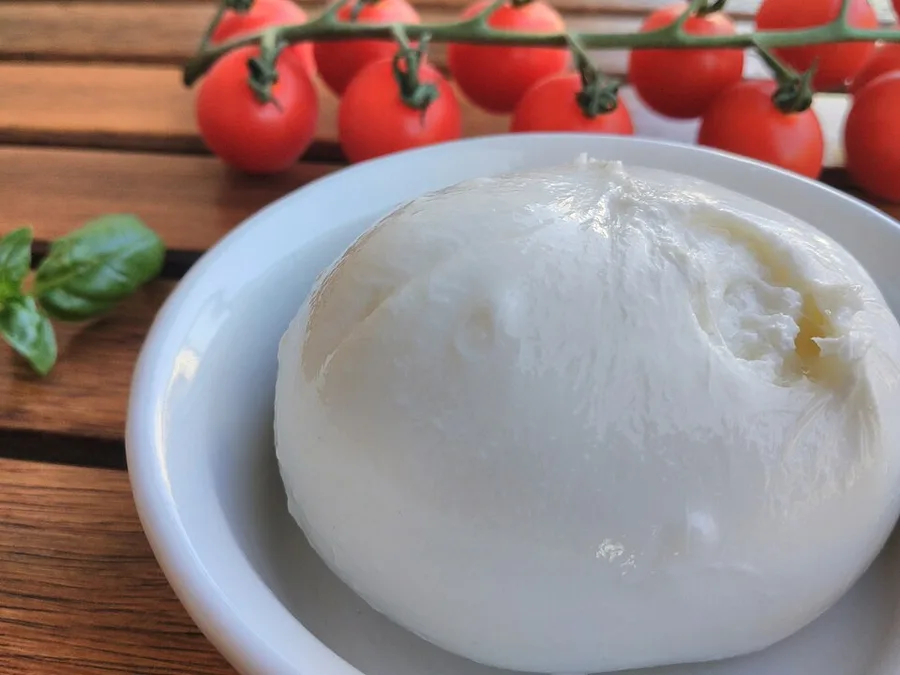
The vastedda of the Belìce is the clearest case: in summer the pecorino wheels swelled and spoiled, and the shepherds, rather than throw them out, broke them up and spun them in boiling water. The result is the only stretched-curd sheep cheese in the world, now DOP. Burrata was born in Andria in the nineteen twenties to use the trimmings of spinning before they spoiled.
Neapolitan fried pizza is a wartime stopgap: the ovens were destroyed, the dough was not, so it was fried. Ribollita is yesterday's bread boiled twice. Head cheese uses the part of the animal nobody would buy. In every one of these cases the product that came out now costs more than the thing being saved.
 Lele1989 · CC BY-SA 4.0
sicilia · 14-20 €/kg
In summer the pecorino wheels swelled and spoiled: rather than throw them away the shepherds broke them up and spun them in boiling water. Today it is DOP and the only stretched-curd sheep cheese in the world.
 Popo le Chien · CC0
puglia · 14-20 €/kg
The leftover shreds of stretched curd were drowned in cream and closed inside a pouch of the same cheese. Andria, the nineteen twenties: a way of using scraps that became an IGP cheese.
 8w9d · CC003
Ricotta
lazio · sicilia · 5-9 €/kg
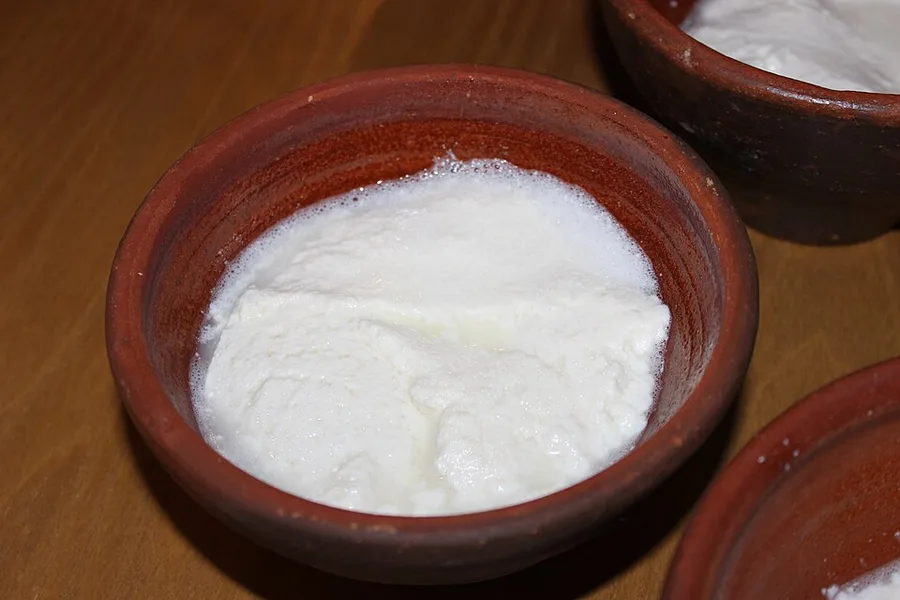
Not a cheese: it is made by heating the whey, what is left over from cheesemaking. The name describes the process, cooked a second time, and the entire product comes from refusing to throw a liquid away.
piemonte · liguria · 12-20 €/kg
The head boiled, boned while hot, seasoned and pressed until the gelatine binds it. It uses the part nobody would buy, and costs a quarter of other cured meats: the thrift is still written in the price.
 Nirhan · CC BY-SA 4.0
trentino alto adige · 12-18 €/kg
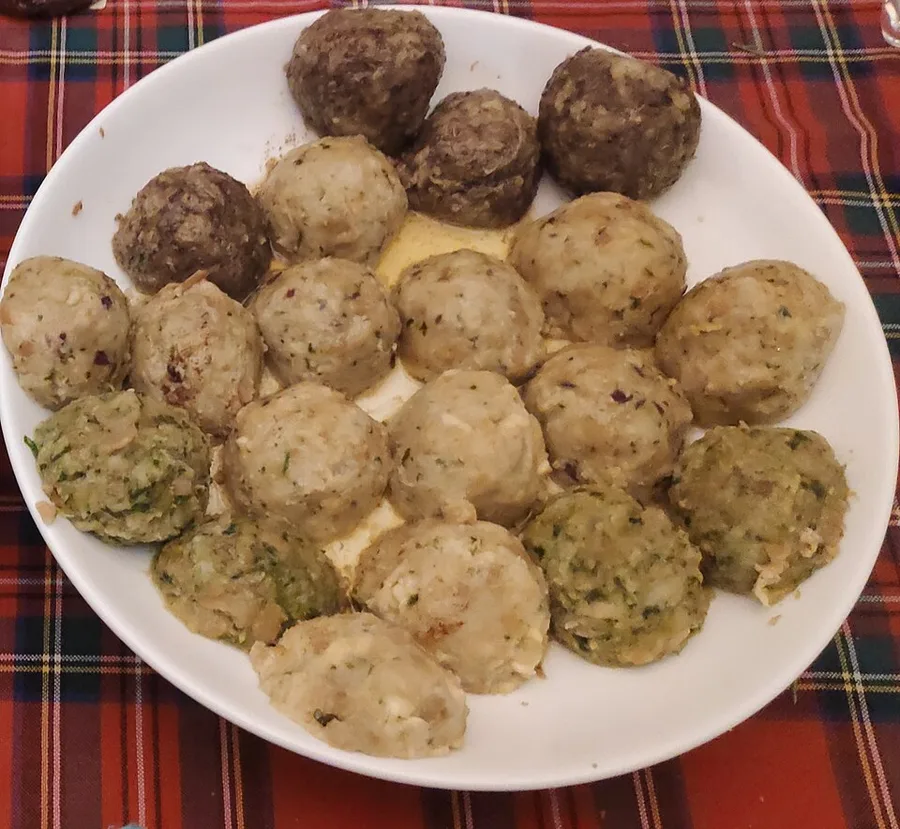
Stale bread soaked in milk, bound with egg, flavoured with speck: in the mountains bread was never thrown away, and these are the most direct proof of it.
toscana · 4 h 10′
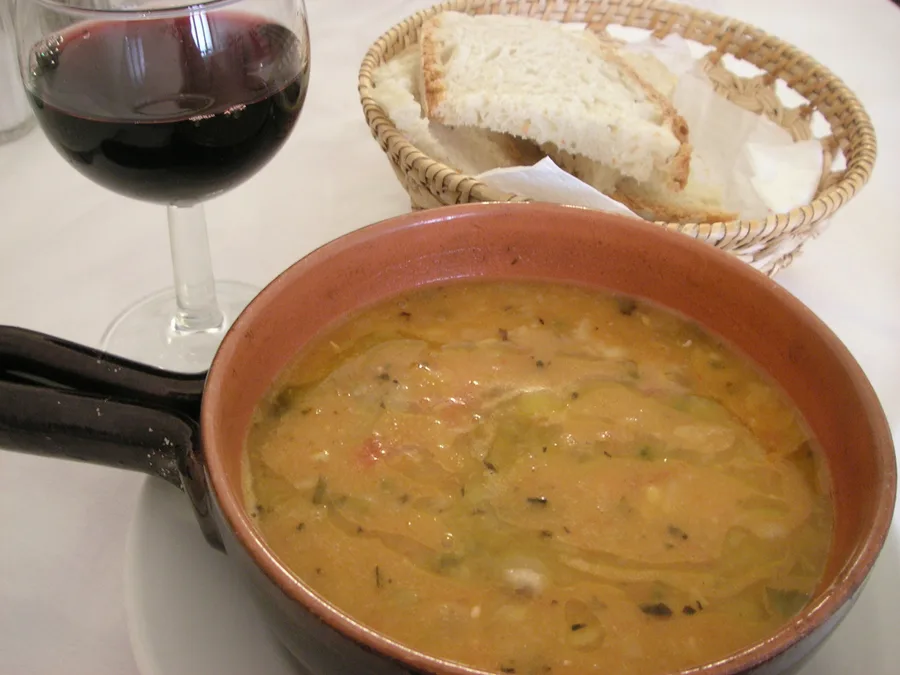
Yesterday's bread boiled twice with cannellini and black kale. The second cooking is not using up leftovers: it is the recipe, and without it the bread has not yet merged with the broth.
toscana · 30′
Stale bread soaked and squeezed with tomato, onion, basil and oil: half an hour, no cooking, and a whole dish out of a leftover. The bread must be squeezed properly, or the dressing dilutes.
campania · 1 h
Born in postwar Naples, when the ovens were destroyed and the dough was not: a disc folded over ricotta, cracklings and pepper, deep-fried. One hour, and the edge is sealed with wet fingers.
campania · 35′
The fish the paranza landed and nobody would buy: red mullet, small hake, baby squid, anchovies, floured and fried whole. Thirty-five minutes, and eaten with the hands straight out of the oil.
 Fooding Around · CC BY 2.0
toscana · 1 h 50′
Onion, celery and tomato over stale bread, with a poached egg: the dish of the Maremma cowherds and charcoal burners, made with whatever was in the pocket and the larder.
One last thing
One technical thread holds half this list together, and its name is starch. The stale bread in ribollita, panzanella and canederli is not a filler: it absorbs liquid and gives up starch, and starch binds. It is the same principle by which pasta water binds pecorino and egg, and by which part of the beans is puréed in pasta e fagioli. In a kitchen with no cream and little butter, starch was the only thickener available, and yesterday's bread was full of it.
The questions this list answers
These are real questions put to an AI assistant, in the period when Bing cited this site among its sources to answer them. The number is how many times we were cited. We read them in Bing Webmaster Tools, under AI performance, and they decide what goes on this page rather than the other way round.
- frittura di paranza179 citations
- squacquerone183 citations
- cotognata590 citations
- sopressata1,226 citations
- what is pancetta1,326 citations
- lardo di colonnata642 citations
- tigella234 citations
Frequently asked questions
Was burrata created to use up scraps?
Yes: in Andria, in the nineteen twenties, the trimmings of stretched curd left over from the work were shredded, mixed with cream and closed inside a pouch of the same cheese. Today it is IGP, and the scrap has become the most expensive part of the product.
What is special about the vastedda of the Belìce?
It is the only stretched-curd sheep cheese in the world, and it was born from a summer fault: pecorino wheels swelled in the heat and, instead of being thrown away, were broken up and spun in boiling water. The result is a fresh, elastic, tangy cheese, now DOP.
Why is ribollita called that?
Because it is cooked twice: once as a soup of bread, beans and black kale, and again the next day. The second boiling melts the bread into the broth, and that is what makes the dish: without it, it is another soup.
Is fried pizza a version of pizza?
It is a dish in its own right, born in postwar Naples, when the bombed ovens were gone and the dough was not. A disc of dough is folded over ricotta, cracklings and pepper and deep-fried: the dough stays soft and puffs instead of crusting.