Eight Italian rice dishes, and why only half are risotti
Risotto alla milanese, with mushrooms, with porcini, risi e bisi, panissa, sartù, tiella from Bari, and the Carnaroli that carries them. Mantecatura is not the only way to cook rice: in half of these dishes it is forbidden.
Risotto is a precise technique rather than a genre: a dry toasting, hot broth added a ladle at a time, and a finish off the heat with cold butter and cheese. Each of those three steps has a physical reason, and the hot broth is the most neglected: adding lukewarm broth drops the grain's temperature and breaks the gradual release of starch.
Half the dishes on this list are not risotti, and not loosely speaking. Risi e bisi is a soup eaten with a spoon. The panissa of Vercelli gets no mantecatura and takes its body from bean starch. The Neapolitan sartù is a timballo baked in a mould. The tiella of Bari has raw rice between potato and mussels, and is never stirred.
The right rice changes everything. Carnaroli has the most amylose around: it releases enough starch to bind and holds the grain whole even ten minutes past time, which is exactly what a risotto needs. Timballi and soups want the opposite, a rice that gives way and binds with the rest.
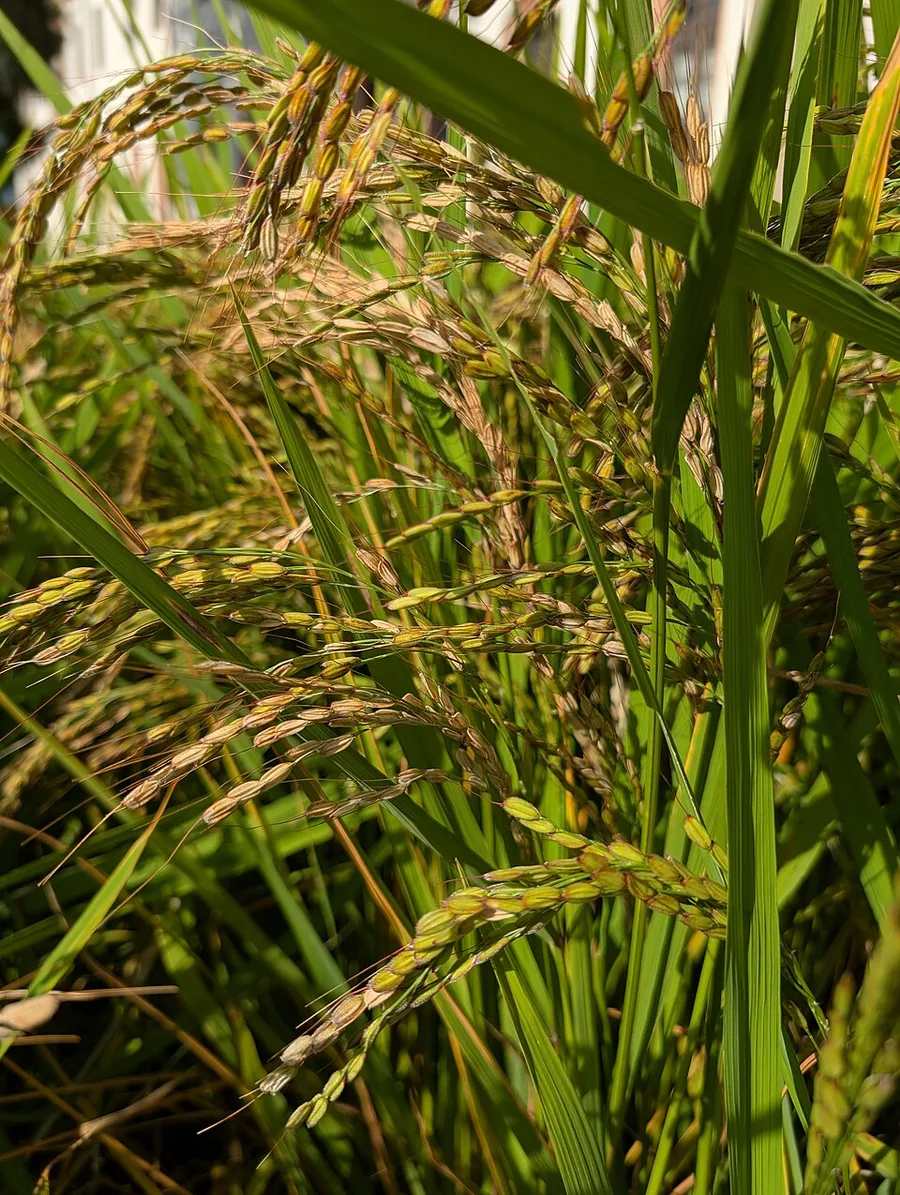 Ivanbranco · CC BY-SA 4.0
lombardia · piemonte · 2.5-4 €/kg
The risotto rice with the most amylose around: it releases enough starch to bind and holds the grain whole even ten minutes past time. That is why it is forgiving, and why professional kitchens use almost nothing else.
lombardia · 30′
Carnaroli toasted in butter and beef marrow, brought up with meat broth, coloured by infused saffron and finished off the heat with cold butter. Half an hour in all, and the shortest dish on this list.
lombardia · 55′
Carnaroli toasted dry, hot broth a ladle at a time, finished off the heat with cold butter and grana. Lukewarm broth is the error that breaks the dish: it drops the temperature of the grain and the starch stops coming out when it is needed.
lombardia · 55′
The same technique, but the mushrooms go in twice: part at the start to give depth, and part fried separately and added at the end to give bite. It is the difference between a risotto that tastes of mushrooms and one where you can feel them.
veneto · 1 h 10′
Not a risotto: a Venetian soup of rice and new peas, thicker than a soup and looser than a risotto, eaten with a spoon. The broth is made from the pods, which is the ingredient that sets it apart from everything else.
piemonte · 2 h 5′
Baraggia rice with Saluggia beans, salam d'la duja and pork rind, deglazed with red wine and brought up with the bean broth. No mantecatura: the body comes from the pulses' starch, and adding butter and cheese would make another dish.
campania · 4 h
A Neapolitan timballo of French invention: rice cooked in broth, fried meatballs, peas, mushrooms, provola, hard-boiled eggs and ragù, closed in a crumbed mould and baked. Four hours, and it is turned out only after resting.
puglia · 1 h 45′
Potato, mussels and rice layered in one pan and baked, never stirred: the rice goes in raw and cooks in the mussels' liquor. It is the opposite of a risotto, where you stir constantly, and the order of the layers is the recipe.
One last thing
Three details separate a good risotto from a gummy one, and none of them is the rice. The broth must be hot, because every cold ladle interrupts the release of starch. The mantecatura happens off the heat, with butter straight from the fridge: that temperature contrast is what emulsifies instead of melting the fat and letting it separate. And a minute's rest under a lid before serving lets the last liquid be absorbed: a risotto served instantly keeps cooking in the plate and arrives dry at the table.
The questions this list answers
These are real questions put to an AI assistant, in the period when Bing cited this site among its sources to answer them. The number is how many times we were cited. We read them in Bing Webmaster Tools, under AI performance, and they decide what goes on this page rather than the other way round.
- riso carnaroli148 citations
- carnaroli rice46 citations
- riz Carnaroli6 citations
Frequently asked questions
Why is Carnaroli the risotto rice?
Because it is high in amylose: it releases enough starch to bind the dish and holds the grain whole even ten minutes past the cooking point. In practice it forgives errors of timing, which are the commonest in a risotto. Arborio gives way sooner; Vialone Nano cooks faster and is traditional in the Veneto.
What does mantecare mean?
Binding a risotto off the heat by adding cold butter and grated cheese and stirring or shaking the pan. The cold butter and the residual heat form an emulsion with the rice starch: that is what gives the creaminess. With butter at room temperature, or over the flame, the fat separates.
Is risi e bisi a risotto?
No, it is a Venetian soup: thicker than a soup and looser than a risotto, eaten with a spoon and never finished with butter. The technical difference is also in the broth, made from the pea pods, and in the quantity of liquid, which is far greater.
What is the commonest risotto mistake?
Cold or lukewarm broth. Every ladle that drops the grain's temperature interrupts the starch release, and the result is cooked rice that will not bind. The second mistake is finishing it over the flame, which separates the butter instead of emulsifying it.